HCPCS code E0198: Water pressure pad billing guide
HCPCS code E0198 is a water pad for a standard mattress HCPCS code E0198 is the ...

Last Updated: Oct 13, 2026
J1100 is the HCPCS Level II code for injection, dexamethasone sodium phosphate, 1 mg.
Let Pabau's smart automation suggest the right codes, reduce claim denials, and keep your practice compliant—effortlessly.
Automate repetitive tasks and focus on what matters most—your patients.
Reduce coding errors and ensure compliance with the latest regulations.
Clean claims, fewer denials, and faster reimbursements.
Powerful insights and reporting to help your practice thrive.
HIPAA compliant SOC 2 certified GDPR-compliant Trusted by 4,000+ clinics worldwide

HCPCS Code J1100 describes injection, dexamethasone sodium phosphate, 1 mg – one unit equals exactly 1 mg administered
Unit calculation is straightforward: a 4 mg dose = 4 units of J1100; a 10 mg dose = 10 units
JW modifier is required for unused drug waste from single-dose vials; JZ modifier confirms no waste occurred
Pabau’s claims management software tracks J-code units, NDC numbers, and modifier flags within the billing workflow
The official descriptor for HCPCS Code J1100 reads: Injection, dexamethasone sodium phosphate, 1 mg. CMS classifies it under the J-codes section of HCPCS Level II, which covers drugs administered other than the oral method. The code has been active since January 1, 2001, and carries a Coverage Code of D, meaning special coverage instructions apply at the payer level. Practices that also offer aesthetic injectables need injection charting and payment tools, which our ranking of the best medical spa software compares.
Dexamethasone sodium phosphate is a synthetic adrenal glucocorticoid from the corticosteroid drug class. It works by inhibiting the release of inflammatory mediators, making it clinically appropriate for a wide range of indications.
These include acute allergic reactions, inflammatory joint conditions, ocular inflammation, cerebral edema, and chemotherapy-related nausea. The FDA first approved the drug in 1958, according to the NCI SEER CanMED HCPCS database.
Because dexamethasone is available in concentrations ranging from 4 mg/mL to 10 mg/mL, the 1 mg per unit structure of J1100 means the units billed will almost always be a whole number greater than one.
Understanding the relationship between concentration, volume administered, and the number of units to report is the foundation of accurate J1100 billing.
Coders and billers routinely search for the “J1100 CPT code,” but J1100 is a HCPCS Level II code maintained by CMS, not a CPT code from the AMA’s Current Procedural Terminology set. The two systems serve different jobs: HCPCS Level II J-codes report the drug supplied – whether dexamethasone here or another injectable agent such as phytonadione (vitamin K), J3430 – while CPT codes report the service that delivers it.
The distinction matters at claim time. The J1100 CPT code description you see in a lookup tool is the same billable descriptor either way, Injection, dexamethasone sodium phosphate, 1 mg. Pairing that J-code with a separate CPT administration code, covered later in this guide, is what completes the claim.
Coders occasionally ask about J1094, which described injection, dexamethasone acetate, 1 mg. That code is no longer valid. J1094 has not been manufactured for years and is not a current alternative to J1100. Any encounter involving dexamethasone acetate should be reviewed for alternate coding; encounters involving dexamethasone sodium phosphate use J1100 exclusively.
Miscounting J1100 billing units is the most common billing error for this code. The rule is simple: one unit of J1100 equals 1 mg of dexamethasone sodium phosphate administered. Bill the number of units that matches the number of milligrams actually given to the patient, not the vial size. When a clinical note records the J code for dexamethasone by dose, such as a 4 mg or 10 mg injection, convert the milligrams directly to units. Payment for this code arrives with a remittance advice that explains any adjustment line by line. The CARC denial code list is short enough to learn, and most rework traces to a handful of entries.
| Dose administered | Units of J1100 to bill | Notes |
|---|---|---|
| 1 mg | 1 | Minimum billable quantity |
| 4 mg | 4 | Common allergy/anti-inflammatory dose |
| 8 mg | 8 | Common post-operative or oncology dose |
| 10 mg | 10 | Common from a 10 mg/mL single-dose vial |
| 20 mg | 20 | High-dose protocol; document clinical indication |
The HCPCS Appendix 1 Table of Drugs directs coders to J1100 for all dexamethasone sodium phosphate injections, per AAPC’s Codify HCPCS lookup. The concentration of the vial used does not change the unit count. A 1 mL draw from a 4 mg/mL vial yields 4 mg and therefore 4 units, while a 1 mL draw from a 10 mg/mL vial yields 10 mg and 10 units.
Accurate unit calculation requires the administering clinician to document the exact milligrams given in the clinical note, not just the volume. Practices using injectable drug billing workflows within their practice management software can tie the administered dose directly to the claim line, reducing manual transcription errors between the clinical record and the billing queue.
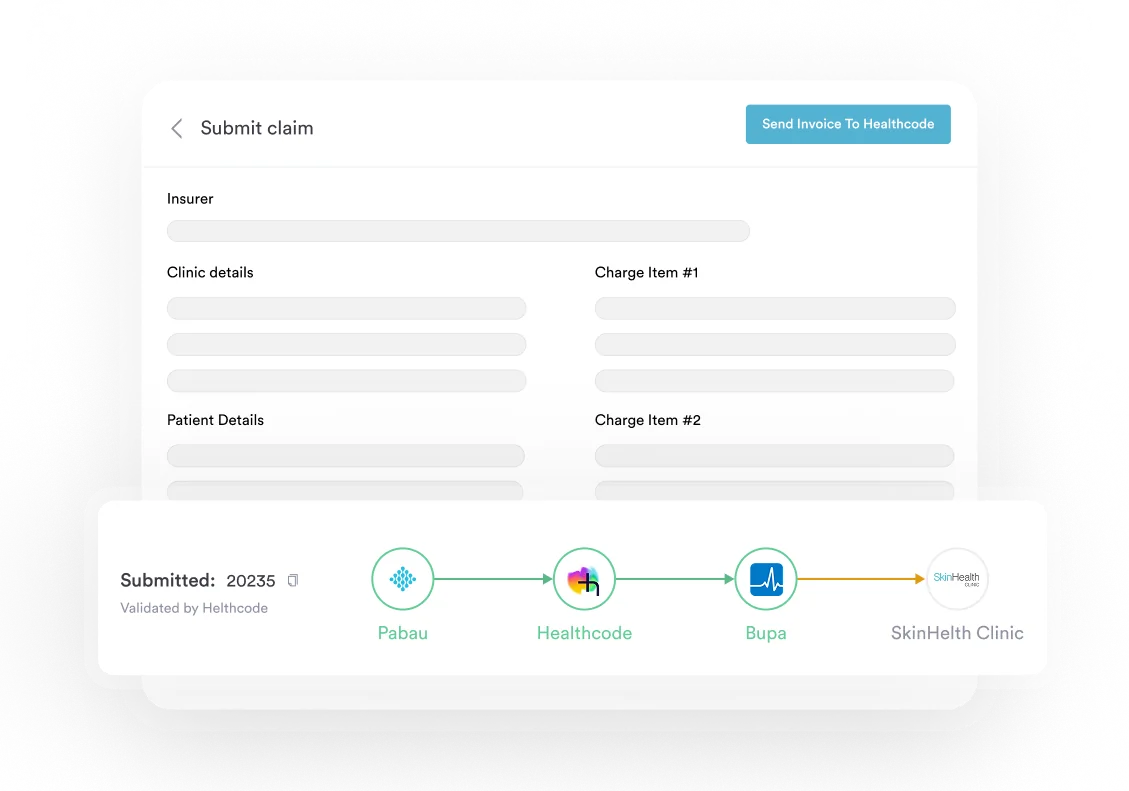
Most payers, including Medicaid programs and many commercial insurers, require a J1100 NDC code (National Drug Code) on the claim alongside the HCPCS code itself. The NDC identifies the exact manufacturer, product, and package size dispensed, providing traceability beyond what the J-code alone conveys.
There are approximately 28 NDC codes associated with J1100 across various manufacturers, concentrations, and package sizes (per ndclist.com; verify count against the current CMS NDC crosswalk before submitting claims). Common configurations include:
When reporting an NDC on a claim, use the 11-digit format (5-4-2), not the 10-digit format printed on the vial label. Some vials use a 10-digit format with a leading zero in one of the three segments; always report 11 digits. The unit qualifier for injectable drugs is “UN” (units), and the NDC quantity should reflect the total milligrams billed, matching the J1100 unit count.
For IV therapy clinic documentation standards and multi-drug injection encounters, the NDC must be reported separately for each drug on its own claim line. Bundling two different drugs onto one line is a common audit trigger.
Check the actual vial used during the appointment against the NDC on file. Generic substitutions are common for dexamethasone sodium phosphate, so the NDC may change between ordering cycles. Auditing NDC accuracy quarterly protects against Medicaid recoupment requests.
Injectable stock is expensive, and medical spa inventory software keeps vial counts honest against what was billed.
CMS changed its drug waste policy effective January 1, 2023, requiring coders to actively report whether waste occurred from a single-dose vial. Two modifiers govern this requirement for J1100 claims.
Multi-dose vials follow a different rule. The American Academy of Ophthalmology’s Table of Common Drugs notes that J1100 from a multi-dose vial requires no modifier, because multi-dose containers are not subject to the same single-dose waste reporting requirements. The JW and JZ rules apply exclusively to single-dose vials.
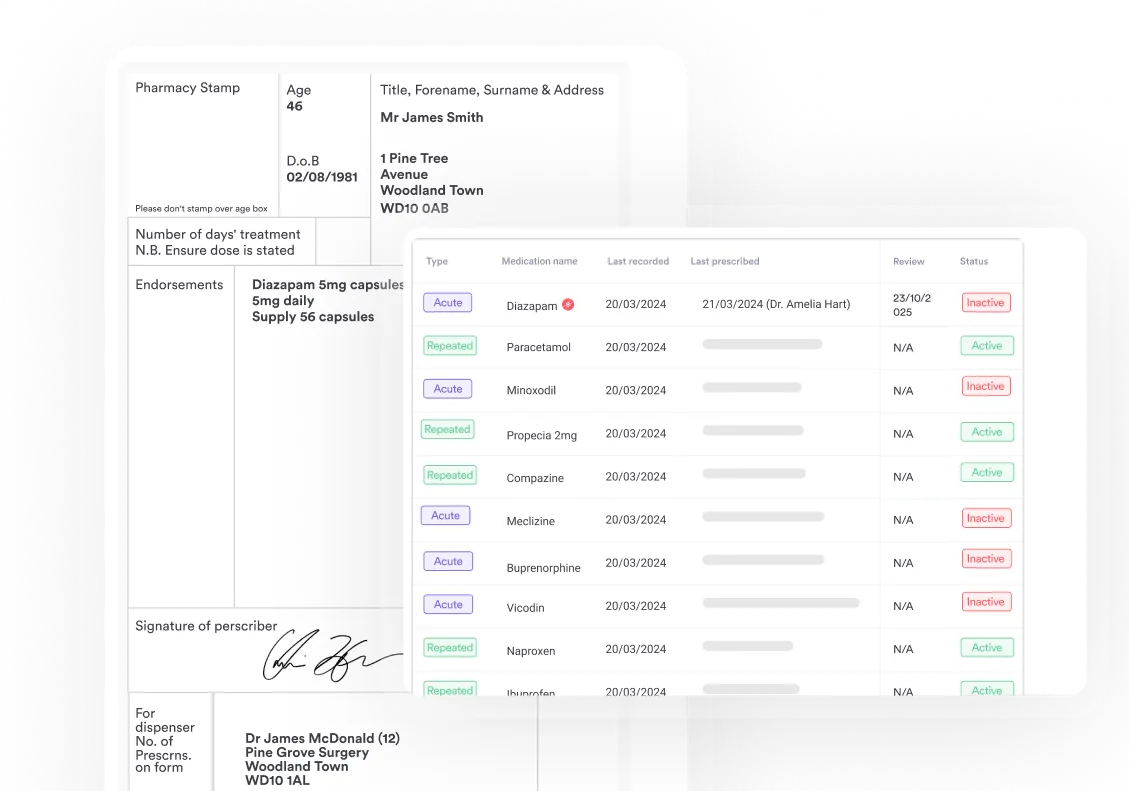
Clinics administering dexamethasone in ophthalmic, rheumatology, or allergy settings should document vial type (single-dose vs. multi-dose) in the administration record to support the correct modifier selection. Pabau’s prescription record management tools allow staff to flag vial type at the point of care, feeding the correct modifier logic into the billing workflow.
If a payer does not follow Medicare Part B JW/JZ rules (some commercial payers and state Medicaid programs have separate policies), follow payer-specific guidance. Always verify modifier requirements in the payer’s provider manual or through a direct coverage inquiry before submitting. Applying Medicare-specific modifiers to a commercial claim without verification is a common source of unnecessary denials.

Pabau links administered dose documentation directly to your billing queue, so J-code unit counts and NDC numbers flow from the clinical record to the claim without manual re-entry.

Medicare Part B reimburses J1100 under the buy-and-bill model. The practice purchases dexamethasone sodium phosphate, administers it to the patient, and bills the payer for both the drug and the administration service. Reimbursement is calculated at ASP (Average Sales Price) plus 6%, with the ASP figure updated quarterly by CMS.
Because ASP fluctuates with market pricing and CMS quarterly updates, a specific reimbursement rate per unit cannot be guaranteed to remain accurate. Always verify the current rate through the CMS Physician Fee Schedule lookup before submitting claims or building cost projections. Dexamethasone sodium phosphate is a low-cost generic corticosteroid; the per-unit ASP is typically a fraction of a dollar.
Coverage Code D on J1100 means Medicare applies special coverage instructions. These are found in CMS Chapter 12 HCPCS code policies and in Local Coverage Determinations (LCDs) from the Medicare Administrative Contractor (MAC) serving your region. Always confirm coverage criteria for the specific indication being treated before assuming blanket reimbursement.
There is no universal J1100 covered diagnosis list. Medical necessity is judged against the LCD for the treated condition, so payable indications commonly include acute allergic reactions, inflammatory joint disease, ocular inflammation, and chemotherapy-related nausea. Link each J1100 line to the ICD-10 code that documents the condition, and check the servicing MAC’s LCD for diagnosis restrictions before submitting.
J1100 covers the drug only. The injection administration service is billed separately using a CPT administration code. For most subcutaneous or intramuscular dexamethasone injections, CPT code 96372 (therapeutic, prophylactic, or diagnostic injection; subcutaneous or intramuscular) is the appropriate companion code.
Intravenous push or infusion encounters use a different administration code series (96374 or 96365, depending on method and duration).
Always confirm NCCI (National Correct Coding Initiative) edits between J1100 and the planned administration code. NCCI edits can prevent co-billing certain drug codes with certain E&M or administration codes when a modifier override is not supported.
Denials for J1100 most commonly stem from missing documentation, incorrect unit counts, or absent NDC numbers rather than payer coverage limitations. A consistent workflow eliminates most of these preventable errors.
Practices managing multiple injectable drugs across high-volume schedules benefit from vial inventory tracking systems that tie lot numbers and NDC data to individual patient encounters, creating an audit-ready trail from purchase through administration.
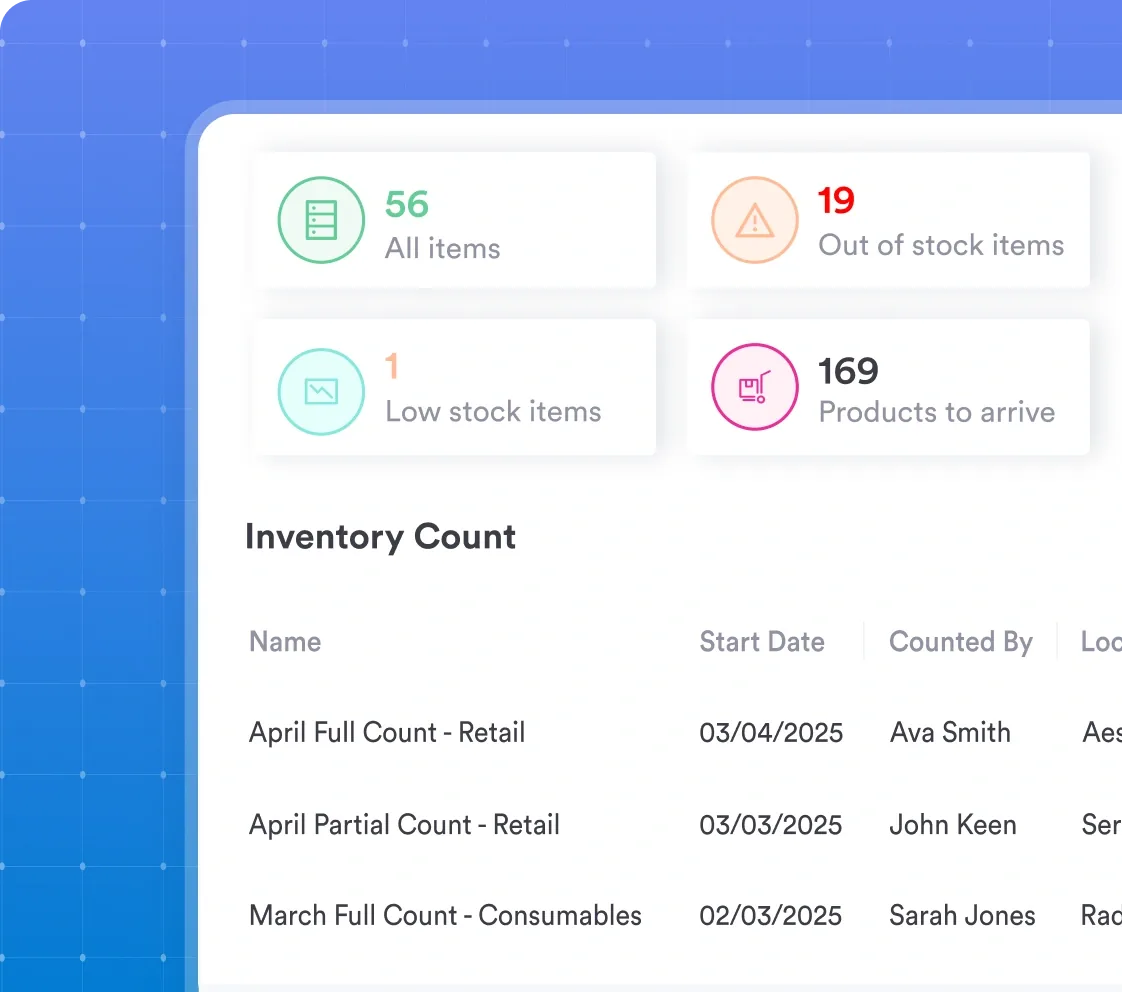
Run a monthly reconciliation between inventory records and billed J1100 units. If the number of milligrams billed across all J1100 claims for a period exceeds the milligrams purchased and received, the discrepancy is an audit flag. Matching purchase orders to claim submissions is the fastest way to catch systematic unit errors before a payer identifies them first.
Despite J1100’s long history as a stable HCPCS code, specific denial patterns recur across practice types. Knowing them in advance shortens the appeals cycle.
| Denial reason | Root cause | Resolution |
|---|---|---|
| Missing or invalid NDC | 11-digit format not used, or NDC not on file with payer | Resubmit with correct 11-digit NDC and “UN” qualifier |
| Units exceed maximum allowable | Payer has a per-encounter or per-day unit cap | Review payer LCD/policy; appeal with clinical notes showing medical necessity for higher dose |
| No prior authorization on file | Coverage Code D instruction requiring PA for certain indications | Obtain retrospective authorization or appeal with clinical documentation |
| Modifier JW/JZ missing | Single-dose vial used after January 1, 2023 without waste reporting | Rebill with correct modifier; add documentation of administered vs. discarded amount |
| Bundling with E&M code | NCCI edit triggered | Review edit; apply modifier -25 to E&M if separate and distinct service documented |
Maintaining HIPAA-compliant record-keeping for injection encounters, including dose, vial lot number, and clinician attestation, provides the documentation base needed to resolve any of these denial categories quickly.
J1100 crosses specialty lines more than most J-codes. Each specialty brings slightly different documentation expectations and payer policies.
Ophthalmology: Sub-Tenon’s and periocular dexamethasone injections are commonly billed with J1100. The AAO Table of Common Drugs confirms JW applies to single-dose vials in ophthalmology. Clinicians should distinguish between dexamethasone sodium phosphate (J1100) and dexamethasone intravitreal implants, which use separate HCPCS codes (J1096 for Dextenza).
Rheumatology: Intra-articular corticosteroid injections frequently use dexamethasone sodium phosphate. Units per encounter can range widely depending on the joint injected and the protocol used. Document the specific joint, laterality, and milligrams administered in each note.
Allergy and immunology: Dexamethasone is used for acute allergic reactions and anaphylaxis management. Emergency department encounters require the same unit and NDC documentation as scheduled clinic visits.
Medical spas and aesthetic clinics that administer dexamethasone as part of post-procedure anti-inflammatory protocols should ensure their billing workflows align with med spa billing compliance requirements and that drug administration is documented in the clinical record rather than only in a treatment note. For EMR systems purpose-built for multi-drug injection practices.
The billing mechanics for HCPCS Code J1100 are straightforward once the unit calculation logic is clear: 1 unit equals 1 mg administered, modifiers depend on vial type and whether waste occurred, and NDC reporting is mandatory for most payers. The errors that generate denials are almost entirely preventable through consistent clinical documentation at the point of care.
Pabau’s claims management software connects the administered dose recorded in the clinical note to the billing claim, reducing the manual steps where unit and NDC errors typically occur. Book a demo to see how Pabau handles injectable drug billing workflows end to end.

Coding a pityriasis rosea diagnosis? Pityriasis rosea diagnosis code covers L42’s clinical description, synonyms, and related codes it gets confused with.
Managing injectable inventory across multiple treatment rooms? Pabau inventory management tracks vial lot numbers and usage against administered doses for audit-ready records.
Coding a vibratory urticaria case? Vibratory urticaria diagnosis code covers L50.4’s diagnostic criteria, documentation needs, and how it differs from L50.3.
HCPCS Code J1100 is the billing code for injection, dexamethasone sodium phosphate, 1 mg. It is used to report injectable corticosteroid administration to Medicare Part B and most commercial payers across specialties including rheumatology, ophthalmology, allergy, emergency medicine, and aesthetic medicine.
Bill 4 units. One unit of J1100 equals 1 mg of dexamethasone sodium phosphate administered, so the unit count always equals the number of milligrams given. A 10 mg dose = 10 units; a 4 mg dose = 4 units.
Yes, for single-dose vials when unused drug is discarded after January 1, 2023. The JW modifier goes on a separate J1100 line for the wasted units only. If the entire single-dose vial was administered with no waste, use the JZ modifier instead. Multi-dose vials require neither modifier.
Approximately 28 NDC codes map to J1100, covering multiple manufacturers, concentrations (4 mg/mL and 10 mg/mL being most common), and package sizes. Always report the NDC from the specific vial used in the patient’s encounter, formatted as an 11-digit number with the “UN” unit qualifier.
J1094 described injection, dexamethasone acetate, 1 mg, which is no longer manufactured and is not a valid billing code for current encounters. J1100 covers dexamethasone sodium phosphate, the currently available formulation. Do not use J1094 on any current claim.
Yes. J1100 covers the drug cost only. Bill the injection administration service separately using the appropriate CPT code: 96372 for subcutaneous or intramuscular injection, or the relevant IV push/infusion codes (96374, 96365) for intravenous administration. Verify NCCI edits between the drug and administration codes before submitting.
J1100 is a HCPCS Level II code maintained by CMS, not a CPT code from the AMA. It is often searched as the “J1100 CPT code,” but the descriptor, injection, dexamethasone sodium phosphate, 1 mg, sits in the HCPCS J-code section. Report a separate CPT administration code, such as 96372, for the injection service itself.
J1100 covers injectable dexamethasone sodium phosphate at 1 mg per unit. The two are never interchangeable; billing the oral code for an injection, or the reverse, is a coding error.
There is no single national covered-diagnosis list for J1100. Payable indications typically include acute allergic reactions, inflammatory joint conditions, ocular inflammation, and chemotherapy-related nausea, each linked to the matching ICD-10 code. Always confirm the covered conditions in your Medicare Administrative Contractor’s LCD before submitting the claim.