HCPCS code V2599: Other type contact lens billing guide
What is HCPCS code V2599? HCPCS code V2599 is the Level II supply code for a con...

Last Updated: Oct 20, 2026
H1000 is the HCPCS Level II code for prenatal care, at-risk assessment.
Below, we work through the code details, the documentation Medicaid expects, the modifiers that apply, and the denial patterns that cost prenatal programs the most.
Let Pabau's smart automation suggest the right codes, reduce claim denials, and keep your practice compliant—effortlessly.
Automate repetitive tasks and focus on what matters most—your patients.
Reduce coding errors and ensure compliance with the latest regulations.
Clean claims, fewer denials, and faster reimbursements.
Powerful insights and reporting to help your practice thrive.
HIPAA compliant SOC 2 certified GDPR-compliant Trusted by 4,000+ clinics worldwide

HCPCS code H1000 covers one prenatal at-risk assessment, and state Medicaid programs are the payers that recognize it.
H1000 pays for identifying risk, while H1001 through H1005 cover the coordination services that follow.
H1000 rarely pays where a plan reimburses maternity care as a single global package.
Most denials trace back to records that name risk factors vaguely or leave referrals unwritten.
Practice management software like Pabau keeps the assessment record and the claim in one place.
H1000 reimburses a structured at-risk assessment for a pregnant patient. It is a Level II HCPCS code maintained by CMS, and state Medicaid programs are its primary payers. Coordinators use it to record which risk factors apply, then bill for the assessment itself.
The code sits inside the H-series, which CMS reserves for behavioral health, substance use, and Medicaid programs such as prenatal care coordination, known as PNCC.
Practices setting up OB/GYN practice management should separate the assessment from the enhanced services in their billing rules on day one.
H1000 is billable when the payer wants maternity care reported service by service. Plenty of plans still pay pregnancy care as one global package instead.
The global obstetric codes, such as 59400, bundle antepartum visits, delivery, and postpartum care into a single payment.
Where that package applies, routine risk screening is already inside it, so a separate H1000 line comes back as bundled. State Medicaid prenatal care coordination programs generally sit outside the global package, which is why the H-codes exist at all.
Managed care plans covering the same members can follow different rules. A patient in state fee-for-service Medicaid may support a separate H1000 claim, while a member of an MCO paying a global maternity rate does not.
Check the plan, not just the state, before the assessment is scheduled.
Bill H1000 for the encounter that produces the risk assessment. Bill H1001 once risk is established and the visit delivers the enhanced service.
Both codes belong to the same PNCC program, which is why they get swapped so often.
Coders slip most often when a follow-up visit is coded as a second assessment. The record then shows two assessments and no enhanced service, which is the first pattern a reviewer picks up on.
Eligible provider types come from your state Medicaid program, not from a federal rule.
Most states name a defined set of disciplines inside their PNCC program, and the list is narrower than people expect. Check the state manual before a new hire starts billing.
Commonly recognized provider types include:
Several states also require enrollment in the PNCC program itself, on top of general Medicaid enrollment. Billing without it is a routine denial in those states.
Programs that also bill pelvic health services should confirm enrollment separately for those providers.
Every H1000 claim needs at least one ICD-10-CM code showing why the patient counts as at risk. States keep their own covered diagnosis lists, so treat the examples below as a starting point rather than a complete set.
A diagnosis your state does not treat as an at-risk indicator comes back unpaid. Reading the denial codes on the remittance tells you whether the diagnosis, the provider type, or the frequency limit caused it.
Weak documentation is the top denial trigger for H1000. Medicaid reviewers expect the record to prove the assessment on its own, not just show that a visit took place.
Digital prenatal assessment forms help, because mandatory fields close a note before anything important is left blank.
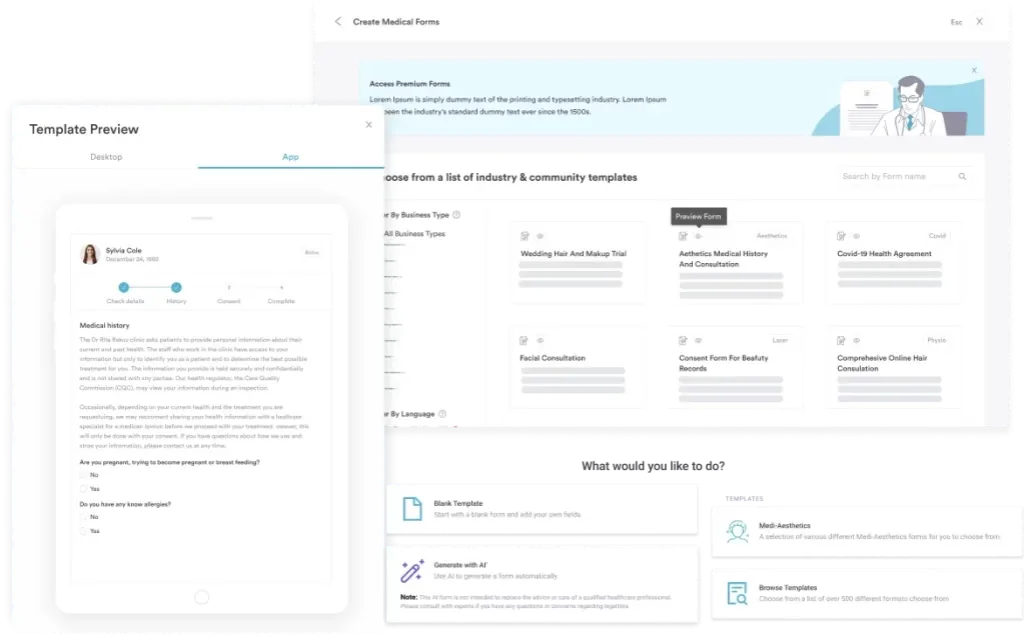
Most state programs expect these elements in the record:
The difference between a paid claim and a denied one is usually specificity. Compare these two entries for the same visit:
Storage matters as much as content. Under HIPAA-compliant record keeping, assessment records have to stay secure and stay retrievable. Your state sets the audit window, and it often runs years past the date of service.
Audit your H1000 records against your state Medicaid PNCC manual every quarter. Requirements shift, and a form that passed review last year can fall short this year. Treat it as a standing internal audit, not a pre-claim checklist.
Prior authorization for H1000 is set state by state, and no federal rule settles it either way. Some programs want approval before any PNCC service. Others pay without it, then ask for justification at audit.
Before you bill H1000 anywhere, confirm four things:
Building the prior authorization process into scheduling prevents the most avoidable denial of all: an assessment delivered without the approval it needed.
A flag on the appointment type does the job, since it forces the check before anyone books the visit.
Modifiers add context to an H1000 claim, and most of them describe the program or the delivery method. Your state fee schedule decides which ones apply.
The table below covers the modifiers billers meet most often.
One correction worth making in your billing rules: HH does not mean home visit. A visit in the patient’s home is reported through the place of service code, where 12 identifies the home. Using HH for a home visit tells the payer you ran an integrated behavioral health program instead.
Any modifier your state does not recognize for H1000 will bounce the claim. Cross-check the current modifier policy each time the fee schedule updates.
Units for H1000 are defined at state level. Most programs pay one unit per assessment encounter and cap how many assessments a pregnancy can carry.
Billing extra units without documented justification is a common audit finding, so track the count per patient rather than per claim.
Rates vary just as widely. H1000 is a Medicaid code, so the state fee schedule sets payment, and figures change annually. Last year’s number is not a safe basis for this year’s expected reimbursement.
To find your current rate, start with the CMS Physician Fee Schedule search tool for orientation. Then check your state Medicaid portal or managed care contract for the figure that actually applies.
For code metadata, AAPC’s HCPCS database is a quick reference.
A clean H1000 claim follows the same sequence every time, and most submission errors come from skipping a step or running them out of order.
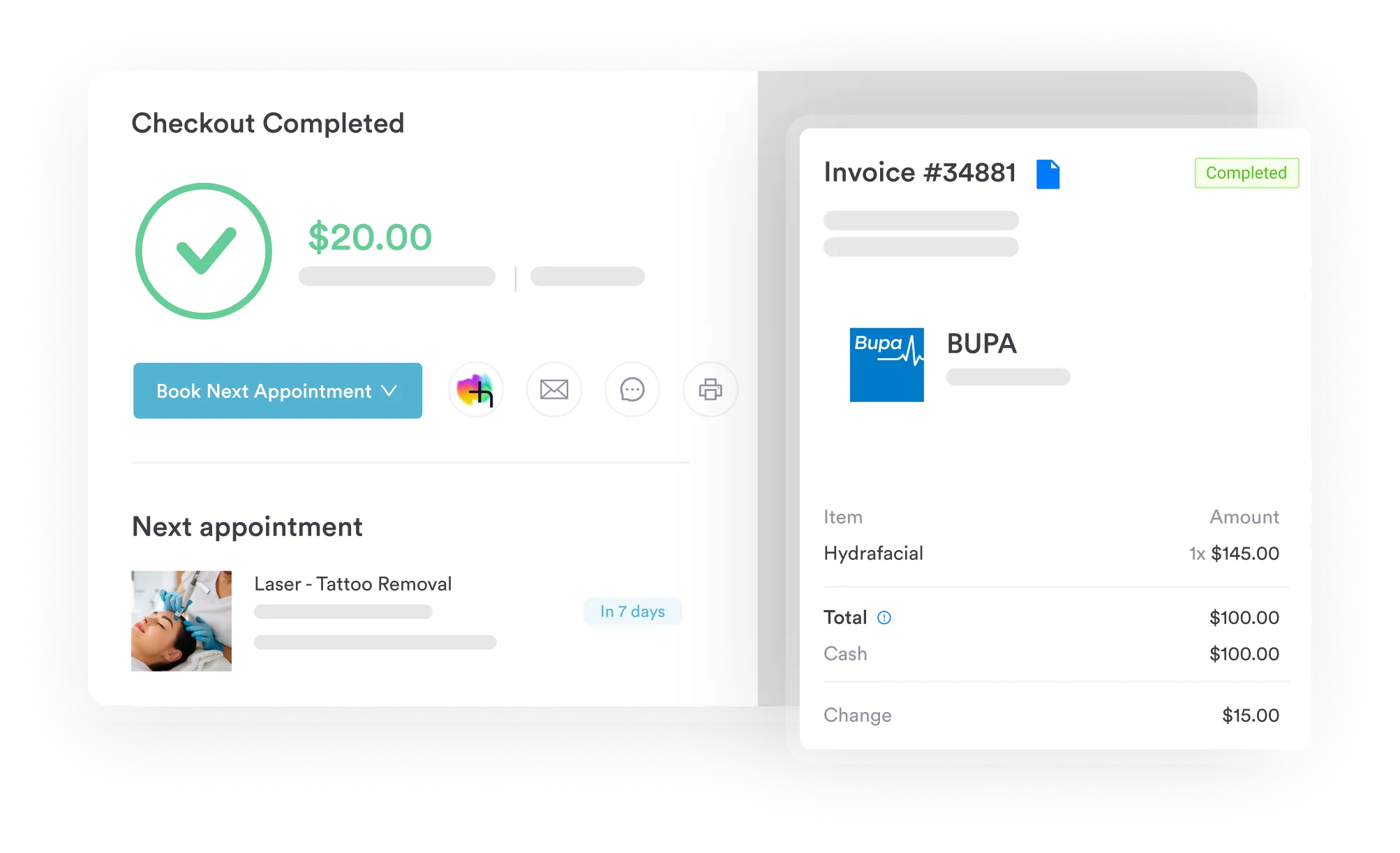
Step one is the step teams skip. Running insurance eligibility verification on the morning of the visit catches coverage that lapsed since intake. That one check prevents a denial no appeal can fix.
H1000 denials repeat. The same five reasons show up across programs, and each one has a fix you can build into a workflow rather than chase later.
Tracking them by reason code is the fastest route into denial management that actually recovers money.
H1000 opens a series that breaks prenatal care coordination into billable parts.
Knowing the whole set keeps coders from stretching one code over work that belongs to another. The education component, for example, has its own guide at own guide at H1003.
Read the H1005 descriptor closely, because it is a package that already includes H1001 through H1004. Billing the package and its components for the same period is unbundling, and states recoup it.
Rules differ on the rest of the series too. Some states bundle H1002 through H1004 into the coordination rate, while others pay them separately. Check your PNCC manual before adding a second line to an H1000 claim.
Prenatal coordination carries a heavy paperwork load for a modest payment. In many programs the assessment lives on a paper form and the referral sits in an email.
A coordinator then retypes both into the billing system days later. Every hand-off is a chance for the record and the claim to drift apart.
Practice management software like Pabau closes that loop. Its claims management software keeps code selection, documentation status, and submission in one view. For US claims, the Claim.MD integration submits electronically instead of through a separate portal.
Upstream of billing, electronic patient records capture the assessment at the point of care, and automated workflows flag an incomplete record before anyone submits.
Every subscription includes every feature, so a two-coordinator program gets the same tools as a county-wide one.
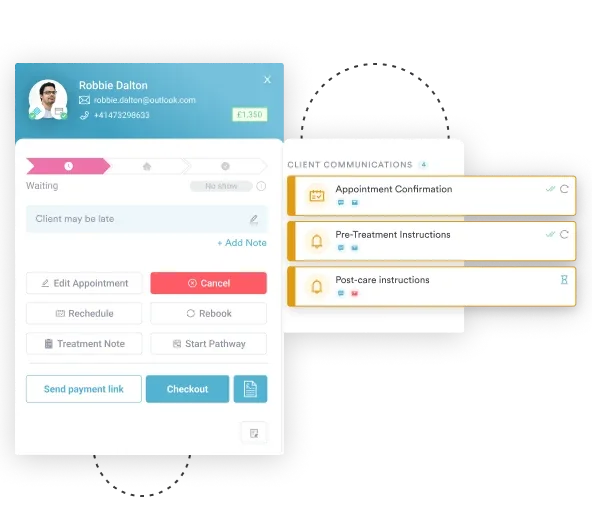

Pabau helps prenatal care programs document risk assessments, manage HCPCS billing workflows, and reduce claim denials with built-in documentation tools and claims management support.

H1000 is a small line on a claim with a large record behind it. The programs that get paid are the ones where the assessment form, the referral note, and the claim all describe the same encounter. Everything else in this guide follows from that.
So start with two checks rather than a policy rewrite. Confirm whether the payer unbundles maternity care, then read one recent assessment note as a reviewer would. If the note names its risk factors and its referrals, your billing is in better shape than most.
Prenatal coordination will always involve paperwork, though it does not have to be retyped twice. To see how Pabau moves an assessment record into a Medicaid claim without that second pass, book a demo with our team.

Billing the education component next? HCPCS code H1003 covers what counts as prenatal at-risk education and how to document a session.
Documenting major depression in remission? Major depressive disorder remission code explains ICD-10 code F33.42 for major depressive disorder currently in full remission.
Coding recurrent unspecified depression claims? Recurrent depressive disorder diagnosis code covers ICD-10 code F33.9 for recurrent major depressive disorder without further specification.
Coordinating behavioral health alongside prenatal care? HCPCS code H0037 explains how community psychiatric supportive treatment is billed.
Coding a patient’s chronic depression? Dysthymic disorder diagnosis code explains ICD-10 code F34.1 for persistent depressive disorder lasting at least two years.
It depends on your state program. Some Medicaid plans pay the assessment and an E/M visit on the same date when the work is clearly separate. Others treat one as included in the other. Document the assessment and the medical visit as distinct services, then check your state’s same-day billing policy before submitting both.
No. H1000 is a prenatal code, so it stops applying once the pregnancy ends. Postpartum care is reported with obstetric CPT codes or a separate Medicaid postpartum code, depending on the program. Some payers also want modifier TH on postpartum services to identify them as maternity care.
Use the place of service code, not a modifier. Place of service 12 tells the payer the assessment happened in the patient’s home. Modifier HH means an integrated mental health and substance abuse program, so it misstates the service if you use it for a home visit.
Filing deadlines come from your state Medicaid program, and many allow up to 12 months from the date of service. Managed care plans often run shorter windows. Check both, because a late claim for a documented assessment is one of the few denials with no appeal route.