

HCPCS code E0198: Water pressure pad billing guide
HCPCS code E0198 is a water pad for a standard mattress HCPCS code E0198 is the ...

Last Updated: Oct 13, 2026
A4357 is the HCPCS Level II code for bedside drainage bag, day or night, with or without anti-reflux device, with or without tube, each.
Let Pabau's smart automation suggest the right codes, reduce claim denials, and keep your practice compliant—effortlessly.
Automate repetitive tasks and focus on what matters most—your patients.
Reduce coding errors and ensure compliance with the latest regulations.
Clean claims, fewer denials, and faster reimbursements.
Powerful insights and reporting to help your practice thrive.
HIPAA compliant SOC 2 certified GDPR-compliant Trusted by 4,000+ clinics worldwide

HCPCS code A4357 describes a bedside drainage bag, day or night, with or without anti-reflux device, with or without tube, each
A4357 is a HCPCS Level II code, not a CPT code – CPT covers physician procedures, while supplies like drainage bags are coded in HCPCS Level II
Medicare covers A4357 under LCD L33803 and generally allows up to two bedside drainage bags per month for routine use, billed by DME suppliers not physicians
Extension tubing (A4331) is included in the A4357 allowance and must never be separately billed – a common claim denial trigger
Pabau’s claims management software helps DME suppliers and urology practices track HCPCS code submissions and reduce billing errors
HCPCS code A4357 is the Level II supply code for a bedside drainage bag, day or night, with or without anti-reflux device, with or without tube, each. It falls within the incontinence devices and supplies range (A4310-A4360) maintained by the Centers for Medicare and Medicaid Services (CMS), and Medicare covers it under the prosthetic device benefit, billed through the DMEPOS (Durable Medical Equipment, Prosthetics, Orthotics, and Supplies) program.
Billers often look up the “A4357 CPT code” or the “A4357 CPT code description,” but A4357 is a HCPCS Level II code, not a CPT code. CPT (Level I) codes cover physician procedures. Supplies like a drainage bag are coded in HCPCS Level II. Putting the right code system on the claim is the first step to getting paid.
Most denials for A4357 don’t come from picking the wrong product. They come from missing documentation, the wrong supplier type on the claim, or billing items that are already bundled into the allowance.
The code covers a single unit of a bedside urinary drainage bag, regardless of whether it includes an anti-reflux valve or attached drainage tube. That “with or without” language is intentional: the code applies to the entire category of bedside collection bags, so suppliers do not need separate codes for anti-reflux and non-anti-reflux variants.
Coverage for A4357 is governed by LCD L33803 (Urological Supplies), which CMS uses to define the clinical criteria, quantity limits, and billing requirements for the full urinary drainage collection system. A4357 is explicitly named in L33803 alongside codes A4314, A4315, A4316, A4354, A4358, A5102, and A5112 as part of that collection system.
Medicare will cover routine changes of the urinary drainage collection system when the beneficiary has a documented urological condition requiring ongoing drainage. LCD L33803 frames this around permanent urinary incontinence or permanent urinary retention, so the record should establish that the need is long-term, not a short episode. The three primary diagnoses that support medical necessity for HCPCS code A4357 claims are:
Coverage is not automatic. The DME MAC (Durable Medical Equipment Medicare Administrative Contractor) for the beneficiary’s jurisdiction reviews claims against the LCD criteria. Palmetto GBA administers Jurisdictions C and D; CGS Medicare administers Jurisdiction C. Both follow the same LCD L33803 framework.
A critical distinction that causes claim rejections: HCPCS code A4357 is a DME supply code billed by enrolled Medicare DME suppliers, not by physicians or hospitals on professional or facility claims. If a urology practice or inpatient facility dispenses the bag and attempts to bill on a CMS-1500, the claim will likely be rejected or denied as improperly filed.
Physicians managing patients who need ongoing bedside drainage bags should coordinate with an enrolled DME supplier to bill A4357 directly to Medicare. The physician’s role is to provide the supporting documentation that establishes medical necessity. Good patient record management ensures that documentation is accessible when the DME supplier requests it.
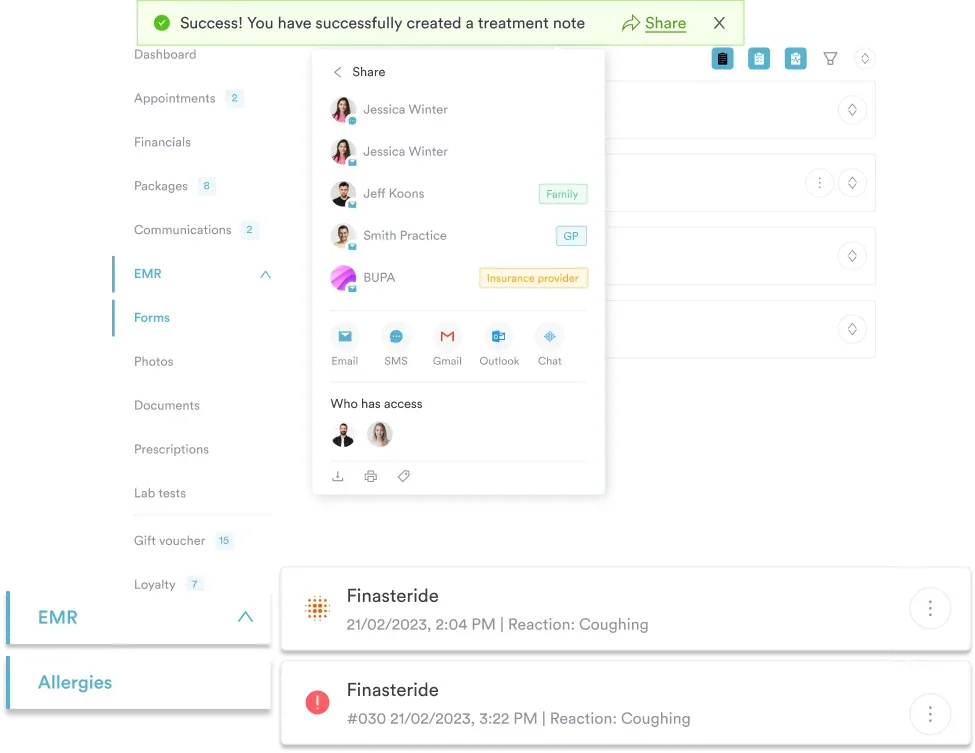
The most common denial pattern for A4357 involves separately billing extension tubing. Per CMS Policy Article A52521 (Urological Supplies), extension tubing coded as A4331 is included in the allowance for A4357 and must not be separately billed with it.
This bundling rule applies to all of the following codes simultaneously: A4314, A4315, A4316, A4354, A4357, A4358, and A5105. If a supplier bills A4357 and A4331 on the same claim for the same date of service, Medicare will deny A4331 as a duplicate or bundled service.
Audit your DME billing template before submitting A4357 claims. If your billing system auto-populates A4331 extension tubing alongside drainage bag codes, remove it. The extension tubing allowance is already factored into the A4357 payment rate. Billing it separately is the single most common reason these claims get kicked back.
Under LCD L33803, the DME supplier must append the correct modifier to each A4357 line so the DME MAC can see whether the coverage criteria are met and who is liable if the claim is denied. Four modifiers apply to urological supplies:
Omitting the KX modifier when it is required is a frequent cause of A4357 denials, so confirm the current modifier guidance with your DME MAC before submitting the claim.
Suppliers frequently ask whether to use A4357 or A4358, and many search for the “A4358 CPT code description” expecting a CPT entry. Both are HCPCS Level II codes, not CPT codes. The difference between them comes down to bag placement and design, not simply patient preference.
Bill A4357 when the patient’s clinical situation requires a bedside bag (typically less mobile or bedridden patients). Bill A4358 when the patient is ambulatory and uses a leg or abdominal bag with straps for mobility. Mismatching the code to the patient’s activity level and bag type is a documentation red flag during audits.

Pabau’s claims management software helps healthcare practices and DME suppliers track HCPCS code submissions, flag bundling errors before submission, and maintain the documentation trails Medicare auditors expect.

An inventory management tool flags when supply usage and supply billing drift apart.
Insufficient documentation is the second leading cause of A4357 claim denials, after the A4331 bundling error. LCD L33803 and Policy Article A52521 together define what must be on file before a DME supplier submits a claim for HCPCS code A4357.
At minimum, the supplier’s file must contain:
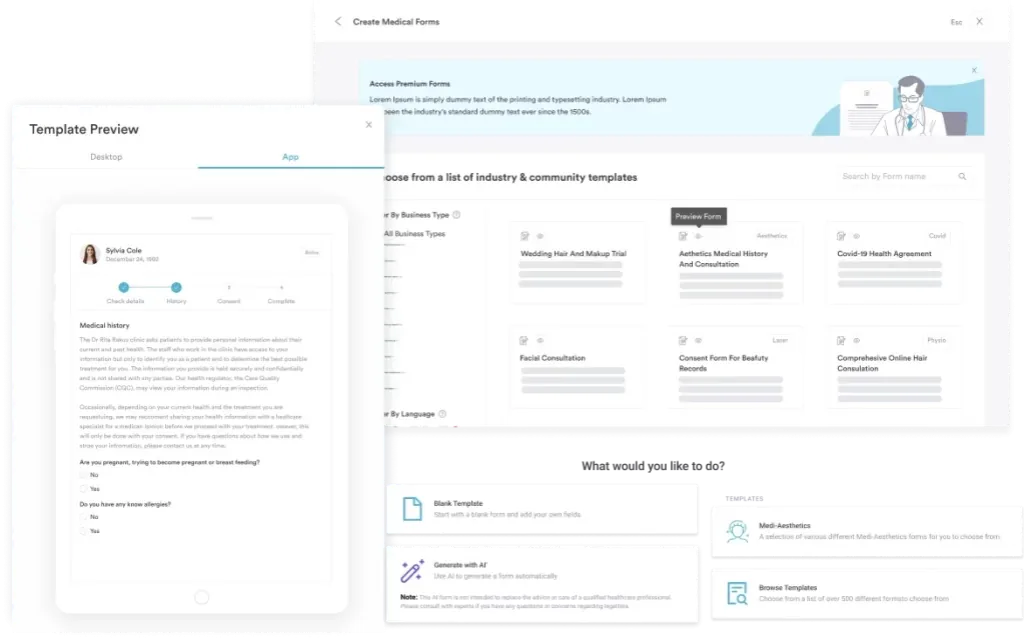
For ongoing supply orders, many DME MACs require a detailed written order before the first shipment and a proof of delivery for each subsequent supply. Practices that manage patients with chronic catheterization needs benefit from structured digital forms workflows that capture physician orders and supporting clinical notes in a retrievable format.
The ICD-10-CM codes most commonly paired with HCPCS code A4357 claims include urinary incontinence, retention, and obstruction codes. While the LCD does not prescribe an exhaustive list, the following are the most frequently used supporting diagnosis codes:
Always verify the specific ICD-10 codes accepted under the active LCD L33803 version for the relevant jurisdiction. CMS updates LCDs periodically, and the AAPC’s HCPCS code lookup on Codify provides crosswalk guidance. Efficient medical records management, supported by HIPAA-compliant documentation practices, ensures the supporting ICD-10 codes are retrievable during any audit.
A4357 rarely appears in isolation. Most patients requiring a bedside drainage bag also need catheter supplies, and those are billed under separate codes. Understanding the full coding landscape helps suppliers submit complete, accurate claims while avoiding duplicate billing.
Remember: A4331 (extension tubing) is bundled into A4357 and any of the codes above. Bill it separately only when paired with A5112 (leg bag, latex), where the policy article explicitly permits separate billing. This distinction matters for practices using claims management software that auto-populates related supply codes.
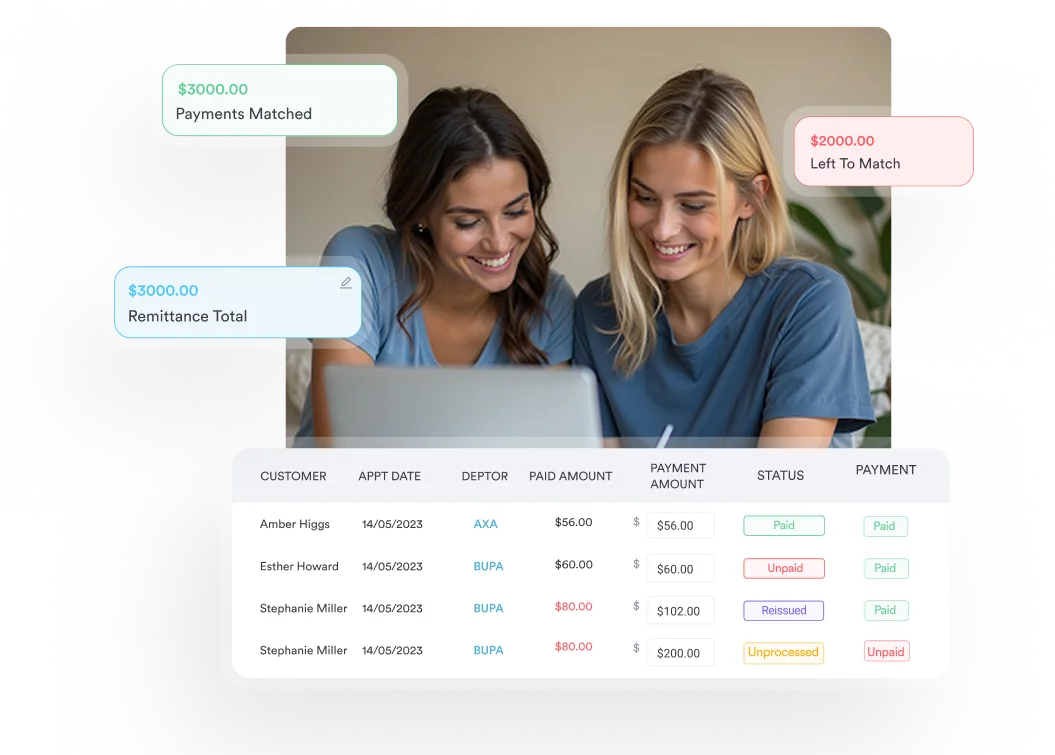
Medicare reimbursement rates for HCPCS code A4357 are set annually by CMS and vary by geographic jurisdiction. Rates are published in the CMS Physician Fee Schedule lookup tool and the DME fee schedule. As a supply code, A4357 is reimbursed at the fee schedule allowable, not based on resource-based relative value units (RVUs).
Payment is made to the enrolled DME supplier, subject to the beneficiary’s Part B deductible and 20% coinsurance. Commercial insurers typically follow the Medicare fee schedule as a reference point but may negotiate different rates. Always verify current rates with your DME MAC or the CGS Medicare coding verification resource for your jurisdiction before relying on older fee schedules.
Check CGS Medicare’s PDAC (Pricing, Data Analysis and Coding) database before billing A4357 for a new product line. PDAC verification confirms whether a specific bag model meets the code definition, which protects suppliers from post-payment audits where the physical product doesn’t match the billed code.
LCD L33803 establishes quantity limitations for the urinary drainage collection system. These limits govern how many units of HCPCS code A4357 Medicare will cover within a defined period. Exceeding the stated quantities without additional documentation triggers automatic denial or a request for additional information from the DME MAC.
For routine use, Medicare generally allows up to two bedside drainage bags (A4357) per month. That is the quantity most DME MACs and published fee schedules apply to A4357 without additional review, so billing more than two in a month is what typically triggers a request for records or an automatic denial.
Quantity allowances under LCD L33803 also differ depending on whether the patient uses an indwelling catheter system or an intermittent catheterization protocol. For indwelling catheter users, routine drainage bag changes are covered at clinically appropriate intervals as defined in the LCD. Suppliers must document the change frequency in the patient’s order and maintain a delivery log that reflects actual units dispensed. A4357 itself does not require prior authorization under the Urological Supplies policy, so clean documentation on file is what protects the claim. Missing a provider identifier or a diagnosis code sends a reimbursement claim straight back, so a reimbursement receipt lists both.
When clinical circumstances require quantities above the stated limit (for example, patients with documented recurrent urinary tract infections requiring more frequent bag changes), suppliers can submit a detailed written justification with supporting physician documentation. Maintaining organized medical forms and documentation at the point of care helps streamline these exceptions when they arise.
For practices that coordinate with DME suppliers, a structured prior authorization and documentation workflow reduces the back-and-forth that delays coverage approvals. The same documentation discipline that applies to specialty coding applies equally to HCPCS supply codes: more upfront detail prevents downstream denials.
Billing HCPCS code A4357 accurately comes down to three things: correct supplier type on the claim, clean documentation supporting medical necessity, and understanding what’s already bundled. The A4331 extension tubing rule catches suppliers every year, and the A4357 vs. A4358 distinction causes consistent audit flags when the code doesn’t match the patient’s clinical presentation.
Practices managing patients who rely on urological supplies benefit from integrated documentation and claims management tools that connect clinical records to billing submissions. Pabau’s practice management platform helps healthcare teams maintain the organized patient records and audit-ready documentation that support accurate HCPCS billing. Book a demo to see how Pabau handles clinical documentation workflows end to end.

Billing respite care services under Medicaid? Out-of-home respite care billing covers H0045 rates, modifiers, and the documentation auditors expect.
Billing an alcohol or drug screening code? Alcohol and drug screening billing covers H0049, billed as a single unit with no time increment.
Billing a prenatal at-risk education code? Prenatal at-risk education billing covers H1003, with units, modifiers, and rates set state by state.
HCPCS code A4357 is a Level II supply code that describes a bedside drainage bag, day or night, with or without anti-reflux device, with or without tube, billed per unit. It is used by enrolled Medicare DME suppliers to bill for urinary drainage bags provided to beneficiaries with incontinence, retention, or obstruction.
No. A4357 is a DME supply code billed exclusively by enrolled Medicare DME suppliers, not by physicians or hospitals on professional or facility claims. Physicians support the claim by providing the written order and documentation of medical necessity, which the DME supplier includes in their billing file.
No. Per CMS Policy Article A52521, extension tubing billed as A4331 is included in the A4357 allowance and must not be separately billed. Billing both on the same claim will result in denial of A4331 as a bundled service. A4331 may only be separately billed when used with a latex urinary leg bag (A5112).
A4357 covers a bedside drainage bag designed for stationary or bedridden patients. A4358 covers a urinary drainage bag worn on the leg or abdomen with straps, designed for ambulatory patients. The correct code depends on the patient’s mobility level and the bag type actually dispensed.
The most common supporting ICD-10-CM diagnosis codes are N39.3 and N39.4 (urinary incontinence), R33.9 (urinary retention, unspecified), N13.9 (obstructive uropathy), and N40.1 (benign prostatic hyperplasia with lower urinary tract symptoms). Always confirm the accepted codes against the current LCD L33803 for your DME MAC jurisdiction.
A4357 is a HCPCS Level II code, not a CPT code, even though the A4357 CPT code description is a common search. CPT (Level I) codes describe physician procedures, while HCPCS Level II codes describe supplies and equipment like a bedside drainage bag. Submit A4357 as a HCPCS code on the DME claim.
Medicare generally covers up to two bedside drainage bags per month for routine use under LCD L33803. Quantities above that need documentation of a clinical reason for more frequent changes, such as recurrent urinary tract infections, along with the treating physician’s supporting notes.
Under LCD L33803, append the KX modifier to A4357 to confirm the coverage criteria (permanent urinary incontinence or retention, with documentation on file) are met. The GA, GZ, and GY modifiers indicate coverage or liability status when a denial is expected. Missing the required KX modifier is a common reason A4357 claims are rejected.



