







CPT Code 58611: Tubal ligation at cesarean section
CPT Code 58611: definition, section, and add-on status CPT Code 58611 describes ...

Last Updated: Sep 18, 2026

CPT code 99454 pays for the remote monitoring device itself, plus the daily readings or alerts it sends, across each 30-day period. One rule decides the claim. The device has to record or transmit data on at least 16 of those 30 days.
Months that fall short used to go unbilled. From 2026 they move to CPT code 99445 instead, which covers 2 to 15 days of data at roughly the same rate.
Medicare pays about $52 per 30-day period nationally for 99454, and an active panel bills it again every month. What follows is the rate, who may bill, the consent rule, and the denials worth heading off.

CPT code 99454 covers the supply of a remote monitoring device and its data transmission for each 30-day period.
The device must record or transmit data on at least 16 of the 30 days before the claim can go out.
The 2026 Medicare national rate sits at roughly $52 per 30-day period, and your locality rate will differ.
New for 2026, CPT code 99445 covers a period that captured only 2 to 15 days of device data.
Practice management software like Pabau pre-fills the claim from the patient record and submits it through our Claim.MD integration.
CPT code 99454 pays for the device and the data, not for anyone’s time. The AMA-maintained descriptor reads “device supply with daily recordings or programmed alert transmissions, digitally stored and/or transmitted, each 30 days”. So the claim covers the equipment in the patient’s home and the stream of readings coming back from it.
That is why it can be billed again and again. As long as the patient keeps monitoring and the data keeps arriving, a new 30-day period starts and 99454 is billable once more. The clinician’s review time is paid separately, under the management codes further down this page.
Four conditions have to be satisfied before a 99454 claim goes out, and the day count is the one practices trip over. Miss any of the other three and the claim is just as vulnerable in an audit.
A qualifying day is any calendar day on which the device records or transmits at least one data point. A day the device failed to sync does not count. Neither does a day the patient left the cuff in a drawer, however good the reason.
That makes the day count something to watch during the period rather than after it. The chart below shows where each threshold lands.
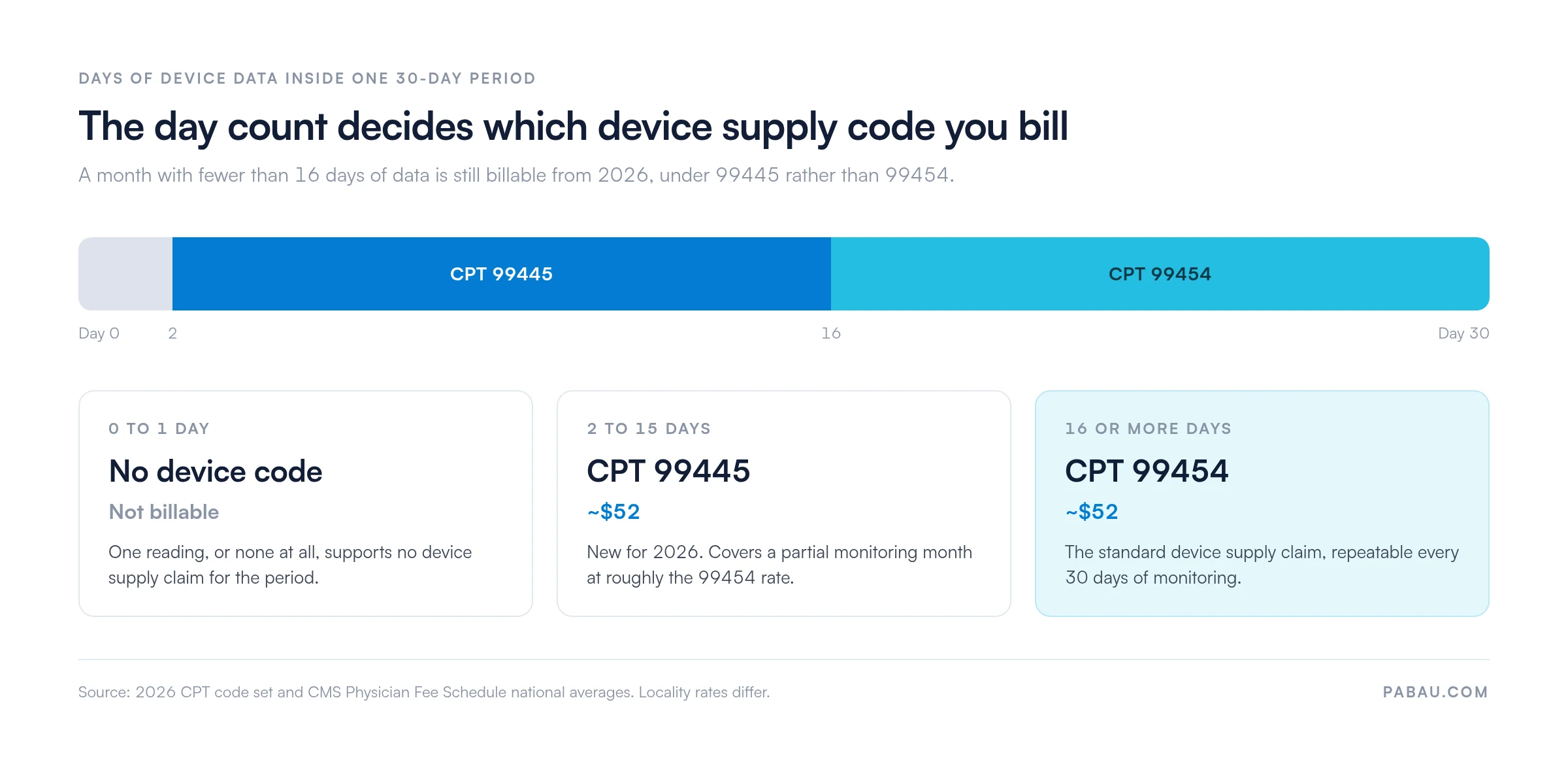
Reaching day 28 with 13 days logged used to mean the period was written off. Now it means 99445 instead of 99454. The habit worth building is still the same. Check the count around day 20, while a call to the patient can still rescue the higher code.
The 2026 national Medicare rate for CPT 99454 is roughly $52 per 30-day period under the CMS Physician Fee Schedule. Published lookups land between $47 and $52 depending on the source and the year cited, so treat $52 as the ceiling of the national range.
Your own number will differ. The Geographic Practice Cost Index adjusts every rate by locality, which lifts payment in Manhattan or San Francisco and trims it in rural counties. Run the fee schedule search for your locality before you model RPM revenue, and re-run it each January when the final rule lands.
Rates are approximate national Medicare figures and move with GPCI locality. Verify each one in the CMS Physician Fee Schedule before billing. Commercial payer coverage and rates for RPM are set by plan and contract.
Physicians, nurse practitioners and physician assistants can bill 99454, provided they have ordered the monitoring and hold an established relationship with the patient.
Per HHS telehealth guidance, the ordering clinician must already have treated the patient for the condition being monitored. Only one practitioner may bill RPM for that patient in a 30-day period.
Auxiliary staff can run the day-to-day device work under general supervision, which means the supervising physician does not have to be in the building.
Being reachable by phone or electronic means is enough. So a medical assistant can chase a patient whose cuff stopped syncing while the billing clinician keeps responsibility for the order.
Incident-to billing applies when that staff member delivers the service under supervision and the claim goes out under the physician’s NPI. The roles break down like this.
CPT code 99454 rarely travels alone. The American College of Physicians sets out how the codes work together across setup, device supply and clinical time. Bill only the device and you leave the management payment behind. Bill only the management codes and an auditor will ask what device produced the data.
CPT 99453 is the one-time setup code covering patient education and device onboarding. It is billed at the start of a program and cannot be repeated for the same patient.
Once setup is done, 99454 takes over and recurs every 30 days. Both codes can appear in the first period, with 99454 held back until 16 days of data are in.
CPT 99457 covers the first 20 minutes of RPM management per calendar month, including at least one interactive conversation with the patient or caregiver. Each further 20 minutes is billed as 99458. Both need a qualified healthcare professional rather than auxiliary staff.
Worth knowing: the 16-day minimum does not reach these codes. A thin data month can still carry management time, provided the interactive contact happened.
The 2026 CPT set added two codes that soften the old thresholds. CPT 99445 covers device supply for a period holding 2 to 15 days of data, at roughly the 99454 rate. CPT 99470 pays for the first 10 to 19 minutes of management time, below the 20 minutes that 99457 demands.
Together they make short and low-intensity monitoring viable. A patient who only wears a device for a fortnight after discharge is now a billable episode rather than an awkward write-off.
Bill 99453 once at program start, then the device supply code that matches the day count for each period. Add 99457 in any calendar month a qualified professional spends 20 minutes or more on management. Use 99470 when the time lands between 10 and 19 minutes. That combination captures the payment an active monitoring patient is worth.
CMS wants documented patient consent before any RPM service starts, device supply included. It has to be captured before the first 30-day period opens, not tidied up afterwards. A claim with no consent record behind it can be denied at submission or recouped years later at audit.
Verbal consent is acceptable if the clinician records the date, the time and a short note of what was discussed. Written consent gives you more to stand on when an auditor asks. Either way, the record needs to sit somewhere a colleague can find it in under a minute.
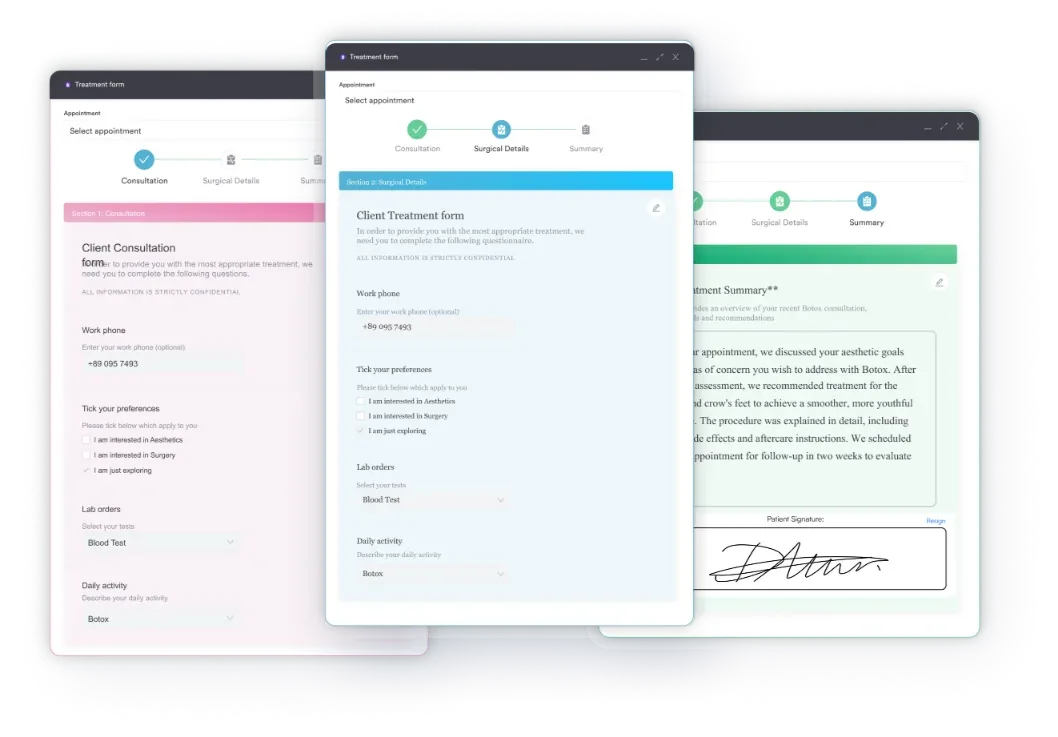
A 99454 claim is assembled from three separate records: the order, the consent, and the device’s own transmission log. Knowing where each one comes from is what makes the difference between a claim that pays and one that bounces.
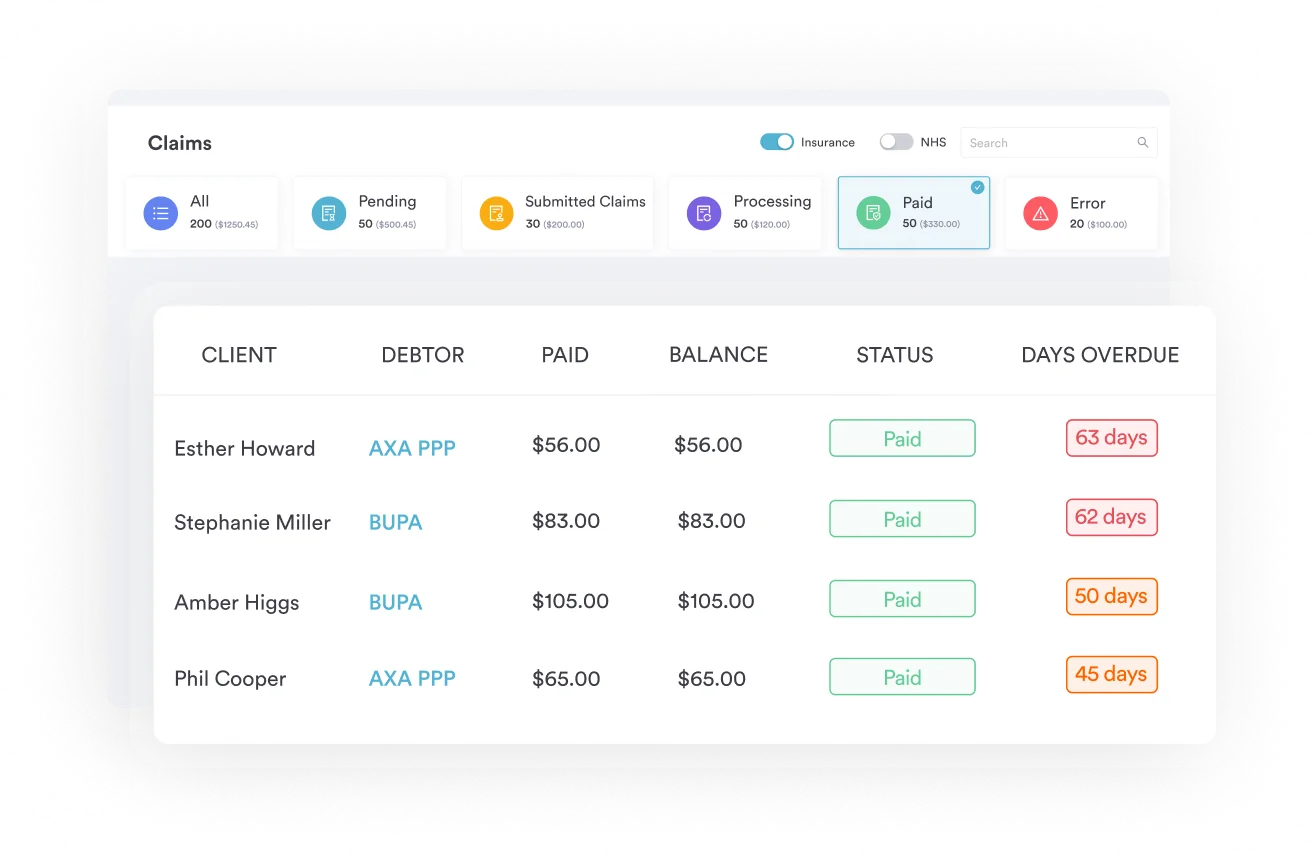
Five questions, asked in order, catch nearly every preventable 99454 denial.
Clearing all five is what turns a submission into a clean claim, and clean claims pay weeks sooner than reworked ones. Build the questions into the billing queue rather than leaving them to memory on a busy Friday.
Write the monitoring start date into the chart on day one and let it drive every date after it. Period-date denials usually trace back to a claim filled in from the calendar month. That quietly shifts the window by a week or more.
Five patterns account for the bulk of rejected 99454 claims. Read the denial codes your clearinghouse returns before reworking the claim, because the reason code tells you whether the problem is documentation or dates.
Denials in this code rarely arrive one at a time. A team that gets the period dates wrong tends to get them wrong across the whole panel. Treat a single rejected claim as a sample, not an incident.
One monitoring period is easy to track. Fifty of them, each with a separate start date, day count and consent record, is where billing teams lose their afternoons. That volume is the point at which a spreadsheet gives way to claims software for practices.
Pabau, our practice management software, keeps the claim beside the record it came from. The CPT code attached to the service lands on the charge line, and ICD-10 slots are seeded from the patient’s recorded problem list. Required fields are checked before the send button unlocks, so a claim missing an authorization number stays put.
From there, US claims reach Medicare and commercial payers through our Claim.MD integration. Eligibility is checked in advance, remittances post back against the invoice, and claim status is visible without a call to the payer. Practices billing elsewhere route through Healthcode in the UK or Tyro Health in Australia.

Pabau pre-fills the claim from the encounter, checks that required fields are complete, and submits to Medicare and commercial payers through our Claim.MD integration. Consent and orders stay attached to the record, so an audit request takes minutes rather than days.

The 2026 code set made 99454 less of a cliff edge. A short monitoring month is now a different code rather than lost revenue, which takes some of the pressure off the day count. It does not take away the need to watch it.
What still decides the claim is the paperwork behind it. An order naming the condition, a consent note dated before day one, and period dates tied to the monitoring start will survive an audit. A panel tracked on a spreadsheet eventually will not.
Is your RPM program growing faster than the billing process behind it? Book a demo and see how Pabau assembles 99454 claims straight from the patient record.

Need to understand the clearinghouse behind your RPM claims? Our Claim.MD clearinghouse guide explains how electronic claims reach Medicare and commercial payers after submission.
Getting denials on RPM claims and not sure why? Denial codes in medical billing breaks down the CARC codes your clearinghouse returns and how to answer them.
Want to see how the 837P transaction carries an RPM claim? Our 837 file guide walks through the EDI format that takes your CPT 99454 claims to payers.
Reading the payer’s answer to a 99454 claim? Electronic remittance advice explains how to read an ERA and post it against the right invoice.
Enrolling a new monitoring patient this week? Insurance eligibility verification covers the checks worth running before the device leaves your office.
No. Only one practitioner may bill remote physiologic monitoring for a patient in a given 30-day period. Practices that share a patient should agree up front on who owns the RPM claim.
No. The 16-day minimum sits with the device supply codes. The management codes are paid on clinician time and at least one interactive contact, so they can still be billed in a thin data month.
No. Remote physiologic monitoring and remote therapeutic monitoring cannot be billed for the same patient in the same period. Choose the family that matches what the device measures.
Per patient. One device supply claim covers the 30-day period however many devices the patient uses. Issuing a second device does not open a second billable period.
Coverage varies. Medicaid sets RPM policy state by state, and commercial coverage depends on the plan contract. Check the payer’s policy before enrolling a non-Medicare patient.
Yes. Remote physiologic monitoring requires an existing patient-provider relationship, so the ordering clinician must already have treated the patient. Remote therapeutic monitoring does not carry that condition.