CPT code 36468: Injection sclerotherapy of telangiectasia billing guide
CPT code 36468 covers spider veins on a limb or the trunk CPT code 36468 reports...

Last Updated: Nov 13, 2026
N2780 is the CCSD code for operation for Peyronie’s disease (e.g. Nesbitt’s). It covers Nesbit’s operation and comparable tunical plication, which shorten the tunica albuginea on the side opposite the plaque to straighten the penis.
Plaque incision with a graft is billed as N2781 instead. UK private medical insurers set their own surgeon fee for N2780, from £475 at Bupa to £663 at National Friendly.
Let Pabau's smart automation suggest the right codes, reduce claim denials, and keep your practice compliant—effortlessly.
Automate repetitive tasks and focus on what matters most—your patients.
Reduce coding errors and ensure compliance with the latest regulations.
Clean claims, fewer denials, and faster reimbursements.
Powerful insights and reporting to help your practice thrive.
HIPAA compliant SOC 2 certified GDPR-compliant Trusted by 4,000+ clinics worldwide

CCSD Code N2780 covers the Nesbit technique and comparable tunical plication procedures for Peyronie’s disease (ICD-10: N48.6).
Surgical intervention is typically indicated only after disease stabilisation, documented curvature impairing intercourse, and failure of conservative therapy.
UK private medical insurers such as Bupa, AXA Health and WPA usually require pre-authorisation for N2780. Send the specialist letter, curvature evidence and conservative treatment history with the request.
Pabau’s claims management software keeps N2780, the ICD-10 code and the authorisation number on one claim, and submits it to UK insurers through Healthcode.
CCSD Code N2780 is the UK private-insurance code for an operation to straighten the penis in Peyronie’s disease, such as Nesbit’s operation or tunical plication.
Its official descriptor, as listed in AXA Health’s specialist code schedule, reads Operation for Peyronie’s disease (e.g. Nesbitt’s). The code sits in chapter 12 of the CCSD Schedule (Urinary system and male reproductive organs), under the Genitalia sub-chapter.
The reference to Nesbit’s operation brings comparable plication techniques for the same indication within the code’s scope. The operative report must confirm the tunica albuginea was shortened on the side opposite the plaque.
The Clinical Coding & Schedule Development group (CCSD) maintains the schedule of codes used by UK private medical insurers and updates it through the year. CCSD publishes codes, not fees. Each insurer sets its own fee for N2780 in pounds sterling, so the amount you can invoice depends on the patient’s insurer.
The figures come from the Bupa Schedule of Procedures (15 October 2026), the AXA Health specialist fee schedule and the National Friendly schedule of fees. Insurers revise their schedules regularly, so check the current figure before you invoice.
The Nesbit technique corrects penile curvature by removing an ellipse of tunica albuginea on the side opposite the Peyronie’s plaque. That shortens the healthy side to match the fibrous plaque side. The result is a straight but marginally shorter erection.
Tunical plication reaches the same result without excising tissue. The surgeon gathers the tunica with permanent sutures instead, which corrects the curvature without removing any tunica albuginea. Both approaches are captured by N2780 because the clinical objective and operative endpoint are identical.
A coder reviewing an operative report for N2780 should confirm all of the following are described:
If the report describes plaque incision plus graft placement, the procedure is Lue’s procedure, not a Nesbit or plication. N2780 is then the wrong code; use N2781.
Peyronie’s disease surgery is indicated once the condition has stabilised and conservative management has failed. Urologists typically operate once the plaque and curvature have been stable for several months, in line with European Association of Urology guidance. That is usually 12 months or more after onset.
The curvature must make intercourse impossible or significantly painful. Non-surgical options such as intralesional injections, traction or vacuum therapy should have failed, or be documented as unsuitable.
Erectile function adequate for intercourse is a standard prerequisite for a Nesbit-type correction. Patients with severe erectile dysfunction alongside Peyronie’s disease are usually better served by a penile prosthesis than by N2780.
Coders should confirm that the clinical information sent with the pre-authorisation request documents all three criteria. A request without evidence of disease stability or conservative treatment failure is a common reason for an insurer to decline cover. A specialist letter template that prompts for onset date, curvature and prior treatment puts all three criteria in every request.
Every N2780 claim must carry at least one ICD-10 diagnosis code. The mandatory primary code is N48.6. The table below lists the codes most commonly linked to N2780 claims and when each applies.
N48.6 must always appear as the principal diagnosis on the claim form. Comorbidity codes such as N48.4 are listed as secondary. Submitting N48.4 as the primary code is a common coding error that prompts a rejection. The insurer reads the claim as an erectile dysfunction procedure, not a Peyronie’s correction.
Run a pre-submission check: confirm N48.6 is in the principal diagnosis field before the claim leaves the practice. A single transposed code on an N2780 claim can lead to a rejection that takes weeks to resolve through an appeal.
N2780 is one of several Peyronie’s and penile codes in the Genitalia sub-chapter, and our CCSD code library lists the rest. The table below maps the adjacent codes most often confused with N2780. For fee schedules across UK insurers, see our CCSD billing guide.
Confirm each adjacent code against the current CCSD Schedule and the insurer’s own schedule before you submit. Codes are added, revised and retired during the year.
Penile operations for other conditions sit in the same Genitalia sub-chapter. Partial amputation of the penis, for example, is N2620, and total amputation is N2610. Excision of a lesion of the penis is coded N2710. A tight foreskin widened without excision is billed under CCSD code N3010. Reconstruction of the penis is billed under code N2820.
Penile fracture repair also closes a tear in the tunica albuginea. Because it treats an injury rather than a plaque, it is billed as N2880.
The chart below turns the table above into four questions to ask of the operative report.
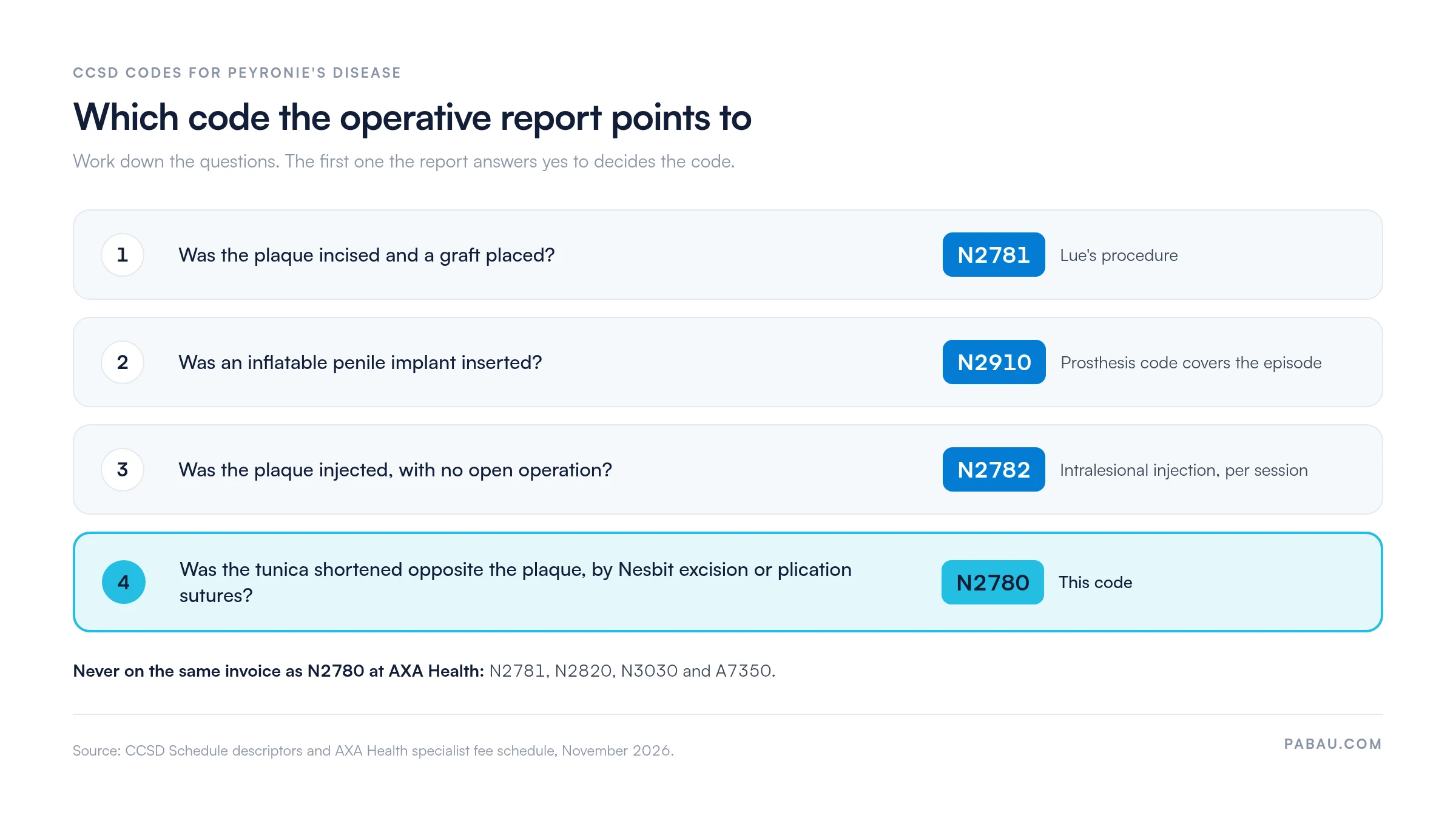
These rules cover what cannot sit on the same invoice as N2780:
Insurer auditors reviewing an N2780 claim look for a specific set of documents. Missing any one of them can be enough for the insurer to reject or claw back the claim. Using digital forms for pre-operative consent and post-operative notes reduces the risk of incomplete records reaching the insurer.
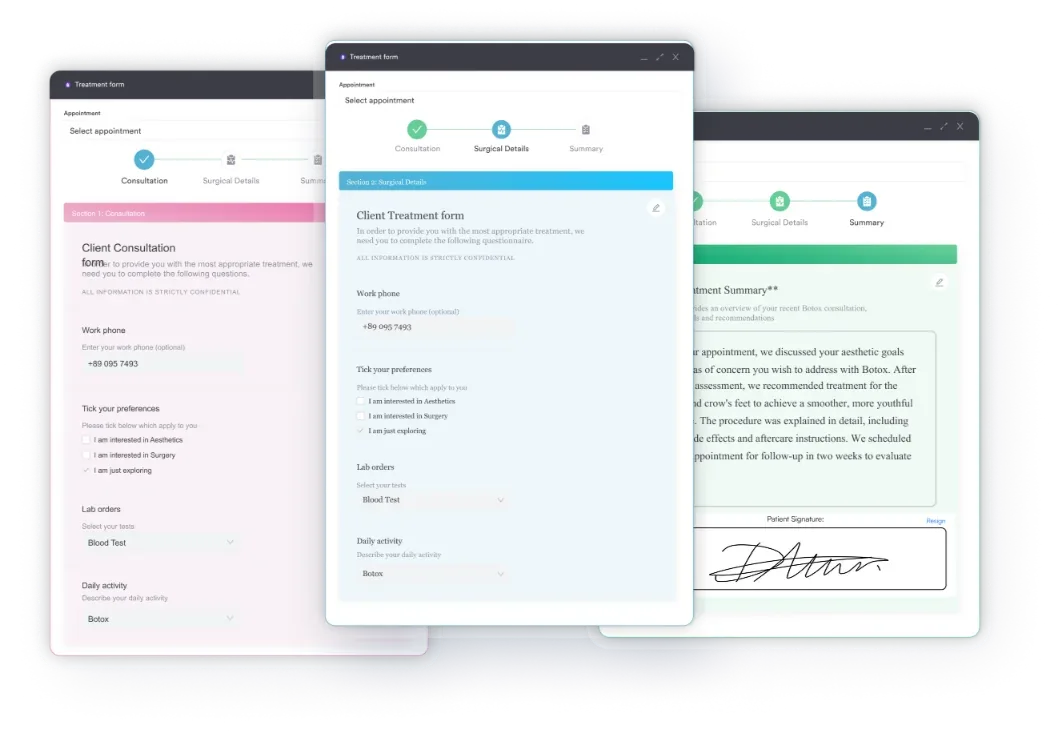
The minimum documentation set for a defensible N2780 claim includes the following elements:
UK private medical insurers generally require pre-authorisation for elective urology operations, and N2780 falls squarely in that category.
The patient usually obtains it from their insurer, often with details the consultant supplies. Requirements vary by insurer and policy, so treat the guidance below as common practice, not a guarantee.
Bupa, AXA Health, WPA, Vitality and National Friendly each run their own pre-authorisation process. Check the code’s status on Bupa’s code search portal or the relevant insurer’s provider site before the operation is booked.
A standard clinical information package for N2780 pre-authorisation typically includes:
Response times vary by insurer and policy. Record the authorisation number and include it on the invoice. Claims submitted without an authorisation number where one is required are routinely rejected.
N2780 is a theatre procedure performed under general or spinal anaesthetic. The anaesthetist invoices the insurer separately, using the same CCSD code against the insurer’s anaesthetist fee: £222 at Bupa and £213 at AXA Health. The surgeon does not include the anaesthetic in the N2780 claim.
The following items are commonly billed alongside N2780. Confirm each against the current CCSD Schedule and the hospital’s billing policy before use. Healix’s fee schedule guidelines illustrate how supplementary codes and unbundling rules are applied in private insurer contexts.
Never bundle the anaesthetist’s charges into the surgeon’s N2780 claim. Insurers check each invoice against their schedule, and a combined claim is likely to be rejected rather than part-paid.
Confirm with the facility administrator whether consumable sutures are captured on the theatre cost sheet or billed directly by the surgeon. Duplicate consumable billing between the hospital and the surgeon’s claim is a consistent denial trigger for N2780 and other urology theatre codes.
Rejected N2780 claims share a small set of recurring root causes. The table below maps each denial reason to the corrective action that prevents it at submission.
Accurate N2780 billing depends as much on the workflow inside the practice as on the clinical documentation. A practice management system that holds CCSD codes, ICD-10 codes and pre-authorisation records in one place cuts transcription errors. It also speeds up the claim cycle.
Pabau’s claims management software helps UK urology practices build an N2780 claim correctly from the first booking. Claims go to Bupa and other UK insurers through Pabau’s Healthcode integration, and you track their status in the same place. Pabau does not choose the code, so the operative-note checks above still apply.
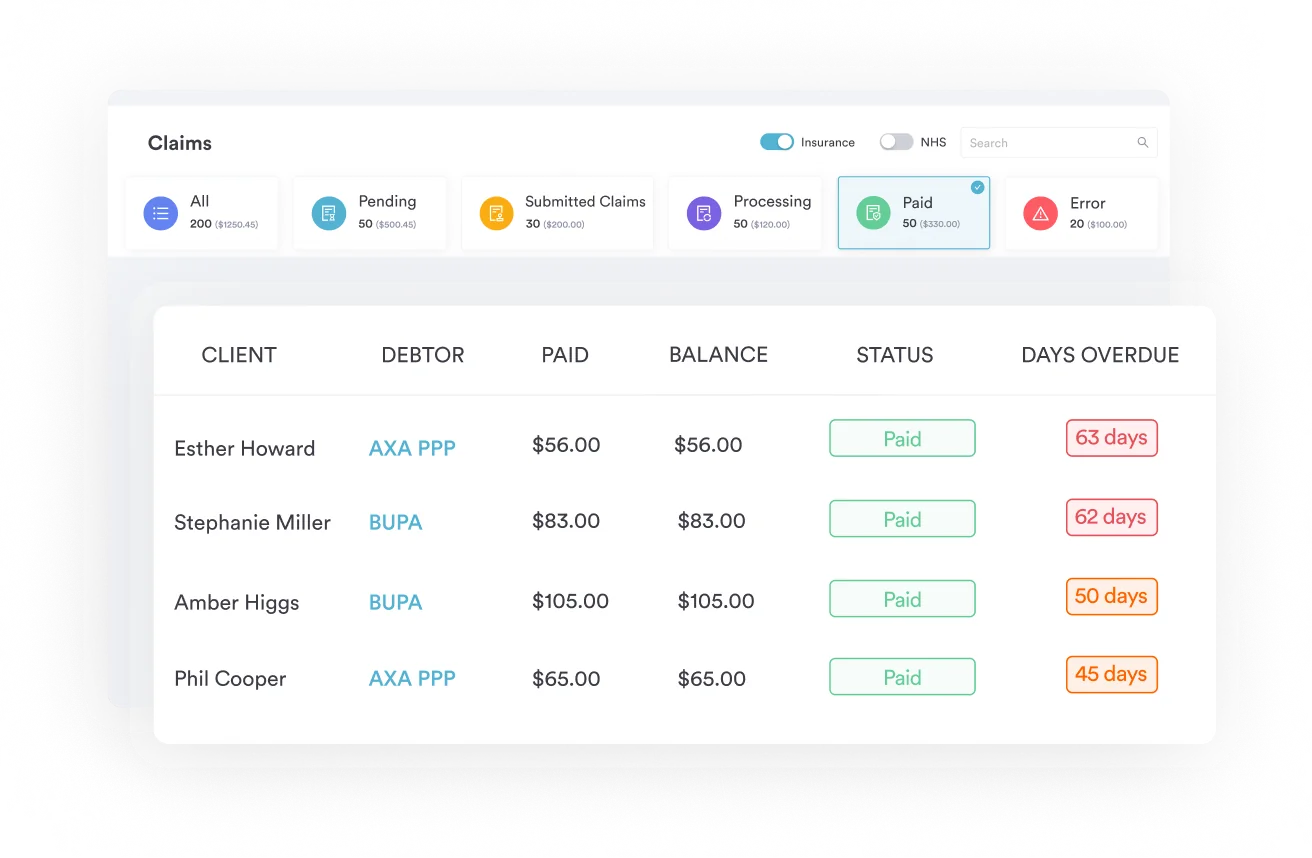
A clean N2780 submission workflow in practice management software follows these steps:

Pabau links ICD-10 codes to CCSD procedure codes and stores the authorisation number against each booking. Claims go to UK insurers through Healthcode.

CCSD Code N2780 is the right code when the operative report shows the tunica shortened opposite the plaque, by excision or by plication. A graft, an implant or an injection-only session each moves the claim to a different code. Read the report against those three before N2780 goes on the booking, not after the claim comes back.
The fee is the other half of the decision. Bupa, AXA Health and National Friendly pay surgeons between £475 and £663 for the same operation, so check the patient’s insurer before you quote.
To see how Pabau keeps the CCSD code, diagnosis and authorisation number on one claim, book a demo with the team.

Checking what Bupa pays for other urology codes? The Bupa procedure codes and fee schedule guide links each code to its published fee so you can spot shortfalls before you invoice.
Choosing software to bill UK insurers? Our roundup of the best medical billing software in the UK compares tools for insurer claims, invoicing and payment tracking.
CCSD Code N2780 covers the surgical correction of Peyronie’s disease using the Nesbit technique or a comparable tunical plication approach. The surgeon shortens the tunica albuginea on the side opposite the plaque to straighten the erect penis. It does not cover plaque excision with grafting, penile prosthesis implantation, or non-surgical injection therapy.
Yes. The CCSD descriptor uses the phrase “e.g. Nesbitt’s.” Comparable plication techniques that achieve the same result therefore fall within the code’s scope. The operative report must describe the plication method and confirm no graft was placed.
N48.6 (Induratio penis plastica) is the mandatory principal diagnosis code for every N2780 claim. Comorbidity codes such as N48.4 for erectile dysfunction may be listed as secondary diagnoses if clinically relevant. N48.6 must always appear in the principal diagnosis field.
Most UK private medical insurers, including Bupa and AXA Health, require pre-authorisation for elective urology operations such as N2780. Requirements vary by insurer and policy. Confirm cover before the operative date, then include the authorisation number on the invoice.
The most frequent denial reasons are a missing authorisation number and N48.4 listed as the principal ICD-10 code instead of N48.6. Others are an operative report that does not name a plication or Nesbit technique, and N2780 used for a grafting procedure that should carry N2781.
Only if the operative report shows that a tunical plication and a prosthesis implantation were performed as distinct procedures in the same operation. In most cases, prosthesis implantation removes the need for a Nesbit correction. Discuss dual billing with the insurer before the operation, as insurer rules vary and some do not allow these codes together.