CCSD code L6530: Revision femoral bypass graft
CCSD code L6530: Definition and clinical scope CCSD code L6530 carries the offic...

Last Updated: Nov 13, 2026
N2710 is the CCSD code for excision of lesion of penis, the surgical removal of a lesion from the penis. UK private medical insurers that use the CCSD schedule accept it for this procedure, and it sits in Chapter 12, sub-chapter 12.6.0.
The CCSD lists six unacceptable combinations with N2710: N2782, N2820, N3020, N3030, N3031 and N3210, which is biopsy of lesion of penis. If one of those procedures also took place, check the schedule before the claim goes out.
Let Pabau's smart automation suggest the right codes, reduce claim denials, and keep your practice compliant—effortlessly.
Automate repetitive tasks and focus on what matters most—your patients.
Reduce coding errors and ensure compliance with the latest regulations.
Clean claims, fewer denials, and faster reimbursements.
Powerful insights and reporting to help your practice thrive.
HIPAA compliant SOC 2 certified GDPR-compliant Trusted by 4,000+ clinics worldwide

CCSD code N2710 is excision of lesion of penis, billed to UK private medical insurers that use the CCSD schedule.
The CCSD lists six unacceptable combinations with N2710: N2782, N2820, N3020, N3030, N3031 and N3210.
N3210 is biopsy of lesion of penis, so a biopsy line and an N2710 line never share one claim.
The operation note should state excision, the lesion’s site and size, and whether a specimen went to histology.
The CCSD Group sets codes and narratives, not fees, so each insurer decides what N2710 pays.
CCSD code N2710 is the code for excision of lesion of penis. The CCSD’s code details page lists it under that narrative, along with the six codes that can’t be billed with it. Use it when a surgeon removes a lesion from the penis and the procedure is billed to a UK private medical insurer.
CCSD stands for Clinical Coding and Schedule Development. The group behind it includes Aviva, AXA Health, Bupa and Vitality, and it maintains one shared schedule of procedure codes.
Each code carries one narrative, so the surgeon, the hospital and the insurer describe the same operation in the same words. Neighboring entries are in our CCSD code library. Foreskin operations sit close by, such as preputioplasty under code N3010, which widens a tight foreskin without removing it.
The full coding principles for N2710 sit behind a member login on the CCSD site. Read them there before you code an unusual case.
The narrative describes the operation by what it achieves. The surgeon cuts the whole lesion out, rather than sampling part of it. That lesion might be a suspicious patch of skin, a cyst or a small growth on the shaft or glans. Repairing skin torn from the penis in an injury is a different operation, coded N2840. The testicular counterpart, excision of lesion of testis, is billed under CCSD N0700.
The procedure is often done under local anesthetic as a day case, though some patients need a general anesthetic. The wound is usually closed with stitches, and the tissue goes to the lab for histology.
That last step matters for billing. The histology report confirms what was removed, and an insurer may ask to see it if a claim is queried.
The CCSD lists six codes as unacceptable combinations with N2710. In other words, the schedule says none of them should be billed alongside it.
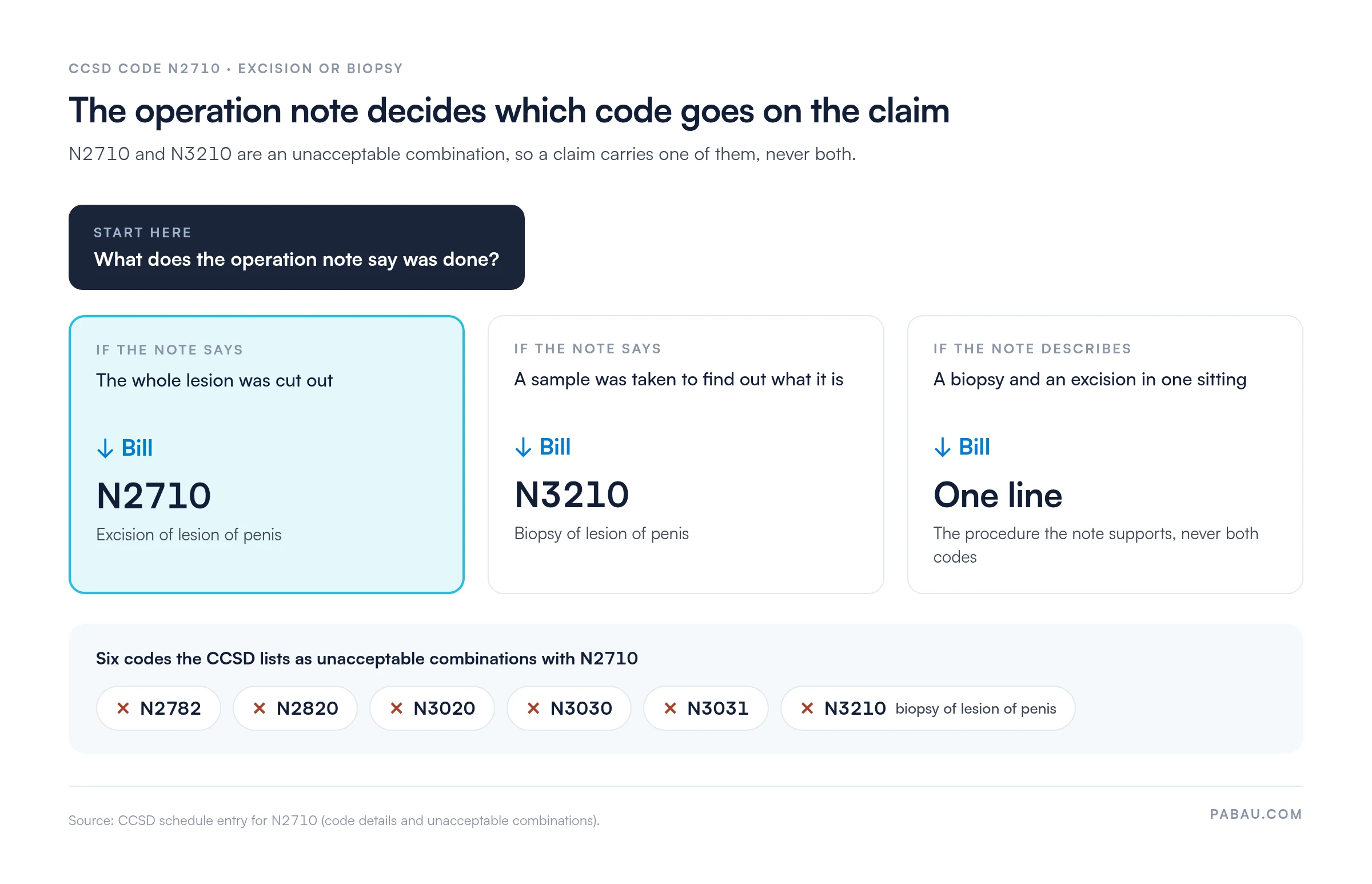
N3210 is the pairing to watch in day-to-day work. A biopsy takes a sample to find out what a lesion is, while an excision removes it. If both happened in one sitting, the claim can’t carry both codes, so code the procedure the operation note supports.
The diagram maps each wording in the note to the one code it supports.
Before you code a case with more than one procedure on the penis, look up the other five narratives in the schedule. The combination rules apply to each of them in the same way, and our N2820 guide covers one of them in detail.
Here is the usual route, step by step. Each hand-off is a point where the code, the authorization or the paperwork can drift apart.
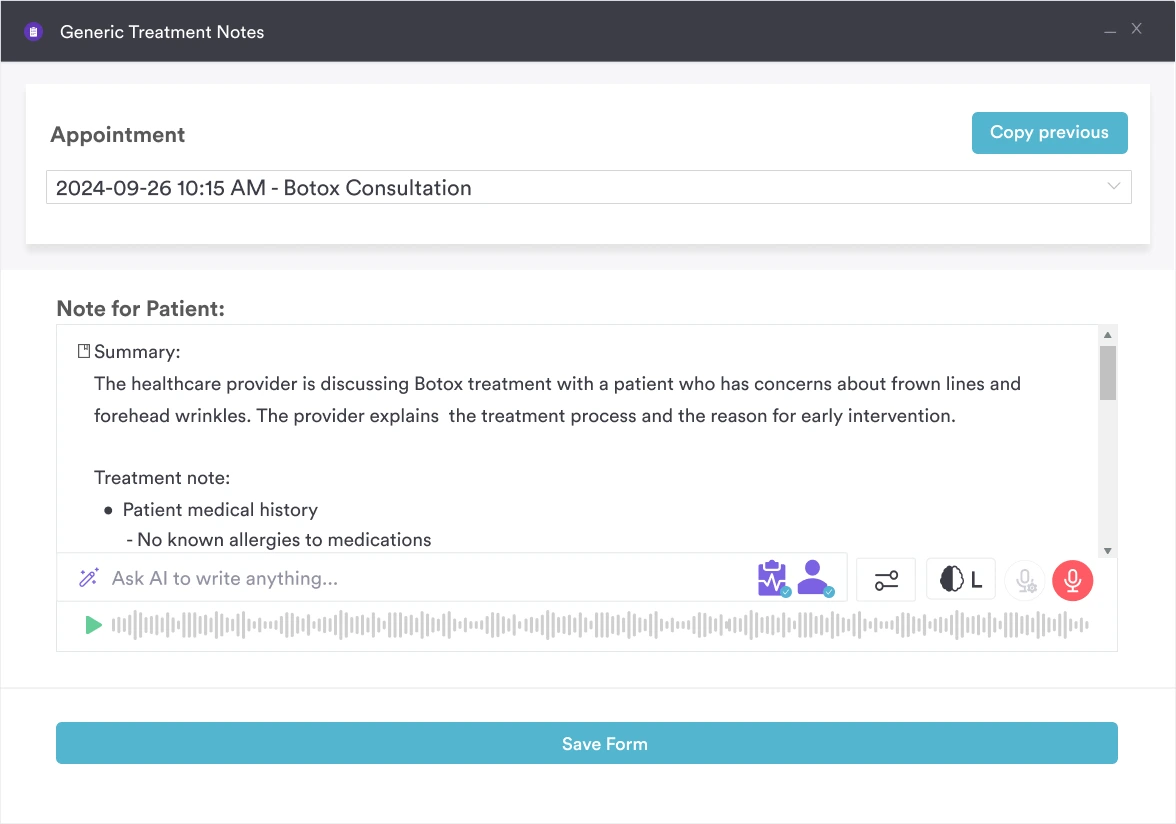
The note is what an insurer checks the code against. For N2710, it should record:
Take an illustrative case. A 58-year-old patient has a small raised lesion on the shaft of the penis that has grown over three months. The urologist recommends excision, and the insurer authorizes N2710.
On the day, the surgeon removes the lesion under local anesthetic and closes the wound with absorbable stitches. The note records the site, a 7 mm lesion and a specimen sent to histology.
The claim carries one line, N2710, with the authorization number. No biopsy code goes on it, because the lesion was excised outright. When the histology report comes back, it is filed on the patient record.
In many practices, the note sits in one system and the authorization number lives in an email. The invoice is then built by hand. That split is where codes and authorizations drift apart.
Pabau, the practice management platform we build, keeps the treatment note, the authorization reference and the CCSD-coded invoice on one patient record. Its claims management software sends claims to insurers through Healthcode, so the invoice goes out with the detail your note supports.
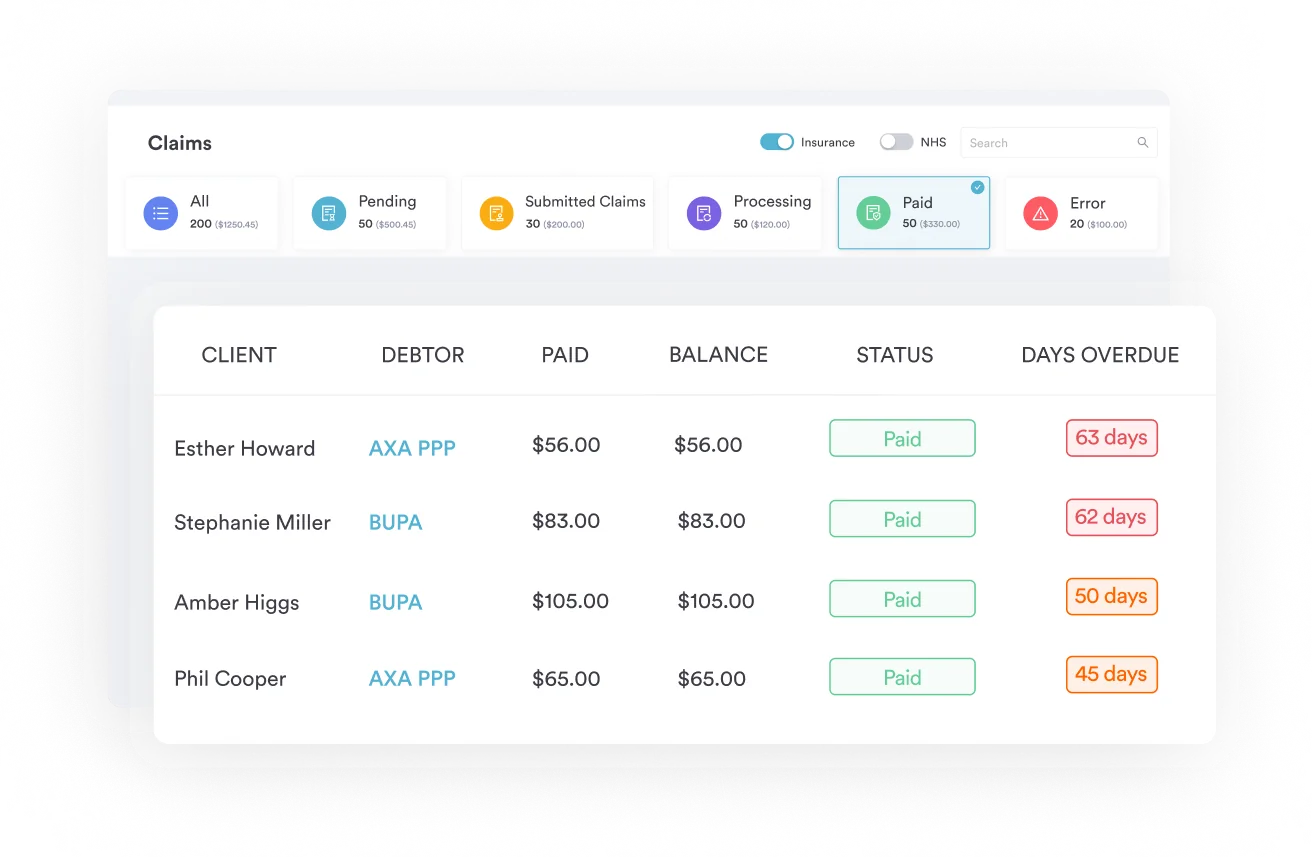
Your billing team spends less time matching paperwork, and more claims go out right the first time.

Pabau keeps the operation note, the authorization number and the CCSD-coded invoice on one patient record. Claims go to insurers through Healthcode with the detail they expect.

N2710 is a plain code with one trap. The narrative is simple, but six codes can’t sit beside it, and a biopsy line is the easiest of them to add by mistake.
Make the operation note say excision, match the code to the authorization and keep the histology on file. Do those three things and the insurer has little left to query.
Book a demo to see how Pabau links the operation note, the authorization and the invoice for every CCSD claim.

Need the wider CCSD picture? Bupa CCSD codes explains how the schedule is structured and used for private claims.
Chasing rejected or slow claims? Claims management software shows how Pabau tracks each claim from submission to payment.
Coding other penile procedures? CCSD code N2780 covers the operation for Peyronie’s disease and how to bill it.
Billing a penile repair instead? CCSD code N2880 explains the code for repair of injury to penis.
CCSD stands for Clinical Coding and Schedule Development. It is a group of UK private medical insurers, including Aviva, AXA Health, Bupa and Vitality, that maintains a shared schedule of procedure codes.
Each insurer sets its own fee. The CCSD Group decides codes and narratives, but it doesn’t determine reimbursement or fees. Check the insurer’s fee schedule, or ask when you request pre-authorization.
No. The CCSD schedule is built for private medical insurance claims. NHS hospitals record procedures using OPCS-4, the national classification of interventions and procedures.
Check the insurer’s terms. The code describes the operation, which the operation note already confirms, so the invoice often goes out before the report arrives. File the report when it does, because a queried claim may need it.