CCSD code L6530: Revision femoral bypass graft
CCSD code L6530: Definition and clinical scope CCSD code L6530 carries the offic...

Last Updated: Nov 13, 2026
N2840 is the CCSD code for repair of avulsion of penis. UK private medical insurers use it when a surgeon repairs a penis whose skin has been torn or degloved from the shaft. It is reconstructive trauma surgery, most often after a machinery accident.
The code sits in chapter 12 of the CCSD schedule, under sub-chapter 12.6.0 Genitalia, and Bupa grades it MAJOR 5. Repair of other penile injuries, such as a fracture or laceration, takes N2880 instead.
Let Pabau's smart automation suggest the right codes, reduce claim denials, and keep your practice compliant—effortlessly.
Automate repetitive tasks and focus on what matters most—your patients.
Reduce coding errors and ensure compliance with the latest regulations.
Clean claims, fewer denials, and faster reimbursements.
Powerful insights and reporting to help your practice thrive.
HIPAA compliant SOC 2 certified GDPR-compliant Trusted by 4,000+ clinics worldwide

CCSD code N2840 is repair of avulsion of penis, a reconstructive trauma operation in chapter 12 under Genitalia.
Bupa grades N2840 MAJOR 5, with a surgeon fee of £650 in its February 2026 schedule.
Most avulsions arrive as emergencies, so confirm the policy covers the admission before you build the claim.
Penile fracture and laceration repairs take N2880, and amputation takes N2610 or N2620.
The operation note must name the avulsed skin and how it was replaced, or the insurer may query the code.
CCSD code N2840 covers repair of avulsion of penis. A urologist or plastic surgeon puts it on the claim after repairing a penis whose skin has been torn away from the shaft. Surgeons often call this a degloving injury.
Avulsions usually follow an accident. Loose clothing caught in rotating farm or factory machinery is the textbook cause, and the skin can strip away in seconds. The repair restores skin cover so the penis can heal and function.
That makes N2840 reconstructive surgery for trauma, and the claim should describe it in those terms. The billing questions that matter are emergency cover, authorization timing and a precise operation note.
The code sits in chapter 12 of the CCSD schedule, Urinary system and male reproductive organs, under sub-chapter 12.6.0 Genitalia. UK insurers such as Bupa, AXA Health, Aviva and Vitality all bill against CCSD codes.
N2840 applies when the operation deals with skin that has been avulsed from the penis. In practice, that usually means one or more of these steps in the same operating session.
Some work sits outside the descriptor and needs its own thinking on the claim.
Grafts deserve a careful look. The skin chapter has separate graft codes, such as S3624 for a full thickness graft to the genitalia up to 9cm². Whether one can be claimed alongside N2840 depends on CCSD’s combination rules and the insurer. Check before you add it.
Insurers read the operation note to decide whether N2840 fits. Walking through a typical repair shows where each claim detail comes from.
Some patients need a second operation once the wound is clean. Treat each return to the operating room as its own episode, with its own codes and, where needed, its own authorization.
UK insurers expect the diagnosis as a WHO ICD-10 code. The US ICD-10-CM version, with its extra characters, does not apply here. These codes match the usual avulsion presentations.
Code from the operative findings rather than the admission note. An open wound code with no mechanism invites a query about why surgery was needed.
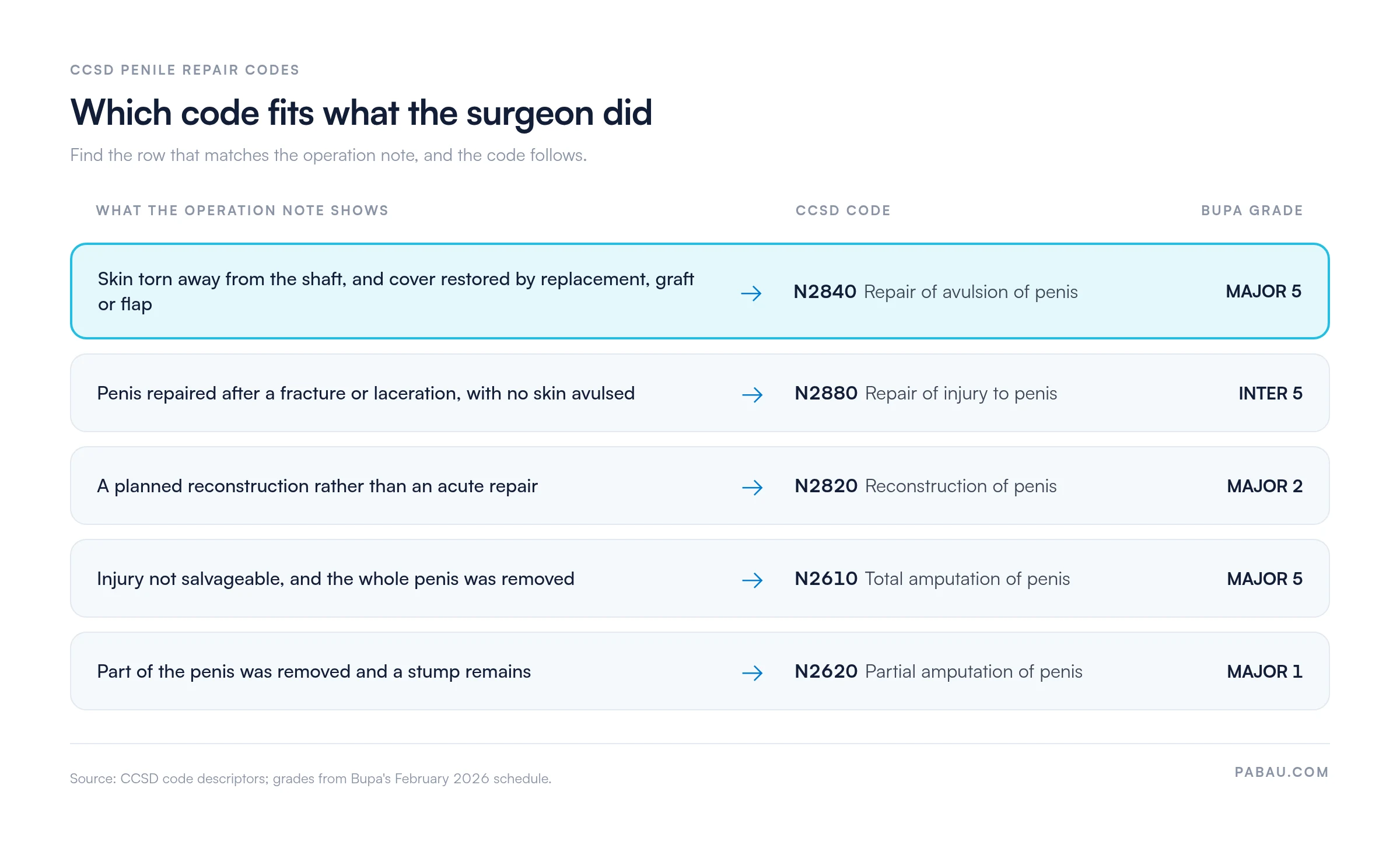
The Genitalia sub-chapter holds several penile codes with similar wording. Diagnostic sampling of a penile lesion has its own entry in the same sub-chapter, N3210. Foreskin operations sit there too, such as preputioplasty under code N3010. Frenuloplasty of the penis, which lengthens a short frenulum, is listed separately as code N2842. The table shows the ones most often confused with N2840, with Bupa’s February 2026 grades for comparison.
A simple test helps. If skin was torn away and the surgeon restored cover, it is N2840. If the penis itself was repaired, it is N2880. The chart below runs the same test across all five penile codes, starting from what the operation note shows.
Three accounts come out of one avulsion repair. Each follows the same path, so it helps to see it in order.
Bupa’s schedule lists N2840 as MAJOR 5, with a £650 surgeon fee as of February 2026. Other insurers set their own rates, and our Bupa fee schedule guide explains how the grades work. Confirm the current figure before quoting a patient.
If your fee is above the insurer’s rate, tell the patient in writing before treatment. The CMA’s private healthcare order expects consultants to share fee information in advance.
Most avulsions arrive through the emergency department (A&E), and many private medical insurance policies exclude emergency admissions. Plenty of these repairs therefore happen in the NHS, with no private claim to make.
When a patient is treated privately, call the insurer as early as you can. Ask whether the policy covers the admission and whether authorization can be given retrospectively. Record the name, time and reference of that call.
If cover is refused, agree self-pay terms with the patient before any planned second stage. That conversation is easier before surgery than after an invoice.
Here is how a claim might run for an illustrative patient. A farmer’s overalls catch in a power take-off shaft, stripping the skin from the penile shaft and part of the scrotum.
He is admitted to a private hospital that accepts his policy, and the team phones the insurer the same evening. The insurer confirms cover and issues an authorization number for N2840.
The note records an intact urethra, debridement, a split-thickness graft to the shaft and primary closure of the scrotal skin. The coder uses S31.2 and S31.3, with W31 as the cause. Before adding a graft code, the practice checks the insurer’s combination rules.
Rejections on this code follow a handful of patterns, and each one has a standard fix.
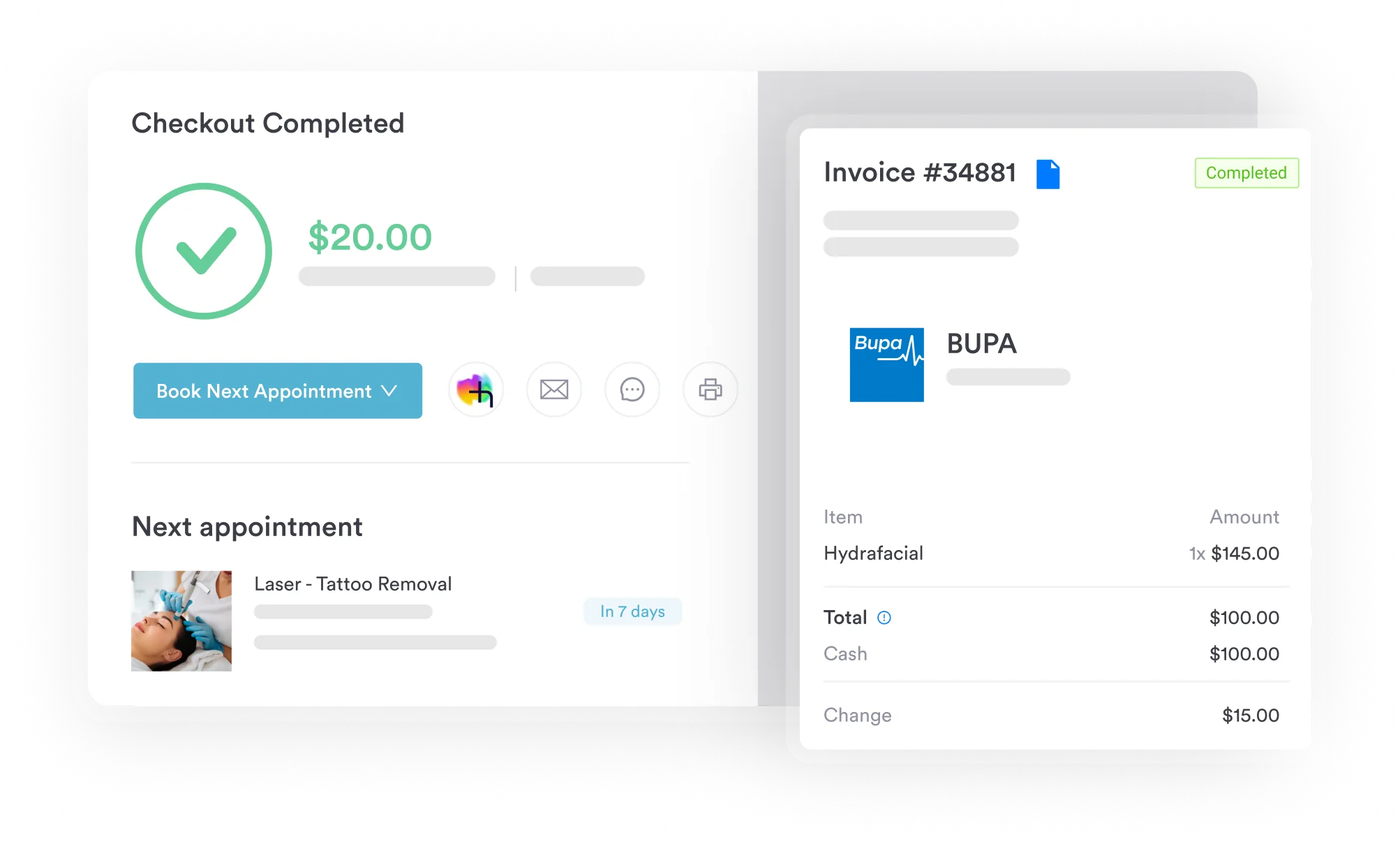
In many surgical practices, the authorization number lives in an email and the code lives on a billing sheet. They meet only when someone types the claim into Healthcode. Most missing-field rejections start right there.
Pabau, the practice management platform we build, records the CCSD code, the diagnosis and the authorization number against the episode. Its claims management software pulls them from the patient record and sends the claim through Healthcode. Required fields are checked before the claim can go.
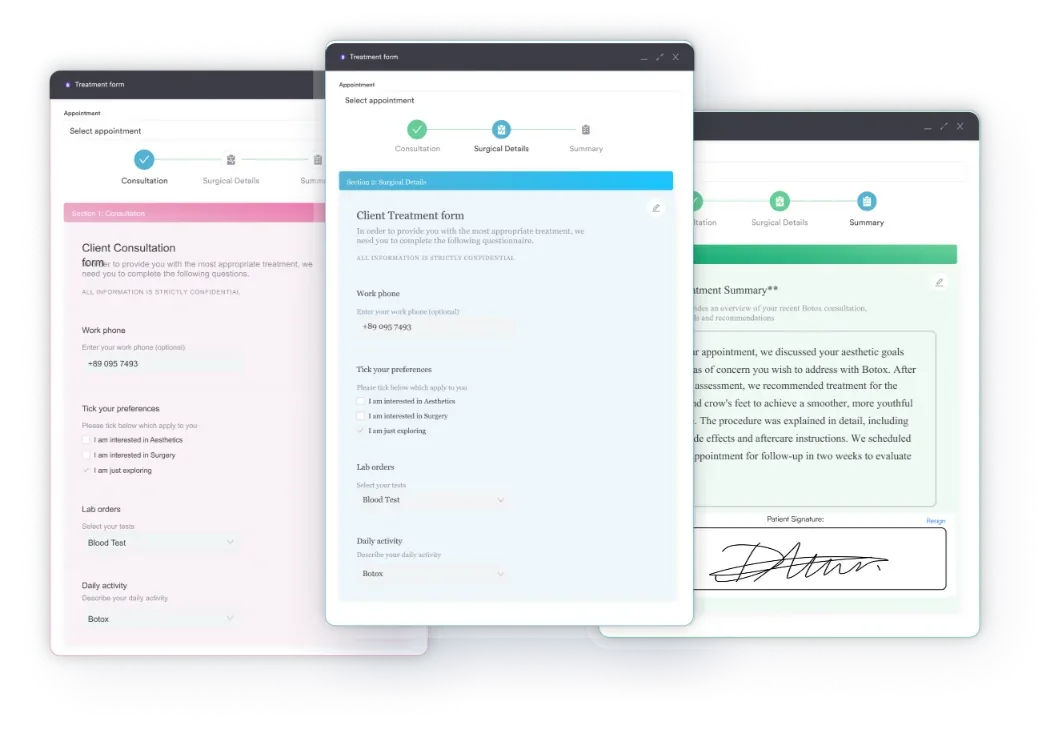
Structured operation and consent forms help too. Pabau’s digital forms prompt for urethral status, graft details and the mechanism of injury, so the note supports the code first time.

Pabau records the CCSD code, diagnosis and authorization number against each episode and sends claims through Healthcode. Your team sees each claim’s status in one place.

N2840 is an easy code to choose once the note is clear. Avulsed skin that the surgeon restored is N2840, and any other penile injury repair is N2880. Describe it on every claim as the trauma repair it is.
Cover decides most of these claims. Avulsions usually arrive as emergencies, so settle authorization early and keep the reference with every account. Book a demo to see how Pabau keeps the code, diagnosis and authorization number together on every Healthcode claim.

Billing a fracture or laceration instead? CCSD code N2880 covers repair of injury to penis and the rejections that go with it.
Was the injury non-salvageable? CCSD code N2610 explains total amputation and how it differs from partial amputation.
Need the full picture on Bupa grades? Bupa procedure codes and fee schedule shows how complexity bands set surgeon fees.
Booking a planned reconstruction? CCSD code N2820 covers reconstruction of penis, the planned operation that can follow an acute repair.
Looking up other codes? Bupa CCSD codes walks through the schedule and how Bupa applies it.
It is an injury where the skin of the penis is stripped from the shaft, like a glove pulled off a finger. The deeper erectile tissue is often spared. It usually needs surgery to restore skin cover.
A consultant surgeon who performed the repair, usually a urologist or plastic surgeon. They must be recognized by the patient’s insurer. The anesthetist bills separately against the same code.
No. The CCSD Group sets the codes and descriptors only. Each insurer sets its own fee, so Bupa, AXA Health, Aviva and Vitality can pay different amounts.
It is Bupa’s complexity grade for the procedure. Grades run from minor through intermediate and major to complex major operations, with numbered bands inside each one. Higher grades carry higher surgeon fees.
Yes. Most avulsions are treated as emergencies in NHS hospitals, at no charge to the patient. N2840 only matters when the repair is done privately and billed to an insurer.