CCSD Code B2710: Radical mastectomy including block dissection
CCSD Code B2710: Definition and clinical scope CCSD Code B2710 is the UK private...

Last Updated: Nov 13, 2026
Billable Code
N0700 is the CCSD code for excision of lesion of testis. Surgeons use it when they remove a lesion and keep the rest of the testis in place. Most cases are testis-sparing operations for a small mass found on ultrasound.
Bupa lists N0700 in its INTER 1 fee category, at £245. The claim turns on what happened in theatre. If the whole testis came out, the insurer will expect an orchidectomy code instead. The sections below show how to keep the note, the code and the authorisation in line.
Let Pabau's smart automation suggest the right codes, reduce claim denials, and keep your practice compliant—effortlessly.
Automate repetitive tasks and focus on what matters most—your patients.
Reduce coding errors and ensure compliance with the latest regulations.
Clean claims, fewer denials, and faster reimbursements.
Powerful insights and reporting to help your practice thrive.
HIPAA compliant SOC 2 certified GDPR-compliant Trusted by 4,000+ clinics worldwide

CCSD code N0700 covers excision of a lesion of the testis. The surgeon removes the lesion and leaves the rest of the testis in place.
Bupa places N0700 in fee category INTER 1, at £245. AXA Health, Aviva, Vitality, Cigna and WPA set their own fees for the same code.
If the whole testis comes out, N0700 is the wrong code. Use N0680 for orchidectomy with the spermatic cord, or N0630 for a laparoscopic orchidectomy.
A biopsy alone is N1340, and an exploration of the testis that includes a biopsy is N1350.
Pair N0700 with a WHO ICD-10 code, such as D29.2 or C62.1. US-only ICD-10-CM codes such as D29.20 don’t apply to UK claims.
CCSD code N0700 is the procedure code for excision of a lesion of the testis. UK private medical insurers use it, including Bupa, AXA Health, Aviva, Vitality, Cigna and WPA. The official descriptor is: Excision of lesion of testis.
Surgeons use N0700 when they remove a defined lesion and keep the rest of the testis. In most cases, that means testis-sparing surgery for a small mass found on ultrasound.
The code sits in chapter 12 of the schedule, which covers the urinary system and male reproductive organs. CCSD stands for Clinical Coding and Schedule Development, the group that maintains the codes for UK insurers. Our CCSD code library lists the other codes in the schedule by chapter.
Claims go to the insurer electronically through Healthcode, and the diagnosis is coded with WHO ICD-10. The US variant, ICD-10-CM, doesn’t apply to these claims. Our Bupa CCSD codes guide sets out the wider schedule.
The urologist usually works through an inguinal incision when a tumour is possible. That route lets the surgeon control the spermatic cord first and avoids opening the scrotum over a possible cancer.
The surgeon then delivers the testis, locates the lesion and excises it with a margin. Intraoperative ultrasound often helps find a small lesion. Many surgeons send the specimen for frozen section before deciding whether to keep the testis.
If the frozen section shows a tumour that needs the whole testis removed, the operation becomes an orchidectomy. The code then changes with it, as the code comparison below shows. A benign result means the tunica albuginea is closed and the testis stays.
N0700 fits when the operative intent is to remove a lesion and preserve the testis. The diagnosis on the claim should match the indication recorded in the notes.
If histology later confirms a malignancy, the code still follows what the surgeon did. When the whole testis came out, the claim belongs under N0680 or N0630, not N0700. A lesion in the epididymis is a different operation, and removing the epididymis on one side is coded N1520. Removing both epididymides in one operation is billed under code N1510 instead. Treating a varicocele is a separate operation again, billed under code N1900. Fixing an abdominal undescended testis was once coded N0930, which has been inactive since January 2009. When both testes are fixed in the scrotum and neither is removed, the claim uses N0820 for bilateral orchidopexy.
Every N0700 claim needs a supporting diagnosis code from WHO ICD-10. The WHO ICD-10 browser lists every valid code. The table below shows the usual pairings and which ones draw questions from insurers.
Use the WHO code, not the US one. D29.20 and similar codes exist only in ICD-10-CM, and a UK insurer won’t accept them.
Radical orchidectomy is the standard treatment for most testicular germ cell tumours. A C62 code next to N0700 therefore often prompts a query. The operative note should say why keeping the testis was the right call.
The key coding decision for testicular surgery is excision, orchidectomy or biopsy. Each one has its own code and fee category on the Bupa schedule. Claiming the wrong one is a common reason for queries and audits.
The costliest mistake is claiming N0700 after the frozen section turned an excision into an orchidectomy. If the note records removal of the testis and cord, N0680 is the code, whatever the theatre booking said.
Biopsy is the other trap. If the surgeon only sampled tissue, claim N1340. If the testis was explored and biopsied, claim N1350. N0700 needs a lesion excised as treatment. A laparoscopy that only searches for an impalpable testis takes its own code, CCSD N1352.
Each of those choices comes down to one question about the operative note, as the chart below sets out.
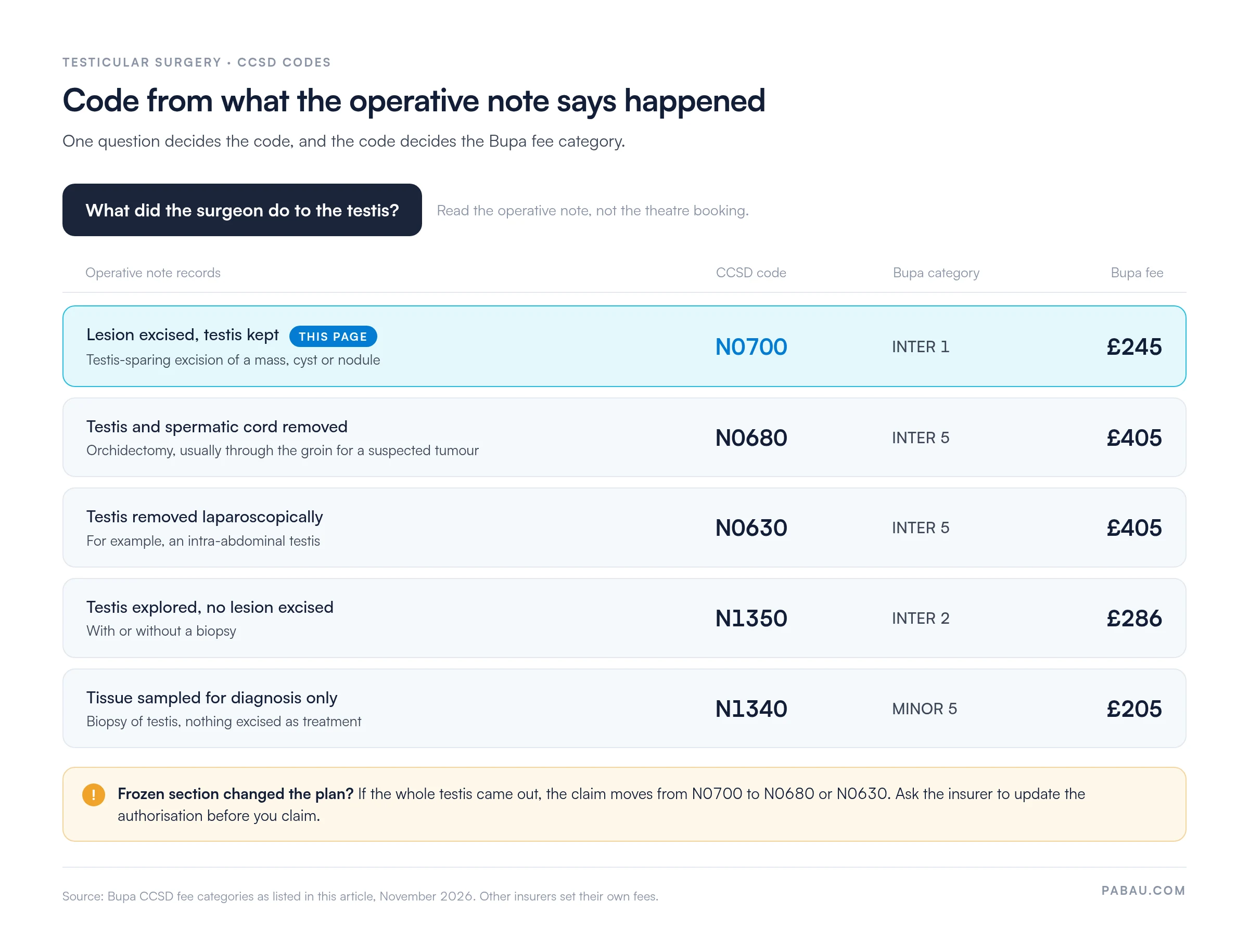
Before you submit an N0700 claim, reread the operative note and confirm the testis stayed in place. If it was removed, switch to N0680 or N0630. Then ask the insurer to update the authorisation before the claim goes out.
N0700 pays for the surgeon’s work on the testicular lesion only. The following items are billed by someone else or under a different code.
UK private medical insurers expect pre-authorisation before elective surgery. N0700 is a theatre procedure, so assume every insurer will want to authorise it first.
The patient usually contacts the insurer for the authorisation number, using details from the consultant’s letter. The insurer typically asks for the following:
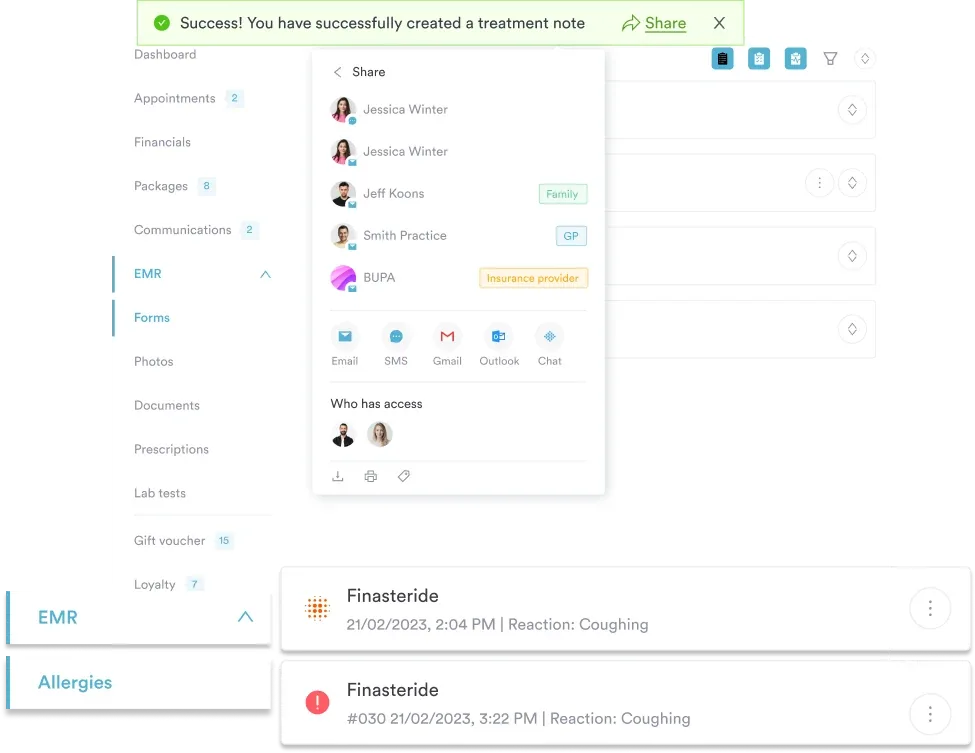
Authorisation confirms cover, but it doesn’t guarantee payment. The insurer authorises a specific code. If the operation becomes an orchidectomy, tell the insurer before you claim, because the authorised code no longer matches.
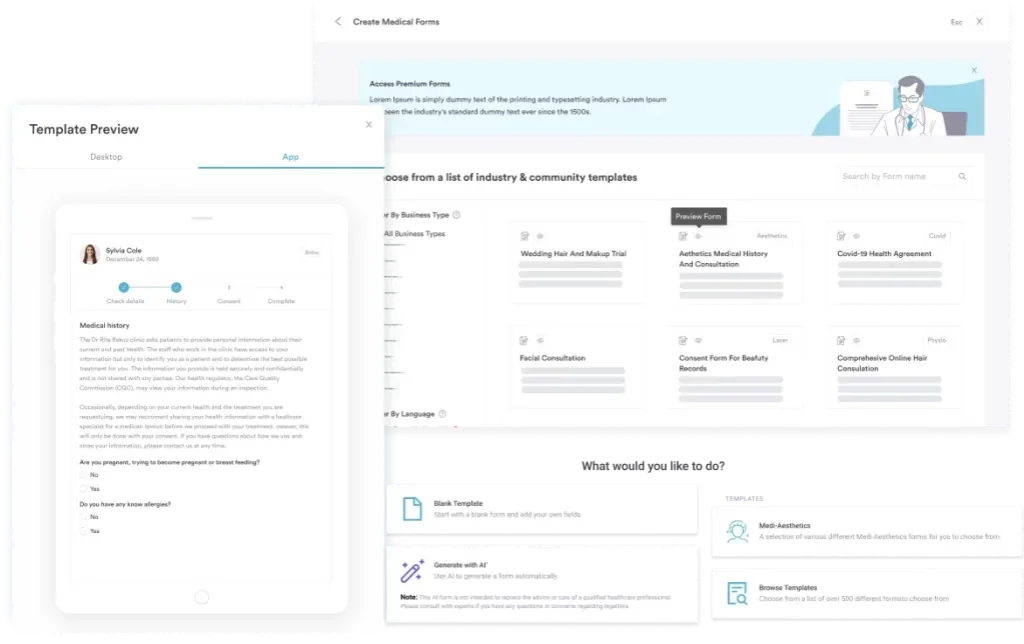
A thin operative note is the most common reason an N0700 claim gets queried. Digital clinical forms that require key fields at the time of surgery cut the risk of the insurer asking for more.
Keep the following records ready for the claim or an audit:
A patient record that links the note, consent, imaging and invoice in one place makes these easy to find. Structured forms with required fields help keep each record complete.
Most N0700 queries and rejections come from a short list of avoidable errors. Check each one before the claim goes to Healthcode.
In many practices, an N0700 claim gets typed twice. Staff enter the details in the practice system, then again in Healthcode, with the authorisation number copied from an email.
Pabau, the billing and practice platform we build, connects to Healthcode and Bupa, so the claim builds from the patient record instead. With error-checked claims management, the CCSD code, membership number and authorisation reference carry across. Pabau checks the required fields before the claim can be sent.
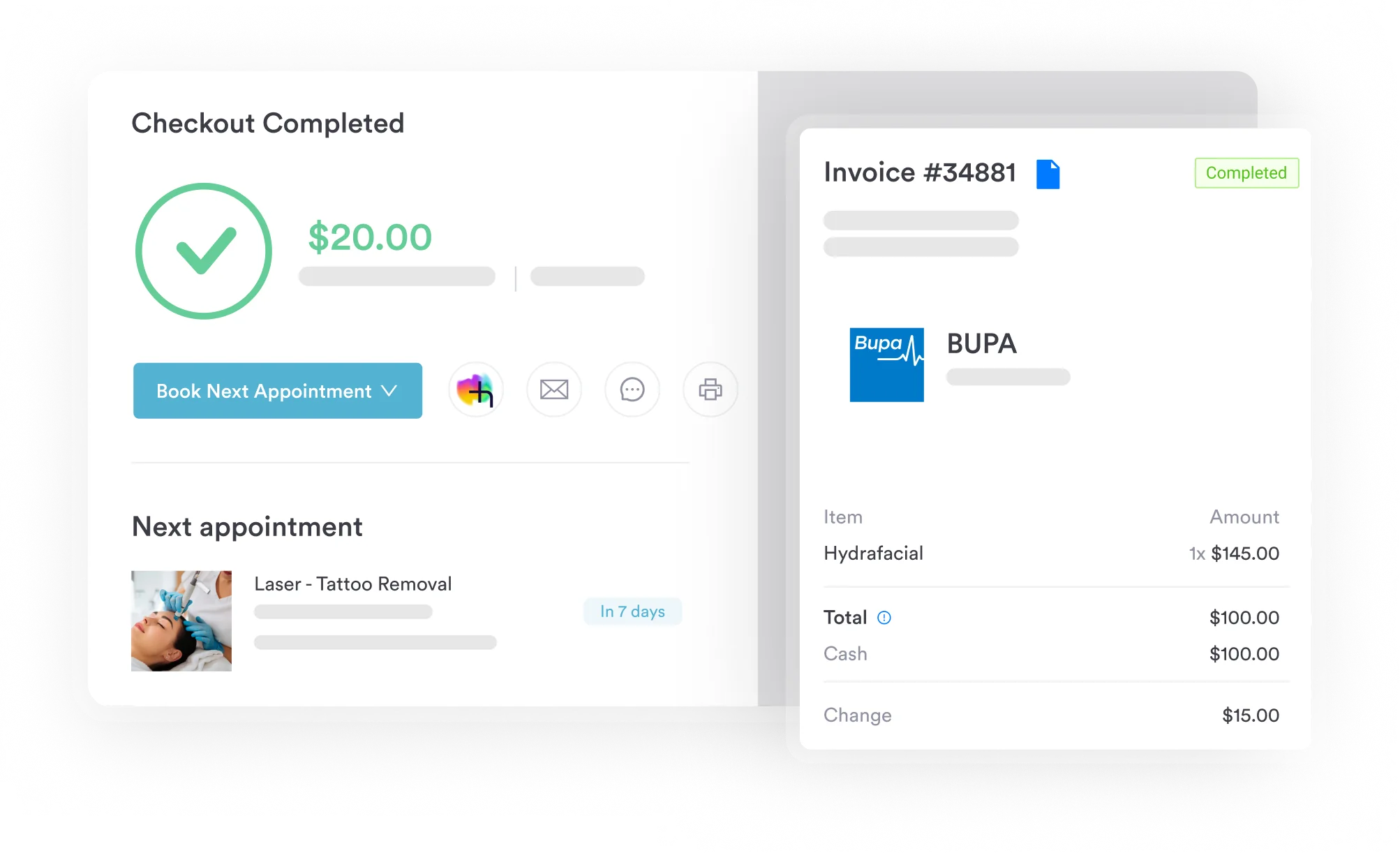
You then follow each claim’s status and payment in one place. A missing authorisation number gets caught before the insurer sees the claim. Our guide to medical billing software in the UK compares the wider options.

Pabau builds CCSD claims like N0700 from the patient record and checks required fields before submission. Then you can track every claim’s status in one place.

N0700 pays less than an orchidectomy, and the operation can become one halfway through. That’s why the code on an N0700 claim so often ends up wrong.
Code from the operative note, not the theatre booking. If the testis stayed, N0700 stands. If it didn’t, change the code and the authorisation together, before the claim goes to the insurer.
Book a demo to see how Pabau carries an N0700 claim from the operative note to Healthcode without retyping.

Comparing fees across procedures? Bupa procedure codes fee schedule shows how fee categories shape what each code pays.
N0700 covers excision of a lesion of the testis. The surgeon removes a mass, cyst or nodule and keeps the rest of the testis. It doesn’t cover removing the whole testis or a biopsy alone.
UK insurers use WHO ICD-10. The usual pairing is D29.2 for a benign tumour. D40.1 fits a tumour of uncertain behaviour, and N50.8 fits a scar nodule. C62.1 is valid but often prompts a query, because orchidectomy is the usual treatment for testicular cancer.
Yes. UK private medical insurers such as Bupa, AXA Health and Aviva expect pre-authorisation before elective surgery. Get the authorisation number before theatre and put it on the Healthcode claim. If the planned procedure changes, update the authorisation before you claim.
N0700 removes a lesion and keeps the testis. N0680 covers orchidectomy with excision of the spermatic cord, the usual groin operation for a suspected tumour. N0630 covers laparoscopic orchidectomy. Bupa pays £245 for N0700 and £405 for either orchidectomy code.
N1340 covers biopsy of the testis, which Bupa places in MINOR 5. N1350 covers exploration of the testis, including biopsy, in INTER 2. Claim N0700 only when the surgeon excised a lesion as treatment, not when they took a sample.
The surgeon claims N0700 for the operation only. The anaesthetist, the pathology lab and the hospital each bill the insurer separately. A hydrocele repair at the same sitting has its own code, N1100, so check the insurer’s rules before you claim both.
Bupa places N0700 in fee category INTER 1, at £245. AXA Health, Aviva, Vitality, Cigna and WPA set their own fees for CCSD codes. Check the patient’s insurer before you quote a figure.