CPT code 93503: Swan-Ganz catheter billing and modifiers
CPT code 93503: Official descriptor and procedure overview In the AMA CPT code s...

Last Updated: Oct 23, 2026
Billable Code Specific Code
L88 is the billable ICD-10-CM code for pyoderma gangrenosum.
The 2026 edition of ICD-10-CM covers skin and subcutaneous tissue disorders under chapter L00-L99. L88 sits inside section L80-L99, other disorders of the skin and subcutaneous tissue. It is a single-level code with nothing beneath it.
Let Pabau's smart automation suggest the right codes, reduce claim denials, and keep your practice compliant—effortlessly.
Automate repetitive tasks and focus on what matters most—your patients.
Reduce coding errors and ensure compliance with the latest regulations.
Clean claims, fewer denials, and faster reimbursements.
Powerful insights and reporting to help your practice thrive.
HIPAA compliant SOC 2 certified GDPR-compliant Trusted by 4,000+ clinics worldwide

ICD-10 Code L88 is a billable, specific ICD-10-CM diagnosis code for pyoderma gangrenosum, valid for fiscal year 2026.
PG is an immune-mediated skin condition, so the note must state the diagnosis explicitly rather than describe an ulcer.
L88 has no child codes, but an Excludes1 note bars reporting it with dermatitis gangrenosa or pyoderma, both L08.0.
Practice management software like Pabau ties L88 to the procedure record and tracks each claim through to payment.
L88 is a single, terminal, billable code. There are no sub-classifications beneath it, so coders cannot add a fourth or fifth character to increase specificity. The L88 ICD-10 entry also needs no seventh character, no laterality, and no encounter indicator. The code stands alone for all confirmed presentations of pyoderma gangrenosum.
L88 carries one Excludes1 note. Dermatitis gangrenosa and pyoderma both index to L08.0, and an Excludes1 means the two codes never appear together on the same claim. Read the documented wording closely, because those terms sit one step away from the code you want. You can confirm the current code status in the CDC ICD-10-CM web tool, which mirrors the official CMS tabular list by fiscal year.
Pyoderma gangrenosum is an immune-mediated neutrophilic dermatosis, and ICD-10-CM files every confirmed case under L88. It presents as rapidly progressing, painful skin ulcers with a characteristic undermined violaceous border. Unlike infected wounds, PG does not respond to antibiotics and can be worsened by surgical debridement.
ICD-10 pyoderma gangrenosum coding recognizes no subtypes. Dermatology describes four presentations, classic ulcerative, pustular, bullous, and vegetative, and all four report as L88. Name the variant in the note anyway, because it explains the treatment choice to a reviewer.
The condition affects adults most commonly, though pediatric cases occur. Coders working in dermatology EMR software will usually meet it alongside a comorbid systemic diagnosis. Well-established clinical associations include:
The term “immune-mediated” is more precise than “autoimmune” for documentation purposes. PG involves dysregulated neutrophil trafficking rather than a classic autoantibody process, though both terms appear in the literature. Notes that describe PG as autoimmune are still valid for coding. A reviewer who sees “autoimmune skin condition” with no named diagnosis will question the specificity. Pyoderma gangrenosum ICD-10 assignment needs the condition named in the note, not merely described. Front-desk data entry and back-office coding both feed cash collection, so errors compound downstream. A small billing team benefits more from a documented billing process than from extra hours.
The AAPC listing for L88 carries one official approximate synonym alongside the code description. Both terms below map to L88:
The ICD-10 code for pyoderma gangrenosum stays L88 whichever of the two terms the clinician writes. When the note uses “phagedenic pyoderma” and the clinical picture fits PG, L88 is still the right code. Do not fall back to a general skin disorder code such as L98.4 simply because the clinician avoided the exact phrase.
Ecthyma gangrenosum is not a synonym for L88. It indexes to L08.0, the code the Excludes1 note keeps separate from L88. In an immunocompromised patient, that presentation often reflects Pseudomonas aeruginosa bacteremia rather than an immune-mediated ulcer. Query the physician before you assign either code.
Our comparison of EMRs for aesthetic practices shows which platforms handle dermatology documentation well.
The CMS ICD-10-CM guidelines govern how L88 is sequenced and applied. Four rules cover almost every encounter:
Pyoderma ICD-10 index entries are easy to confuse. The unqualified term “pyoderma” leads to L08.0, and so does “dermatitis gangrenosa”. Only the full phrase “pyoderma gangrenosum” leads to L88. L08.0 sits in the local skin infections block and describes a pyogenic process, while L88 describes a sterile immune-mediated ulcer. That difference in etiology is what the Excludes1 note is protecting.
The same principal-versus-secondary logic runs across every chapter. Whichever condition drives the encounter takes the principal position, and the skin manifestation follows it. Dermatology coders apply the identical test to adjacent skin codes such as L85.3.
Thin documentation is the leading cause of L88 claim denials. The note has to support a confirmed PG diagnosis rather than describe an ulcerative wound. These elements should appear in the record before the claim goes out:
Practices using digital intake forms can template the wound assessment so every required field is captured at the point of care. A structured note format such as DAR notes keeps the wound description, the intervention, and the patient’s response together.
Free-text notes tend to lose the measurements first, which is exactly what a reviewer looks for. Our guide to medical forms covers how to build one that holds up. Teams on skin clinic software can reuse the same template across dermatology and wound care visits.

Pyoderma gangrenosum rarely presents in isolation. Coders need the adjacent codes for comorbid conditions, related wound types, and common misclassifications. The table below covers the codes most often paired with or mistaken for L88:
Dermatology and wound care teams often bill a procedure at the same visit, and those codes carry documentation rules of their own. Repair codes such as 13120 and excision work such as 17313 each need their own measurements in the note.
One legacy code is worth knowing as well. L88 maps to ICD-9-CM 686.01, pyoderma gangrenosum, in the CMS General Equivalence Mappings. That crosswalk comes up when you reconcile a chart, a registry export, or a payer history that predates October 1, 2015.
PG is frequently misdiagnosed on first presentation, because its ulcerative appearance overlaps with several other conditions. Coders need these differentials in mind to avoid submitting L88 before the diagnosis is clinically confirmed. Each condition below has its own ICD-10-CM code:
L88 needs a confirmed diagnosis behind it. If the physician documents “rule out pyoderma gangrenosum” or “possible PG,” do not assign it on an outpatient claim. Code the presenting signs and symptoms instead, such as L98.4 for an unspecified chronic ulcer, until the diagnosis is established.
Attach L88 to the encounter and to the procedure line at the point of care. Reconstructing it in the billing screen a week later is where the errors start. Practice management software like Pabau holds the diagnosis code against the procedure record, so the note and the claim travel together. On a PG caseload, five setup decisions do most of the work.
Each of those is a one-time setup decision rather than daily coding work. The payoff is that the system asks for the missing measurement, instead of a payer asking for it after the denial.
Keeping the wound assessment, comorbidities. The more precisely the chart reflects the clinical picture, the more defensible the code selection becomes.
Run a monthly audit on claims submitted with L88 alongside wound care CPT codes 97597 and 97598. If denials are clustering, the usual fix is adding specific wound measurements to the clinical note rather than changing the ICD-10 code. Payers want to see the diagnosis and a measurable wound description before they pay.
In most dermatology and wound care practices, the work sits in two places. The clinical note lives in the medical record, and the claim is built somewhere else. Nobody notices a missing wound measurement or a blank authorization number until the denial lands weeks later.
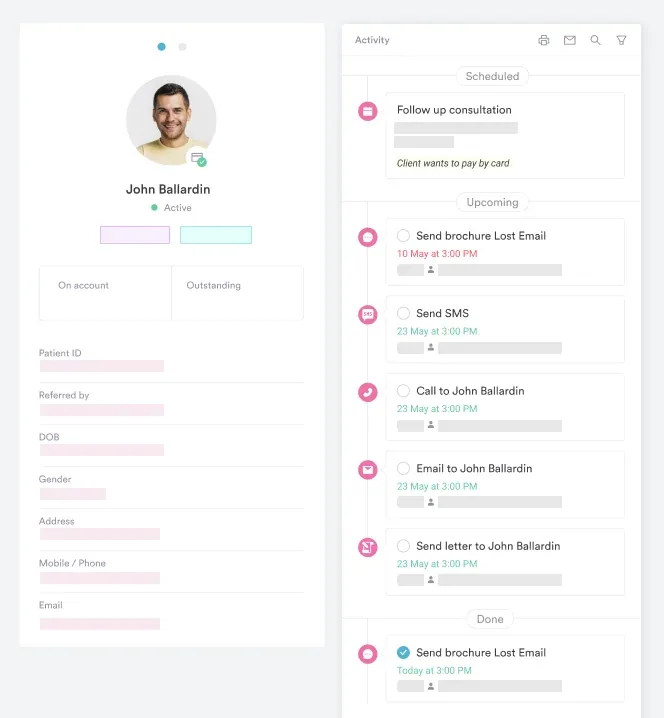
Pabau’s claims management software keeps the two together. The diagnosis code attaches to the procedure record at the point of care. Required claim fields, such as membership and authorization numbers, are checked in the background before the claim is submitted to the insurer.
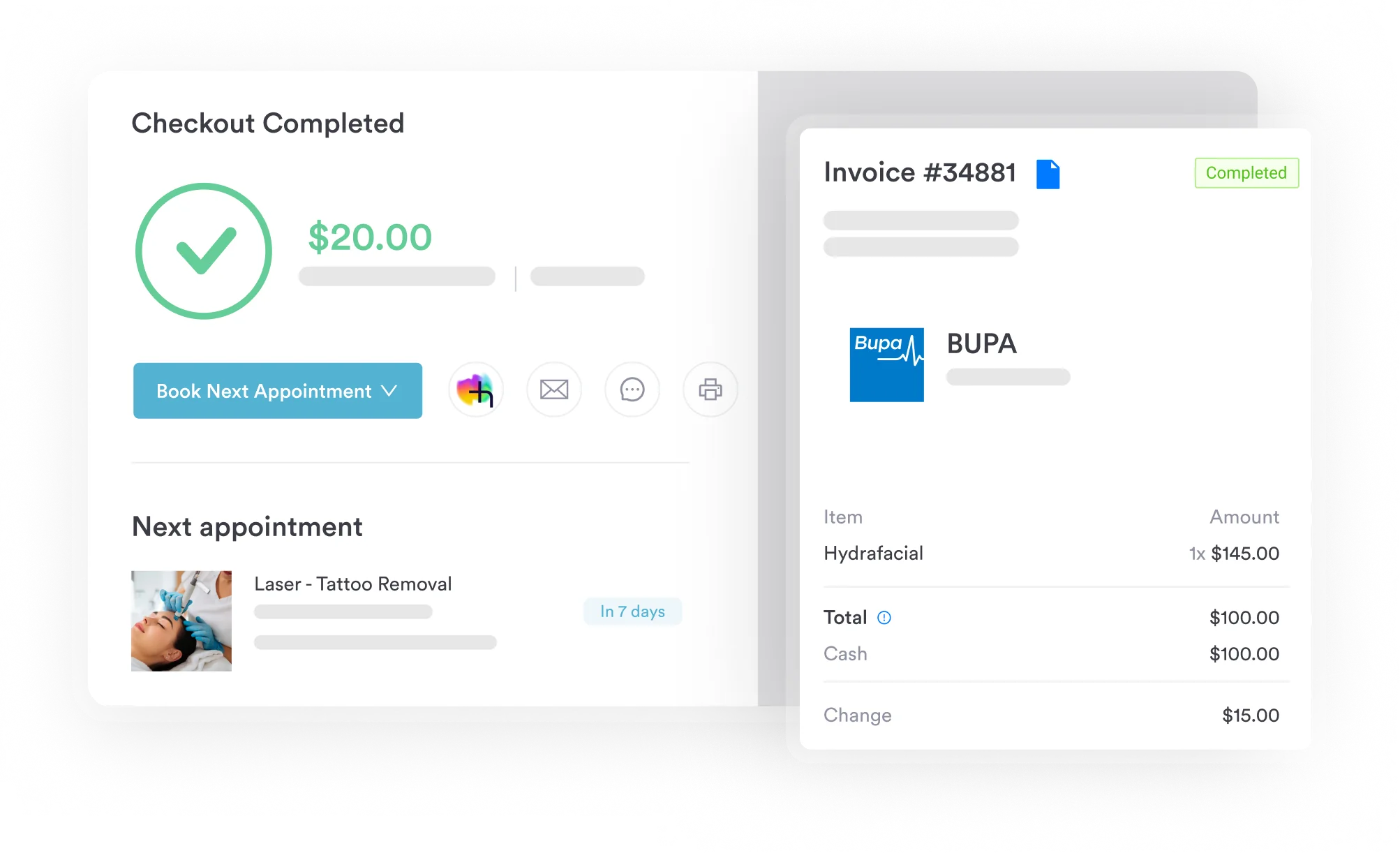
For a practice seeing the same PG patients every few weeks, that adds up. Your billers chase fewer resubmissions, and the money arrives closer to the visit that earned it.

Pabau links diagnosis codes to the procedure record, checks required claim fields before submission, and tracks each claim’s status. Dermatology and rheumatology teams see where every claim sits in one place.

The structure of L88 is simple. One terminal code, no child codes, and a single Excludes1 note pointing at L08.0. What decides whether the claim is paid is the note sitting behind it.
So name the diagnosis in plain words, measure the wound, and record the comorbidity that drove the visit. Do that at every encounter and the denials mostly stop, because a reviewer can follow the reasoning without asking you for it.
PG patients come back often, so the admin around them compounds quickly. Book a demo to see how Pabau keeps dermatology and wound care claims moving.

Documenting a hand condition tied to connective tissue? Palmar fascial fibromatosis (Dupuytren’s contracture) covers the only billable code for this diagnosis and common documentation mistakes.
Coding benign plaques over the finger joints? Knuckle pads billing and coding reference covers a code that needs no laterality subcode or seventh character.
Coding a lesion excision at the same visit? CPT code 11622 explains the measurements and margins that decide which excision code applies.
Coding heel pain from the plantar fascia? Plantar fasciitis (plantar fascial fibromatosis) clears up a dual-use code that is rarely explained clearly.
ICD-10 Code L88 is the billable ICD-10-CM diagnosis code for pyoderma gangrenosum, an immune-mediated skin condition. It presents as painful, rapidly progressing ulcers with an undermined violaceous border. The code is valid for fiscal year 2026, effective October 1, 2025, and has no child sub-classifications beneath it.
Yes, L88 is a billable and specific ICD-10-CM code, valid for HIPAA-covered transactions in fiscal year 2026. It works as a principal diagnosis on outpatient wound care claims. It also works as an additional diagnosis when PG is an active comorbidity during an IBD or rheumatology encounter.
Yes. L88 carries an Excludes1 note covering dermatitis gangrenosa and pyoderma, which both index to L08.0. An Excludes1 means the two codes are never reported together for the same condition. Check the documented wording before assigning either code, because the terms sit close together in the index.
The note must carry an explicit confirmed diagnosis of pyoderma gangrenosum, not “suspected” or “rule-out”. It also needs a wound description with size and anatomical location, a statement of immune-mediated etiology, and any associated systemic conditions. Documentation ruling out infectious causes should be there too. Missing elements are the most common reason these claims are denied.
Necrotizing fasciitis codes to M72.6 and is a rapidly progressing bacterial infection involving the fascial layer, treated as a surgical emergency. L88 is immune-mediated rather than infectious, and it worsens with debridement instead of improving. Debriding a PG wound that was miscoded as necrotizing fasciitis can expand the ulcer through pathergy.
Yes, L88 is valid as the primary diagnosis on wound care claims, including those billed with CPT codes 97597 and 97598 for debridement. Payer-specific Local Coverage Determinations may set extra documentation thresholds. Review the applicable LCD for the Medicare Administrative Contractor serving your region before submitting.
When IBD is an associated condition, report K50.x for Crohn’s disease or K51.x for ulcerative colitis, sequenced by whatever drives the encounter. Rheumatoid arthritis maps to M05.x. Do not use L97.x or L98.4 when a confirmed PG diagnosis is documented, because those are fallback codes for unspecified ulcer etiology.
L88 maps to ICD-9-CM code 686.01, pyoderma gangrenosum, in the CMS General Equivalence Mappings. ICD-9-CM was retired for US claims on October 1, 2015, so every live claim carries the L88 ICD-10 code instead. The crosswalk still matters when you reconcile an older chart or a registry export against current coding.