ICD-10 Code S02.602D: Fracture of mandible, subsequent encounter
ICD-10 Code S02.602D: Definition and billable status ICD-10 Code S02.602D is the...

Last Updated: Oct 8, 2026
Billable Code Specific Code
R37 is the billable ICD-10-CM code for sexual dysfunction, unspecified.
That single word, unspecified, is where claims go wrong. Payers read R37 as a fallback. Coders often reach for it when the note already supported an F52 or N52 code. The result is a query, a request for records, or a flat denial.
So the decision that matters is whether your documentation genuinely supports an unspecified code on the day of service. Everything below works through that decision, code by code.
Let Pabau's smart automation suggest the right codes, reduce claim denials, and keep your practice compliant—effortlessly.
Automate repetitive tasks and focus on what matters most—your patients.
Reduce coding errors and ensure compliance with the latest regulations.
Clean claims, fewer denials, and faster reimbursements.
Powerful insights and reporting to help your practice thrive.
HIPAA compliant SOC 2 certified GDPR-compliant Trusted by 4,000+ clinics worldwide

ICD-10 code R37 is the billable ICD-10-CM code for sexual dysfunction, unspecified, valid for FY2026.
R37 fits only when the cause is undocumented, so use F52.x or N52.x whenever the etiology is known.
R37 is gender-neutral, but payers usually expect a sex-specific code where one exists.
Documenting why the cause is undetermined is what protects an R37 claim in an audit.
Practice management software like Pabau captures structured intake detail and checks that a claim carries the fields your insurer requires.
The table below covers the attributes coders and billers check before an R37 claim goes out.
R37 sits in Chapter 18, and that placement is what limits how you can use it. Its parent block is R30-R39, Symptoms and signs involving the genitourinary system.
Chapter 18 runs from R00 to R99 and collects symptoms, signs, and abnormal findings without a definitive diagnosis.
Chapter 5 holds the F52 codes and Chapter 14 holds the N52 codes. R37 sits outside both, which signals an etiology nobody has pinned down yet.
The block around it covers genitourinary symptoms broadly, from urinary frequency and urgency through to unspecified urogenital symptoms. R37 is the only code in it that names sexual dysfunction.
ICD-10-CM is maintained jointly by CMS and the CDC’s National Center for Health Statistics. The CDC ICD-10-CM tool reflects the 2026 edition of the code. R37 has been stable since the US adopted ICD-10-CM, and FY2026 brought no structural change to it.
Yes. R37 is a billable, specific ICD-10-CM code, and it is valid for the FY2026 code year. It goes on a CMS-1500 claim for professional billing, or a UB-04 for facility billing, for dates of service on or after October 1, 2015.
Billable is not the same as payable. Three conditions have to hold before the claim leaves your system.
A GP practice system makes sure patients coded with unexplained symptoms get followed up, not forgotten.
R37 is right only when the provider documented sexual dysfunction and left the cause open. Official ICD-10-CM guidelines require the most specific code the documentation supports, and R37 is a symptom code. That puts it last in the sequence rather than first.
F52 codes apply when the note documents a psychological or behavioral cause. They sit in Chapter 5, Mental, behavioral and neurodevelopmental disorders, and they exclude dysfunction caused by a substance or a known physiological condition.
When a provider documents a psychological basis, the claim carries F52.x rather than R37.
Practices that treat the psychogenic side often keep a standardized measure such as the CORE-OM questionnaire in the record. That gives an F52 code something concrete behind it if a payer asks.
N52.9, male erectile dysfunction, unspecified, is the better code when a male patient has documented erectile dysfunction with no specified organic cause. It is more specific than R37 on both the patient’s sex and the condition, so most payers expect it for male erectile presentations.
The F52 family carries an erectile code too. F52.21, male erectile disorder, applies when the note names a psychological cause. So the choice runs three ways. F52.21 for a documented psychogenic cause, N52.x for an organic or unspecified erectile presentation, and R37 only when the note names neither.
R37 can still be right at an initial presentation. It fits before the provider has documented whether the dysfunction is erectile, or when the note says the type is undetermined. N52.9 being preferred over R37 for male erectile dysfunction is likely by coding convention, but should be verified against your specific payer guidelines. Accounts receivable aging shows which codes are slow to pay long before anyone calls it a denial problem. Self-pay patients submitting to their own insurer need the code and the charge on one patient receipt template.
Query the provider before defaulting to R37 on a male patient with a chief complaint of sexual dysfunction. If the note supports erectile dysfunction as the primary presentation, N52.9 will satisfy payer specificity that R37 may not. One documentation query at coding time saves a denial and a resubmission.
The codes below are the ones that most often replace R37 once documentation catches up. They come from the F52, N52, and N94 families.
Dyspareunia and vaginismus each have two coding pathways. Use F52.6 and F52.5 for psychogenic presentations, and N94.1 and N94.2 for organic ones.
Where a co-morbid anxiety disorder is documented alongside the dysfunction, an F41.x code may also need sequencing, so check which condition brought the patient in.
It matters because pre-2015 records still surface in audits, and the mapping was never one-to-one. The ICD-9 equivalent of R37 is 302.70, psychosexual dysfunction, unspecified, and that crosswalk is approximate.
ResDAC’s guidance on ICD codes in Medicare files documents the transition, including the many ICD-9 codes that map to more than one ICD-10 code. 302.70 mapped broadly across the sexual dysfunction categories when the US moved to ICD-10-CM in FY2015.
When you audit a pre-2015 record, check the crosswalk code against what the note actually says. Some claims coded to 302.70 should have landed on F52.9, or on a specific F52 code, rather than on R37.
Claims with R37 draw more scrutiny than claims with a specific code, so the note has to earn it. Payers know R37 is a default, and some ask for records before they pay.
Structured intake and assessment forms are the fix. A structured evaluation template prompts clinicians for the detail a coder needs, particularly etiology status and symptom duration. Standardizing your medical forms keeps that prompt consistent across the team.
Digital intake forms can pre-populate structured fields for symptom type and duration before the provider opens the note. Vague documentation then reaches the coder far less often.
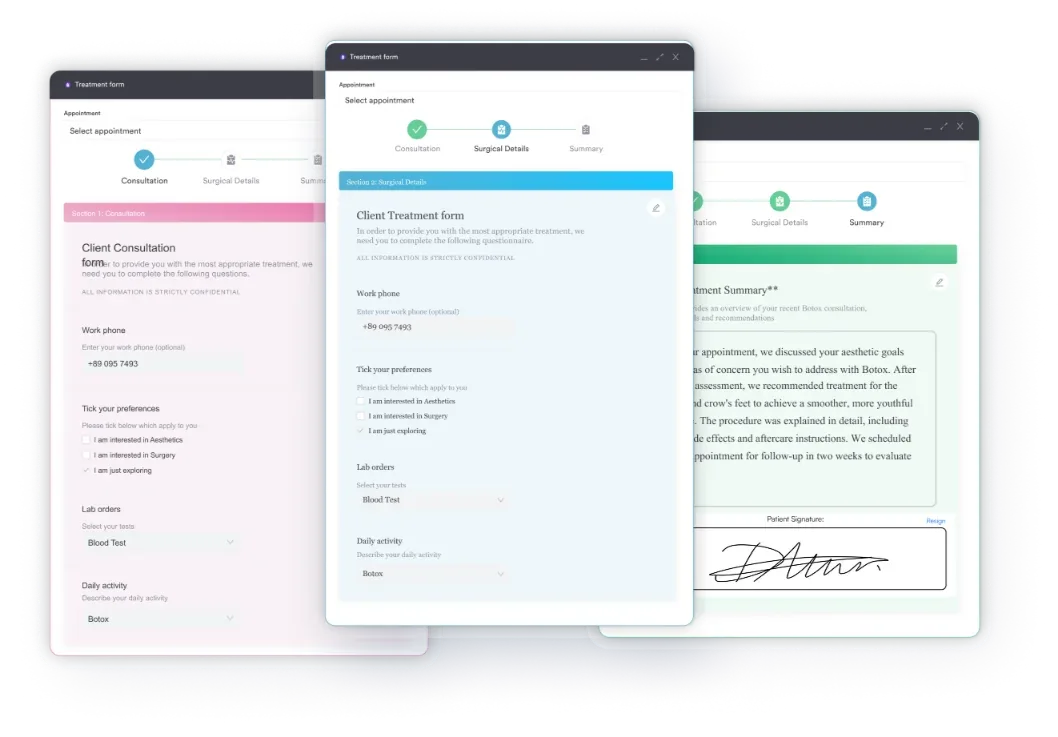
One caution on tooling. Sexual dysfunction is sensitive health information, so anything that touches the note.
Yes. R37 is gender-neutral in the ICD-10-CM tabular list, with no sex restrictions in its inclusion notes or coding instructions. Any patient with documented sexual dysfunction and no specified etiology can carry it.
Payers still push toward sex-specific codes where they exist. For male patients, the N52 family carries more specificity for erectile dysfunction. For female patients, N94.x covers organic dyspareunia and vaginismus, while F52.x covers psychogenic presentations.
Because sex-code edits never flag R37, it can pass through a claim scrubber untouched. That silence is not approval. If the documentation supports a more specific code, R37 is still the wrong choice.
Very little, for most practices. As a principal diagnosis, R37 groups under the CMS MS-DRG system in the genitourinary range. The exact group then depends on whether a complication or comorbidity is coded alongside it.
Outpatient settings handle the vast majority of sexual dysfunction visits, and DRG assignment does not apply there. The CMS-1500 claim and the payer’s fee schedule for the CPT code govern what you get paid.
Verify the current year’s groupings in the CMS MS-DRG Definitions Manual, since CMS updates them annually. Any version number quoted in a coding reference may already be out of date.
Track your R37 denial rate separately from your F52 and N52 rates. If R37 is denied more often than your other sexual dysfunction claims, providers are probably reaching for it too early. An audit of 20 to 30 recent R37 claims usually surfaces the pattern.
The coding problem starts upstream of the coder. Intake answers sit in one place and the note sits in another. Nobody knows whether a claim went out complete until a denial arrives three weeks later.
Practice management software like Pabau keeps intake forms, consent, and treatment notes on the same patient record. Custom forms can ask about symptom type, duration, and workup status at booking. The detail behind an unspecified etiology then gets captured at the visit, rather than reconstructed weeks later.
On the billing side. A status dashboard shows what has gone out and what is still waiting.
It will not tell you whether R37 was the right code, since that stays a coding judgment. What it does do is stop incomplete claims from leaving the practice.
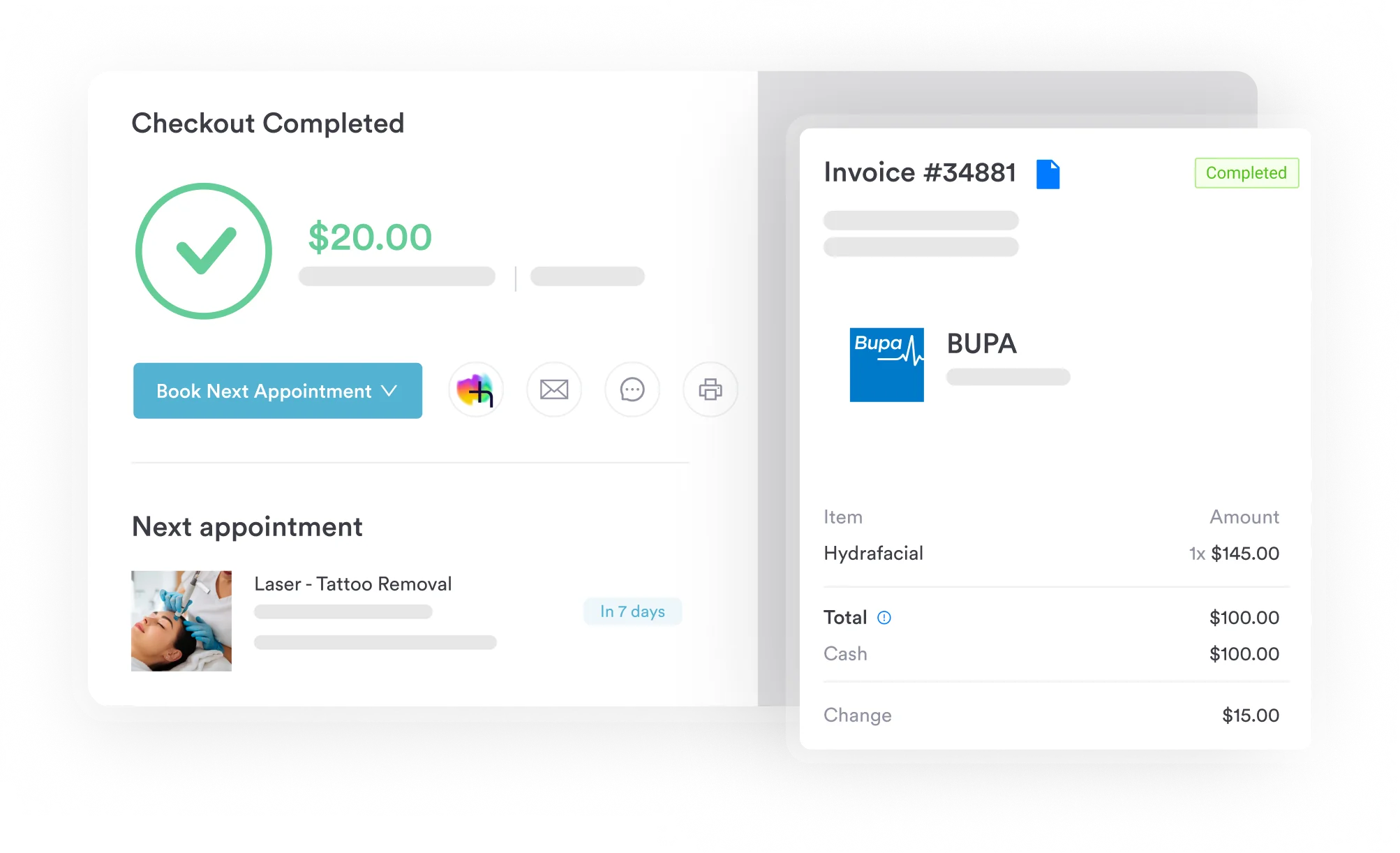

Pabau keeps intake forms, consent, and treatment notes on one patient record. It then checks each claim for the fields your insurer requires before you send it.

R37 earns its place in the code set. Sexual dysfunction with an undetermined cause is a normal clinical situation, especially at a first visit, and the code describes it honestly.
The risk sits in how long it stays on the chart. Treat R37 as a temporary answer and revisit it once workup results land. Make the specificity check part of your coding routine, rather than a reaction to a denial.
Getting the documentation right is the part you control before a claim goes out. Book a demo to see how Pabau keeps intake, notes, and claim checks in one place.

Billing a Hartmann’s procedure reversal? CCSD code H3390 billing guide covers what the billing team needs to submit this colorectal claim correctly.
Billing an excisional haemorrhoidectomy claim? CCSD code H5100 billing guide covers billing for the complete excision of internal and external haemorrhoids.
Billing a pressure sore excision? CCSD code H5680 billing guide explains the boundary between debridement, excision, and repair that insurers scrutinise.
Billing a diagnostic ERCP with biopsy? CCSD code J4300 billing guide explains why bundling the forceps biopsy into one procedure changes the claim.
Yes. R37 is complete at three characters, so no fourth or fifth character exists. A scrubber that asks for more digits has matched the wrong code family.
Yes. R37 can be the first-listed diagnosis when the sexual dysfunction is the reason for the encounter and no specific code is supported. Sequence any underlying condition first if the provider links the two.
No. Both describe the same problem at different levels of detail, so reporting both invites a duplicate-diagnosis edit. Choose the code the documentation supports and leave the other off.
No. A note that ties the dysfunction to a drug has documented a cause, so R37 no longer fits. Code the adverse effect of the medication with the manifestation, following your payer’s guidance.
Coverage depends on the plan and the service, not on the diagnosis code alone. Billable status only means the code is valid for submission. Check the patient’s benefits for sexual dysfunction services before the visit.