

ICD-10 Code S42.444P: Medial epicondyle fracture, right humerus
ICD-10 Code S42.444P: full descriptor and code validity ICD-10 Code S42.444P car...

Last Updated: Oct 13, 2026
Billable Code Specific Code
R78.4 is the billable ICD-10-CM code for finding of other drugs of addictive potential in blood.
Alcohol, opiates, cocaine, and hallucinogens each hold a code of their own inside category R78. R78.4 picks up what those four leave behind. Treat it as a catch-all for any positive blood screen and the claim carries the wrong finding.
The index says the same thing in three letters. R78.4 sits under one subterm, "addictive drug NEC," and NEC means not elsewhere classified. So you work down the category first, then land on R78.4 only when nothing more specific fits.
Let Pabau's smart automation suggest the right codes, reduce claim denials, and keep your practice compliant—effortlessly.
Automate repetitive tasks and focus on what matters most—your patients.
Reduce coding errors and ensure compliance with the latest regulations.
Clean claims, fewer denials, and faster reimbursements.
Powerful insights and reporting to help your practice thrive.
HIPAA compliant SOC 2 certified GDPR-compliant Trusted by 4,000+ clinics worldwide

ICD-10 code R78.4 is the billable code for a finding of other drugs of addictive potential in blood.
R78.4 is the residual member of category R78, so it applies only after the substance-specific codes are ruled out.
Cocaine in blood is coded R78.2, alcohol R78.0, opiates R78.1, and hallucinogens R78.3, so none belong on R78.4.
R78 carries an Excludes2 note against F10-F19. Both codes can sit on one claim when the record documents both.
Practice management software like Pabau keeps the lab result, provider note, and claim together. Missing detail then surfaces before you submit.
R78.4 is a billable, specific ICD-10-CM code, so it can stand as a diagnosis on a submitted claim. It describes a laboratory finding of a drug with addictive potential in a blood specimen. The FY2026 edition took effect on October 1, 2025, per the CMS ICD-10-CM update schedule.
R78.4 sits in Chapter 18, which holds signs, symptoms, and abnormal findings that stop short of a definitive diagnosis. The lab result drives the code here, not a confirmed disorder. Other Chapter 18 entries follow the same logic.
Category R78 covers findings of drugs and other substances not normally present in blood. The tabular list gives R78 no Includes note and no inclusion terms, so nothing widens any descriptor in the category. Each subcode names one substance or one class.
The index reaches R78.4 through one subterm, “addictive drug NEC,” under findings in blood. So the code applies when the substance has addictive potential and no dedicated entry in R78. Where the substance is also psychotropic, R78.5 may be the better fit, and the laboratory report settles it. Coders working across several specialties keep a coding reference to hand rather than searching the full manual.
Alcohol shows the contrast most clearly. A positive alcohol finding goes to R78.0. Neither of those belongs on R78.4.
R78.4 carries no notes of its own. The two instructions that govern it sit one level up, on category R78. Both apply to every code in the category.
Excludes1 and Excludes2 are not interchangeable, and the difference decides claims. Excludes1 is a hard stop that bars two codes on the same claim. Excludes2 leaves the decision to the documentation, and R78 carries that second kind.
R-codes usually start a diagnostic journey, and GP clinic software keeps the tests and reviews that follow on track.
A finding code records what the laboratory saw. An F10-F19 code records a disorder the provider diagnosed. Because R78 carries an Excludes2 note against F10-F19, one claim can hold both when the record supports each of them.
Teams working in mental health EMR platforms meet this split at every screening visit. The provider’s documented conclusion decides whether a disorder code belongs on the claim. The laboratory report decides which finding code goes beside it.
Opiates show the pairing cleanly. A positive opiate finding in blood is R78.1, and a documented. One claim can carry both, in that order, when the provider drove the visit with the diagnosis.
Confirm two things on every R78.4 claim before you submit. First, the substance named in the laboratory report must have no dedicated code in R78. Second, the specimen must be blood rather than urine.
R78.4 is the diagnosis code for a blood drug test that identified an addictive-potential substance with no code of its own. It reports the result, and it says nothing about why the test was ordered. The CDC ICD-10-CM tool confirms the code’s place among abnormal blood findings.
Sound medical documentation practices keep the laboratory report, the ordering note, and the assigned code consistent. A mismatch between those three is a common audit trigger.
Choosing the code is the quick part. What decides the outcome is the order in which the record comes together.
Step one is where claims stall. Programs billing H0020 for methadone administration run these panels on a schedule, so the reason to test already sits in a standing protocol. A one-off screen has no such cover, and someone has to write the reason down.
A positive result on its own does not carry an R78.4 claim. Payers look for the record that explains why the test happened and what the provider concluded. A rejected electronic claim never reaches adjudication, so it does not appear in denial reporting.
That puts most of the record in place before billing even starts.
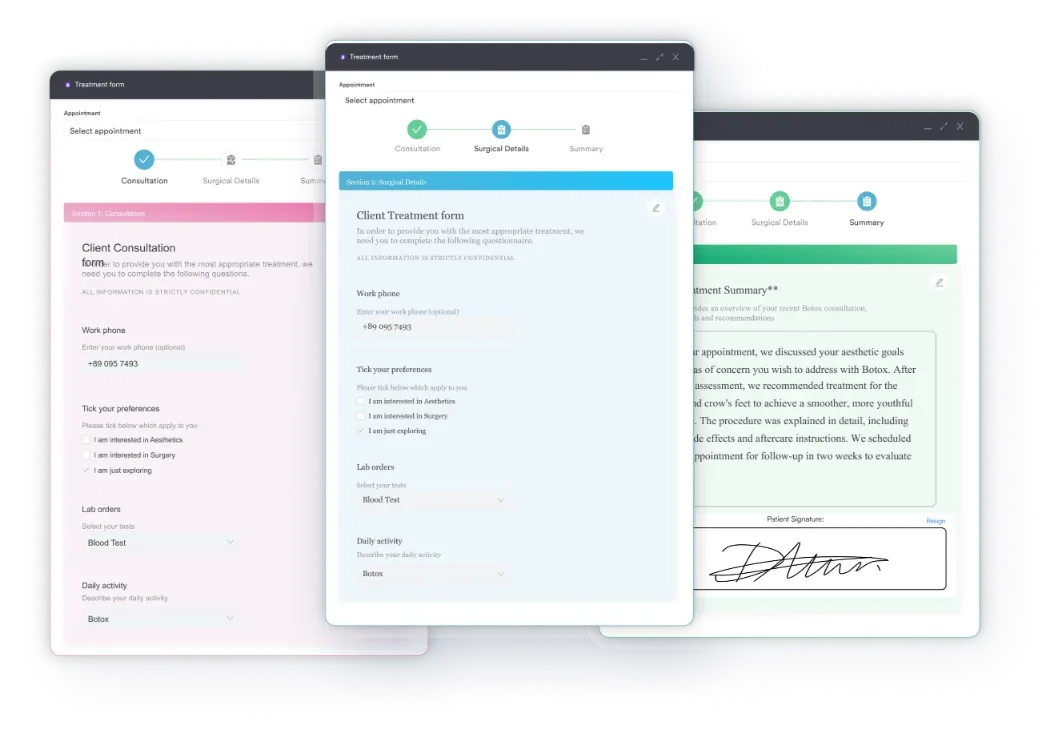
Capture is only half the job. Retrieval is the other half, since an audit request should not turn into a file hunt. That is the test practices apply when they compare HIPAA compliance software.
Track how often R78.4 appears alongside a more specific R78 code on the same claim. A pattern there usually means the laboratory report names a substance that has its own code.
Five errors account for most of the denials and rebills on this code. Each one is quicker to catch before submission than after.
The pattern repeats wherever screening is routine. Teams using psychiatry practice software run panels at medication reviews. The reason for the test then lives in the review note rather than the laboratory report.
Most coding errors on findings like this one happen in the handover. A provider reviews the laboratory report and reaches a conclusion. Someone in billing then turns that into a code, often without the full clinical picture.
Pabau, practice management software for healthcare practices, keeps three things in one patient record. The laboratory result, the provider note, and the diagnosis code all sit together. Pabau’s claims management software then checks the fields an insurer requires and holds the claim until they are complete.
A status dashboard shows whether each claim is pending, submitted, processing, paid, or in error. So a payer request turns into a search instead of an afternoon.

Pabau keeps the laboratory result, the provider note, and the diagnosis code in one patient record. It checks each claim for the fields insurers require before that claim goes out.

R78.4 earns its place on a claim under two conditions. The specimen must be blood, and the substance identified must have no code of its own in category R78. Read the descriptor that way and the code stops competing with R78.2 and the F10-F19 family.
The Excludes2 note is the part worth carrying forward. A documented disorder does not push the finding off the claim, as long as the record supports both statements. Most denials here trace back to a thin record rather than a misread rule.
Practices that keep the laboratory result, the note, and the code in one place submit fewer of these claims twice. Book a demo to see how Pabau handles clinical documentation and claims in a single workflow.

Billing methadone administration next? HCPCS code H0020 sets out the fee schedule, modifiers, and documentation for opioid treatment visits.
Coding a partial hospitalization program? HCPCS code H0035 walks through the per-diem rules for mental health partial hospitalization.
Billing a family assessment session? HCPCS code H1011 explains who may perform it and what the note has to show.
Coding a laparoscopic hernia repair? laparoscopic hernia repair coding This guide explains CCSD code T2002 for laparoscopic inguinal hernia repair with mesh placement.
Billing an incisional hernia repair? incisional hernia repair coding This guide covers CCSD code T2502 for the laparoscopic repair of a hernia through a prior abdominal incision.
No. Cocaine in blood is coded R78.2. R78.4 covers drugs of addictive potential that have no code of their own in category R78.
Both cover a blood finding with no substance-specific code. R78.4 is for drugs of addictive potential. R78.5 is for other psychotropic drugs, so the laboratory report and the drug’s class decide which one fits.
The classification names none of them. Work it the other way around. If the report names an addictive-potential drug and R78 has no code for it, R78.4 applies.
Yes, when the finding is the reason for the encounter and no related definitive diagnosis is documented. Once the provider establishes that diagnosis, it leads and R78.4 moves to a secondary position.
No. R78.4 describes a finding in blood. An elevated drug level in urine is classified to R82.5, so check the specimen line on the report first.
Assign R78.9, finding of unspecified substance not normally found in blood. R78.4 needs a named substance, so a positive panel that identifies nothing does not support it.




