ICD-10 Code V28.01XD: E-bike driver noncollision accident, nontraffic, subsequent encounter
ICD-10 Code V28.01XD: Definition and billable status ICD-10 Code V28.01XD is the...

Last Updated: Oct 20, 2026
Billable Code Specific Code
M62.3 is the billable ICD-10-CM code for immobility syndrome (paraplegic).
The 2026 ICD-10-CM edition, effective October 1, 2025, keeps M62.3 as a billable, specific code. Physical therapists, occupational therapists, skilled nursing facility coders, and inpatient teams all use it regularly.
Let Pabau's smart automation suggest the right codes, reduce claim denials, and keep your practice compliant—effortlessly.
Automate repetitive tasks and focus on what matters most—your patients.
Reduce coding errors and ensure compliance with the latest regulations.
Clean claims, fewer denials, and faster reimbursements.
Powerful insights and reporting to help your practice thrive.
HIPAA compliant SOC 2 certified GDPR-compliant Trusted by 4,000+ clinics worldwide

ICD-10 code M62.3 is a billable diagnosis code for immobility syndrome (paraplegic), valid for the 2026 code year effective October 1, 2025.
Approximate synonyms include disuse atrophy, muscle wasting from prolonged bed rest, and contractures secondary to immobility.
Documentation must state the clinical cause of immobility, the functional deficits observed, and the treatment plan.
Terms such as “weakness” or “deconditioning” on their own will not support an M62.3 claim.
Practice management software like Pabau captures ICD-10 codes at the point of care, so fewer coding errors reach the claim.
ICD-10 code M62.3 describes immobility syndrome (paraplegic), a musculoskeletal condition arising from prolonged inactivity or paralysis. It results in secondary muscle wasting, disuse atrophy, contracture formation, and functional decline. The code sits within the M60-M63 disorders of muscles block, under the M00-M99 musculoskeletal and connective tissue chapter.
The CDC/NCHS ICD-10-CM web tool confirms M62.3 as a current, billable code. It works as a principal or secondary diagnosis, depending on the clinical encounter. It does not require an additional specificity digit, as M62.3 is already specific within the M62 hierarchy.
Immobility syndrome develops when a patient experiences sustained restriction of movement. The cause may be paraplegia, prolonged bed rest, spinal cord injury, or another condition that limits active muscle use. M62.3 captures the resulting cascade of secondary pathology, meaning the musculoskeletal consequences of that immobility rather than the paralysis itself.
Clinicians working in physical therapy and rehabilitation settings encounter this syndrome frequently. The key clinical features include:
Knee contractures in a nonambulatory patient often prompt a positional brace order. Medicare’s knee orthoses policy denies L1848, the air-chamber version, as not reasonable and necessary for every diagnosis.
M62.3 applies when the provider identifies immobility syndrome as a clinically significant diagnosis. That means it requires treatment, influences management decisions, or adds to the complexity of the patient’s care. It should not be assigned for incidental or transient inactivity.
The ICD-10-CM index cross-references several clinical terms to M62.3. Knowing these synonyms helps coders apply the right code when the physician documents a related but differently worded diagnosis.
Terms like “general weakness” or “deconditioning” alone do not cross-reference to M62.3. The documentation must establish that immobility is driving the musculoskeletal presentation, rather than another systemic or neurological cause.
M62.3 is one of the most frequently used physical therapy codes in post-acute and inpatient rehabilitation. Therapists and skilled nursing facility coders apply it when immobility syndrome is the documented clinical rationale for the rehabilitation episode.
Settings where M62.3 commonly appears include:
The code may appear as the principal diagnosis when immobility syndrome is the primary reason for the encounter. It appears as a secondary code when a primary condition such as G82 paraplegia caused the syndrome. A structured home exercise program often carries the therapy goals that support either sequence.
Rehab practices using a structured claims management system can flag M62.3 during point-of-care documentation. That cuts the post-visit reconciliation work that leads to missed codes and late submissions.
Supporting an M62.3 claim requires more than a single-line diagnosis. Payers reviewing rehabilitation claims look for specific clinical evidence across the record. Use digital intake forms and structured assessment tools to capture these elements at each visit.
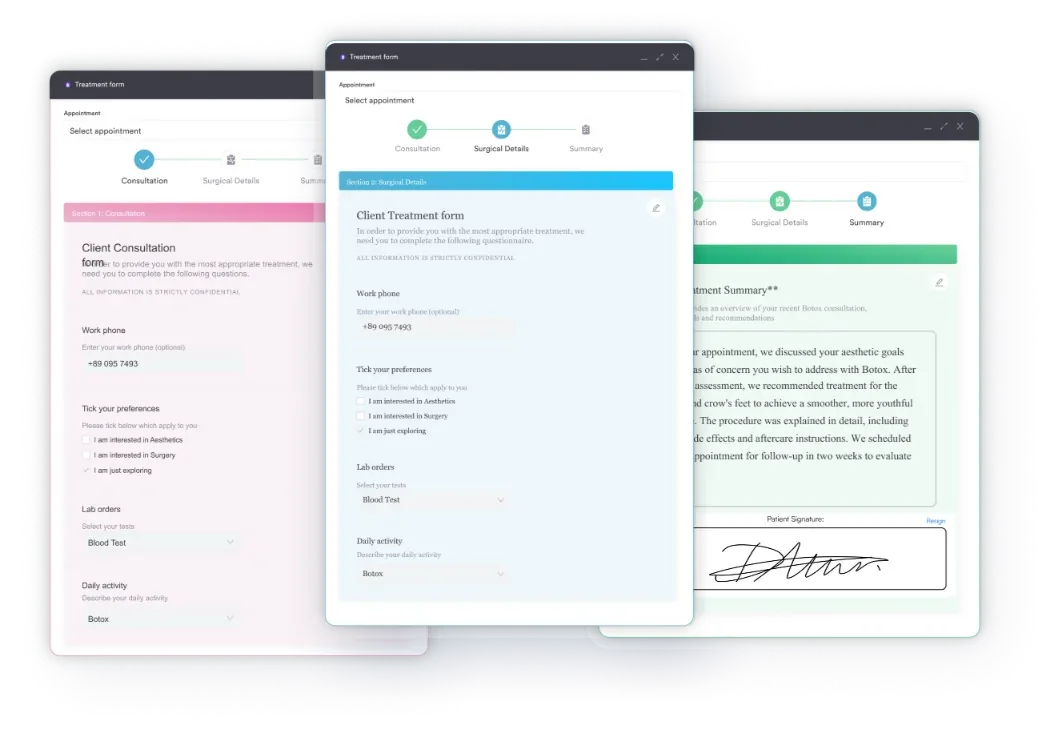
Practices using a clinical documentation system can build M62.3-specific templates. These prompt clinicians to capture every required field at the time of service, rather than in a retrospective addendum. A medical coding cheat sheet helps front-line staff apply the same standard.
Name the specific cause of immobility in your clinical note before you assign M62.3. Payers deny claims where the note says only ‘weakness’ or ‘functional decline’ without tying it to prolonged immobility. A two-sentence causal statement in the assessment section satisfies most payer requirements.
For inpatient hospital claims, M62.3 maps to MS-DRG groups through the CMS grouper. According to the CMS ICD-10 codes page, the assignment depends on how M62.3 is sequenced. It may be the principal diagnosis, or a complication and comorbidity alongside a primary condition, which can affect DRG weight.
Check the current FY2026 MS-DRG grouper tables on the CMS website before making reimbursement projections. Assignments are updated annually and may shift with new coding guidance.
M62.3 sits within the M62 “other disorders of muscle” category. Coders working with immobility-related conditions need to navigate the full M62 family to select the most specific code. Neighboring musculoskeletal codes such as M96.3 follow the same selection logic.
The same code-family navigation principle applies across every body system. Always select the most specific billable code before defaulting to a residual or “other” category.
M62.3 is frequently confused with several related codes. The distinction matters for claim accuracy and medical necessity documentation. Assigning the wrong code from this group is a common audit trigger in rehabilitation billing.
Rehabilitation clinicians sometimes apply R53.1 when M62.3 is the better fit, especially after extended post-surgical immobilization. The deciding factor is whether immobility syndrome has been clinically established as a diagnosis rather than noted as a symptom. Mobility equipment claims coded with claims coded with E0155 often accompany these episodes.
Complex inpatient cases often pair M62.3 with neurological codes. The specificity-first principle governs each of them in the same way.
Immobility syndrome claims are denied for predictable reasons. Most errors fall into four categories, and each is preventable with better documentation habits or a structured coding workflow. Physiotherapy practice software can enforce that workflow at the point of entry.
Error 1: Assigning M62.3 without a documented cause of immobility. A patient with muscle wasting and no explicit immobility history cannot validly receive M62.3. The coder cannot infer the cause, so the clinician must document it. The fix is a template prompt that makes “cause of immobility” a required field before the encounter closes.
Error 2: Using M62.3 instead of G82 for paraplegia. M62.3 describes the musculoskeletal consequence of immobility, rather than the neurological condition causing it. With documented paraplegia, the G82 family code is the principal diagnosis. Add M62.3 as a secondary code where immobility syndrome is a distinct clinical problem, and never reverse that order.
Error 3: Applying M62.3 for general deconditioning. Deconditioning and immobility syndrome are separate diagnoses. Deconditioning may code to Z74.09, or stay uncoded when it does not rise to a clinical diagnosis. M62.3 requires documented pathological sequelae such as muscle atrophy, contracture, or measurable wasting.
Error 4: Using M62.5 when M62.3 applies. M62.5 (muscle wasting and atrophy, not elsewhere classified) is a residual code for wasting that lacks a documented cause. When the cause is immobility, M62.3 is the specific code and should take priority. M62.5 should not be used when immobility syndrome is documented. The specificity principle applies here as it does across every code family, so always select the most specific applicable code. Denials on this code repeat until someone reads the pattern rather than reworking each claim. Coding sits in the middle of the revenue cycle, between registration and payment posting.
M62.3 has been part of the ICD-10-CM code set since US implementation, and recent annual updates have left it unrevised. The 2026 code year, effective October 1, 2025, keeps it valid and billable with no change to its description. Coders can confirm validity for any code year through the AAPC code lookup.
Annual ICD-10-CM updates are released each October on the CMS ICD code lists page. Coders should review the addenda each year to confirm that the codes used in their common workflows remain valid.
Teams managing several occupational therapy or physiotherapy clinicians benefit from a central documentation system that flags annual code updates. That keeps M62.3 and adjacent codes tied to the correct code year on every claim.
In most rehab practices, the cause of immobility lives in a therapist’s narrative note. The muscle testing grades sit in a paper assessment, and a biller chooses the code days later. When a payer asks for evidence, someone has to reassemble the record from three places.
Practice management software like Pabau keeps those elements in one clinical record. Intake and assessment forms capture the cause of immobility, functional measures, and duration at the visit itself. The diagnosis code is attached to the note rather than added afterwards, and the treatment plan stays linked to the same episode.
Claims then leave with the documentation attached to them, so fewer M62.3 submissions come back for records requests. Every subscription includes the clinical records, forms, and claims tools, so a two-therapist practice works from the same setup as a twenty-clinician group.

Pabau keeps the cause of immobility, functional measures, and therapy goals in one clinical record. M62.3 claims then go out with the documentation payers ask for.

M62.3 is a stable, billable code, so the code choice is rarely what decides a claim. What decides it is whether the record ties the muscle wasting or disuse atrophy to a specific, sustained period of immobility.
Treat that causal statement as part of the assessment, not as a billing afterthought. Practices that capture it at the visit spend far less time answering records requests. Their therapy episodes survive audit on the notes they already wrote.
Pabau’s compliance management tools keep those elements in the clinical record from the start. Book a demo to see how Pabau supports accurate ICD-10 capture across your rehab workflow.

Coding a pelvic injury follow-up visit? symphysis pubis rupture code S33.4XXD applies to the healing phase after a symphysis pubis rupture, covering therapy and pain management visits.
Coding a lumbar ligament sprain instead? lumbar spine sprain coding S33.5 is the parent code for lumbar ligament sprains, and claims are denied without an encounter type.
Coding another musculoskeletal diagnosis? M96.3 walks through a post-procedural musculoskeletal code with the same specificity rules.
Billing mobility equipment alongside therapy? E0155 covers the walker code that often appears on immobility-related claims.
Coding a sacroiliac joint sprain instead? sacroiliac joint sprain code S33.6 claims are denied most often when the 7th character extension does not match the encounter.
ICD-10 code M62.3 is the diagnosis code for immobility syndrome (paraplegic). It covers muscle wasting, disuse atrophy, and contractures caused by prolonged immobility or paralysis. Coders use it in physical therapy, occupational therapy, skilled nursing, and inpatient rehabilitation billing.
Yes, M62.3 is a billable, specific ICD-10-CM code valid for reimbursement submission. It can be used as a principal or secondary diagnosis depending on the clinical encounter. The 2026 ICD-10-CM edition confirms it as valid with no changes from prior years, effective October 1, 2025.
M62.3 requires a documented diagnosis of immobility syndrome with sequelae such as disuse atrophy, muscle wasting, or contracture. Deconditioning is broader and may code to Z74.09, or stay uncoded when it does not meet the threshold of a clinical diagnosis. Using M62.3 for general deconditioning is a common cause of denial.
Use M62.3 when immobility syndrome is established as a diagnosis with a documented cause and measurable sequelae. Use R53.1 when weakness is reported as a symptom only. In most rehab settings M62.3 is the more accurate code, because it captures the underlying condition rather than the symptom.
Yes. Use it as the principal diagnosis when immobility syndrome is the reason for the therapy episode, or as a secondary code when it complicates care. Documentation must confirm the diagnosis, the functional deficits, and a treatment plan addressing the sequelae of immobility.
Documentation should name the cause of immobility, such as paraplegia or post-surgical bed rest. It should also record objective deficits like muscle testing grades or range of motion, the duration of immobility, and a treatment plan. A licensed clinician must attest to the diagnosis, since coder assignment alone fails an audit.