CRM for chiropractors: how to manage patients, bookings and marketing
A CRM for chiropractors is a patient relationship management system built around...

Last Updated: Oct 13, 2026

A physical therapy business plan is the operational and financial blueprint you need before opening doors or seeking financing.
Cash-based practices skip payer credentialing but need stronger direct-pay marketing. Insurance-based practices reach more patients and carry more billing work.
Startup costs swing widely by location, size, and payer model, so build your budget from vendor quotes rather than national averages.
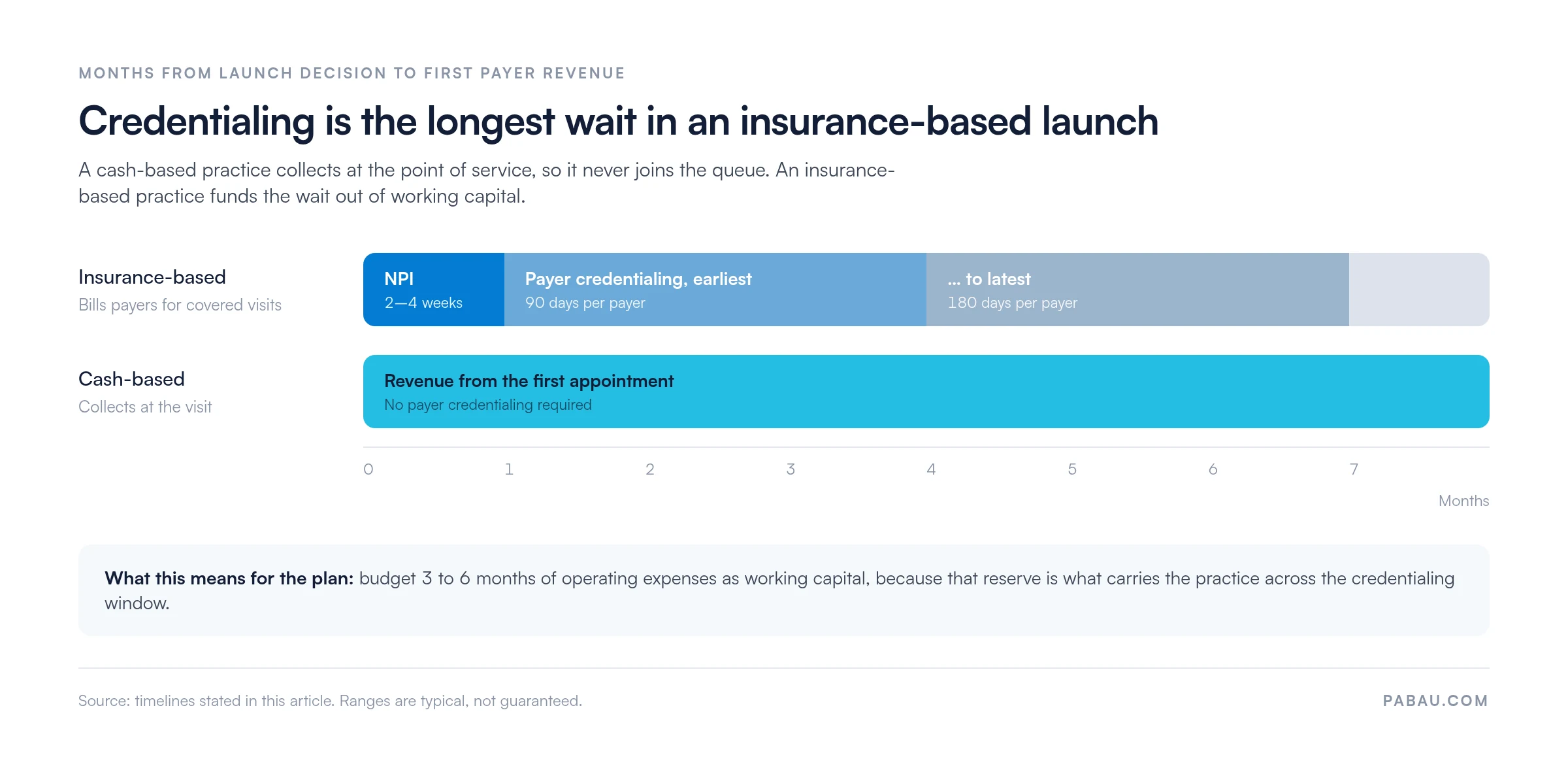
Credentialing runs 90-180 days per payer, so budget three to six months of operating expenses before claims start paying.
Practice management software like Pabau handles scheduling, documentation, billing, and reminders, so your tech stack supports the plan from launch.
A new physical therapy practice lives or dies on decisions made before the first patient walks in. A guessed financial model, an afterthought payer mix, and an operations plan that only exists in your head will all cost you later. A business plan drags those decisions into the open early, where a lender, a landlord, or a partner can test them.
This guide is written for licensed physical therapists preparing to open a practice. That might be a cash-based sports rehab studio, a Medicare-accepting multi-discipline practice, or a mobile PT service. It covers the core components of a physical therapy business plan: legal structure, financial projections, payer model, marketing, staffing, compliance, and technology. By the end you’ll have a framework you can build on immediately.
A business plan for a PT practice is more than a document you show a lender. It is the operational logic of the practice, written down before you commit capital. The APTA Private Practice Section advises drafting the plan early and updating it continuously as the practice grows.
The components below aren’t optional extras. Each one answers a question a lender, landlord, or future partner will ask. Each also forces a decision you’d otherwise defer until it gets expensive to change.
Before you pick a location, you need data. The US Bureau of Labor Statistics projects physical therapist employment to grow 11% from 2024 to 2034, against 3% for all occupations. That growth is unevenly distributed.
Suburbs with aging populations and employer-sponsored insurance show stronger demand for outpatient orthopedic PT. That demand often centers on common musculoskeletal problems, such as anterior pelvic tilt, that respond well to a structured plan of care. Urban cores often favor cash-pay sports rehab or specialties such as pelvic floor therapy. Your market analysis should map three things before you sign anything.
CMS data can help you gauge Medicare beneficiary density by county. That matters if your model includes Medicare patients.
Most PT owners launching a private practice choose an LLC for its liability protection and pass-through tax treatment. Professional corporations or professional LLCs may be required instead, depending on your state’s physical therapy practice act. Some states prohibit non-clinician ownership, which narrows your options if you want investor participation.
Physical therapists must be licensed in every state where they practice, under that state’s practice act. You’ll also need a National Provider Identifier, known as an NPI, before you bill any insurance. That is a CMS requirement, not an optional step. Budget two to four weeks for NPI registration and considerably longer, sometimes 90-180 days, for individual payer credentialing.
The payer model decision belongs inside your business plan, not outside it. It shapes your revenue cycle, your marketing channels, your documentation burden, and your overhead. Both models work. The right one depends on your market, your specialty, and your risk tolerance.
If you lean toward direct pay, map out how cash-based physical therapy runs day to day before you commit. Session pricing and superbill generation both change how you staff the front desk.
| Factor | Cash-Based PT | Insurance-Based PT |
|---|---|---|
| Patient volume needed | Lower (higher revenue per visit) | Higher (lower revenue per visit) |
| Credentialing timeline | Not required | 90-180 days per payer |
| Documentation burden | Moderate | High (payer-specific requirements) |
| Billing complexity | Low (collect at point of service) | High (claims, denials, follow-up) |
| Marketing approach | Direct-to-consumer, employer contracts | Physician referrals, network listings |
| Revenue predictability | Lower early on | Higher once credentialed |
The credentialing row drives more of the launch plan than it looks. It sets when your first insurance payment lands, and therefore how much working capital you need on hand before it does.
A hybrid model reduces that exposure. You accept a limited panel of insurers while keeping a cash-pay menu for specialty services. Many practices start insurance-based and add cash-pay services as their reputation builds.
Run a break-even analysis for each payer model before you commit. Work out how many visits per week you need to cover fixed costs at your expected reimbursement rate. For cash-pay, that might be 15 visits a week at $150 per visit. For insurance, it could be 30 visits a week at $80 average reimbursement. Then run the insurance version again with a 30% adjustment rate applied, and see whether it still clears your fixed costs.
The financial section is usually the thinnest part of a first draft. Owners list equipment costs and monthly rent, then assume revenue fills in behind them. A credible plan models three scenarios instead.
Conservative means a slow patient ramp and lower reimbursements. Base is your expected trajectory. Optimistic means strong referrals and faster credentialing. Lenders want to see that you have stress-tested the numbers rather than picked one hopeful line.
Startup costs vary a lot by location, size, and model. Reported ranges run from under $50,000 for a minimal cash-pay setup to well over $200,000 for a multi-bay insurance-based practice with full equipment. Treat any single figure as illustrative and build your own model from vendor quotes and local lease rates. For financing frameworks, SBA loan programs are a common starting point.
Revenue projections should use realistic per-visit figures based on your payer mix. On an insurance model, gross charges and net collected revenue can differ by more than 40%. Contractual adjustments, copays, and uncollected balances each take a cut. Your forecast is only as good as your grasp of physical therapy billing, so model the adjustments alongside the charges.
Patient acquisition is where new owners over-rely on one channel. Physician referrals are valuable, but they build slowly and break easily. One practice closing or changing its referral habits can wipe out 20% of your volume. A credible plan names at least three acquisition channels with a realistic volume target for each.
Physician referral outreach: Identify primary care, orthopedic, and sports medicine practices within five miles. Personal visits from the owner tend to convert better than a marketing rep. Bring a one-page summary covering your specialties, wait times, and documentation turnaround.
Direct-to-consumer digital: Google Business Profile, condition-specific landing pages, and patient reviews drive a large share of self-referral volume. For cash-pay practices targeting athletes or postpartum patients, Instagram and targeted Facebook campaigns can be cost-effective at launch.
Employer and workers’ comp contracts: Direct contracts with local employers for on-site or preferred-provider PT generate consistent volume outside the insurance system. Workers’ compensation is a separate billing system with its own fee schedules, so factor it into your payer mix analysis.
Marketing only pays off when patients finish their plan of care. Automated appointment reminders, post-visit follow-ups, and online booking all cut friction and no-shows, so build those systems into the plan from day one.
PT practices must comply with HIPAA for all patient records and communications. That is a federal requirement under HHS guidance, and it applies regardless of practice size or payer model.
HIPAA compliance isn’t a one-time setup. It needs ongoing staff training, documented policies, a breach response protocol, and a Business Associate Agreement with every vendor that handles protected health information. Work through the compliance requirements that apply to a rehab practice before you finalize the operations plan.
Your staffing model sets both your capacity and your cost structure. A solo practice carries lower overhead but caps revenue at one clinician’s schedule. Adding a Physical Therapist Assistant, or PTA, increases billable hours and brings supervision requirements with it. CMS sets specific PT-PTA supervision rules that affect Medicare billing.
Front desk and billing roles get underestimated. An experienced medical biller who knows PT-specific CPT codes and payer requirements can recover far more revenue than the salary costs. Many new practices outsource billing at first, then hire in-house once volume justifies it.
OSHA rules apply to the practice workplace too. They cover sharps handling if you offer dry needling, and ergonomics for your clinical staff. Many practices also screen new clinical hires with a TB skin test questionnaire as part of routine occupational health compliance.
Document your PTA supervision model carefully. The 2025 Medicare Physician Fee Schedule Final Rule moved PTA supervision in private practice from direct to general supervision. State practice acts can still impose stricter rules that override the federal minimum, so check yours before you finalize staffing. Remember the CQ modifier as well. It flags PT services furnished in whole or in part by a PTA, and those services are paid at 85% of the fee schedule rate.
Software selection belongs in the business plan, not in a last-minute operational scramble. It is part of your cost model and your workflow design. The wrong system adds administrative drag from day one. The right one automates work that would otherwise eat clinician time.
Write the must-haves into the plan so you can price them properly, rather than discovering them halfway through onboarding. The core functions a PT practice needs from day one are short enough to list.
Comparing systems gets easier once you know which category you’re shopping in. A physical therapy EMR is built around rehab documentation and rehab billing, which is a different job from a general medical system. If you want a side-by-side view, our roundup of physiotherapy clinic management software compares the platforms rehab practices shortlist most often. Practices that also plan to offer occupational therapy can compare vendors in our occupational therapy software roundup. Those adding sports medicine services have a similar guide to sports medicine software platforms.
Practice management software like Pabau puts scheduling, clinical notes, billing, and patient messaging in one system. That turns the technology line in your plan into a single subscription instead of four.
Without it, a new practice typically runs a scheduler, a documentation tool, a billing service, and a separate reminder system. Each one needs its own setup, its own Business Associate Agreement, and its own monthly line in the forecast.
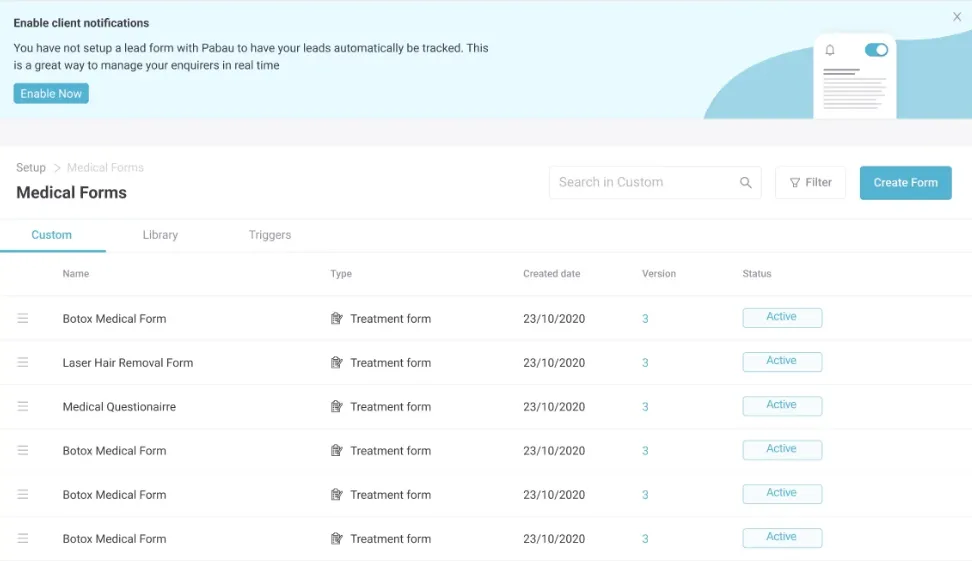
In Pabau, a booking creates the appointment, triggers the reminder, opens the SOAP note, and feeds the claim. Digital intake forms arrive before the visit, so your front desk isn’t rekeying paperwork between patients. Every Pabau subscription includes every feature, so you aren’t re-pricing the plan when you add a service line.
That matters most in the pre-revenue months. While credentialing runs, the practice still needs clean documentation and a schedule patients can book themselves into. On Capterra, Pabau holds a 4.7 out of 5 rating from over 600 verified reviews. Owners running several practitioners cite the all-in-one design most often.
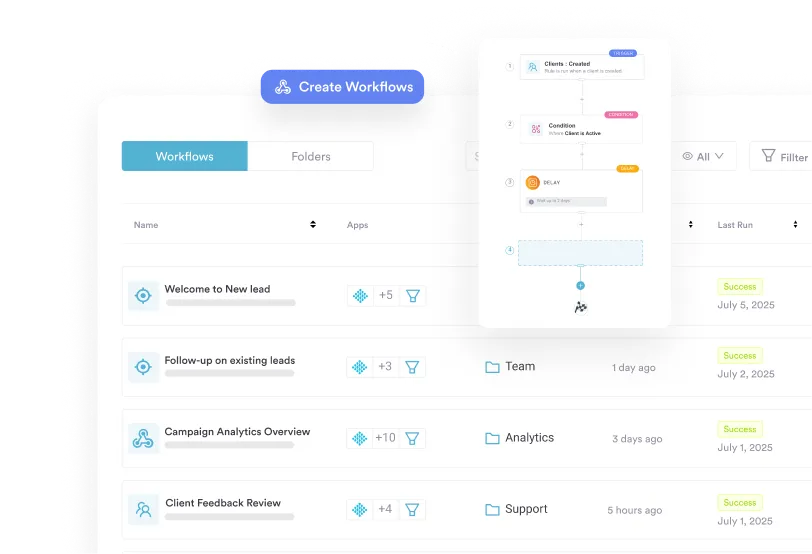

Pabau handles scheduling, SOAP notes, insurance billing workflows, and patient reminders in one platform. See how it supports the plan you are writing, before and after launch.

A plan that stops at a one-page summary and a rough equipment budget will not survive a lender, a landlord, or the first credentialing delay. The practices that open cleanly have already argued through the payer mix, stress-tested the projections, and priced the software.
The trade-off worth remembering is speed against predictability. Cash-based has you collecting in week one and asks you to fill the schedule yourself. Insurance-based fills the schedule faster and asks you to fund three to six months of waiting first.
Pick the model your market and your bank balance can support, then write the rest of the plan around it. Book a demo to see how Pabau handles scheduling, notes, and billing for a PT practice from its first appointment.

Working out where to open? Opening a physiotherapy clinic walks through site selection, fit-out, and your first hires.
Deciding between cash-pay and insurance? Cash-based physical therapy shows how the direct-pay model runs day to day.
Planning for the visits after the first one? Patient retention in physical therapy covers what keeps patients on their plan of care.
Need a validated outcome measure for your records? SF-12 questionnaire template gives all 12 items with PCS and MCS scoring instructions for clinical use.
Assessing a shoulder complaint alongside your business planning? Whipple test walks through the technique, accuracy, and how to read the result.
Start with your executive summary and market analysis, then work through legal structure, service menu, financial projections, marketing strategy, staffing model, and technology requirements. Use vendor quotes and local market data rather than national averages. The APTA Private Practice Section publishes resources for PT owners drafting a first plan.
Startup costs vary with practice size, location, equipment scope, and payer model. A minimal cash-pay setup may need less than $50,000. A multi-bay insurance-based practice with full equipment and leasehold improvements can need substantially more. Build your own cost model from vendor quotes and local lease rates.
PT private practices can be profitable, but margins depend heavily on payer mix, visit volume, and overhead control. Cash-pay practices earn more per visit and need stronger direct marketing. Insurance-based practices reach larger patient volumes but face adjustments that can cut net collected revenue by 30-40% of gross charges.
Cash-based practices collect payment directly from patients at each visit. They avoid credentialing and billing complexity but need stronger direct-to-consumer marketing. Insurance-based practices bill payers for covered services, which reaches broader patient populations. They also carry credentialing timelines of 90-180 days per payer and ongoing claims administration.
At minimum: appointment scheduling with online booking, SOAP note documentation, CPT-code-based billing, digital intake forms, and HIPAA-compliant patient communication. All-in-one platforms like Pabau bring these into a single system, which cuts the cost and complexity of running separate tools for scheduling, documentation, and billing.