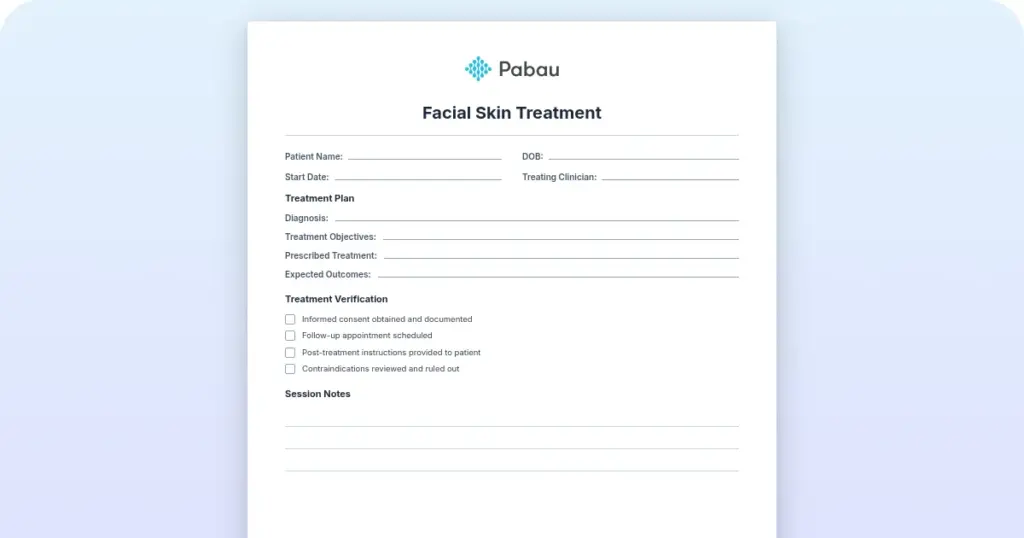
Facial skin treatment consent form template: Microneedling and phi-ion
A facial skin treatment consent form is the signed proof that a patient was scre...

2
Last Updated: Oct 21, 2026

Local SEO and Google Business Profile optimisation remain the highest-ROI dermatology marketing ideas for attracting new patients searching nearby.
Before-and-after photography is tightly regulated: the ASA’s Cosmetic Interventions Advertising Guidance restricts its use in UK cosmetic advertising (before-and-after photos are treated as testimonials under CAP Code rules 3.47-3.50), and US FTC rules require clear disclosures.
Automated recall campaigns, online booking, and post-treatment email sequences turn your clinic software into a patient retention engine.
Pabau’s email and SMS campaigns, review automation, and loyalty tools let dermatology practices run multi-channel marketing without hiring a dedicated marketer.
Most dermatology practices lose 20-30% of active patients to attrition every year, yet spend almost nothing on retention. New patient acquisition through paid ads costs 5x more than keeping an existing patient, yet clinic marketing budgets skew almost entirely toward top-of-funnel spend. That gap is where revenue leaks. This guide covers 11 proven dermatology marketing ideas spanning digital, offline, and software-enabled strategies, with practical steps you can implement this quarter. Whether you run a solo practice or a multi-location group, the ideas below scale to your situation. See how your patient acquisition strategies stack up against what high-growth clinics are doing.
Each tactic below works harder when it sits inside a wider plan, so it helps to see how the pieces connect in a complete dermatology practice marketing strategy before you decide where to start.
When someone types “dermatologist near me” or “skin clinic [city],” Google’s local pack determines whose phone rings. According to Google’s own guidance, completing your Business Profile improves both local search visibility and conversion rates. Most practices set it up once and forget it.
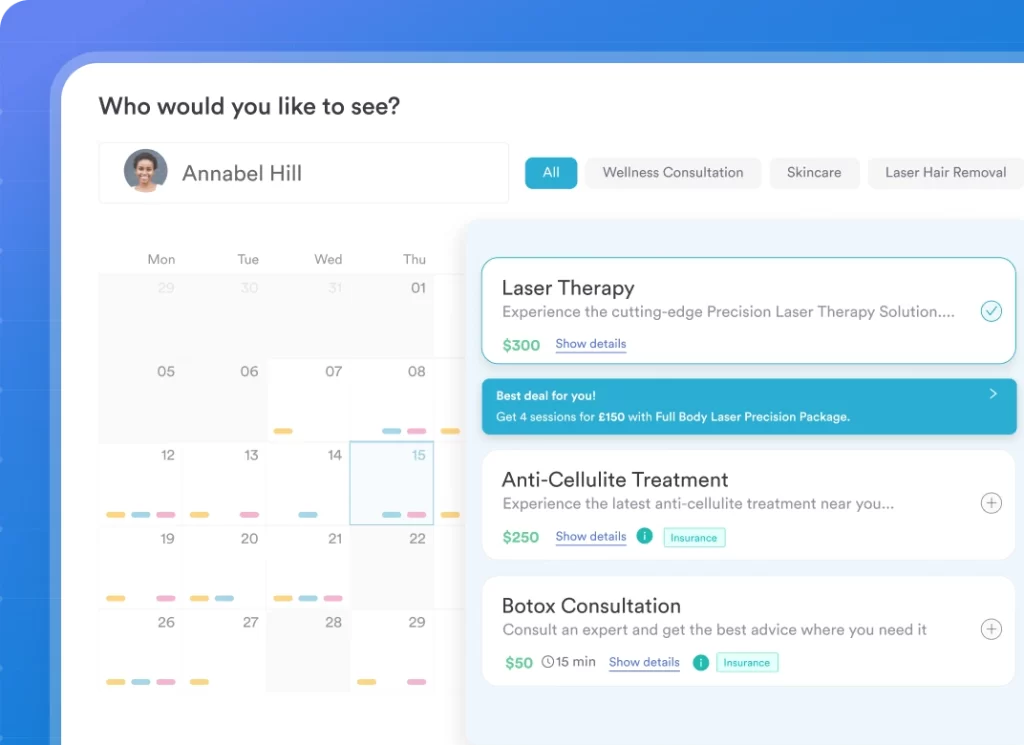
For practices running online booking, linking this directly from your GBP converts local searchers without requiring them to call. Every friction point you remove increases the chance a nearby patient books with you rather than a competitor. Still comparing basic schedulers? Our Setmore pricing review shows what an entry-level booking tool covers.
Pay-per-click advertising on Google targets patients who are actively searching for treatment, making it one of the highest-intent channels available. A patient searching “acne treatment near me” has already made a decision to seek help. Your ad just needs to be there.
The most effective structure for dermatology Google Ads separates medical (acne, eczema, psoriasis treatment) from aesthetic (Botox, filler, laser resurfacing) campaigns. These audiences have different intent signals and different budget sensitivity. Running them together dilutes both.
| Campaign Type | Best Keywords | Typical CPC Range |
|---|---|---|
| Medical Dermatology | “eczema treatment,” “skin rash clinic,” “mole removal” | $3-$8 |
| Aesthetic Dermatology | “Botox clinic,” “chemical peel near me,” “laser skin treatment” | $6-$15 |
| Brand Protection | Your practice name + competitors’ names | $1-$4 |
On Meta (Facebook and Instagram), brand awareness campaigns for aesthetic services perform particularly well because patients often don’t know they want a treatment until they see it. A Facebook brand ad introducing your practice plants the seed; your Google search ad captures that same person when they’re ready to book. This channel synergy is one of the most cited dermatology marketing trends for 2025 and beyond.
Search engine optimisation compounds over time. A blog post answering “what causes rosacea to flare” attracts organic traffic for years without additional spend. The American Academy of Dermatology (AAD) publishes extensive patient education content that ranks well precisely because it answers specific clinical questions. Your practice can do the same at a local level.
Effective content for dermatology practices targets two keyword categories. Informational queries (“what is seborrheic dermatitis,” “how long does laser resurfacing take to heal”) build trust and attract patients early in their research. Transactional queries (“Botox clinic [city],” “dermatologist acne treatment [postcode]”) convert ready-to-book patients. Publish one substantive article per week addressing the questions your front desk team hears most often. That’s your content backlog right there. You can find broader marketing for clinics guidance that applies across skin care disciplines too.
Dermatology is one of the most visual medical specialties, which makes Instagram, TikTok, and Facebook natural channels. The practices that grow fastest on social media share educational content far more often than promotional content. The ratio most clinic marketers recommend is roughly 80% educational to 20% promotional.
Regulatory note: In the UK, the ASA’s Cosmetic Interventions Advertising Guidance restricts the use of before-and-after imagery for cosmetic interventions in advertising. US practices must comply with FTC endorsement and testimonial disclosure rules. Always confirm your social content meets the applicable advertising standards before publishing. For US practices, review HIPAA-compliant social media practices before posting any patient-related content.
A consistent posting schedule matters more than frequency. Three well-crafted posts per week outperforms seven rushed ones. Build a content calendar monthly and batch your content creation. See how other clinics structure their approaches in this guide to social media marketing for clinics.
Email remains the highest-ROI digital marketing channel across most healthcare specialties. Patients who have already visited your clinic are far more likely to rebook than cold leads, yet most practices contact existing patients only when they reach out first. That’s revenue sitting untouched.
The most impactful email sequences for dermatology practices are recall campaigns. A patient who received a mole check 12 months ago should receive an automated reminder at month 11. A patient who had a chemical peel in spring should get a summer skincare newsletter in May. Pabau’s email and SMS campaigns let practices build these sequences once and run them automatically, connecting recall timing to treatment history in the patient record. This is how small teams run what feels like personalised, high-touch communication at scale.
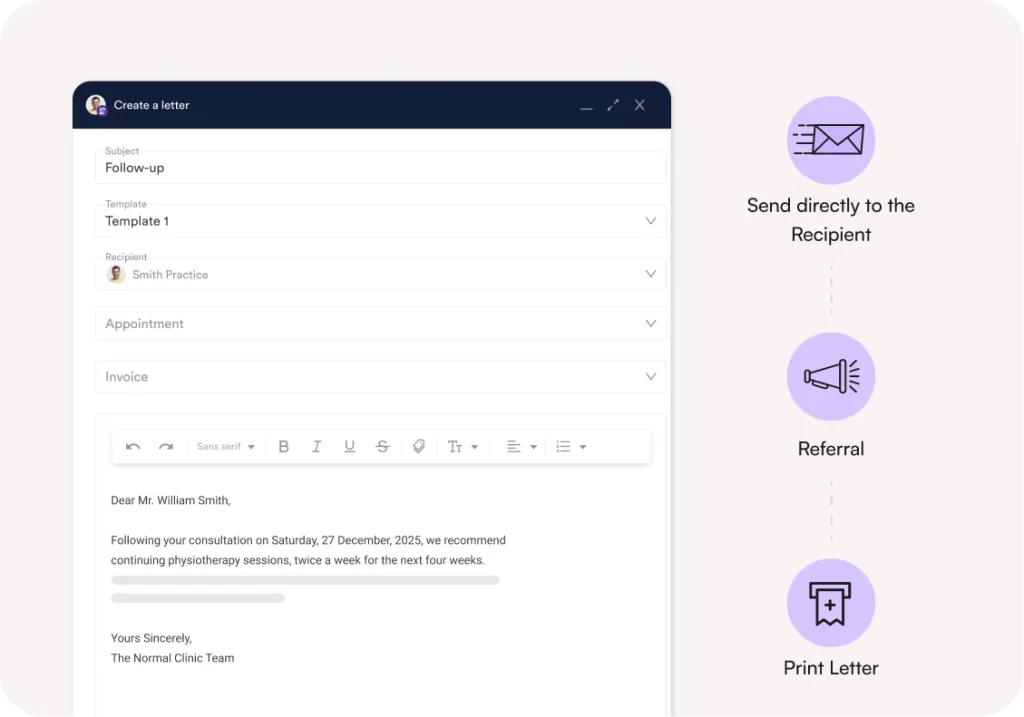
Beyond recalls, a monthly newsletter covering seasonal skincare tips, staff introductions, and new service announcements keeps your practice top-of-mind without feeling sales-heavy. Patients who open your newsletters regularly are substantially more likely to rebook.
Audit your patient database by treatment type and last visit date before building recall sequences. Group patients into segments: cosmetic (Botox/filler), medical (acne/eczema), and diagnostic (mole mapping/skin checks). Each segment gets a different recall cadence and email tone. Mixing them into one generic list produces low open rates and unsubscribes.
Reviews are the single most trusted signal for new patients choosing a dermatologist. According to BrightLocal’s 2023 Local Consumer Review Survey, 98% of consumers read online reviews for local businesses, and healthcare is one of the top categories where review quality directly drives booking decisions. A practice with 4.8 stars across 300 reviews will consistently outperform a practice with 5 stars across 12 reviews in patient trust.
The challenge is that satisfied patients rarely leave reviews unprompted. Dissatisfied ones do. This means practices with no active review generation strategy accumulate a disproportionately negative sample. The fix is automated post-visit review requests. Pabau’s review management feature sends a review request automatically after each appointment, directing patients to your chosen platform (Google, Trustpilot, or others). This one automation, consistently applied, typically increases monthly review volume by 3x to 5x within six months.
When negative reviews do arrive, respond professionally within 24 hours. Acknowledge the concern, avoid disclosing clinical details (HIPAA/GDPR applies), and offer to resolve the matter offline. Prospective patients read your responses as closely as the reviews themselves.

Pabau handles automated recalls, review generation, email campaigns, and online booking in one platform built for clinical practices. See how it works for dermatology teams.

Referrals from trusted sources carry higher conversion rates than any paid channel. A GP referring a patient for a suspicious mole, or a local beautician recommending your clinic for a laser treatment consultation, arrives pre-qualified and pre-convinced. Building these referral relationships takes time but produces compound returns.
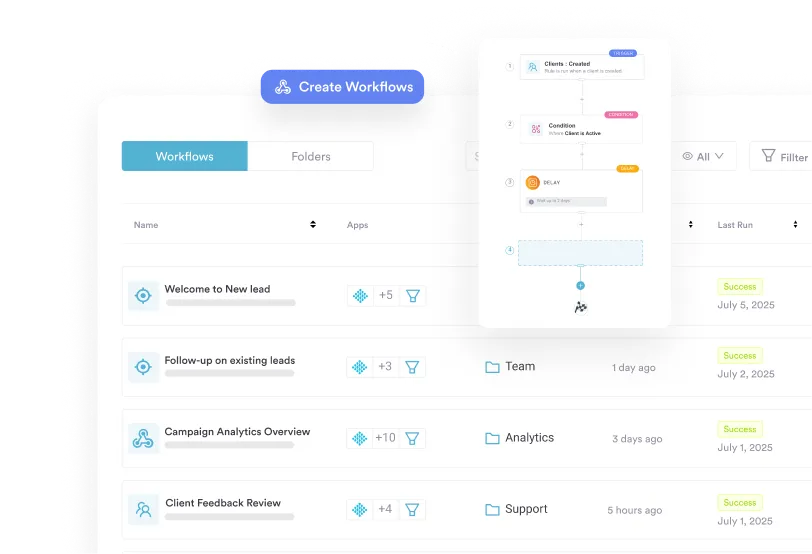
Track your referral sources. Practices that don’t measure where new patients come from can’t identify which partnerships are producing results. Your automated workflows can include a source-capture step in the new patient intake process, feeding that data into reports automatically.
Aesthetic dermatology patients with routine treatment schedules (quarterly Botox, monthly facials, annual skin checks) are ideal candidates for membership models. A membership that bundles 4 treatments per year at a fixed monthly fee improves predictable revenue for the practice and reduces the booking friction for the patient. Both sides win. Practices built as a high-volume aesthetic practice face this trade-off between predictable revenue and patient retention every month.
Points-based loyalty programs work particularly well for skin clinics offering retail skincare alongside treatments. Patients accumulate points on both treatment spend and product purchases, incentivising both repeat visits and retail revenue. Pabau’s patient loyalty program tracks points, automates reward redemption, and integrates with the booking and billing flow so staff don’t need to manage it manually.
Before-and-after imagery is among the most persuasive content formats in aesthetic dermatology. A well-documented visual result for acne scarring treatment, pigmentation correction, or laser resurfacing communicates in seconds what paragraphs of copy cannot.
Compliance first: In the UK, the ASA Cosmetic Interventions Guidance (CAP Code rules 3.47-3.50) restricts before-and-after images in advertising for cosmetic procedures. This means you cannot run these images as paid social or display ads. They can still appear on your website and organic social content where clearly non-promotional. In the US, the FTC requires that testimonials and endorsements reflect typical results, and any atypical results must be disclosed. Build your before-and-after library with these constraints in mind, not around them.
The cleanest way to stay on the right side of these rules is to capture image-use permission in writing before the first photo, ideally within a dermatology consent form that spells out which platforms the images may appear on and for how long.
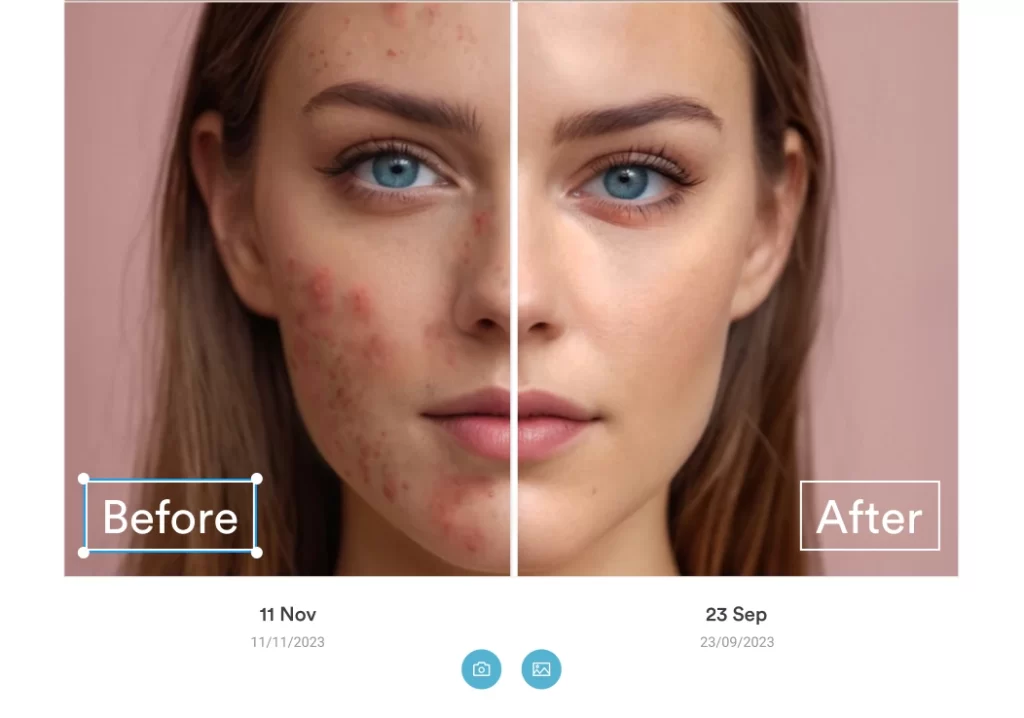
Pabau’s dedicated before-and-after photo management feature stores patient photography securely within the clinical record, linked to the treatment and consent documentation. This gives you a compliant archive ready for your website gallery and organic social content, without relying on informal photo storage outside your clinic system.
Virtual consultations lower the barrier to entry for patients who are curious about a treatment but not yet ready to attend in person. A 15-minute video call to discuss a skin concern or aesthetic treatment option converts hesitant browsers into confirmed bookings at a higher rate than a “contact us” form.
Dermatology lends itself to video consultations more than many specialties because so much of the initial assessment is visual. Medical dermatology consultations for chronic conditions like eczema, psoriasis, and acne can be partly assessed on screen, with in-person follow-up for examination and treatment. Aesthetic consultations for Botox, filler, and laser are well-suited to an introductory video call format. Pabau includes telehealth software for practices wanting to integrate video consultations directly into their booking workflow, keeping consent, notes, and follow-up scheduling in the same system. One claim circulating in marketing blogs about a 57% appointment increase from virtual consults is unverifiable from independent sources, so treat specific outcome numbers with caution and focus on the structural logic instead.
Set a baseline before launching any new marketing initiative. Screenshot your Google Business Profile stats, your review count, your monthly new patient numbers, and your recall email open rates. Without a baseline, you cannot tell whether a campaign worked. Review against that baseline at 30, 60, and 90 days.
Most dermatology practices run marketing activities but don’t close the measurement loop. Which channel brought in the most new patients last quarter? What is the average revenue per patient by acquisition source? Which treatment type has the highest rebooking rate? These numbers exist inside your practice management system if you know where to look, and if you are still comparing platforms on cost, a breakdown like Practice Better pricing shows how competing tools package reporting, booking, and recall features across their tiers.
Connecting your marketing activity to patient and revenue data is what separates clinics that grow strategically from those that grow by chance. Track these metrics monthly:
Your aesthetic clinic marketing plan should include a dashboard review as a standing monthly agenda item for the practice owner or manager. Without that habit, marketing becomes a set of activities rather than a strategy with measurable outcomes. Pabau’s reporting suite surfaces these metrics without requiring manual data pulls, making a monthly marketing review practical for busy clinical teams.

Want proven strategies to grow an aesthetic practice? Medical Aesthetics Marketing strategies cover local SEO, paid ads, Instagram, and retention benchmarks.
Looking for med spa-specific marketing inspiration? Med Spa Marketing Ideas provides tactical ideas for membership promotions, seasonal campaigns, and loyalty programs.
Want to grow your dermatology practice with the right software foundation? Dermatology Practice Management Software outlines how Pabau supports clinical and aesthetic dermatology workflows.
The practices that outgrow their local market aren’t doing 11 things simultaneously. They start with local SEO and review generation to win in their immediate catchment, then layer in email recall campaigns to retain the patients they worked hard to acquire. Those two steps alone, executed consistently, produce compounding growth that paid ads alone cannot replicate.
Pabau’s automated recall workflows, review generation, email and SMS campaigns, loyalty tools, and telehealth integration bring all of these dermatology marketing ideas into a single platform built for clinical practices. If you’re ready to see how it works for your team, book a demo and we’ll walk through your specific patient journey.
Start with Google Business Profile optimisation and automated post-visit review requests, both of which cost nothing beyond the time to set up. Consistent organic social content and monthly email recalls to your existing patient base will generate rebookings before you need to spend on paid advertising. Practices with under 500 active patients can sustain meaningful growth from these free and low-cost channels alone.
Instagram performs best for aesthetic dermatology content, particularly Reels showing treatment processes and skin transformation stories. TikTok reaches a younger demographic and rewards educational, myth-busting content about skincare. Facebook works best for community engagement, event promotion, and targeting older demographics seeking medical dermatology services. Most practices see the best ROI focusing on one platform deeply rather than spreading thin across all three.
Rules vary by country. In the UK, the ASA’s Cosmetic Interventions Advertising Guidance treats before-and-after photos as testimonials (CAP Code rules 3.47-3.50), restricting their use in advertising for cosmetic interventions, covering paid social and display ads. Organic website and social content may be permissible but should include appropriate context. In the US, FTC rules require that results shown are typical, with disclosure for atypical outcomes. Always verify the current rules for your jurisdiction before publishing.
The most effective approach is segmentation by treatment history and visit recency. Build separate recall sequences for medical patients (annual skin checks, chronic condition follow-ups) and aesthetic patients (quarterly treatment reminders, seasonal skincare promotions). Aim for a monthly newsletter covering educational skincare content alongside practice updates. Email open rates for healthcare practices typically range from 25-35% when lists are segmented and content is relevant.
GP referral relationships for medical dermatology require a formal introduction and a clear, simple referral pathway. Provide local GP practices with a one-page service guide and a direct contact number for your reception team. For aesthetic referrals, partnerships with complementary businesses (beauty salons, gyms, spas) produce consistent warm leads. Track every new patient’s referral source so you can identify which relationships are producing volume and invest more in those.