Getting along with siblings worksheet
A getting along with siblings worksheet is a printable that helps children and t...

2
Last Updated: Oct 23, 2026

A weekly goals tracker OCD worksheet helps clinicians monitor treatment progress by structuring goal-setting, symptom tracking, and ERP homework in a single document.
SMART goals combined with weekly obsession and compulsion tracking increase client self-awareness and support evidence-based exposure and response prevention (ERP) protocols.
This template is ideal for between-session work, enabling therapists to assign homework, track compulsion reduction patterns, and review progress in session without manual form creation.
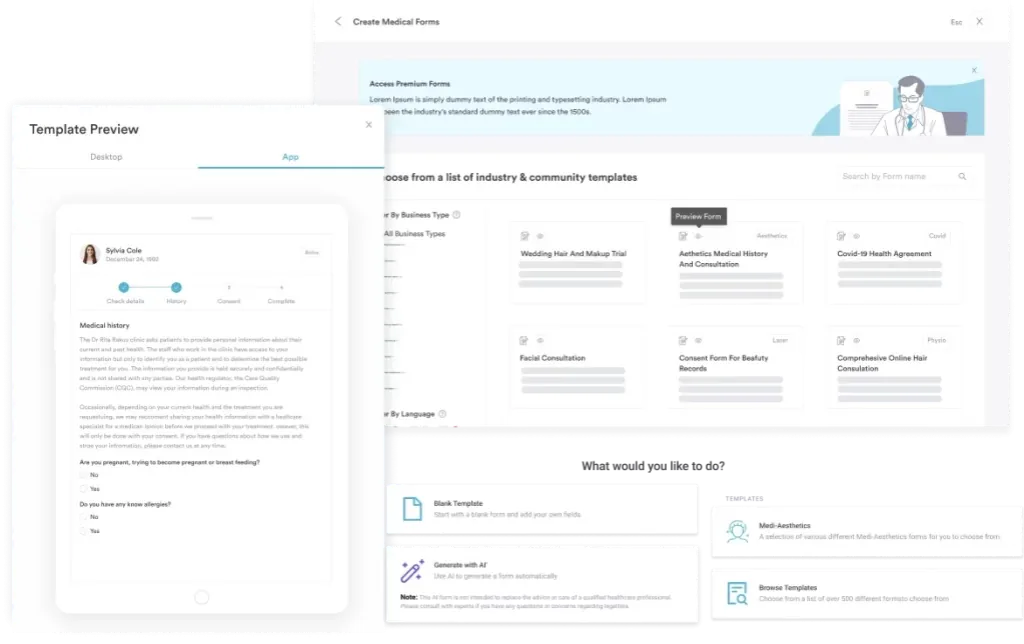
Pabau’s digital forms and automated workflows let therapists send this worksheet to clients directly, collect responses, and store results in the client record for documentation and clinical review.
A structured therapeutic tool for monitoring and guiding patients with OCD in setting, tracking, and achieving weekly therapeutic goals through measurable objectives. Includes SMART goal sections, weekly obsession and compulsion tracking, and ERP homework progress recording.
Download templateA weekly goals tracker OCD worksheet gives clients with obsessive-compulsive disorder a structured way to carry therapy work into daily life. This printable tool lets therapists assign homework that tracks SMART goals, monitors compulsion frequency, and measures exposure progress, turning abstract treatment objectives into measurable weekly outcomes. Homework adherence is one of the strongest predictors of exposure and response prevention (ERP) outcomes.
An OCD goals worksheet is a structured clinical document that combines goal-setting, symptom monitoring, and homework tracking into one between-session tool. It lets clients document weekly SMART goals (Specific, Measurable, Achievable, Relevant, Time-bound), record the frequency and intensity of obsessions and compulsions, and track progress on exposure and response prevention (ERP) exercises.
Unlike a generic goal-tracking template, an OCD-specific version accounts for the cyclical nature of obsessive thoughts and compulsive behaviors. It includes dedicated sections for identifying triggers, rating anxiety levels before and after ERP attempts, and documenting compulsion resistance. That structure aligns with guidance from the International OCD Foundation (IOCDF), which treats systematic exposure tracking as a core part of treatment.
The worksheet works best when it’s built into your session workflow rather than handed over as an afterthought. Follow these five steps to get consistent completion and usable data back.
Work with your client to identify one to three specific, measurable weekly goals aligned with their ERP treatment plan. For example: “Resist checking the door lock more than once per morning,” or “Sit with intrusive thoughts for 5 minutes without reassurance-seeking.” Write these in the goal section so the client has a clear, written target.
Have the client record their most troubling obsessions (unwanted thoughts) and the compulsions they trigger (repetitive behaviors) at the top of the week. This creates a reference point for tracking reduction patterns and builds self-awareness of their OCD cycle.
For each compulsion, assign a target reduction rate, such as cutting door-checking from 10 times a day to 7. Use the worksheet’s daily tracking grid so the client records attempts and successes through the week. This builds accountability and gives you concrete data for the next session.
Ask clients to use a 0-10 anxiety scale: rate their anxiety before attempting an ERP exercise, then again 10 minutes after resisting the compulsion. This captures habituation patterns and shows clients that anxiety falls on its own with time and non-engagement.
Spend 5 to 10 minutes at the start of each session reviewing the completed worksheet. Note compulsion reductions, identify barriers to homework completion, and revise goals based on the past week’s performance. This creates a feedback loop that keeps clients engaged in their own treatment.
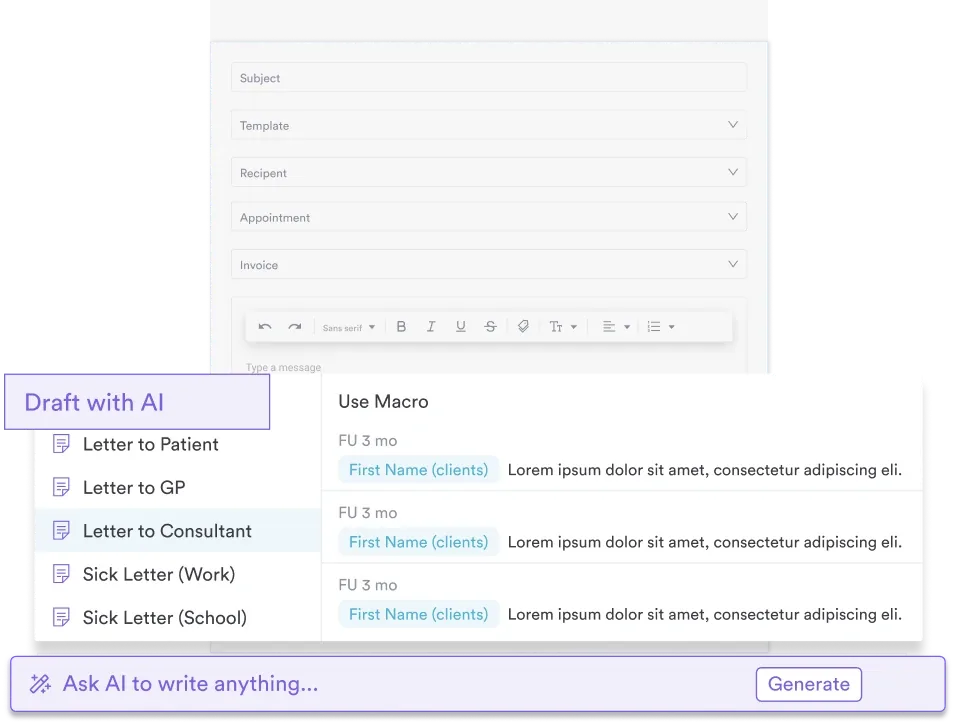
You can run this whole loop digitally. Practice management software like Pabau lets you send the worksheet to clients through digital forms and automated workflows, collect responses electronically, and store them in the client’s record within your psychology practice management system, so nothing has to be re-typed into your clinical notes.
This weekly goals tracker OCD worksheet serves several clinical audiences.
The worksheet suits individual therapy, group therapy.
Structured accountability. Written goals and daily tracking columns create external accountability. Clients are more likely to attempt assigned exposures when they know they’ll report progress in session, a pattern well supported in the CBT literature.
Measurable treatment outcomes. Week-over-week data on compulsion frequency, anxiety ratings, and goal attainment gives you quantifiable evidence of progress. That matters for treatment planning, insurance justification, and demonstrating clinical efficacy in audits or supervision.
Enhanced self-awareness. Tracking triggers, obsessions, and compulsions in real time helps clients spot patterns that are hard to see in the moment. Many clients discover that their compulsions serve a specific anxiety-relief function, an insight that deepens their engagement with ERP.
Compliance with between-session work. Homework adherence is one of the strongest predictors of ERP treatment success. A structured, easy-to-complete worksheet removes friction from homework and reduces the chance clients abandon assignments out of confusion or overwhelm.
Seamless documentation. Completed worksheets become part of the clinical record. Digital versions stored in your patient management system make session-to-session retrieval quick.

Pabau’s digital forms and client portal let you send worksheets directly to clients, collect responses electronically, and store progress data in one secure system, reducing admin burden and improving clinical oversight.

The worksheet earns its place by mapping directly onto ERP protocols. Exposure and response prevention is the gold-standard, evidence-based treatment for OCD. Clients intentionally encounter their feared situations (exposure) while resisting compulsions (response prevention), learning that the feared consequence doesn’t occur and that anxiety falls on its own (habituation).
A weekly goals tracker OCD worksheet turns each ERP step into something recordable. The goal-setting section defines the exposure target, and the daily tracking grid records exposure attempts and compulsion resistance. The anxiety-rating columns (0-10 before and after) capture the habituation curve. A client might rate anxiety at 8 out of 10 before an exposure and 3 out of 10 after resisting the compulsion for 20 minutes. Across weeks, that pattern repeats, which shows clients first-hand that anxiety fades when they hold off on the compulsion.
Structured this way, the worksheet becomes a behavioral experiment. It turns a vague instruction (“sit with the anxiety without checking”) into concrete, trackable actions.
This template includes all of these sections.
Start each worksheet at the session end, not at the start of the week. Have the client complete the SMART goal section and obsession/compulsion inventory while you’re present to provide guidance, clarify exposure targets, and build commitment to the week’s homework. A worksheet designed collaboratively in session has higher completion rates than one sent via email.
Each completed worksheet is a miniature dataset. Over weeks, patterns emerge: which compulsions respond fastest to ERP, which triggers cause the most distress, and how quickly habituation occurs. That data feeds directly into your treatment adjustments.
Say a client reduces a compulsion from 12 times a day to 5 by week 2. Reflecting that back in session (“you’re already more than halfway to your goal”) is powerful. It counters hopelessness and reinforces that the work is paying off, which in turn supports treatment adherence over the long haul of OCD recovery.
Store completed worksheets in your practice management system alongside clinical notes, assessment scores, and session summaries. This builds a longitudinal record that supports scheduling and care coordination between multiple clinicians in your practice. For OCD patients who also see a prescriber, an EMR built for psychiatry keeps the prescribing decision beside the note that justified it.
A weekly goals tracker OCD worksheet turns therapy sessions from conversation into measurable, accountable clinical work. By structuring goal-setting, symptom tracking, and ERP homework in one document, you give clients a tangible tool for between-session progress and keep a clear record of treatment for your practice.
Download the template above and build it into your OCD treatment protocol. If you’d like to see how digital forms and client portals can automate worksheet distribution and data collection, book a demo with Pabau.

Need a full psychiatric assessment framework? Psychiatric evaluation template walks through every component of a thorough mental health assessment.
Want an ACT-based worksheet instead? choice point worksheet helps clients identify towards and away moves in relation to their core values.
Assessing a child with severe mood outbursts? DMDD DSM-5 criteria outlines the diagnostic framework for assessment, differential diagnosis, and treatment planning.
A SMART goal for OCD is specific (“I will check the door lock only once per morning”), measurable (“reduce from 10 checks to 1”), achievable within the week, relevant to treatment (“targets contamination obsessions”), and time-bound (“by Friday”). SMART goals replace vague homework like “work on checking” and create accountability.
An ERP worksheet is a between-session tool that records exposure and response prevention work: the feared situation the client faces, the compulsion they resist, and their anxiety rating before and after. A weekly goals tracker OCD worksheet is one type of ERP worksheet that also folds in SMART goals and daily compulsion tracking.
Clients should complete the tracking grid daily, recording compulsion frequency or ERP attempts each day, and review the full worksheet weekly with their therapist at the start of session. This cadence balances daily accountability with sustainable effort.
Yes. The worksheet is generic enough to accommodate harm obsessions, contamination fears, symmetry obsessions, intrusive thoughts, and any compulsion type (checking, washing, reassurance-seeking, mental rituals). You customize the obsession and compulsion lists for each client.
No. This worksheet is a between-session tool to support therapy, not replace it. It works best alongside regular CBT or ERP sessions with a qualified clinician. Always advise clients to seek professional mental health support if they are in crisis.
Stack completed worksheets week by week in your clinical record or digital system and compare goal achievement and compulsion frequency over time. In ERP, meaningful improvement usually emerges over 8 to 16 weeks, with a 35% or greater drop in symptom scores counting as a clinical response.