Maja Popovska
What state has the most plastic surgery per capita? America’s cosmetic map in 20 numbers
What state has the most plastic surgery per capita? Florida is America’s p...

Last Updated: Oct 16, 2026
Free PDF 1 page, print-ready Clinician-reviewed
Proper post-operative care determines whether umbilicoplasty patients heal well or develop preventable complications. The procedure itself is quick and straightforward, but recovery depends on what happens in the following weeks. This guide covers the complete belly button surgery (umbilicoplasty) aftercare instructions your practice needs to hand patients before they leave.
Patients want to know exactly what to expect: When they can shower, how to care for the wound, what activities are safe, and what symptoms warrant a call to the surgeon.
A printed or digital aftercare template answers these questions upfront and protects your practice by documenting that clear instructions were provided. This article covers the framework for umbilicoplasty aftercare and how to deliver it through digital forms and the patient portal.
A ready-to-use, practice-customizable template covering post-operative wound care, activity restrictions, hygiene protocols, scar management strategies, red-flag infection symptoms, and follow-up scheduling guidelines for patients recovering from umbilicoplasty.
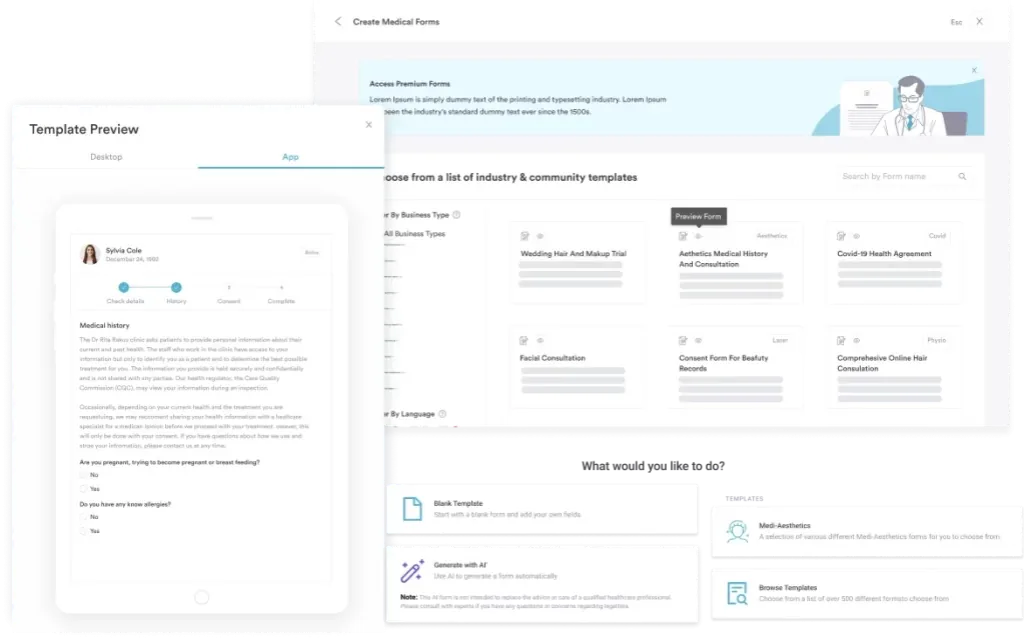
Upload this PDF, or any form you already use, and Pabau's AI Form rebuilds it with tick boxes, text fields and a signature. Attach it to the treatment once, and every patient gets it on time.
AI Form rebuilds the consent, history and aftercare forms you already use. You review each one, then publish.
Patients complete forms on their phone before they arrive, so the front desk stops retyping paper.
Every signed form is versioned and attached to the treatment record, ready when you need it.
Set how long a consent stays valid. Returning patients skip forms they have already signed.
Supports HIPAA and GDPR compliance AES-256 encryption 4.8 on G2 4.7 on Capterra Trusted by 4,000+ practices worldwide

Umbilicoplasty is a cosmetic procedure reshaping the navel; proper aftercare is critical for optimal healing and aesthetic results.
Patients must avoid exercise for 4 weeks, keep the incision clean and dry, and watch for infection signs including excessive redness, drainage, or warmth.
Showering is allowed 24-48 hours post-surgery if approved by the surgeon; scar creams and silicone sheets can improve scar appearance after initial healing.
Pabau’s digital forms and client portal enable practices to send customized aftercare instructions, track patient compliance, and flag recovery concerns in real-time.
An umbilicoplasty aftercare instruction template is a clinician-facing or patient-facing document that outlines post-operative care steps for patients recovering from belly button surgery.
The procedure reshapes or corrects the navel – addressing issues like “outies,” asymmetry, scarring from previous surgeries, or changes after pregnancy and weight loss. Patients who previously used non-surgical weight-loss options such as the Allurion balloon are also common candidates once their weight has stabilized.
The template serves three functions: It communicates expectations clearly. For aesthetic and plastic surgery practices, a standardized template reduces liability risk, ensures consistency across staff, and improves patient outcomes by reinforcing key aftercare messages.
A well-structured aftercare template guides patients through five key recovery phases:
Each step references specific symptoms to monitor and clear instructions on when to contact the surgeon – not weeks later, but immediately if infection signs appear.
This template is essential for aesthetic practices, plastic surgery groups, dermatology practices offering cosmetic procedures, and medical spas that perform or refer umbilicoplasty. It is equally valuable for standalone cosmetic surgery centers and integrated practices offering umbilicoplasty as part of a “mommy makeover” combined with liposuction, abdominoplasty, or breast procedures.
Practices handling these combination cases can pair this template with related aftercare documents.
Staff roles who benefit: Practice managers who standardize post-op protocols across the practice, surgeons who want a consistent aftercare framework, nurses and clinical coordinators who answer patient questions during recovery, and administrative staff who field post-op phone calls. Practices offering injectables can apply the same structure to other consent and aftercare documents.
Software designed for GP practices can attach this form to the consultation record automatically.
Compliance and outcome quality. Patients who receive clear, written instructions are more likely to follow post-op protocols. This reduces infection risk, minimizes delayed healing, and improves final scar appearance – directly affecting patient satisfaction and referral rates.
Liability protection. A documented aftercare instruction template, signed or digitally acknowledged by the patient, creates a paper trail proving that clear guidance was provided. This protects the practice if post-op complications arise and questions about patient education come up later.
Reduced post-op calls and confusion. When patients have a printed or digital copy of aftercare instructions, they reference it before calling with questions. This cuts administrative burden, reduces after-hours callback volume, and improves the patient experience by providing instant answers at 2 AM.
Consistency and staff alignment. A standardized template ensures the surgeon, nurse, and front desk all deliver identical aftercare guidance – no contradictions, no confusion.
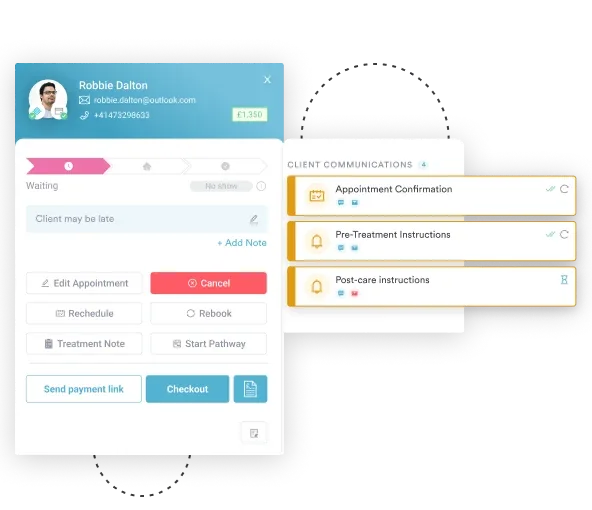
Send automated SMS or email reminders on day 1 (rest reminder), day 3 (wound care check-in), day 7 (first week milestone), and week 4 (exercise clearance). Tailor reminders to the individual patient’s approval status from their surgeon. Track which patients open reminders to identify those who may need follow-up calls. Use Pabau’s automated workflows to trigger these messages when a post-op service is marked in the patient record.
Most patients experience mild to moderate swelling and bruising for the first 1-2 weeks post-surgery. Scar tissue forms immediately; the visible scar continues to mature for 6-12 months. Effective aftercare minimizes infection risk and supports the natural healing process.
Wound care fundamentals. Keep the incision clean and dry. After the surgeon approves showering (typically 24-48 hours), gently pat the area with a clean towel. Do not submerge the wound in baths, pools, or hot tubs for at least 2 weeks.
The American Society of Plastic Surgeons (ASPS) recommends keeping the area uncovered once initial dressing is removed unless the surgeon specifies otherwise.
Swelling and bruising. Apply ice wrapped in a clean cloth for 15-20 minutes every 2 hours during the first 48 hours post-op. After 48 hours, heat may provide comfort. Elevation is rarely needed for navel surgery since the incision is not a dependent area.
Most swelling resolves within 2-4 weeks; significant swelling may persist for 8-12 weeks as the body reabsorbs fluid.
Pain management. The surgeon prescribes pain medication tailored to the patient’s medical history and tolerance. Aftercare instructions should defer all medication questions to the surgeon’s prescription rather than recommending over-the-counter alternatives. Most patients report mild discomfort after day 3-5 as the acute inflammatory phase resolves.
This is the section patients ask about most: “When can I exercise?” The answer is clear: Exercise is restricted for approximately 4 weeks following umbilicoplasty to allow the wound to strengthen before being subjected to physical strain.
Skipping abdominal strain restrictions during the first 4 weeks is the most common cause of avoidable setbacks, so a clear activity checklist in the aftercare template matters. Use automated workflows to send week-by-week activity progression reminders that evolve as recovery advances.
The incision sits at the umbilical rim, typically hidden by the natural fold of skin. Scar appearance still matters to patients, so aftercare instructions should address it directly.
Scar maturation timeline. Scars appear red or pink initially due to increased blood flow supporting healing. By weeks 6-8, the scar typically begins to fade. Maximum maturation and fading occur over 6-12 months as collagen remodels.
Scar management products. Once the wound has fully closed (approximately day 10-14) and there is no drainage. These are not mandatory but may improve appearance when used consistently, and results vary by individual healing capacity and skin type.
For revision cases with significant scar tissue.
Sun avoidance. Direct sun exposure to a healing scar can cause permanent hyperpigmentation, making the scar more visible long-term. Patients should avoid sun exposure to the incision area for at least 6-12 months post-op. If sun exposure is unavoidable, advise sunscreen SPF 30+ applied daily to the incision area.
The aftercare template must explicitly list red-flag symptoms requiring immediate contact. Feature this information prominently so patients can tell normal healing apart from complications that need attention.
A “normal vs. concerning” checklist reduces unnecessary after-hours calls and helps patients manage routine recovery symptoms without contacting the practice.
Schedule follow-up appointments at: Day 7 (first wound check), week 4 (activity clearance and initial scar assessment), and 3 months (final aesthetic evaluation). Some surgeons schedule a 6-month follow-up to evaluate mature scar appearance.
The aftercare template should specify your practice’s follow-up schedule clearly. Use automated appointment reminders via SMS or email so patients do not miss follow-up visits. Apply the same no-show tracking practices use for other appointment types to flag patients for proactive outreach – post-op complications are easier to manage when caught early.
Results are permanent as long as there is no significant weight gain or loss, and the reshaped navel maintains its appearance indefinitely. By 6 months post-op, results are considered final.
Book a demo of Pabau to see how digital forms, automated reminders, and patient portal messaging keep post-op patients informed throughout recovery – reducing calls, improving compliance, and protecting your practice.
The downloadable PDF template includes placeholder fields for your practice’s name, surgeon name, emergency contact number, and follow-up appointment dates. Staff can print and hand out physical copies, or load the form into the patient portal so patients receive it digitally and can reference it anytime.
Many practices embed the aftercare instructions directly into pre-appointment forms. This also creates a signed acknowledgment that instructions were understood – documentation that matters if questions arise later.
Umbilicoplasty aftercare success comes down to clear communication, consistent messaging, and proactive patient engagement. A standardized, practice-customizable template removes guesswork from post-op recovery and reduces liability exposure. Patients who understand the recovery timeline, activity restrictions, and red-flag symptoms heal faster, comply better, and refer more frequently.
Use the downloadable template above, customize it with your practice branding. Pair it with automated reminders throughout recovery to keep patients on track and reduce post-op phone calls.

Looking for a consent form template before umbilicoplasty? Cosmetic Surgery Consent Form guides practices in documenting informed consent for all cosmetic procedures, including navel reshaping.
Treating a patient with Embrace scar therapy? Embrace scar therapy aftercare guide covers dressing changes, wear schedule, activity guidance, and the expected healing timeline.
Need a framework for tracking patient compliance? Improve Patient Engagement covers strategies for keeping patients informed and compliant throughout their treatment journey, from booking through recovery.
Umbilicoplasty aftercare refers to the structured post-operative instructions and care protocols patients follow after navel reshaping surgery to ensure optimal healing, minimize infection risk, and achieve the best aesthetic result. Aftercare spans from immediate post-op recovery through final scar maturation at 6 months.
Most surgeons approve showering 24-48 hours after umbilicoplasty if the incision is closed and no open drainage is present. Always follow your individual surgeon’s approval before showering. Pat the wound dry gently afterward; do not submerge in baths or pools for at least 2 weeks.
Exercise should be restricted for approximately 4 weeks following surgery to allow the wound to strengthen. Light walking may resume sooner if approved by your surgeon. Full return to exercise typically occurs by week 6 after surgical clearance. High-impact activity and core work remain restricted until the surgeon confirms complete healing.
Contact your surgeon immediately if you experience excessive redness, increasing warmth or pain after day 3, pus or foul-smelling drainage, fever above 38.5°C (101°F), or red streaking extending up the abdomen. These are early infection signs requiring prompt medical attention.
Scars appear red or pink initially and begin fading by weeks 6-8. Maximum maturation occurs over 6-12 months as collagen remodels and blood flow decreases. Silicone sheets or scar creams applied after the wound closes may improve appearance. Sun avoidance over the incision for 6-12 months prevents hyperpigmentation that could make the scar more visible.
While not legally mandated, a documented aftercare instruction template is a best practice that protects both patient safety and practice liability. It provides evidence that clear post-operative guidance was provided to the patient, which is valuable documentation if post-op complications arise later.