CCSD code L6530: Revision femoral bypass graft
CCSD code L6530: Definition and clinical scope CCSD code L6530 carries the offic...

Last Updated: Nov 13, 2026
S0197 is the HCPCS Level II code for prenatal vitamins, 30-day supply. It is a temporary national S-code, billed as one unit for each 30-day supply a practice dispenses to a pregnant patient.
Medicare does not pay S-codes, so state Medicaid prenatal programs are its main users, and commercial acceptance varies by plan. Pair it with a pregnancy supervision diagnosis, such as Z34.- or O09.-, and document the quantity and dispense date.
Let Pabau's smart automation suggest the right codes, reduce claim denials, and keep your practice compliant—effortlessly.
Automate repetitive tasks and focus on what matters most—your patients.
Reduce coding errors and ensure compliance with the latest regulations.
Clean claims, fewer denials, and faster reimbursements.
Powerful insights and reporting to help your practice thrive.
HIPAA compliant SOC 2 certified GDPR-compliant Trusted by 4,000+ clinics worldwide

HCPCS Code S0197 reports prenatal vitamins dispensed to a pregnant patient, with one unit equal to a 30-day supply.
S0197 is a temporary national S-code that Medicare does not pay. State Medicaid prenatal programs are its main users, and commercial acceptance varies by plan.
Pair S0197 with a pregnancy supervision diagnosis, such as Z34.- for a normal pregnancy or O09.- for a high-risk one.
Document the product dispensed, the quantity, the dispense date, and the current pregnancy, so each 30-day unit can be traced to the record.
HCPCS Code S0197 is defined as “Prenatal vitamins, 30-day supply.” It sits in the HCPCS Level II S-series, the temporary national codes that private payers and Medicaid programs use for items Medicare does not pay.
AAPC’s code range listing places it at the end of S0012–S0197, the non-Medicare drug codes. Topical tretinoin sits earlier in the same block, under HCPCS code S0117. Oral minoxidil is in the block too, billed per 10 mg under S0139.
The code exists for practices that hand prenatal vitamins to patients directly, rather than sending a prescription to a pharmacy. Health departments, community health centers and OB-GYN practices in Medicaid prenatal programs are the typical billers. Payer acceptance is plan-specific, so check coverage before you dispense.
S0197 is a supply code. It pays for the vitamins that leave your practice with the patient. The visit at which you hand them over is billed on its own line.
Because the code describes a product, the dispense record carries the claim. A unit count that doesn’t match the quantity in the chart is an easy finding for any auditor.
Payer acceptance for HCPCS Code S0197 depends on the plan’s contract and benefit structure. No single coverage policy governs S-codes across payers.
California’s Medi-Cal Comprehensive Perinatal Services Program (CPSP) is one example of a state rule. It allows one unit (a 30-day supply) per date of service, up to a 300-day maximum supply per pregnancy. Other states set their own limits, so read your state’s current guidance rather than borrowing another state’s figures.
Every S0197 claim needs an ICD-10-CM diagnosis that shows the patient is pregnant. Pregnancy supervision codes are the standard pairing for HCPCS Code S0197.
Code each category to its full character count, including the trimester where the code asks for it. A non-pregnancy diagnosis on an S0197 line is the quickest route to a diagnosis-mismatch denial.
Each S0197 unit has to trace back to a dispense entry in the chart. In Pabau, the practice management platform we build, digital intake forms capture pregnancy status and due date at check-in. The record then supports the diagnosis before anyone dispenses.
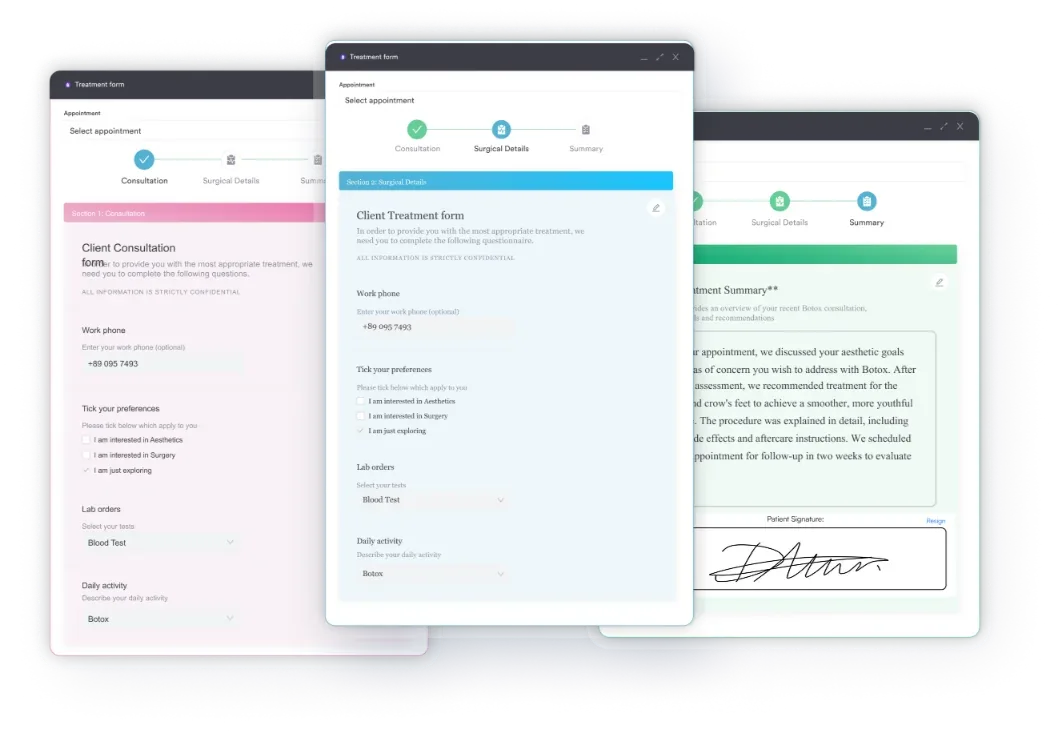
At minimum, the record supporting an S0197 claim should show:
Some state programs ask for more, such as the units dispensed so far in the pregnancy. Pull the payer’s current policy before you submit your first S0197 claim.
Keep a running count of S0197 units per pregnancy in the patient record. When your state sets a maximum, the count tells you before you dispense whether the next supply is still billable.
S0197 is the only HCPCS code written for a prenatal vitamin supply. The AAPC S0197 code page is a useful reference when you compare it with the alternatives below.
The visit and the vitamins are separate lines. Billing the visit doesn’t cover the supply, and billing S0197 doesn’t cover the visit. Where the practice bills routine obstetric care as a global package under 59400, S0197 still goes on its own claim line.
Prior authorization rules for S0197 vary by payer and plan year. The steps below adapt the standard prior authorization process to an S-code. Work through them before you bill S0197 to a payer for the first time.
Understanding medical billing workflows at the payer level matters more for S-codes, because there is no federal standard for their coverage.
S0197 denials cluster around a few root causes. Tracking denial codes in medical billing by HCPCS code shows which one is driving your rejections. Good denial management strategies sort denials by reason code before you appeal or resubmit.
Unit errors are the S0197 audit risk to watch. A practice that bills two units for a single bottle has overbilled, whatever the payer pays. Solid medical billing compliance checks keep the unit count tied to the dispense record.
Set a claim edit that flags any S0197 line without a Z34, O09 or O26 diagnosis. A missing pregnancy diagnosis is the fastest path to a CO-11 denial, and the edit catches it before the claim leaves the practice.
HCPCS Code S0197 has no Medicare payment rate, because Medicare does not use S-codes. Every other payer sets its own rate, either in a state fee schedule or in your contract.
To find the rate that applies to you:
Compare the rate with what a 30-day supply costs you to buy. If the payment doesn’t cover the product, prescribing to a pharmacy may serve the patient and the practice better. Never budget on an estimated S0197 rate without the payer’s own figure.
These habits cut denials and speed up payment for S0197 claims. Most of them start at insurance eligibility verification, where S-code acceptance is confirmed before the patient leaves with a supply.
Many practices still track dispensed prenatal vitamins on a stock spreadsheet, apart from the chart and the claim. When those three records drift apart, unit errors and missed per-pregnancy limits follow.
Pabau keeps the three together. Its inventory management records each product’s batch number and expiry date against the patient and the appointment. Pabau’s claims management software runs eligibility checks and sends CMS-1500 claims, then posts remittances back.
The result is a dispense record that matches the claim line, unit for unit. Your team spots S0197 denials by payer instead of discovering them at month-end.

Pabau links dispensed stock, patient records and claims, so every S0197 unit you bill matches what left the practice. See how it works.

S0197 pays for a product, so the claim is only as strong as the dispense record behind it. Practices that bill it well treat each unit as a 30-day supply they can point to in the chart, with a pregnancy diagnosis beside it.
Before you dispense, decide whether dispensing beats prescribing for each payer you bill. Where the state program pays S0197 at a rate that covers the product, it keeps patients supplied without a pharmacy trip. To see how Pabau connects stock, charts and claims for OB-GYN practices, book a demo.

Need a full framework for managing claim denials? Denial management in healthcare covers the process from denial identification to appeal.
Want to see where HCPCS codes fit in the revenue cycle? What is medical billing? explains each step from charge capture to payment.
Sending S0197 on a professional claim? CMS-1500 form explains the claim form that carries HCPCS supply lines like this one.
HCPCS Code S0197 covers prenatal vitamins dispensed to a pregnant patient, billed as one unit per 30-day supply. It does not cover the prenatal visit, counseling or vitamins filled at a retail pharmacy.
No. S0197 is a temporary national S-code, and Medicare does not pay S-codes. State Medicaid prenatal programs are the main payers that accept it, and commercial acceptance varies by plan.
Use a pregnancy supervision code. Z34.- covers supervision of a normal pregnancy, O09.- a high-risk pregnancy, and O26.- other pregnancy-related conditions. Add a Z3A weeks-of-gestation code where it applies.
The usual causes are a payer that does not cover S0197 or a diagnosis that doesn’t show pregnancy. Units over the limit, missing prior authorization and duplicate 30-day windows follow. Each has its own fix.
Bill one unit for each 30-day supply dispensed. Payers set their own limits. California’s Medi-Cal CPSP, for example, allows one unit (a 30-day supply) per date of service, up to a 300-day maximum supply per pregnancy. Check your payer’s current policy.