

HCPCS code E0198: Water pressure pad billing guide
HCPCS code E0198 is a water pad for a standard mattress HCPCS code E0198 is the ...

Last Updated: Oct 13, 2026
J7999 is the HCPCS Level II code for compounded drug, not otherwise classified.
The most common use is compounded bevacizumab (Avastin) for intravitreal injection, but J7999 covers any compounded drug that lacks a dedicated code. For broader context on how these codes fit the claims process.
Let Pabau's smart automation suggest the right codes, reduce claim denials, and keep your practice compliant—effortlessly.
Automate repetitive tasks and focus on what matters most—your patients.
Reduce coding errors and ensure compliance with the latest regulations.
Clean claims, fewer denials, and faster reimbursements.
Powerful insights and reporting to help your practice thrive.
HIPAA compliant SOC 2 certified GDPR-compliant Trusted by 4,000+ clinics worldwide

HCPCS Code J7999 covers compounded drugs that have no specific HCPCS J-code, added to the code set effective January 1, 2016.
Use J7999 only after confirming no specific J-code exists for the compounded drug – it carries Coverage Code D, meaning special coverage instructions apply.
J7999 is paid by invoice for most compounded drugs; the exception is intravitreal bevacizumab (Avastin), which follows a separate MAC-specific payment methodology.
Every J7999 claim requires a narrative in Box 19 of the CMS-1500 form – claims submitted without a drug name, dose, and route of administration are routinely denied.
Compounded (repackaged) bevacizumab bills under J7999, but the manufactured product uses a different code – J9035 for Avastin or the matching Q-code for a biosimilar like Mvasi or Zirabev.
Compounded medications are custom-prepared by a pharmacist for an individual patient, so they carry no NDC and the standard J-code lookup does not apply. J7999 exists for exactly this situation. Its official long descriptor is “Compounded drug, not otherwise classified” and its short descriptor is “Compounded drug, noc.” Key administrative properties confirmed across CMS and MAC databases are listed below.
| Property | Value |
|---|---|
| HCPCS Code | J7999 |
| Long descriptor | Compounded drug, not otherwise classified |
| Short descriptor | Compounded drug, noc |
| Coverage Code | D – Special coverage instructions apply |
| Action Code | N – No maintenance for this code |
| Action Effective Date | January 1, 2016 |
| BETOS Classification | Other Drugs |
| Code Category | Drugs, Not Otherwise Classified |
Coverage Code D is significant. It means Medicare does not automatically cover every compounded drug billed under J7999. Coverage decisions depend on the specific drug, the clinical indication, and the Medicare Administrative Contractor (MAC) with jurisdiction over the claim. Providers should verify MAC-specific policies before submitting.
J7999 applies when a provider administers a compounded drug and no other HCPCS J-code accurately describes the medication. The controlling rule is straightforward: if no HCPCS code exists for the compound being billed, J7999 is the appropriate code to use. Payers and MACs state this explicitly in their drugs and biologicals guidance.
The most common clinical scenario is intravitreal bevacizumab, marketed as Avastin but compounded by a pharmacy for injection into the eye. Because compounded bevacizumab has no NDC, a specific J-code cannot be assigned. A Novitas LCD article referenced by the American Academy of Ophthalmology confirms that providers should report J7999 for compounded bevacizumab administered intravitreally.
Other situations where J7999 applies include compounded pain management solutions, custom hormone preparations, and off-label compounded biologics administered in-office. The Avastin rule only holds when a pharmacy has actually repackaged or altered the product – if the manufacturer’s labeled bevacizumab is administered as supplied, a different code applies (see the comparison below). The decision logic for J7999 itself is straightforward:
The same disciplined code-selection logic applies to any injectable drug billed under HCPCS – see, for example.
Several HCPCS codes cover unclassified or not-otherwise-classified drugs. Choosing the wrong one is one of the most frequent denial triggers in compounded drug billing. The table below maps the key distinctions confirmed by CMS HCPCS guidance and MAC billing articles.
The most common source of confusion is J7999 vs J3490. The critical distinction: J3490 covers commercially manufactured drugs with no specific J-code; J7999 is reserved for compounded drugs specifically. Because compounded medications lack an NDC by definition, standard J-codes cannot be applied, and J7999 becomes the correct route.
Bevacizumab is one drug with several possible billing codes, and the correct one depends entirely on what the pharmacy did to it before it reached the patient. J7999 applies only when a compounding pharmacy has repackaged or altered the product – typically splitting a full-size vial into single-dose intravitreal aliquots for multiple patients, which is why many ophthalmology practices use a compounding pharmacy for Avastin in the first place.
If the manufacturer’s labeled product is billed as supplied, without compounding, a different code applies instead of J7999:
NGS Medicare’s billing and coding article for bevacizumab and biosimilars confirms this split. Billing J9035 or a Q-code for a compounded product – or J7999 for a manufactured one administered as labeled – is a frequent, avoidable denial trigger.
Practices billing across multiple payer types, including private payers and Medicare, often need to map different NOC codes to the same drug depending on the patient’s coverage. Building a payer-specific code reference into your billing workflow avoids this confusion at claim time. Where a practice bills both markets, mapping between code sets is manual, so MBS item numbers are checked separately.
Before billing J7999, check whether your MAC has issued a Local Coverage Determination (LCD) or billing article specifically addressing the compounded drug in question. Noridian, NGS, Novitas, and FCSO all publish drug-specific billing guidance. A quick MAC lookup takes five minutes and can prevent a denial that takes 60 days to appeal.
J7999 claims are denied more often than most drug codes because payers require supporting narrative and documentation that standard J-codes do not require. Coverage Code D signals this directly: special coverage instructions apply, and the provider must supply the specifics.
Every J7999 claim submitted on a CMS-1500 form must include a narrative description in Box 19. At minimum, the narrative should include:
Electronic claim submissions use the narrative equivalent field. Some MACs also require the compounding pharmacy’s invoice to be submitted alongside the claim. Check your specific MAC’s billing article before submitting.
The patient’s medical record must support the medical necessity of the compounded drug. Required elements include the diagnosis justifying administration, documentation that no commercially available alternative was clinically appropriate, and a record of the drug name, dose, date, and administering provider.
For ophthalmology practices billing compounded bevacizumab under J7999, Novitas and other MACs require documentation aligning with the relevant LCD for intravitreal anti-VEGF therapy. Capturing this on a structured superbill at the point of care prevents reconstruction errors at billing time.
Structured digital documentation workflows help ensure that clinical notes capture the required drug administration details at the point of care, rather than reconstructing them at billing time. Practices using prescription management workflows can tag compounded prescriptions for automatic documentation flags.
J7999 is typically billed from a single-dose container, which brings CMS’s drug-wastage modifiers into play alongside the Box 19 narrative:
Omitting JW or JZ is an easy way to turn an otherwise clean J7999 claim into a denial, since it now sits alongside the Box 19 narrative as a standard documentation check.
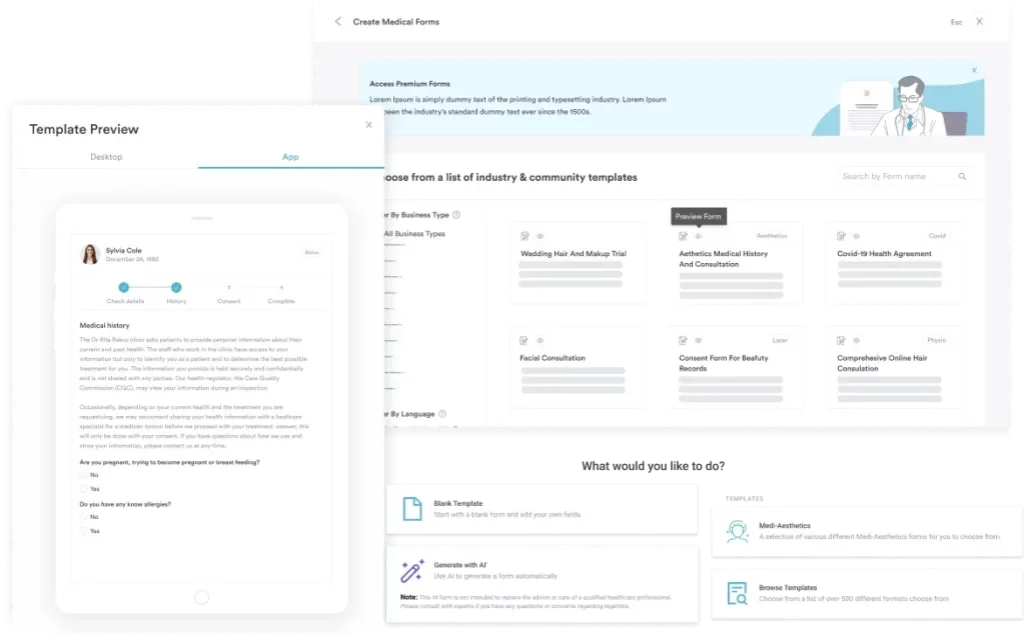

Pabau’s claims management tools help practices capture drug name, dose, and administration details at the point of care – so J7999 narratives are ready before billing, not assembled from memory after a denial.

J7999 Medicare reimbursement rules start with Part B, which covers drugs administered incident to a physician’s service – compounded drugs can qualify, but coverage is not guaranteed. Two reimbursement methodologies apply depending on the specific drug billed under J7999.
For the majority of compounded drugs billed under J7999, Medicare pays based on the provider’s invoice from the compounding pharmacy. According to FCSO Medicare’s guidance on not-otherwise-classified codes, J7999 is “paid by invoice except for Intravitreal Avastin.” This means the reimbursement amount is not published in the Medicare Physician Fee Schedule (MPFS) – it is determined by the actual acquisition cost documented on the pharmacy invoice.
To support invoice-based payment, providers should retain the compounding pharmacy invoice and submit it with the claim when required. Some MACs require invoice submission proactively; others request it on appeal. Confirm your MAC’s process through its billing articles or provider portal.
Compounded bevacizumab (Avastin) for intravitreal injection follows a different reimbursement approach. Because of its volume and consistent use in ophthalmology, several MACs have established specific payment rates rather than relying on invoice. The Novitas LCD confirms J7999 as the correct code, but payment is set by MAC-specific local coverage policy rather than invoice alone. Practices billing this drug should review the current Novitas or regional MAC billing article for the applicable rate and any prior authorization requirements.
Medicare does not uniformly require prior authorization for J7999, but individual MACs may. Commercial payers and state Medicaid programs have their own requirements. Always verify authorization requirements for the specific drug and payer before administration. Failure to obtain required authorization is one of the leading causes of J7999 denials that cannot be successfully appealed.
For practices building revenue cycle workflows across multiple payer types, adding prior authorization checks to the pre-service step prevents the most avoidable denials. Confirm whether a fee schedule rate exists for J7999 under your MAC’s jurisdiction before relying on invoice pricing, since most compounded drugs are contractor-priced rather than listed in the fee schedule.
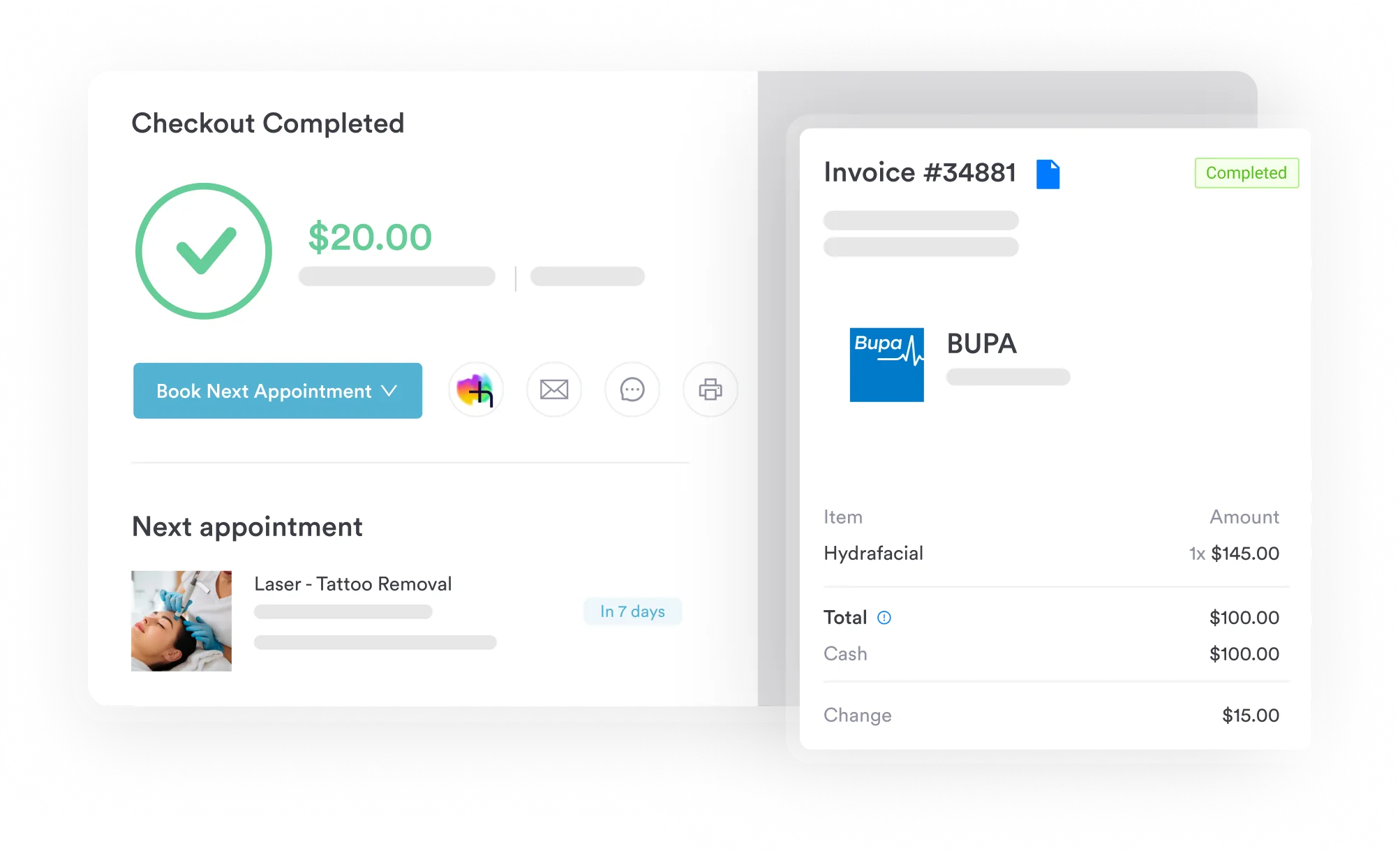
When billing J7999 invoice-based claims, attach the compounding pharmacy invoice to the claim or keep it on file for audit. Document the invoice date, the pharmacy name, the drug compounded, and the total acquisition cost. MACs that initially pay on invoice may audit the amount during post-payment review – a clean invoice trail resolves most of these cases without formal appeal.
Submitting a clean J7999 claim requires more preparation than most drug codes. The following step-by-step workflow reflects the requirements confirmed by NGS Medicare, Noridian, and FCSO billing guidance.
For practices handling compounded drug billing alongside other unclassified codes, a consistent internal checklist for J7999 claims cuts denial rates significantly. The same documentation discipline that applies to specialty drug billing codes in reproductive medicine applies here: narrative specificity and invoice documentation are the difference between clean claims and lengthy appeals.
Practices that have built structured billing workflows – the same rigor they apply to drug administration billing – consistently report fewer initial denials than those handling J7999 claims on an ad hoc basis.
J7999 denials fall into predictable patterns. Each has a straightforward prevention strategy.
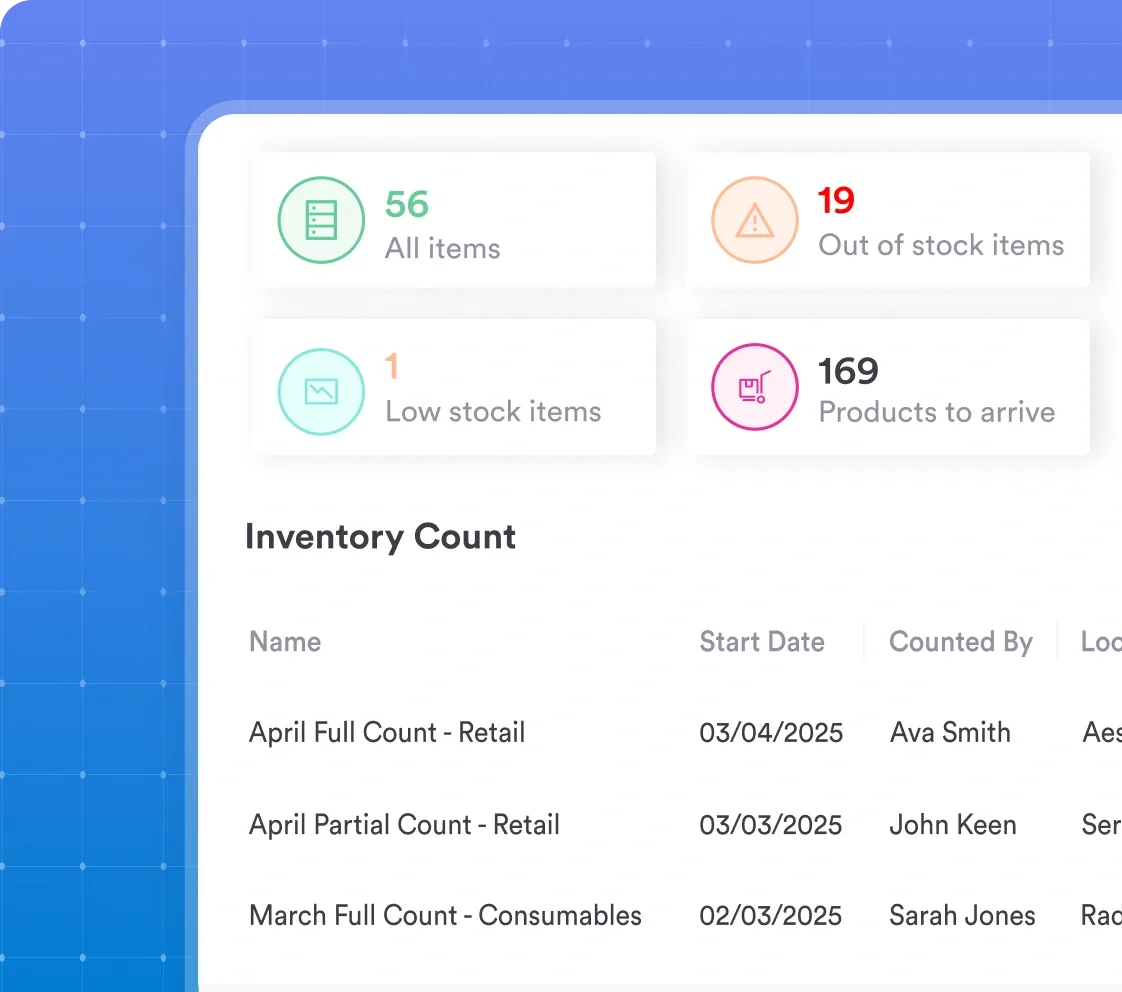
For practices managing drug inventory management alongside billing workflows, linking compounded drug records to claim documentation at the point of dispensing reduces the manual reconstruction work that leads to denial-prone claims. Maintaining HIPAA-compliant documentation practices throughout the compounded drug workflow also protects practices during audit.
When a denial is received, appeal promptly. Most J7999 denials are not coverage decisions – they are administrative deficiencies. A well-documented appeal with the compounding pharmacy invoice, Box 19 narrative, and clinical notes resolves the majority of cases on first reconsideration.
Compounded drug billing fails most often not because of coverage issues, but because of preventable documentation errors. HCPCS Code J7999 requires a complete Box 19 narrative, a compounding pharmacy invoice, and clinical notes supporting medical necessity – every time, on every claim. The right medical billing software makes that documentation routine rather than reactive.
Pabau’s claims management software connects point-of-care drug administration records directly to billing workflows, so the documentation required for clean J7999 submissions is captured before a claim is ever generated. To see how Pabau handles compounded drug billing documentation end to end, book a demo.

Coding a follow-up visit for a wrist subluxation? ICD-10 code S63.002D covers a subsequent encounter for an unspecified subluxation of the left wrist.
Coding an unspecified finger subluxation? ICD-10 code S63.209A covers an unspecified subluxation of an unspecified finger at the initial encounter.
Coding a follow-up visit for a wrist sprain? ICD-10 code S63.501D covers a right wrist sprain at every follow-up visit while it heals.
HCPCS Code J7999 is used to bill for compounded drugs that have no specific HCPCS J-code, typically because the medication is custom-prepared by a compounding pharmacy and therefore carries no National Drug Code (NDC). It applies to non-antineoplastic compounded drugs administered in a physician’s office or outpatient clinical setting, covering drugs like compounded bevacizumab for intravitreal injection.
Use J7999 when the drug is compounded (no NDC exists). Use J3490 when the drug is commercially manufactured but has no specific HCPCS J-code. Use J3590 when the product is an unclassified biologic. The key distinction is whether the medication was custom-prepared by a compounding pharmacy – if it was, J7999 is the correct code.
Medicare Part B may cover compounded drugs billed under J7999 when administered incident to a physician’s service and medically necessary, but coverage is not automatic. Coverage Code D on J7999 means special coverage instructions apply. The specific MAC with jurisdiction over the claim determines coverage based on local coverage policies. Verify with your MAC before billing.
Most compounded drugs billed under J7999 are reimbursed based on the provider’s invoice from the compounding pharmacy – there is no published fee schedule rate. The exception is intravitreal bevacizumab (Avastin), which some MACs reimburse at a specific rate rather than by invoice. Retain the pharmacy invoice for every J7999 claim and submit it when required by your MAC.
Box 19 on the CMS-1500 form must include the compounded drug’s generic name, the dose per unit billed, the route of administration, and a statement that no NDC exists because the drug is compounded. Submitting J7999 without a complete Box 19 narrative is the leading cause of claim denial for this code.
J7999 covers compounded non-antineoplastic drugs with no specific J-code. J9999 covers not-otherwise-classified antineoplastic (chemotherapy) drugs. If the compounded drug being billed is used for cancer treatment, J9999 is the correct code – not J7999. CMS defines J7999 specifically to exclude chemotherapy drugs classified under J9999.
J7999 is an HCPCS Level II code, not a CPT code. CPT (Current Procedural Terminology) is the AMA’s coding system for procedures and services; HCPCS Level II is a separate set maintained for drugs, biologicals, and supplies that CPT does not cover. It’s a common mix-up – some billing guides even mislabel J7999 as a CPT code – but claims should reference it as HCPCS.
J7999 is for compounded bevacizumab – a pharmacy has repackaged or altered the product, typically splitting a vial into single-dose intravitreal aliquots. J9035 is for the manufacturer’s labeled Avastin administered as supplied, with no compounding involved. A biosimilar administered as labeled uses its own Q-code instead, such as Q5107 for Mvasi or Q5118 for Zirabev.



