

CCSD code G5100: Bypass of duodenum billing guide
CCSD code G5100 bills a bypass that leaves the duodenum in place CCSD code G5100...

Last Updated: Oct 16, 2026
J1000 is the HCPCS Level II code for injection, depo-estradiol cypionate, up to 5 mg.
Let Pabau's smart automation suggest the right codes, reduce claim denials, and keep your practice compliant—effortlessly.
Automate repetitive tasks and focus on what matters most—your patients.
Reduce coding errors and ensure compliance with the latest regulations.
Clean claims, fewer denials, and faster reimbursements.
Powerful insights and reporting to help your practice thrive.
HIPAA compliant SOC 2 certified GDPR-compliant Trusted by 4,000+ clinics worldwide

HCPCS Code J1000 covers injection of depo-estradiol cypionate, up to 5 mg, billed per administration under the J-code category for drugs administered by injection.
J1000 is valid for 2025 and 2026 under CMS HCPCS Level II; Medicare Part B covers it when medical necessity is documented with a supporting ICD-10 diagnosis code.
Modifiers JW and JZ are required when reporting drug waste or confirming no waste; incorrect modifier use triggers audits and claim denials.
Pabau’s claims management software streamlines J-code billing by linking drug administration records to diagnosis codes, automating documentation, and reducing claim errors.
HCPCS Code J1000 bills a single intramuscular injection of depo-estradiol cypionate, up to 5 mg. Maintained by CMS under HCPCS Level II, it is valid for 2025 and 2026 and covered by Medicare Part B when a clinician administers the drug and documents medical necessity.
Most injection billing denials trace back to missing documentation, not the code itself. HCPCS Code J1000 defines “Injection, depo-estradiol cypionate, up to 5 mg” and sits within the J-code category maintained by the Centers for Medicare and Medicaid Services (CMS) under HCPCS Level II for drugs administered by injection.
The code covers a single administration event of up to 5 mg of estradiol cypionate delivered via intramuscular injection. The short form used on claims and in crosswalk tables is “Depo-estradiol cypionate inj.” CMS confirms J1000 as valid for both 2025 and 2026 billing periods and falls under the broader category of Drugs Administered Other than Oral Method (J0013-J7175).
| Property | Detail |
|---|---|
| HCPCS Code | J1000 |
| Short description | Depo-estradiol cypionate inj |
| Long description | Injection, depo-estradiol cypionate, up to 5 mg |
| Code category | Drugs Administered Other than Oral Method (J0013-J8999) |
| Sub-category | Drugs, Administered by Injection (J0013-J7175) |
| Active status | Valid 2025 and 2026 |
| CMS Addendum A weight | 0.00020815 |
| Adjacent code | J1010 (Injection, methylprednisolone acetate, 1 mg) |
J1000 immediately precedes J1010 in the J-code sequence. The CMS Competitive Acquisition for Biologicals Addendum A assigns J1000 a weight of 0.00020815, reflecting its relative cost within the program’s drug category list.
Depo-estradiol cypionate is a long-acting injectable form of estradiol, typically administered intramuscularly. Practices billing J1000 span several clinical settings.
The supporting ICD-10 diagnosis codes most commonly paired with J1000 include Z79.890 (hormone replacement therapy status), E28.39 (other primary ovarian failure), and Z87.39 (personal history of other endocrine, nutritional, and metabolic diseases). Always verify payer-specific medical necessity criteria before submitting.
Document the specific clinical indication for each J1000 administration in the patient’s chart. Payers may request records to verify medical necessity, particularly for gender-affirming therapy indications where coverage policies vary significantly across commercial insurers.
Medicare Part B covers J1000 under its Part B drug benefit for physician-administered drugs. Coverage applies when a clinician administers the drug in a qualifying clinical setting — not when the patient self-administers it at home. CMS has published payment limits for J1000 since at least January 1, 2004. Medicare billing rules like this vary by claiming channel and billing model, which is why practices confirm requirements before submitting.
Medicare Part B pays for most covered drugs at 106% of the Average Sales Price (ASP). The three pricing benchmarks used in J1000 reimbursement discussions are:
Because ASP rates update quarterly, any specific dollar figure cited in third-party resources may be outdated. Always verify current J1000 payment rates directly via the CMS quarterly ASP drug pricing files before submitting claims or advising patients on cost-sharing.
Medicaid coverage varies by state. Most state Medicaid programs cover J1000 through the Medicaid Drug Rebate Program, but prior authorization requirements differ. Confirm with each state’s fee schedule before billing.
When billing J1000 to Medicare and most commercial payers, practices must report the National Drug Code (NDC) on the claim alongside the HCPCS J-code. The NDC identifies the specific manufacturer, product, and package size actually administered, while J1000 identifies the type of service. Approximately 2 NDC codes currently map to HCPCS J1000, though this count can change as manufacturers update labeling or enter the market.
NDC codes follow the 11-digit format on claims (formatted as N9 qualifier + 11-digit NDC). Billing staff should confirm:
Use PGM Billing’s HCPCS lookup tool or NDClist.com to verify current NDC-to-HCPCS crosswalk data at publication. NDC mappings change when manufacturers reformulate products or receive new labeling approvals, so verify at the time of billing rather than relying on static reference lists. Practices using prescription management software can link NDC data directly to dispensing records to reduce transcription errors on claims.
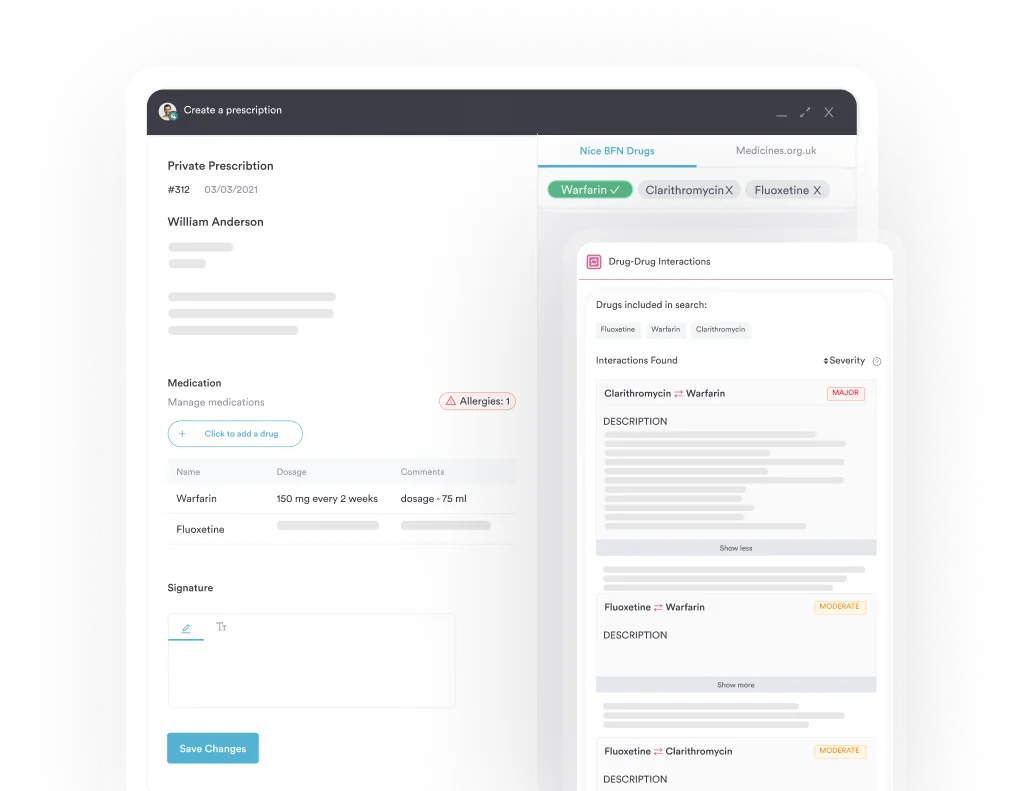

Pabau helps HRT, OB/GYN, and aesthetic clinics manage J-code billing from drug administration through claim submission. Link NDC codes to patient records, automate documentation, and reduce denials with built-in compliance tools.

Modifier usage is one of the highest-risk areas when billing J1000. Incorrect or missing modifiers are a common cause of claim denials and can trigger post-payment audits. The two most consequential modifiers for J-code drug billing are JW and JZ.
Append modifier JW when there is a discrepancy between the amount of drug drawn from the vial and the amount actually administered. For example, if a 5 mg/mL vial is opened and only 3 mg is administered, the remaining 2 mg constitutes reportable waste. The claim should include two line items: one for 3 mg administered (J1000 x1) and one for 2 mg wasted (J1000 with JW modifier). CMS requires separate reporting of drug waste on claims to ensure accurate reimbursement.
CMS introduced modifier JZ to affirm that no drug waste occurred and no separate waste line item will be reported. When the full contents of a single-use vial are administered, append JZ to J1000 to confirm complete use. Omitting both JW and JZ can result in claim edits or requests for documentation. Check your payer’s specific policy, as some commercial payers have not adopted the JZ modifier requirement.
| Modifier | When to use with J1000 |
|---|---|
| JW | Drug waste exists; bill separately for discarded portion |
| JZ | No drug waste; full vial administered, CMS required |
| SB | Nurse midwife service; may apply in some OB/GYN billing contexts |
| GY | Item or service statutorily excluded or not Medicare benefit |
| GA | Waiver of liability statement on file when claim expected to be denied |
NCCI (National Correct Coding Initiative) edits may affect J1000 when billed alongside related injection administration codes. Always check current NCCI tables before submitting claims. Practices managing medspa compliance and hormone therapy billing should review NCCI edits quarterly as CMS updates them.
A clean J1000 claim requires several elements to align before submission. Missing any step increases denial risk substantially.
Keep a payer-specific prior authorization log for J1000. Some commercial insurers require PA for gender-affirming indications but not for menopause. Track approval numbers and expiration dates in the patient record so renewal is completed before the authorization lapses and the next administration is unprotected.
Thorough documentation is what separates a paid J1000 claim from a denied or audited one. Medicare and commercial payers require evidence in the medical record to support both the service billed and the drug administered.
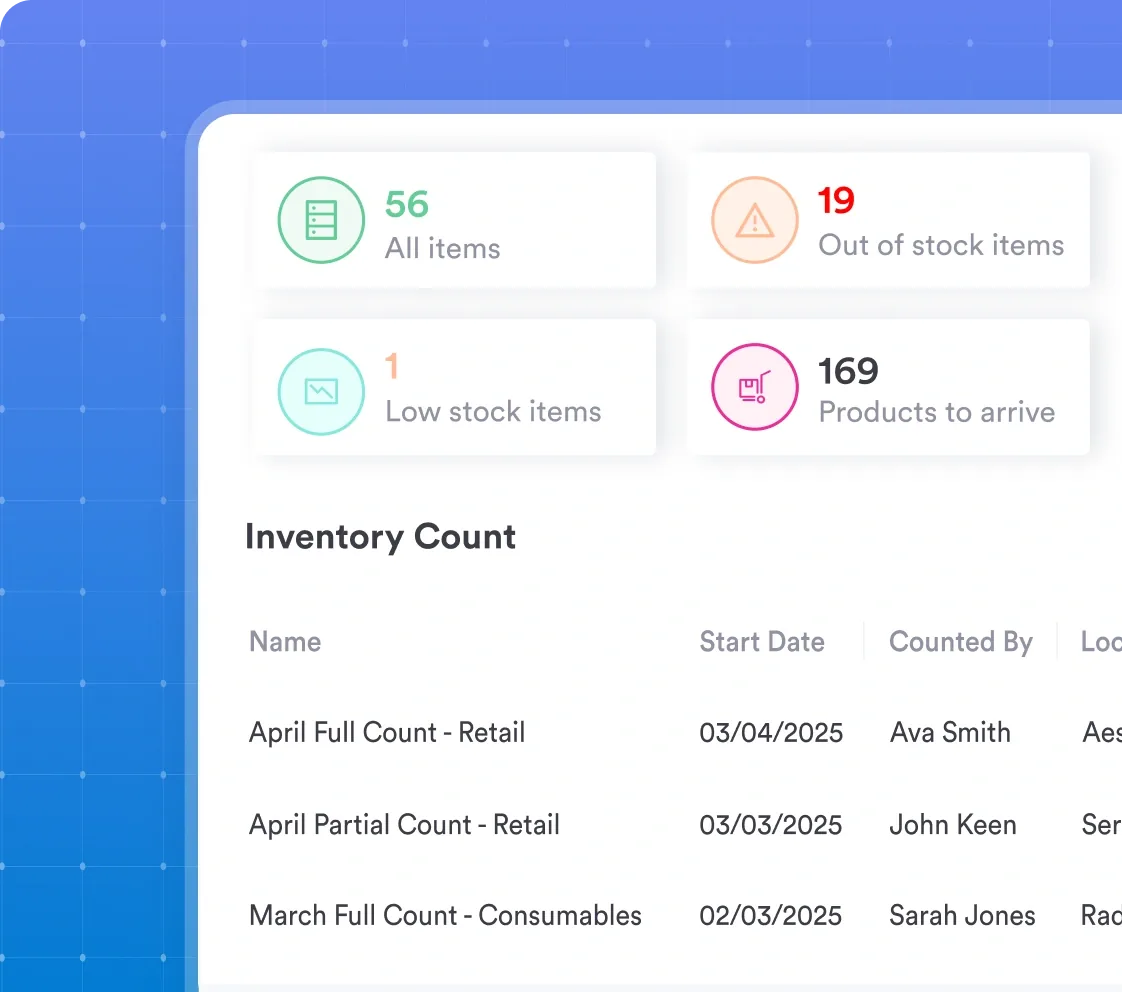
For HIPAA-compliant clinic software requirements, practices must store patient records containing drug administration details securely, with access controls and audit trails. This is especially relevant for clinics treating gender-affirming patients, where record privacy protections are a heightened concern. Pabau’s clinic inventory management tools also help track vial usage, supporting accurate waste reporting on claims without manual reconciliation.
Selecting the wrong estrogen injection code is a common billing error, particularly when multiple formulations are on the formulary. J1000 covers depo-estradiol cypionate specifically. Several related codes are often confused with it. One of them is J1380, which covers estradiol valerate rather than the cypionate ester.
| HCPCS Code | Drug description | Key distinction |
|---|---|---|
| J1000 | Depo-estradiol cypionate, up to 5 mg | Oil-based IM injection; cypionate ester of estradiol |
| J1380 | Estradiol valerate, up to 10 mg | Valerate ester; different pharmacokinetic profile and payer coverage rules |
| J1390 | Estradiol valerate, up to 40 mg | Higher dose valerate; used in different clinical protocols |
| J0970 | Estradiol cypionate, up to 5 mg | Generic cypionate code; verify with payer whether J0970 or J1000 is required |
| J1071 | Testosterone cypionate, 1 mg | Testosterone, not estradiol; used in male HRT and gender-affirming protocols |
The distinction between J1000 (depo-estradiol cypionate) and J0970 (estradiol cypionate) is worth confirming with each payer. Some payers accept J0970 as the preferred code for the same product. Submitting the wrong code, even for the same drug, can result in a denial or reduced payment. Use the AAPC Codify HCPCS lookup to verify current code descriptions and confirm which code your payer’s formulary references. Clinics that also bill functional medicine injection protocols should maintain a crosswalk table for all J-codes used regularly. Front-desk data entry and back-office coding both feed cash collection, so errors compound downstream.
Denials on J1000 claims follow predictable patterns. Understanding each reason makes appeals faster and prevents recurrence.
Submit appeals within the payer’s stated timeframe, usually 60 to 180 days from the denial date. Include the original claim, the Explanation of Benefits (EOB) or remittance advice, and supporting clinical documentation.
Billing HCPCS Code J1000 accurately depends on three things: the right diagnosis code, the right NDC, and the right modifier. Get any one of those wrong and the claim denies. Clinics administering injectable estrogen therapies for HRT, ovarian insufficiency, or gender-affirming care face this billing challenge at scale.
Pabau’s claims management software links drug administration records to diagnosis codes and flags missing NDC or modifier data before claim submission, reducing the back-and-forth that costs time and revenue. To see how Pabau supports injection billing workflows, book a demo.

Coding an undiagnosed hepatic lesion? Hepatic lesion diagnosis code explains when K76.89 applies to lesions that lack a definitive diagnosis.
Coding liver involvement from another disease? Liver disorder coding guide covers K77 for hepatic involvement caused by a systemic condition.
Coding an unspecified blistering condition? Bullous disorder diagnosis code explains when L13.9 applies to blistering skin with no diagnosis documented.
HCPCS Code J1000 is used to bill for an intramuscular injection of depo-estradiol cypionate, up to 5 mg. It applies in hormone replacement therapy, treatment of primary ovarian insufficiency, surgical menopause, and gender-affirming hormone protocols.
J1000 represents depo-estradiol cypionate, a long-acting injectable form of estradiol (estradiol cypionate) suspended in oil for intramuscular administration, available in a 5 mg/mL concentration. The brand name most associated with this formulation is Depo-Estradiol, manufactured by Pfizer.
Medicare Part B covers J1000 when administered in a physician’s office or qualifying clinical setting (not self-administered at home). Bill J1000 with the appropriate ICD-10 diagnosis code, the 11-digit NDC, and either the JW or JZ modifier. Bill the drug administration service separately using CPT 96372 or the applicable administration code.
For Medicare claims, either modifier JW (drug waste) or JZ (no waste) is required. JW is used when part of the vial is discarded; JZ confirms the entire vial was administered with no waste. Submitting neither modifier, or both, will trigger a claim edit or denial.
Approximately 2 NDC codes currently map to J1000. Because NDC assignments change when manufacturers update labeling, verify current mappings at the time of billing through NDClist.com or a verified HCPCS crosswalk tool rather than relying on static reference lists.
Required documentation includes: a dated visit note with the clinical indication, the supporting ICD-10 diagnosis code, the drug name and dose ordered, the NDC from the product label, the amount administered versus wasted (for JW/JZ), and the administering clinician’s signature. Prior authorization documentation is needed when the payer requires it.



