CPT Code 62284: Injection procedure for myelography
CPT Code 62284: official descriptor and procedure overview The American Medical ...

Last Updated: Oct 19, 2026
A4354 is the HCPCS Level II code for insertion tray with drainage bag but without catheter.
The code sits in the A-series supply and transport codes that CMS maintains, and it is active for 2026. Confirm that status against the official CMS HCPCS annual release file before you submit claims.
Denials on A4354 usually come from two places. One is documentation that never travels from the physician order to the claim line. The other is confusion with the sibling codes A4353 and A4352.
Let Pabau's smart automation suggest the right codes, reduce claim denials, and keep your practice compliant—effortlessly.
Automate repetitive tasks and focus on what matters most—your patients.
Reduce coding errors and ensure compliance with the latest regulations.
Clean claims, fewer denials, and faster reimbursements.
Powerful insights and reporting to help your practice thrive.
HIPAA compliant SOC 2 certified GDPR-compliant Trusted by 4,000+ clinics worldwide

HCPCS Code A4354 covers an insertion tray with a drainage bag but without a catheter.
Medicare Part B pays A4354 under the prosthetic device benefit, and CMS Policy Article A52521 sets the coverage rules.
A4353 includes a catheter and A4354 does not, which is the mix-up behind most denials in this code family.
Check the 2026 allowed amount in the current CMS DMEPOS fee schedule file before you bill.
Practice management software like Pabau keeps the physician order, the supply code, and the claim line in one record.
A4354 has one distinguishing feature baked into its official long descriptor. The tray includes a drainage bag, and it does not include a catheter. That absence is clinically intentional. Patients who already manage intermittent self-catheterization often need tray components without a second set of catheter supplies, and this code covers that supply pattern.
CMS maintains the code within the broader HCPCS Level II A-series. Suppliers can check the current descriptor wording and active status with the AAPC Codify HCPCS lookup or the NLM HCPCS Level II API. Either way, cross-reference the CMS files before submission rather than a third-party database.
Medicare Part B covers A4354 under the prosthetic device benefit in section 1861(s)(8) of the Social Security Act. Urological supplies do not sit in the durable medical equipment benefit. The billing route is the same either way, because the claim goes to a DME MAC.
Coverage is never automatic. It turns on LCD L33803 and its Policy Article A52521, which govern urological supplies in every jurisdiction.
Only two contractors process those claims. Noridian Healthcare Solutions covers Jurisdictions A and D, and CGS Administrators covers Jurisdictions B and C across the rest of the country. Both apply the same national policy, so check your own jurisdiction’s guidance for local documentation requirements.
Eligible patients include beneficiaries with permanent urinary retention or a neurogenic bladder diagnosis. Temporary post-surgical catheterization rarely meets the ongoing medical necessity threshold for repeated supply approvals. For patients managed long term, a clean record from the first physician order through every refill request is what prevents denials.
CMS and the MACs require specific documentation before they cover an A4354 claim. The following criteria apply under Policy Article A52521:
Medicaid coverage varies by state. Many state Medicaid programs cover A4354 as a urological supply, but reimbursement rates and documentation rules differ. Check with the individual state program rather than assuming parity with Medicare criteria.
A4354 pays under the prosthetic device benefit, and CMS prices it on the DMEPOS fee schedule rather than the physician fee schedule. That file is updated every calendar year.
The national limiting charge sets the ceiling for non-participating suppliers. The allowed amount is the base for participating suppliers, and it varies across the DME MAC jurisdictions.
Fee schedule amounts change each calendar year, so this guide publishes no dollar figure for 2026. Treating a third-party fee estimate as authoritative on a claim is a documentation error that invites audits.
Pull the current figure from the official CMS DMEPOS fee schedule, which is the file that prices supply codes. The physician fee schedule search tool does not carry A4354 at all. Reaching for it is the most common way a supply code gets priced wrong.
Run your A4354 claims through a pre-submission audit before each new fee schedule year starts. Pull the current CMS DMEPOS file, update the allowed amount benchmarks in your system, and flag anything still submitted at prior-year rates. One billing season on outdated fee data can produce a wave of underpayment adjustments and payer correspondence.
Denials on this code follow three patterns. The first is wrong code selection, usually A4353 or A4352 where A4354 applies. The second is a missing physician order. The third is a quantity that exceeds documented use. Each pattern comes back with its own reason code on the remittance advice. Knowing what denial codes mean saves a rework cycle, because a quantity denial and a missing-order denial need different fixes.
Only enrolled DMEPOS suppliers bill A4354 to Medicare Part B, and physician offices are not the billing entity for these codes. They can order the supplies, but the claim comes from the supplier. Practices that treat urological patients keep this cleaner by routing supply billing through a named DME supplier relationship.
Every A4354 claim needs a package that satisfies both the initial order requirements and the refill requirements. A missing element here is the main reason Medicare contractors ask for more information or open a post-payment review. Structured documentation keeps that record complete without a manual chase.
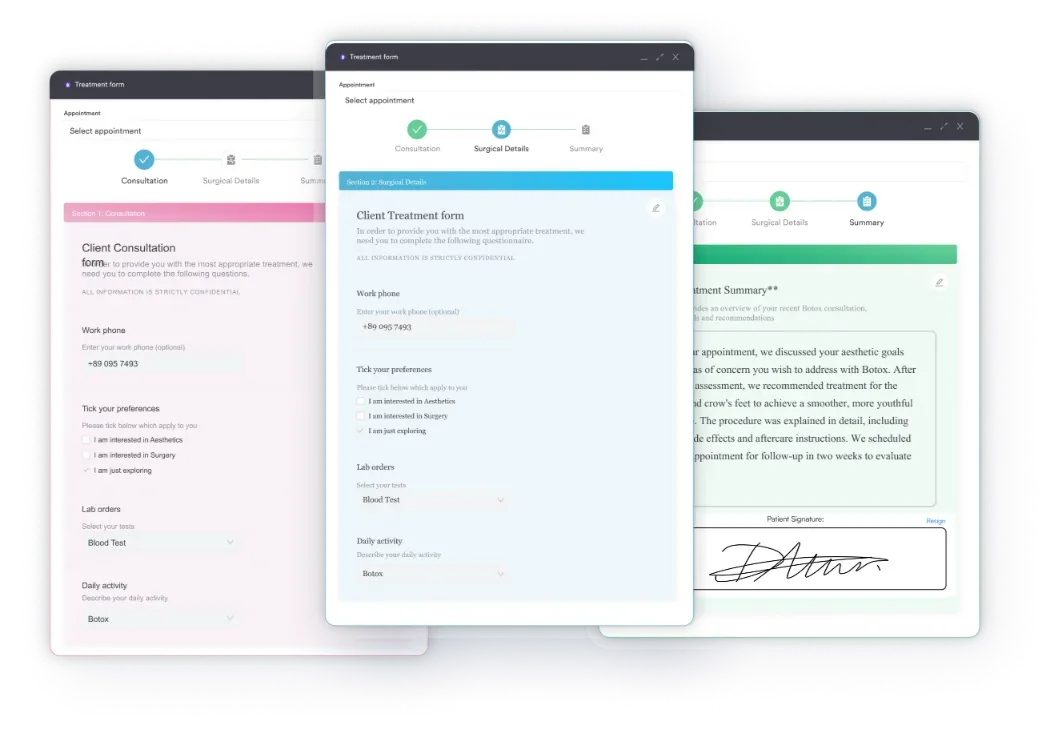
Capturing physician order data in digital intake forms cuts transcription errors and creates a time-stamped trail from order to claim. That trail is what a reviewer asks for when a claim is questioned months later. It is also far quicker to produce than a paper file.
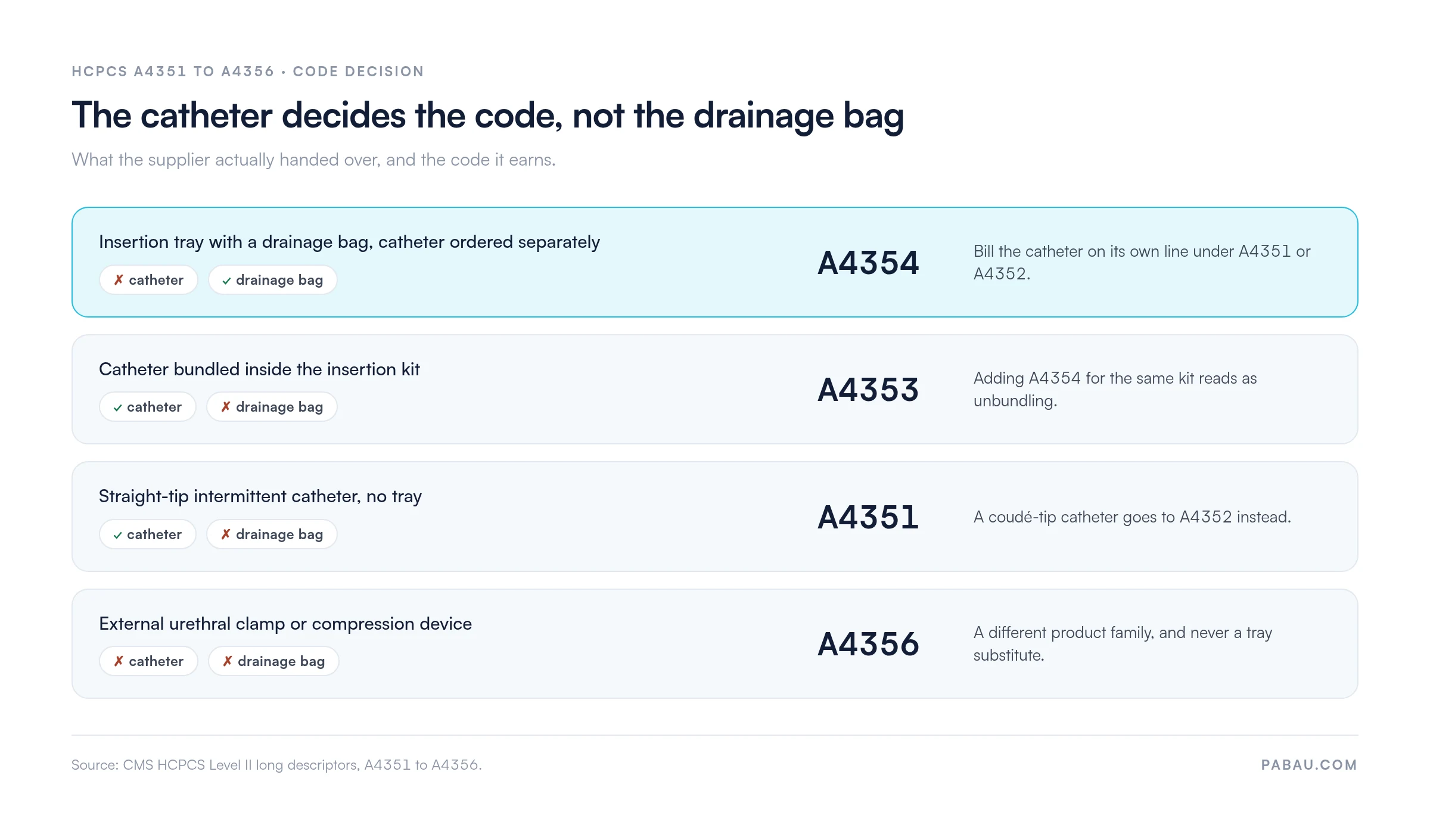
The A4351-A4356 family covers the full range of urinary catheter supplies. Picking the wrong code inside this family is the most avoidable denial cause in urological supply billing. A4353 includes a catheter, A4354 does not, and A4352 includes one as well. The catheter-included flag drives code selection here, not the drainage bag.
The A4353 versus A4354 distinction is the one to drill into your coding team. Both codes cover an insertion tray, and only A4353 bundles a catheter into it. A patient who receives a separate catheter order alongside tray supplies gets A4354 for the tray. The catheter goes on its own claim line. Billing A4353 in that situation reports a catheter you never supplied, which is overcoding. The decision below runs the whole family through that one question.
One neighboring code sits outside the A4351-A4356 range. A tray that carries a three-way catheter with a drainage bag for continuous irrigation is coded A4316. Billing A4354 beside it for a single kit reports the same tray twice.
Other supply families reward the same descriptor-level reading. Walker, commode and wound care codes also turn on which components the item includes. Reading the long descriptor before you code protects claims well beyond urology.
CMS publishes HCPCS Level II changes every year, usually effective January 1. For 2026 the urinary catheter supply range A4351-A4356 remains active, and no descriptor revision to A4354 is confirmed at the time of publication. The bigger 2026 change sits in payment policy rather than the code set. The CY2026 final rule brings urological supplies into competitive bidding, with contract prices effective no later than January 1, 2028.
The practical step is simple. Download the official CMS 2026 HCPCS code file at the start of the year and compare the descriptors against the prior-year file. Any change to a code in your billing mix calls for an immediate review of claims in progress. A one-page list of the supply codes you actually bill turns that January check into a 20-minute job.
Set a calendar reminder for the first week of November each year. CMS usually releases the following year’s HCPCS files by late fall. Cross-check the A4351-A4356 descriptors against your billing templates before January claims go out, because catching a descriptor change pre-submission beats a denial-and-resubmit cycle.
Most HCPCS lookup tools stop at code reference. They show the descriptor, the fee schedule, and the related codes. The biller then retypes all of it into a separate billing system, and that context-switching is where transcription errors and denials start.
Practice management software like Pabau closes that distance. Our audit-ready claims management keeps the patient record, the physician order and the claim in one system. For practices billing A4354 and the wider A-series codes, the biller works from the record that already holds the order and the diagnosis. There is no second system to retype it into.
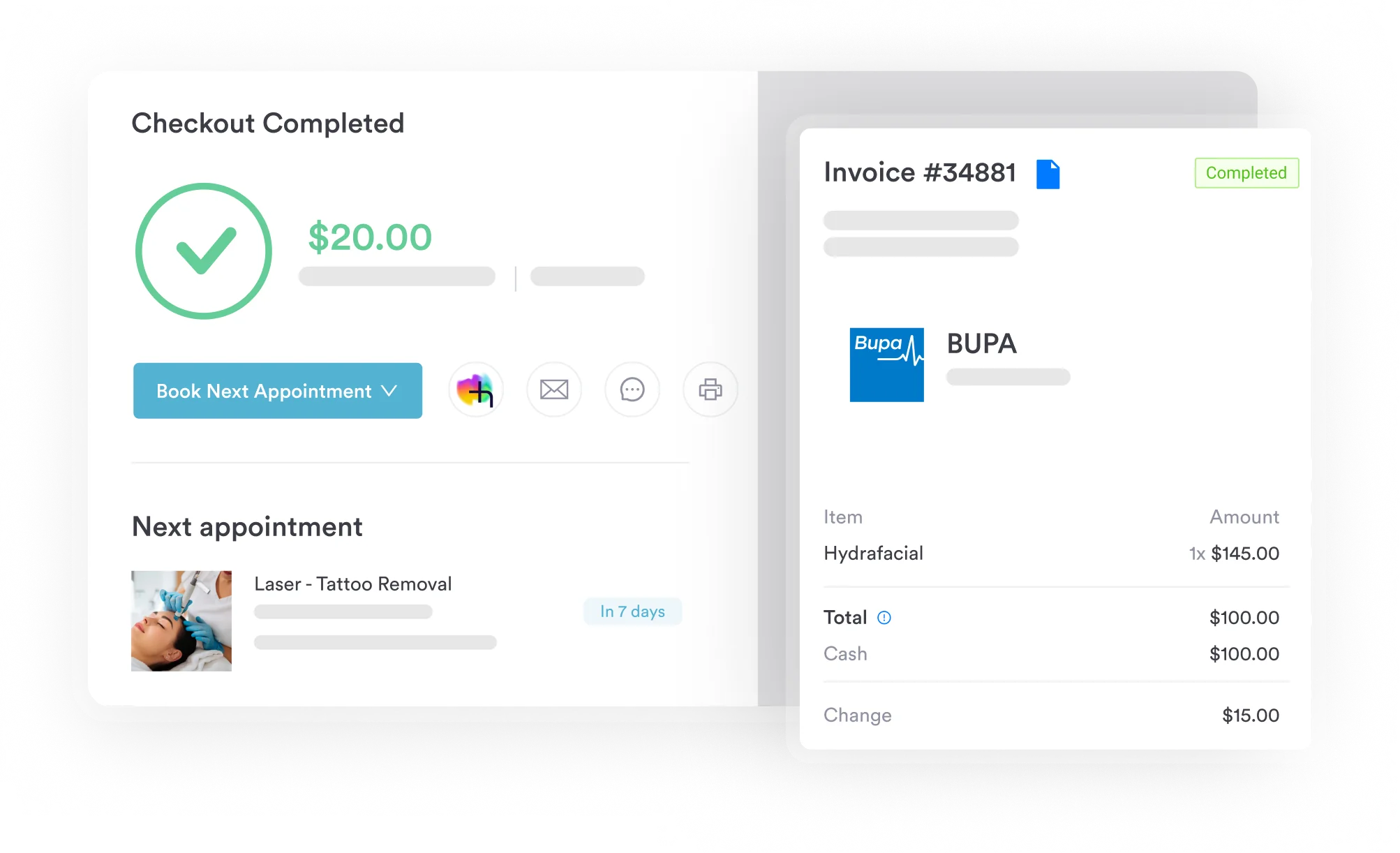
Two capabilities matter most for this code. Digital forms capture the physician order with a signature and a time stamp attached to it. Client records then hold the diagnosis and the supply detail beside that order, so nobody rebuilds the file at claim time.
That single record pays off when a MAC opens a post-payment review. The order, the diagnosis, and the claim line come out of one place. You answer in hours rather than days.

Pabau keeps HCPCS supply code documentation, patient records and claims in one system. A supply claim is submitted from the record that already holds the physician order. Your billers stop switching between a lookup tool and a billing platform.

A4354 is not a difficult code. It gets denied because the documentation and the claim line are produced in two different places, by two different people. Fix that handoff and this code stops appearing in your denial reports.
Two habits carry most of the weight. Ask one question before you code a tray, which is whether the kit included a catheter. Then verify the allowed amount in the current DMEPOS file instead of trusting last year’s number. The rest of this guide supports those two moves.
If your team bills urological supplies across many patients and refill cycles, one system for orders, codes, and claims removes most of the risk. Book a demo to see how Pabau handles HCPCS supply codes from the physician order through to the paid claim.

Coding the kit that includes a catheter? A4353 sets out the coverage and documentation rules for the catheter-included tray.
Billing the catheter on its own line? A4351 covers the straight-tip intermittent catheter and its quantity limits.
Supplying a bedside drainage bag instead? A4357 explains when the bag is billed separately from a tray.
Reaching for a clamp rather than a tray? A4356 walks through the external urethral clamp and its coverage limits.
Working a backlog of supply denials? Denial management in healthcare shows how to work the queue by reason code instead of one claim at a time.
HCPCS Code A4354 bills an insertion tray with drainage bag but without catheter. Enrolled DMEPOS suppliers bill it to Medicare Part B under the prosthetic device benefit. The patient needs documented urinary retention or a neurogenic bladder condition.
A4353 includes a catheter inside the insertion tray kit. A4354 includes a drainage bag and no catheter. Billing A4353 when no catheter was supplied is an overcoding error. Use A4354 when the catheter is billed separately under A4351 or A4352.
Yes. Medicare Part B covers A4354 under the prosthetic device benefit when the claim satisfies LCD L33803 and Policy Article A52521. Coverage requires a written physician order, a qualifying diagnosis such as neurogenic bladder, documented medical necessity, and quantities within the limits.
You need a written physician order with the diagnosis, supply type, quantity, and frequency. Add medical necessity documentation for a covered diagnosis under CMS Policy Article A52521, quantity compliance records, and KX modifier support. Refills need a fresh order once the original passes 12 months.
Verify the 2026 allowed amount directly in the CMS DMEPOS fee schedule file, because amounts change annually. The physician fee schedule search tool does not price supply codes. Read the DMEPOS file for the allowed amount and the national limiting charge.
Yes. A4354 can be billed alongside A4351 or A4352 when the tray with bag and a separate catheter are both genuinely supplied. A4354 and A4353 should not be billed together for the same supply episode, because A4353 already bundles a catheter.
Medicaid coverage for A4354 varies by state. Many state programs cover urological supplies, but reimbursement rates and documentation requirements differ from Medicare and from each other. Always verify with the specific state Medicaid program before billing.