

HCPCS code E0198: Water pressure pad billing guide
HCPCS code E0198 is a water pad for a standard mattress HCPCS code E0198 is the ...

Last Updated: Oct 13, 2026
A4351 is the HCPCS Level II code for intermittent urinary catheter; straight tip, with or without coating (teflon, silicone, or silicone elastomer, etc.), each.
Let Pabau's smart automation suggest the right codes, reduce claim denials, and keep your practice compliant—effortlessly.
Automate repetitive tasks and focus on what matters most—your patients.
Reduce coding errors and ensure compliance with the latest regulations.
Clean claims, fewer denials, and faster reimbursements.
Powerful insights and reporting to help your practice thrive.
HIPAA compliant SOC 2 certified GDPR-compliant Trusted by 4,000+ clinics worldwide

HCPCS Code A4351 describes an intermittent urinary catheter with a straight tip, with or without a teflon or silicone coating, billed under Medicare’s DME benefit.
Coverage requires a physician order documenting medical necessity under LCD L33803; eligible diagnoses include urinary retention, spinal cord injury, and neurogenic bladder.
A4351 remains active for non-hydrophilic straight-tip catheters; hydrophilic-coated catheters move to new code A4295 for dates of service on or after January 1, 2026.
Pabau’s claims management software helps DME suppliers and clinical practices track documentation requirements and reduce A4351 claim denials.
HCPCS Code A4351 is a Level II HCPCS code for an intermittent urinary catheter with a straight tip, billed under Medicare Part B and other payers as durable medical equipment (DME). Teflon, silicone, and uncoated straight-tip catheters bill under A4351; hydrophilic-coated straight-tip catheters bill separately under new code A4295 for dates of service on or after January 1, 2026.
This guide covers the official descriptor, Medicare coverage criteria under LCD L33803, documentation requirements, 2026 fee schedule rates, and the hydrophilic coding update.
A4351 is one of the most frequently miscoded urological supply codes, because the boundaries between A4351, A4352, and A4353 determine reimbursement accuracy. Wrong code selection and incomplete physician documentation are the leading causes of DME claim denials for these supplies.
The Centers for Medicare and Medicaid Services (CMS) updates HCPCS Level II codes annually, so verify the current descriptor before submitting claims.
The straight tip design distinguishes A4351 from A4352, which covers a coude (curved) tip. Teflon and silicone coatings still fall within the A4351 descriptor.
Hydrophilic coating doesn’t: for dates of service on or after January 1, 2026, hydrophilic-coated straight-tip catheters bill under new code A4295, not A4351. Confirming the coating type on the supplied product before billing prevents coding errors that trigger claim audits.
Medicare coverage for intermittent urinary catheter supplies is governed by Local Coverage Determination L33803, which sets the indications, limitations, and documentation requirements for A4351 claims. Coverage is not automatic. The patient must have a documented medical condition requiring intermittent catheterization, and the treating physician must certify medical necessity in writing.
Good documentation practices become critical here. A physician order lacking the required elements is the single most common reason A4351 claims are denied on post-payment audit.
Coverage indications under LCD L33803:
Coverage exclusions:
Every A4351 claim requires a supporting ICD-10-CM diagnosis code establishing medical necessity. The ICD-10 codes listed below are among those covered under LCD L33803. This is not an exhaustive list; verify the full covered diagnosis set against the current LCD before submitting claims.
Always use the most specific ICD-10 code available for the patient’s condition. Using an unspecified code (e.g., R33.9) when a more specific code is documented risks claim rejection under medical necessity review. Maintaining accurate patient clinical records with the documented diagnosis tied to the catheterization order is the foundation of a clean claim.
A Medicare audit of A4351 claims will request the physician order, the medical necessity documentation, and proof that the quantity billed matches the documented catheterization frequency. Missing any one of these will result in recoupment. The HIPAA compliance standards that govern patient records apply equally to DME supplier records supporting these claims.
Required physician order elements:
Medical necessity documentation in the patient file:
Practices that struggle with documentation completeness often benefit from structured intake workflows. Strong patient compliance documentation also supports ongoing medical necessity at recertification.
Request a written order renewal every 12 months for patients on long-term intermittent catheter programs. LCD L33803 requires updated physician documentation when supplies are ordered beyond the initial authorization period. Build renewal reminders into your scheduling workflow so orders never lapse before the next supply shipment.
The best medical practice management systems tie supply usage to invoices, so dressing changes stop being free.
Medicare reimbursement for HCPCS Code A4351 is set through the DME fee schedule administered by CMS. Rates are updated annually and vary by region under the standard jurisdictional fee schedule; urological supplies aren’t part of the DMEPOS Competitive Bidding Program.
Use the fee schedule lookup tool to confirm current allowable rates for your specific jurisdiction before quoting patients or submitting claims.
The table below shows illustrative rate ranges based on publicly available Medicare DME fee schedule data. Actual rates vary by region and jurisdiction. Always verify against the current CMS DME fee schedule file before billing.
LCD L33803 sets monthly quantity limits for intermittent catheters. Exceeding these limits without documentation of medical necessity will trigger automatic claim edits and denials.
When neither the quantity nor the documentation on file will support a claim, having the patient sign a Medicare waiver before the catheters go out protects the supplier from absorbing the cost of a predictable denial.
Modifier selection is where many A4351 claims run into trouble. The wrong modifier (or a missing one) can result in claim rejection, payment at a lower rate, or an audit flag. The AAPC HCPCS code reference provides modifier guidance alongside code descriptors.
The KX modifier is the most consequential for A4351 claims. Suppliers often add KX reflexively, but doing so without the required documentation in the patient file constitutes a compliance risk. The documentation must exist before the modifier is applied. Integrated claims management software helps practices enforce modifier rules at the point of claim generation rather than catching errors after denial.
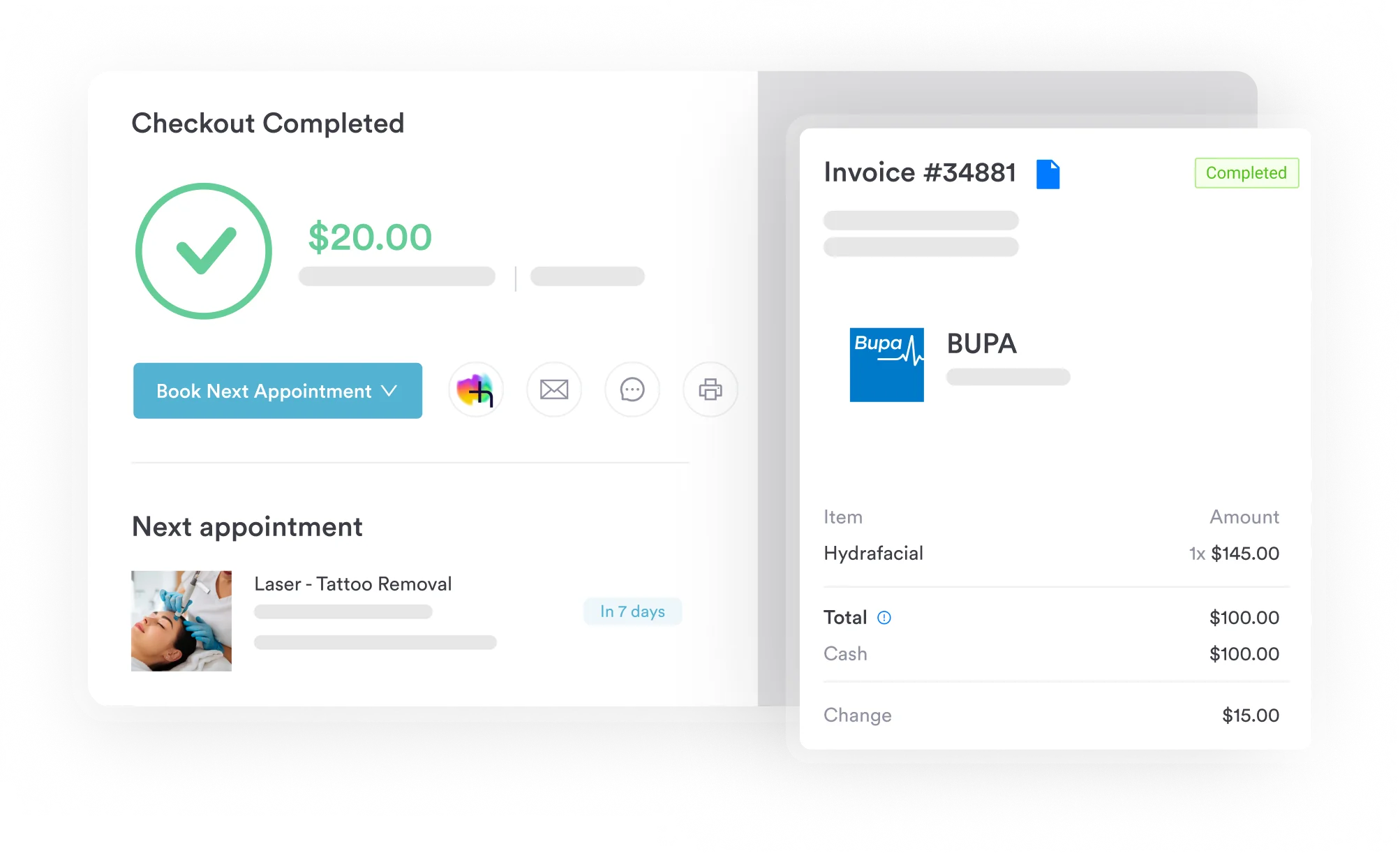

Pabau helps clinical practices track physician order requirements, document medical necessity, and manage DME billing workflows, so A4351 and related supply claims go out complete the first time.

Selecting the wrong code from the A4351/A4352/A4353 group is one of the most common intermittent catheter billing errors. Each code describes a specific product configuration.
Billing A4351 for a coude-tip catheter ordered by the physician, for example, is a coding inaccuracy that creates a mismatch between the claim and the medical record.
The key decision rule: if the physician order specifies a straight-tip catheter without an insertion kit, A4351 is the correct code. If the order specifies a coude tip, use A4352.
If insertion supplies (drainage bag, collection container, antiseptic wipes) are bundled in a closed system kit, use A4353. Never unbundle A4353 by billing A4351 plus separate supply codes for items already included in the kit descriptor.
The most consequential coding development for intermittent catheters in 2026 is a carve-out for hydrophilic-coated products, not a wholesale replacement of A4351, A4352, and A4353. According to Noridian’s MAC guidance, CMS created three new HCPCS codes effective January 1, 2026, exclusively for hydrophilic-coated intermittent catheters: A4295 (hydrophilic straight tip), A4296 (hydrophilic coude tip), and A4297 (hydrophilic insertion-supply kit).
A4351, A4352, and A4353 remain active. They continue to cover the same three configurations for teflon, silicone, and uncoated catheters. Only the hydrophilic-coated versions move to the new codes for claims with dates of service on or after January 1, 2026.
Confirm the exact new code descriptors against the final CMS HCPCS 2026 release file, since the Noridian article reflects MAC-level guidance that should be checked against the national CMS code set.
What providers must do:
Practices that integrate their billing workflow with their clinical documentation systems have an advantage during this kind of coding update. When EHR integration is in place, charge capture rules can be updated centrally, reducing the risk of staff billing the wrong hydrophilic-versus-non-hydrophilic code for a given date of service.
The efficiencies that save time during coding updates often come down to having one system of record rather than parallel manual processes.
A4351 claims have a higher-than-average denial rate among DME supply codes.
Understanding where claims fail helps billing teams build preventative checks into the pre-submission workflow, and directly affects whether a practice collects on its intermittent catheter claims or absorbs write-offs. Practices that age their receivables weekly catch claims approaching a filing limit while an appeal is still possible.
Run a pre-submission claim scrub specifically for urological supply codes at least quarterly. Filter for A4351 claims missing KX, claims where quantity exceeds 200 units per month without KX documentation, and any A4351 line items billed alongside A4353 for the same patient and date range. These three edits catch the majority of A4351 denial patterns before they leave your billing system.
Intermittent catheter billing under HCPCS Code A4351 requires more precision than many DME supply codes. The combination of LCD L33803 documentation requirements, quantity limit edits, mandatory KX modifier use, and the 2026 hydrophilic coding update creates multiple points where claims can fail.
Getting each element right, from the physician order through to modifier application, is what separates practices with clean A4351 claim rates from those absorbing recurring denials.
Pabau’s claims management software helps practices build these documentation checks directly into their billing workflows, so orders are complete before claims go out. To see how Pabau handles DME billing documentation for clinical practices, book a demo with the team.

Billing for supported housing services? supported housing billing guide explains the per-month billing unit and why only Medicaid, not traditional Medicare, pays this code.
Billing other DME supplies bundled under a consolidated payment system? A4728 walks through the ESRD PPS bundling rules that trip up dialysis supply claims.
Need the right diagnosis pairing for a claim tied to kidney disease? N08 explains why this code must follow the etiology code rather than stand alone.
HCPCS Code A4351 is an intermittent urinary catheter with a straight tip, with or without coating such as teflon or silicone. It covers single-use and reusable catheters of the straight-tip configuration used for intermittent catheterization at home, and is billed under Medicare’s DME benefit governed by LCD L33803.
A4351 covers a straight-tip intermittent urinary catheter, while A4352 covers a coude-tip catheter. The coude tip has a curved or angled end designed to navigate urethral obstructions such as an enlarged prostate. Use A4351 when the physician specifies a straight tip; use A4352 when the order explicitly specifies a coude or curved tip.
Common ICD-10-CM codes supporting A4351 include R33.9 (urinary retention, unspecified), N31.9 (neuromuscular dysfunction of bladder), G82.20 (paraplegia due to spinal cord injury), and G35 (multiple sclerosis). The covered diagnosis list is defined in LCD L33803; using a code not on that list will result in non-coverage denial regardless of clinical appropriateness.
Medicare typically allows up to 200 straight-tip intermittent catheters per month under LCD L33803, covering patients who catheterize up to approximately 4-6 times per day. Quantities above the standard limit require the KX modifier and documentation in the patient record showing the medically necessary catheterization frequency exceeds the standard allowance.
Yes. A4351 remains an active HCPCS code for non-hydrophilic (teflon, silicone, or uncoated) straight-tip intermittent catheters. The January 1, 2026 change only affects hydrophilic-coated catheters, which now bill under new codes A4295 (straight tip), A4296 (coude tip), or A4297 (insertion-supply kit) instead of A4351, A4352, or A4353. Confirm the coating type on the physician order before selecting a code.
A4351 billing requires a physician order including the patient’s diagnosis, catheter type, daily catheterization frequency, duration of need, and physician signature. The patient file must also contain medical necessity documentation (such as urodynamic study results or clinical notes) and evidence that the patient or caregiver can perform catheterization. These records must be retained and available for audit.
LCD L33803 (Urological Supplies) is the Local Coverage Determination governing Medicare coverage for A4351, A4352, and A4353. It defines covered diagnoses, documentation requirements, quantity limits, and billing instructions for intermittent urinary catheter supplies. Your Medicare Administrative Contractor (MAC) may publish additional articles supplementing LCD L33803 for your jurisdiction.



