



CCSD code G5100: Bypass of duodenum billing guide
CCSD code G5100 bills a bypass that leaves the duodenum in place CCSD code G5100...

Last Updated: Oct 16, 2026

CPT code 99383 is the initial comprehensive preventive medicine E/M code for new patients aged 5 through 11 years.
Visits are coded by patient age and new/established status, not by medical complexity or time spent.
The established patient equivalent is CPT 99393; billing the wrong new/established status is a top denial trigger.
Pabau’s claims management software automates charge capture and flags keying errors before claims reach the payer.
CPT code 99383 reports the initial comprehensive preventive medicine visit for a new patient aged 5 through 11 years. It covers an age-appropriate history, full physical exam, anticipatory guidance, and risk-factor counseling. The established-patient equivalent is 99393, and the code is selected by age and patient status, not complexity or time.
This reference guide covers the code definition, age eligibility, documentation requirements, reimbursement data, related preventive medicine codes, and the most common billing errors – everything pediatric practices and primary care billing teams need to submit clean claims for well-child visits in the 5-11 age range.
CPT code 99383 describes an initial comprehensive preventive medicine evaluation and management service for a new patient aged 5 through 11 years. The American Medical Association (AMA) classifies it under the Preventive Medicine Services section of the CPT code set, which covers age- and gender-appropriate evaluations rather than the problem-oriented E/M codes used for sick visits.
Three criteria define whether 99383 is the right code to report:
The same rule applies at the lower end of the band. A child who is still 4 years old on the date of service is reported under 99382 instead. At the upper end, 99384 covers the same preventive visit for new patients aged 12 through 17.
According to the Society of Teachers of Family Medicine (STFM) Practice Management Handbook, preventive care visits are coded based on the patient’s age and the services provided, not on medical complexity or time. This is a fundamental difference from problem-oriented E/M codes where medical decision-making and time drive code selection.
The AMA descriptor for CPT code 99383 requires all of the following components to be present and documented. Missing any one element creates grounds for a payer audit or claim downcoding.
| Required component | What it means in practice |
|---|---|
| Age and gender appropriate history | Chief concern, past medical/surgical/family/social history, review of systems relevant to a school-age child |
| Comprehensive physical examination | Full head-to-toe physical including growth measurements, vital signs, vision and hearing screening, and developmental observation |
| Counseling/anticipatory guidance | Age-appropriate guidance on nutrition, activity, safety, school readiness, behavior, and puberty onset |
| Risk factor reduction interventions | Discussion of identified risk factors such as obesity risk, sedentary behavior, or family history of chronic disease |
| Ordering of laboratory/diagnostic procedures | Any labs or imaging ordered at the visit (lead screening, lipid panel, vision/hearing referral as appropriate) |
The NCBI Bookshelf confirms that codes 99383-99397 include counseling, anticipatory guidance, and risk factor reduction interventions provided at the time of the comprehensive preventive examination. These services are bundled into the preventive visit code – they are not separately billable on the same date unless a significant separately identifiable problem-oriented E/M service is also provided.
Nutrition counseling folded into the preventive visit is included in 99383’s payment. A distinct.
The American Academy of Pediatrics (AAP) Bright Futures guidelines provide the periodicity schedule that most payers use to determine coverage frequency. Aligning documentation with Bright Futures recommendations strengthens medical necessity for the visit and supports coverage under most commercial plans. Using digital intake forms that capture Bright Futures-aligned history elements at check-in gives the provider a complete history before they enter the room. Loop and segment rules in the EDI 837 format decide where a code and its modifiers are carried. Most claim errors are structural rather than clinical, which is why scrubbing rules catch them.
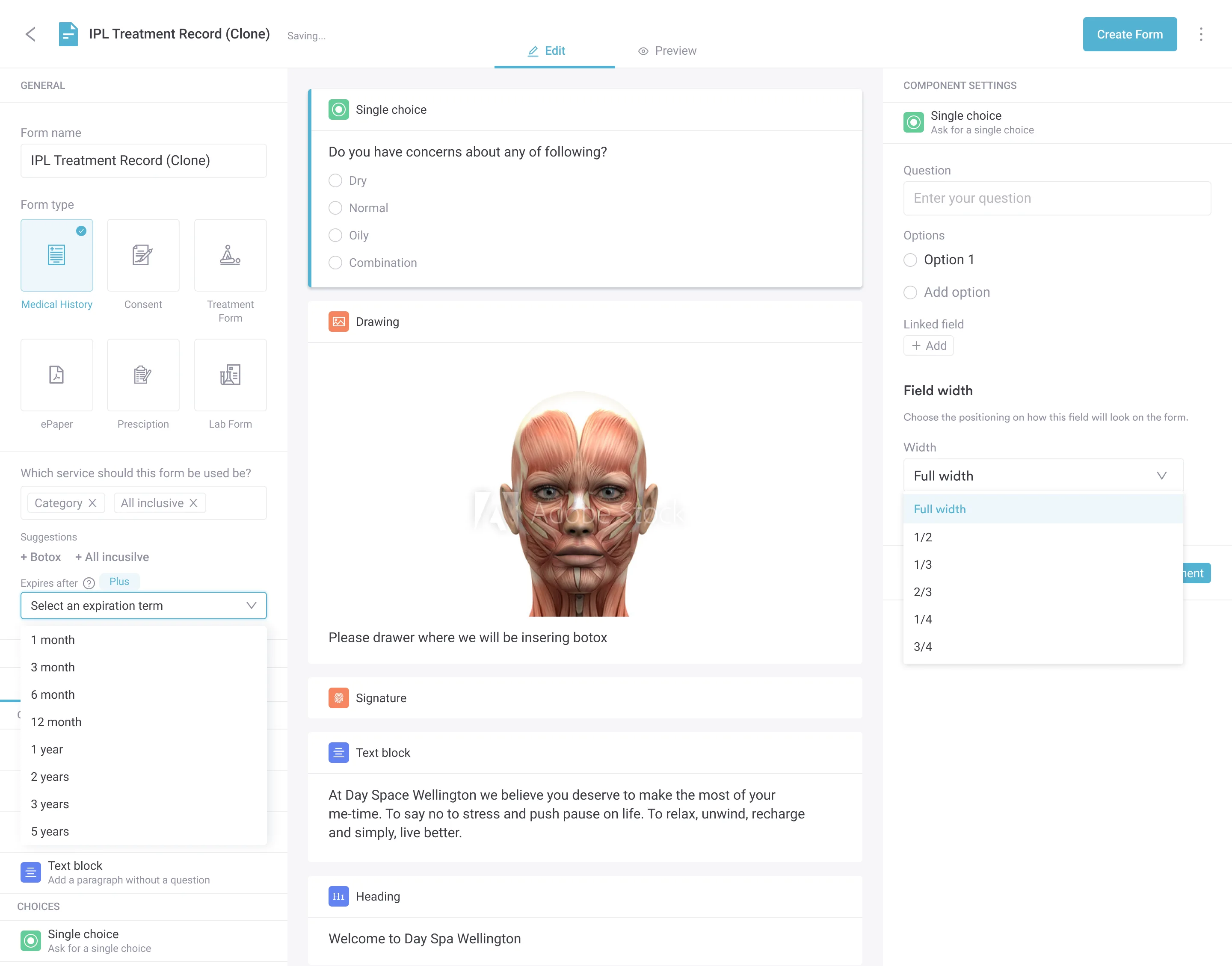
Payers reviewing 99383 claims look for documentation that demonstrates a comprehensive preventive visit occurred. Sparse or templated notes are the fastest path to a medical record request or post-payment audit.
The note must record the child’s age, weight, height, BMI percentile, blood pressure, and head circumference (if applicable). A complete review of systems relevant to school-age children – including behavioral, developmental, and academic concerns – should be present. Generic templates that auto-populate identical notes across patients are a red flag during audits.
Each topic discussed must be individually noted. Acceptable documentation includes the specific subjects covered (screen time limits, helmet use, sun protection, healthy eating) and whether written materials were provided.
A single line reading “anticipatory guidance provided” is insufficient for most payers. The HIPAA compliance checklist for primary care reinforces that documentation must reflect the encounter itself, not a template-generated summary.
Vaccines administered at the visit are billed separately using the appropriate vaccine product and administration codes. The preventive visit note should document the immunization review (which vaccines are current, which are due, any refusals) and any screenings completed or ordered.
For the 5-11 age group, documentation should reflect a structured developmental and behavioral assessment. Validated screening tools (such as the Pediatric Symptom Checklist) may be used. Any concerns identified must be linked to a plan – referral, watchful waiting, or follow-up appointment – to demonstrate medical necessity and complete the clinical picture.
Flag developmental or behavioral concerns identified during a 99383 visit with a separate ICD-10 diagnosis code alongside the Z-code for the routine encounter. This supports medical necessity if a separately billable service is provided on the same date and reduces the risk of bundling denials.
Office visits dominate primary care revenue, so primary care software that speeds up visit documentation pays for itself.
Reimbursement for CPT code 99383 varies by payer, locality, and plan year. The figures below reflect publicly available data; always verify current rates against the applicable fee schedule before relying on specific dollar amounts.
| Data point | Value | Source / notes |
|---|---|---|
| Work RVU (wRVU) | 1.70 | RVU Edge, March 2026 (verify against current CMS PFS) |
| Medicare coverage | Generally not covered | 99383 is a pediatric code; Medicare beneficiaries are adults 65+ in most cases |
| Medicaid coverage | Varies by state | Most state Medicaid programs cover well-child visits under EPSDT; confirm with your state plan |
| Commercial coverage | Covered as preventive | UnitedHealthcare covers 99383 under commercial and individual exchange plans |
Use the CMS Physician Fee Schedule lookup to retrieve the current non-facility and facility payment amounts for your locality. The FastRVU 2026 RVU lookup tool provides Work, Practice Expense, and Malpractice RVU values alongside the geographic cost practice index (GPCI) multipliers that affect the final Medicare allowable.
For practices using claims management software, mapping preventive visit codes to the correct fee schedule in the charge master reduces the frequency of manual rate corrections and keeps expected reimbursement figures current across payers.
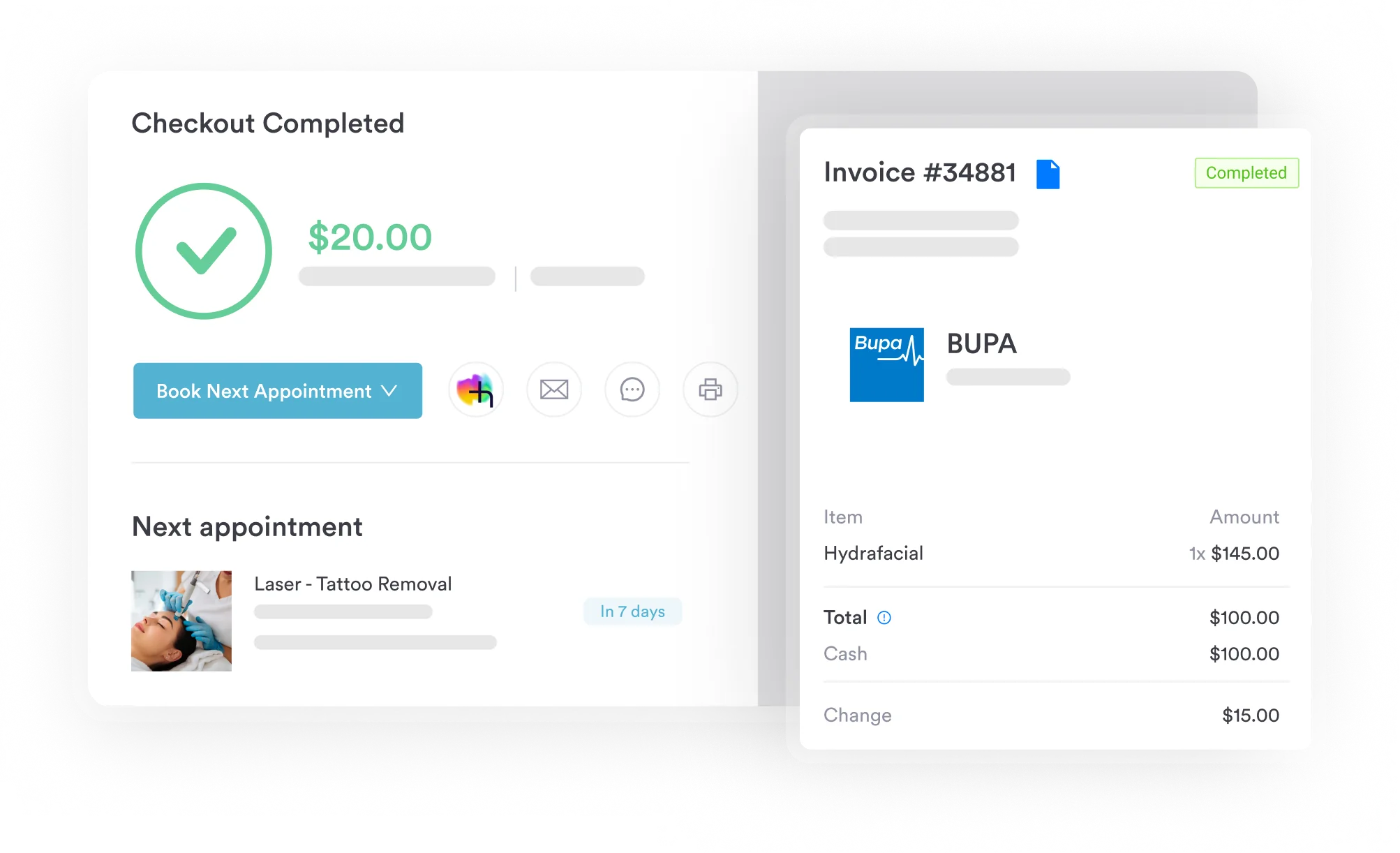

Pabau’s claims management software maps CPT codes to the correct fee schedules, flags eligibility issues before submission, and tracks denial patterns by code so your billing team spends less time on rework.

CPT code 99383 sits within a structured series of preventive medicine codes organized by patient age and new/established status. Knowing the full series prevents age-boundary errors that trigger denials when a child’s age changes between visits.
| CPT code | Age range | Patient category |
|---|---|---|
| 99381 | Under 1 year | New patient |
| 99382 | 1 through 4 years | New patient |
| 99383 | 5 through 11 years | New patient |
| 99384 | 12 through 17 years | New patient |
| 99385 | 18 through 39 years | New patient |
| 99386 | 40 through 64 years | New patient |
| 99387 | 65 years and older | New patient |
| CPT code | Age range | Patient category |
|---|---|---|
| 99391 | Under 1 year | Established patient |
| 99392 | 1 through 4 years | Established patient |
| 99393 | 5 through 11 years | Established patient |
| 99394 | 12 through 17 years | Established patient |
| 99395 | 18 through 39 years | Established patient |
| 99396 | 40 through 64 years | Established patient |
| 99397 | 65 years and older | Established patient |
The established patient equivalent for the 5-11 age range is CPT 99393. Practices transitioning children from another practice typically bill 99383 correctly on the first visit, then shift to 99393 for all subsequent annual well-child visits.
Misidentifying an established patient as new, or the reverse, is one of the most common preventive visit denials. The full age-based series for both new and established patients appears in the tables above.
The clinical content of the visit is identical – both cover ages 5-11 with the same comprehensive components. The only difference is patient status at time of service.
Payers match the new/established status designation against their enrollment files. If a child has prior claims on file with the same practice under a previous insurance plan, billing 99383 instead of 99393 will often result in a denial or a payer-initiated audit. Consistent patient status tracking in patient care management workflows prevents this error at the scheduling stage.
There is no separate CPT code for a school physical. When a parent brings a child aged 5-11 in specifically for a school or sports clearance form, the correct code is still CPT 99383 (new patient) or CPT 99393 (established patient) – provided the visit meets the comprehensive preventive visit requirements.
The visit must be documented as a full well-child encounter rather than a form completion alone. If the physician only fills out a school form without conducting the comprehensive examination, history, and anticipatory guidance components, the visit does not meet the requirements for either 99383 or 99393. In that case, a problem-oriented or administrative service code may be more appropriate depending on the payer’s policies.
Many payers will not reimburse for school physicals that lack the full preventive documentation, regardless of how the visit is coded. Documenting the complete encounter protects the practice if the claim is reviewed.
Most 99383 denials trace back to a small set of repeating errors. Catching them at the point of coding – before submission – is far cheaper than working denials after the fact.
Reviewing denial patterns by code helps practices identify systemic errors quickly. Practices that also invest in scheduling patients effectively – capturing date of birth verification and insurance status at booking – catch eligibility and status errors before they reach the coder.
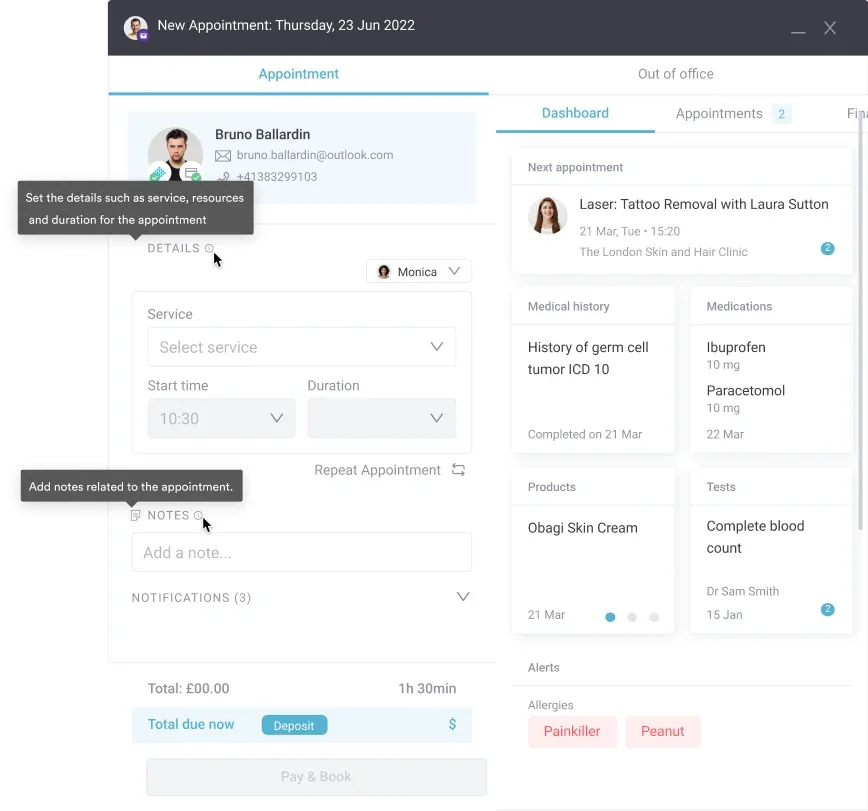
Run a monthly CPT code 99383 denial report filtered by denial reason code. If CO-4 (procedure not consistent with modifier) appears frequently, your team is likely forgetting modifier 25 on same-day problem-oriented visits. If CO-97 (service included in global) appears, review your same-day bundling rules with each major payer.
Preventive visits use Z-codes (ICD-10-CM) rather than problem-focused diagnosis codes. For CPT code 99383, the appropriate primary diagnosis code is:
Z00.121 applies when the examination reveals a new finding that requires further evaluation or management. Z00.129 is used when the visit is entirely within normal limits. Using Z00.121 when no abnormal finding is documented, or Z00.129 when one is, creates a clinical inconsistency that payers flag during review.
Additional ICD-10 codes for identified conditions, such as obesity, vision concerns, or behavioral findings, are listed as secondary diagnoses when the finding is addressed at the visit. HIPAA requires that all diagnosis codes submitted on a claim accurately reflect the services provided; see the HIPAA compliance framework for medical offices for documentation accuracy requirements.
Preventive visit coding errors often trace back to workflow breakdowns rather than a lack of coding knowledge. When age verification, new/established patient status, and diagnosis code selection happen manually at multiple points in the revenue cycle, errors compound. Pabau’s claims management software connects scheduling, documentation, and charge capture so coding decisions are informed by the data already in the patient record.
For pediatric and primary care practices running high-volume preventive schedules. The result is fewer denial cycles and faster time to payment on preventive visit claims.
Pabau also supports digital intake forms that can be configured to capture Bright Futures-aligned history components before the appointment, reducing documentation burden on the provider and ensuring the note reflects a complete preventive encounter from the start.
CPT code 99383 is a straightforward code with a narrow set of eligibility requirements – but the billing errors around new/established patient status, age boundaries, and same-day modifier usage add up quickly in pediatric practices. Getting the documentation right the first time, from anticipatory guidance specifics to the correct Z-code, is what keeps preventive visit claims paid without rework.
Pabau’s claims management software helps practices automate the checks that prevent the most common 99383 denials. To see how Pabau handles preventive visit billing workflows end to end, book a demo.

Billing a device with no specific HCPCS code? Implantable device billing guide covers C1889, reported on the UB-04 with device charges and a paired procedure code.
Billing an introducer or sheath device? Introducer sheath billing guide covers C1894 and the attribute matching that prevents this device code from being rejected.
Billing a cardioverter-defibrillator lead? Defibrillator lead billing guide covers C1896, a device code for the lead hardware billed only on outpatient and ASC claims.
CPT code 99383 is used to report an initial comprehensive preventive medicine evaluation and management visit for a new patient aged 5 through 11 years. It covers an age-appropriate history, comprehensive physical examination, anticipatory guidance, risk factor reduction counseling, and ordering of laboratory or diagnostic procedures.
Both codes cover the same 5-11 age range and require the same comprehensive preventive visit components. The difference is patient status: 99383 is for new patients (no professional services from the same physician or same-specialty group in the past three years), while 99393 is for established patients. Use 99393 for all subsequent annual well-child visits after the initial new-patient encounter.
Yes, provided the visit meets the full comprehensive preventive medicine requirements. There is no separate CPT code for a school physical – 99383 (new patient) or 99393 (established patient) is the correct code when the physician completes a full well-child examination with history, physical, and anticipatory guidance rather than only completing the form.
Reimbursement varies by payer, plan, and geographic locality. The work RVU for 99383 is reported at 1.70 (RVU Edge, March 2026). Medicare generally does not cover 99383 because it is a pediatric code. Most commercial payers, including UnitedHealthcare, cover it as a preventive benefit. Use the CMS Physician Fee Schedule lookup to find current Medicare allowable rates by locality.
Append modifier 25 to the problem-oriented E/M code (not to 99383) when a significant, separately identifiable evaluation and management service is provided on the same date as the preventive visit. The modifier signals to the payer that the two services are distinct encounters with separate medical decision-making and documentation.



