



CCSD code G5100: Bypass of duodenum billing guide
CCSD code G5100 bills a bypass that leaves the duodenum in place CCSD code G5100...

Last Updated: Oct 16, 2026

CPT Code 98980 covers the first 20 minutes of Remote Therapeutic Monitoring (RTM) treatment management per calendar month, requiring at least one interactive communication with the patient or caregiver.
Physical therapists, occupational therapists, and speech-language pathologists can independently bill 98980 under Medicare without physician supervision, per the CMS 2022 Final Rule.
98980 and 99457 (RPM treatment management) cannot be billed together for the same patient in the same calendar month, per the AMA 2022 CPT Manual.
Pabau’s claims management software and automated billing workflows help physical therapy and occupational therapy practices track RTM time, document interactive communications, and submit 98980 claims accurately.
CPT Code 98980 is the primary treatment management code in the Remote Therapeutic Monitoring (RTM) family, covering the first 20 minutes of qualified clinician time spent managing a patient’s non-physiological data in a calendar month. Payers commonly deny claims for avoidable reasons. These include missing interactive communication documentation, time tracked against the wrong calendar month, and uncertainty about who can independently bill the code.
This guide covers the billing rules, time requirements, documentation standards, reimbursement rates, and common errors for CPT Code 98980.
The American Medical Association (AMA) defines CPT Code 98980 as: “Remote therapeutic monitoring treatment management services, physician/other qualified health care professional time in a calendar month requiring at least one interactive communication with the patient/caregiver during the calendar month; first 20 minutes.”
Non-physiological data includes musculoskeletal function (range of motion, pain, activity levels) and respiratory system function. RTM covers non-physiological data. RPM covers physiological data such as blood pressure and blood glucose. For physical therapy practices and rehabilitation clinics, 98980 is the code that captures the clinical management time spent reviewing that remotely collected musculoskeletal data.
The code was introduced in January 2022 as part of the CMS Final Rule establishing the RTM code family. It compensates clinicians for reviewing patient progress data and communicating between visits. Before 2022, no billing mechanism existed for this work.
CPT Code 98980 belongs to a five-code RTM family. Using 98980 without the correct supporting supply codes creates incomplete claims; billing the wrong add-on sequence leads to denials.
| CPT Code | Description | Time / Units |
|---|---|---|
| 98975 | RTM initial setup and patient education | One-time per episode of care |
| 98976 | RTM device supply (musculoskeletal system) | Per device, per 30 days |
| 98977 | RTM device supply (respiratory system) | Per device, per 30 days |
| 98980 | RTM treatment management, first 20 minutes | First 20 minutes per calendar month |
| 98981 | RTM treatment management add-on, each additional 20 minutes | Each full additional 20 minutes |
Practices running occupational therapy programs or musculoskeletal rehabilitation typically bill 98975 once at the start of an RTM episode, bill 98976 monthly for device supply, and then bill 98980 (and 98981 where time warrants) for each calendar month of active management. Getting the sequence right matters: practices must report 98975 before billing 98980.
Note that the 16-day data transmission requirement that applies to some device supply codes does not apply to 98980 or 98981. According to HHS Telehealth guidance, the 16-day threshold applies to monitoring device supply codes, not to treatment management codes. This is a common misunderstanding that causes practices to undercount billable months.
Two requirements must be met before CPT Code 98980 can be billed for a calendar month.
The billing clinician must accumulate a minimum of 20 minutes of RTM management time within the calendar month. This includes reviewing patient-reported data, interpreting musculoskeletal or respiratory metrics, adjusting care plans, and communicating with the patient or caregiver. It does not include time spent on separate in-person visits.
Time can be accumulated across multiple shorter sessions throughout the month. For example, 12 minutes reviewing data on day 8 and 10 minutes communicating with the patient on day 22 meets the threshold. The APTA Practice Advisory confirms that the 20-minute clock resets with each new calendar month, not on a rolling 30-day basis.
At least one interactive communication with the patient or their caregiver must occur during the calendar month. Interactive means real-time, synchronous contact: a phone call, a video consultation, or an in-person exchange specifically related to the RTM data.
Asynchronous messaging alone does not satisfy this requirement. A clinician who spends 25 minutes reviewing data and exchanging secure messages — but never has a synchronous conversation — cannot bill 98980 for that month. A telehealth platform for RTM check-ins helps meet this requirement efficiently. It also captures a timestamped record of the interaction for audit purposes.
Under the 2022 CMS Final Rule, the following provider types can bill 98980 independently under Medicare:
Physical therapists and occupational therapists can bill 98980 without physician supervision under Medicare, a significant expansion from earlier RPM rules. For speech-language pathology practices, the same independent billing right applies. Practices managing complex diagnosis coding alongside RTM may also find it useful to review ICD-10 Code F59 for unspecified behavioral syndromes or ICD-10 code M45.2 for ankylosing spondylitis of the cervical region when documenting RTM conditions. Incident-to billing rules under Medicare do not apply to 98980 when billed by PTs, OTs, or SLPs. Practices should verify commercial payer rules per contract. Practices billing in Australia check the current MBS descriptor before submitting, because descriptors are revised on a schedule. The 1500 claim form and its electronic equivalent ask for the same data in a different layout.
Track RTM time in your practice management system against each patient’s calendar month, not as a rolling 30-day window. A claim submitted for a patient whose 20-minute threshold was reached across two calendar months will be denied. Build the calendar-month boundary into your time-logging workflow from day one.
Claim denials and audit exposure for 98980 share a common root: documentation that cannot prove both the time threshold and the interactive communication requirement were met.
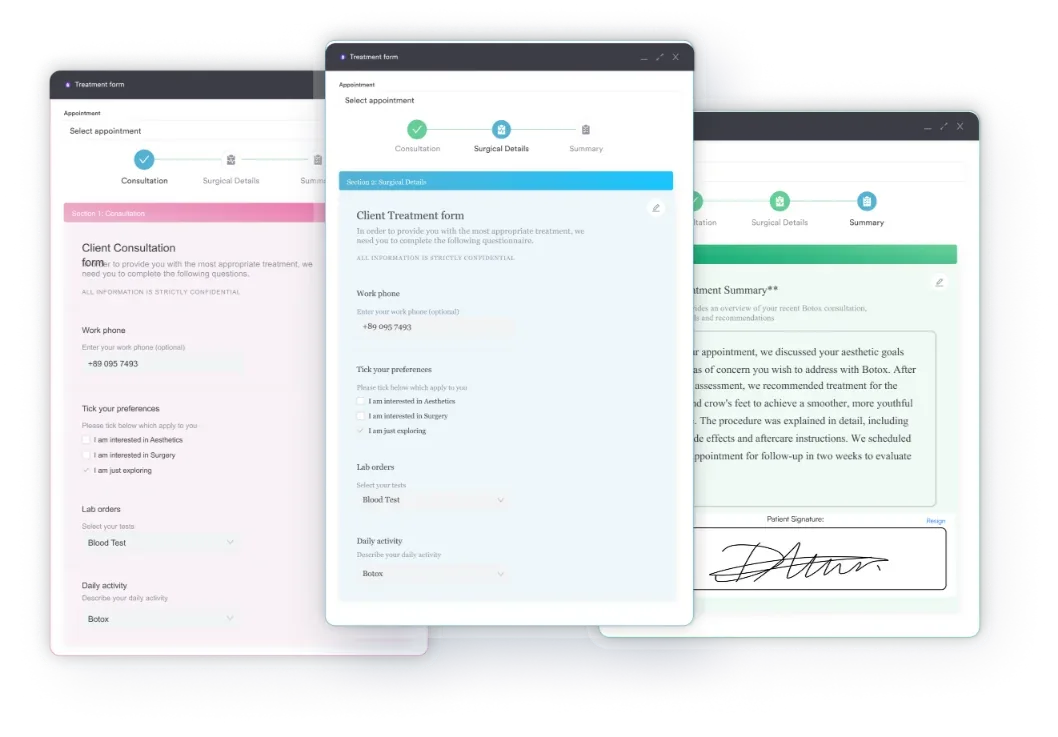
Every 98980 claim should be supported by a contemporaneous note. This note must include the date(s) time was accumulated, the total cumulative time for the calendar month, a description of clinical activities performed, the date and method of the interactive communication, and the clinical rationale connecting the RTM data to the care decision.
The adult informed consent form template can be adapted for RTM programs. Auditors frequently flag missing consent documentation in RTM programs.
For physical therapy compliance, the documentation standard for 98980 aligns with general medical necessity requirements. The record must show that a qualified clinician reviewed specific patient data and made a clinical decision — not simply that time passed.
When time is tracked in spreadsheets, individual clinician notes, or disconnected systems, practices frequently miss the 20-minute threshold at month-end and never submit the claims. A centralized patient record management system that logs RTM time against individual patient accounts makes the accumulated total visible in real time.
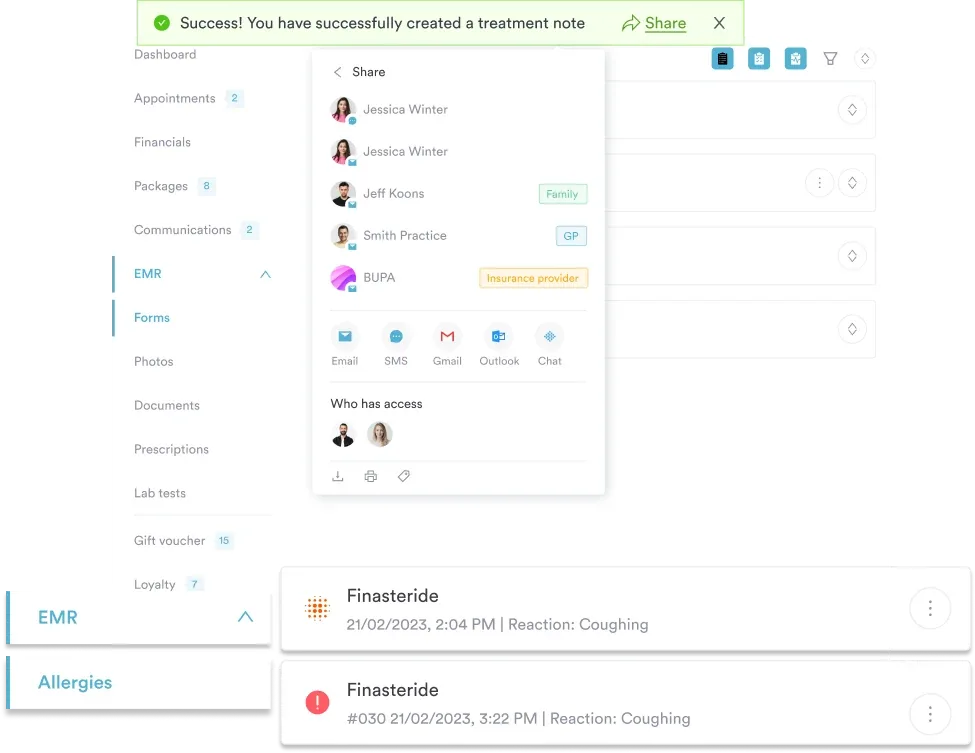

Pabau helps physical therapy and occupational therapy practices track RTM time per patient, document interactive communications, and submit 98980 claims without manual spreadsheet tracking.

CPT Code 98981 is the add-on code for RTM treatment management. It covers each additional full 20-minute unit of clinician time beyond the first 20 minutes already captured by 98980.
Practices cannot bill 98981 without also reporting 98980 in the same calendar month. Always bill it alongside the base code, not independently. The billing sequence looks like this:
A critical distinction: the midpoint rule does not apply to 98981. Each unit of 98981 requires a full additional 20 minutes of qualifying time. A clinician who accumulates 35 minutes bills one unit of 98980. At 39 minutes, they still bill only one unit of 98980. The second code triggers only when a complete additional 20-minute block has been reached.
CPT Code 99457 is the RPM (Remote Patient Monitoring) treatment management equivalent for physiological data. The AMA 2022 CPT Manual states explicitly that 98980 should not be reported in conjunction with 99457 for the same patient in the same calendar month.
The practical reason: RTM and RPM are designed for distinct data types. A patient monitored for both musculoskeletal outcomes (RTM) and blood pressure (RPM) might appear to warrant both code sets. However, CPT parenthetical instructions and CMS NCCI edits restrict concurrent billing in the same calendar month. Practices managing patients with overlapping monitoring needs should consult with their billing specialist or coding advisor before billing both codes in the same month. The CMS Physician Fee Schedule is the definitive source for checking current payment rules and any code-pair edits for 98980.
Medicare reimbursement for CPT Code 98980 varies by geographic location. CMS updates it annually through the Medicare Physician Fee Schedule (MPFS). CMS expresses rates in relative value units (RVUs) and converts them to dollar amounts using its annual conversion factor.
For current verified rates, use the CMS Physician Fee Schedule search tool to look up 98980 by code for your specific locality. Rates for 2025 and 2026 reflect the ongoing CMS payment adjustments to telehealth and remote monitoring codes.
Commercial payer coverage for 98980 varies significantly. Some major payers have adopted Medicare’s RTM framework; others have not yet issued coverage determinations for the RTM code family. Verifying payer-by-payer coverage before enrolling patients in an RTM program prevents claim submissions that will never be covered.
State Medicaid programs have varying adoption rates for RTM codes. As of 2025, Medicare is the most reliable reimbursement pathway for 98980. Commercial payer coverage is expanding but remains inconsistent across states and plans.
Run a payer mix analysis before launching an RTM program. Pull the top 10 payers by patient volume and confirm each payer’s coverage determination for 98980. Building an RTM program around payers who haven’t adopted the code set creates billing work with no corresponding revenue. Use your practice management system’s reporting tools to generate this data in under 10 minutes.
Payers deny RTM claims for 98980 for predictable, preventable reasons. The following error patterns account for the majority of rejections.
The most common denial reason: the clinical record does not document how the 20-minute threshold was reached. A billing entry that says “RTM review performed” without specifying the time spent, dates, and activities does not support the claim. Each session contributing to the 20-minute total needs its own dated entry in the patient record. This reduces errors without adding manual steps to the end-of-day workflow. For practices also submitting preventive care claims.
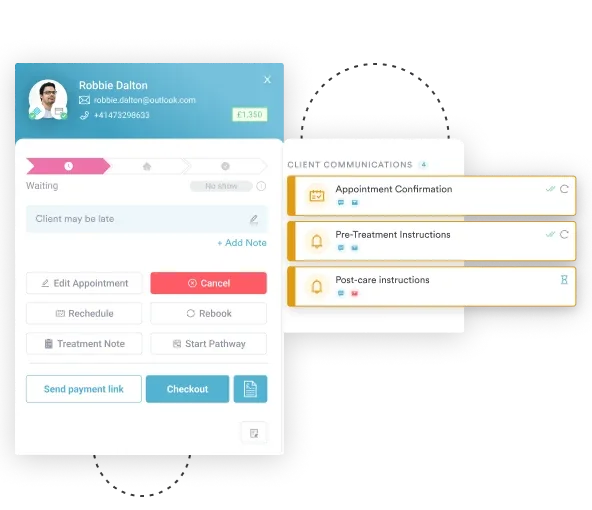
Secure messaging platforms are useful for RTM programs. However, a month where the only patient contact was asynchronous messages does not meet the interactive communication requirement. Payers will deny claims without a documented synchronous interaction on audit. Build a monthly touchpoint into the RTM workflow. A brief check-in call logged with the date, duration, and communication method satisfies the requirement and provides the audit trail.
98980 is billed per calendar month, not per rolling 30-day period. A patient enrolled on January 15 generates a separate billable calendar month for January and another for February, even though fewer than 30 days separate them. Practices tracking RTM on a 30-day-from-enrollment basis systematically miss the month-boundary billing opportunity. For physical therapy practices with large RTM panels, this error compounds across hundreds of patients annually.
CPT Code 98975 (initial setup and patient education) must be reported before 98980 can be billed for any episode of care. Skipping 98975 because it has a lower reimbursement value than 98980 creates a billing sequence that payers flag as a compliance error. Bill 98975 once at the start of each RTM episode, then bill 98980 monthly.
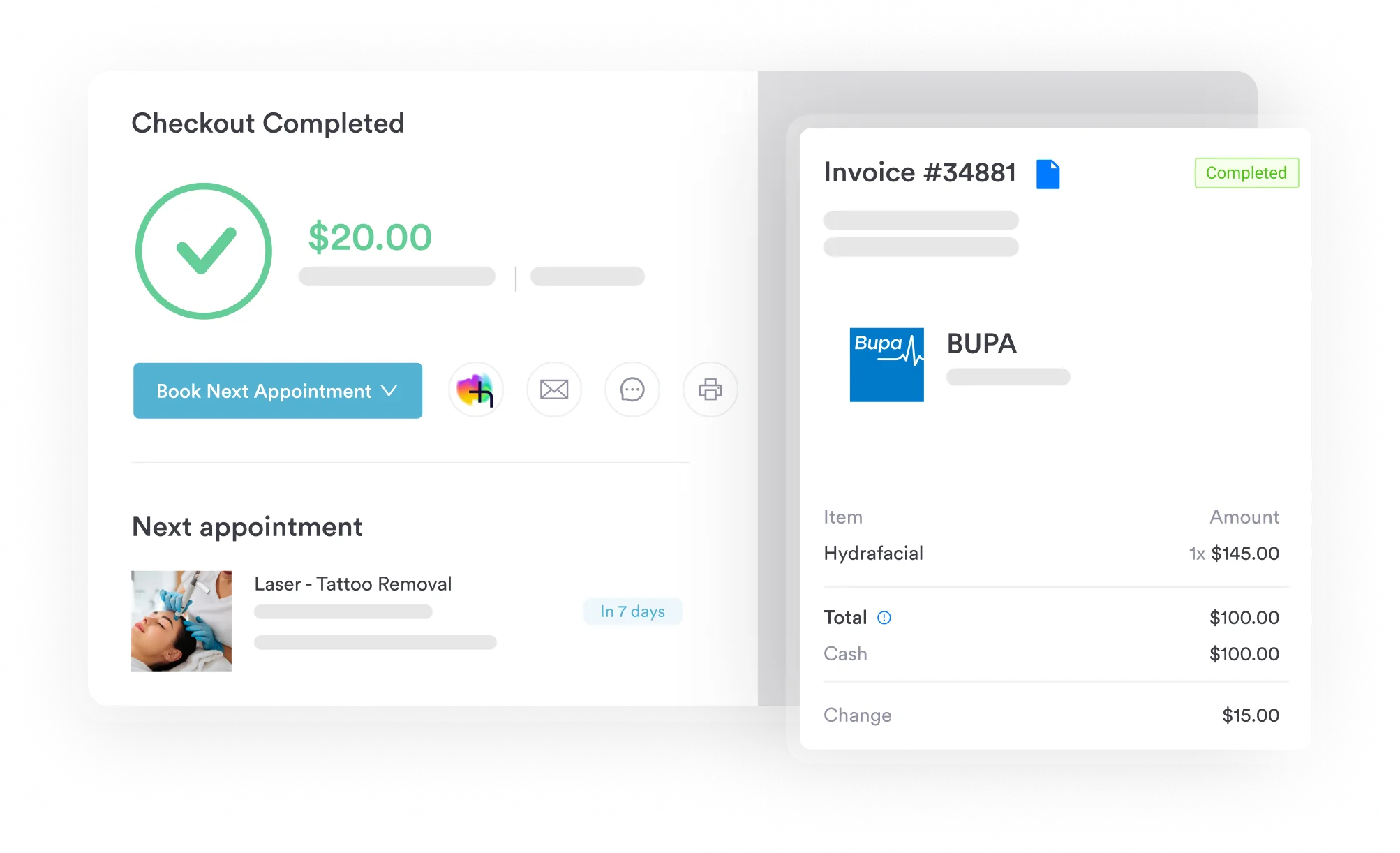
Accurate billing of CPT Code 98980 requires four things: 20 minutes of qualified clinician time, one synchronous patient interaction, contemporaneous documentation, and the correct billing sequence within the calendar month. Practices that systemize these requirements rather than managing them manually submit cleaner claims and capture more RTM revenue.
Related codes in the broader monitoring space include HCPCS Code A9278 for external CGM receiver billing and home-based care codes such as CPT code 99347 for home visits with established patients. For practices also managing preventive care.
Pabau’s claims management software helps physical therapy, occupational therapy, and allied health practices track RTM time per patient, document interactive communications, and flag billing sequence errors before submission. To see how Pabau handles RTM billing workflows, book a demo.

Billing a device accessory instead? Ear pulse generator battery guide covers the replacement battery for a patient-owned ear pulse generator, billed as a miscellaneous DME accessory.
Need a non-covered supply code reference? Infrared heating pad billing guide is the supply code for a replacement pad on an infrared heating pad system, excluded from Medicare Part B coverage.
Billing an unlisted supply code? Radiopharmaceutical billing guide covers radiopharmaceuticals only when no dedicated code exists for the agent and the claim carries every required detail.
CPT Code 98980 is the primary Remote Therapeutic Monitoring (RTM) treatment management code, used to bill for the first 20 minutes of physician or other qualified clinician time spent reviewing and managing a patient’s non-physiological monitoring data (musculoskeletal or respiratory) in a given calendar month.
A minimum of 20 minutes of qualifying clinician time must be accumulated within the calendar month. Time can be spread across multiple sessions throughout the month; it does not need to occur in a single encounter.
Yes. Under the 2022 CMS Final Rule, physical therapists, occupational therapists, and speech-language pathologists can bill CPT 98980 independently under Medicare without physician supervision. Commercial payer rules vary by contract and should be verified individually.
No. The AMA 2022 CPT Manual states that 98980 (RTM management) and 99457 (RPM management) cannot be reported together for the same patient in the same calendar month, per CPT parenthetical instructions and CMS NCCI edits, regardless of whether the patient is receiving both RTM and RPM services.



