



CCSD code G5100: Bypass of duodenum billing guide
CCSD code G5100 bills a bypass that leaves the duodenum in place CCSD code G5100...

Last Updated: Oct 16, 2026

CPT code 98940 covers chiropractic manipulative treatment (CMT) of 1-2 spinal regions per visit
Medicare requires the AT modifier on every 98940 claim; omitting it causes automatic denial
Documentation must name each spinal region treated and link manipulation to a documented subluxation or segmental dysfunction
Pabau’s claims management software helps chiropractic practices track modifier requirements and reduce claim errors before submission
CPT code 98940 covers chiropractic manipulative treatment (CMT) of one or two spinal regions performed during a single patient visit. It is one of the most commonly billed chiropractic codes in the US, and Medicare reimburses it only when the claim carries the AT modifier and the documentation links the manipulation to a subluxation.
This guide covers the code definition, spinal region rules, AT modifier requirements, companion ICD-10 codes.
The American Medical Association (AMA) maintains the CPT code set, and 98940 sits within the Chiropractic Manipulative Treatment (CMT) family alongside 98941, 98942, and 98943. Code selection within this family is determined by a single variable: the number of spinal regions manipulated during a visit.
CPT code 98940 is defined as: Chiropractic manipulative treatment (CMT); spinal, 1-2 regions. This is the exact 98940 CPT code description used by the AMA and every major payer. It applies when a chiropractor performs hands-on spinal manipulation targeting one or two of the five recognized spinal regions during a single patient encounter.
The five spinal regions recognized for CMT billing are:
A patient presenting with isolated neck pain where only the cervical spine is manipulated qualifies for 98940. So does a patient with combined cervical and lumbar complaints where both regions receive manipulation. The moment treatment extends to a third region, the correct code becomes CPT code 98941 (3-4 spinal regions).
Common clinical presentations billed under 98940 include neck pain, lumbar discomfort, thoracic tension, and limited spinal mobility confined to one or two regions. The code does not cover extraspinal manipulation of the extremities or ribs; CPT 98943 handles those sites and is not covered by Medicare.
The entire CMT code family is built on region count. There is no clinical judgment involved in code selection beyond an accurate count of which spinal regions received manipulation during the visit.
Upcoding from 98940 to 98941 without clinical documentation supporting three or more treated regions is a compliance risk. Payers audit region counts against SOAP notes; when the note references only one or two regions, a 98941 claim triggers a denial or an overpayment request.
Document each spinal region by name in your SOAP note before selecting the CMT code. Write ‘cervical manipulation performed’ and ‘lumbar manipulation performed’ as separate clinical entries, then match the count to 98940, 98941, or 98942. This makes audit defense straightforward.
Medicare Part B covers chiropractic spinal manipulation only when it corrects a documented subluxation. The coverage is narrow on purpose: Medicare pays for active or corrective treatment, not maintenance care.
According to CMS Article A56273, any claim for CPT codes 98940, 98941, or 98942 submitted without the AT modifier will be automatically considered not medically necessary and denied. The rule is absolute: no AT modifier, no payment.
Billing CPT code 98940 with modifier AT tells the payer the visit represents active or corrective treatment rather than maintenance care. It is the one modifier that determines whether the claim gets paid at all. AT applies to chiropractic manipulation only, so osteopathic treatment billed under CPT code 98926 should never carry the modifier.
Key AT modifier rules for 98940:
Private payers (Aetna, Blue Cross Blue Shield, UnitedHealth) have their own modifier policies that may differ from Medicare. Verify each payer’s contract before assuming AT carries over universally. Using claims management software that flags modifier requirements by payer helps prevent these submission errors at scale.
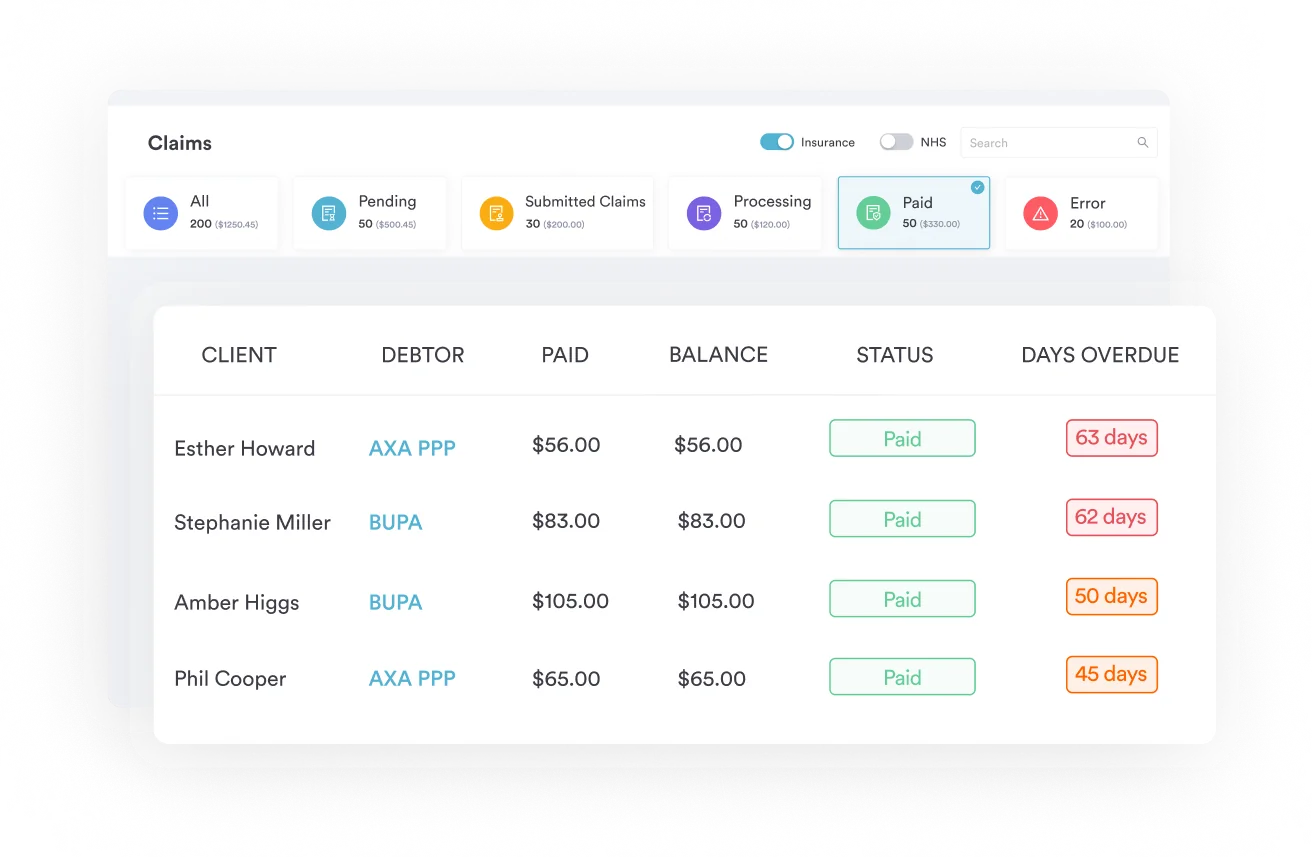
Family practices bill these codes constantly, so GP clinic software that automates the routine ones saves real time.
Medical necessity for 98940 depends on a supporting diagnosis that documents subluxation or segmental dysfunction. The ICD-10 code must reflect the specific spinal region treated; a mismatch between the diagnosis region and the manipulated region is a common audit trigger.
For Medicare claims, the M99.0x subluxation complex codes carry the strongest medical necessity support because they explicitly reference subluxation, which is the statutory basis for Medicare chiropractic coverage.
Symptom codes like M54.2 and M54.50 may be used as secondary or supporting diagnoses. They should not stand alone as the primary code on a Medicare 98940 claim when a subluxation code is available and clinically appropriate.
Maintaining structured patient records that link each ICD-10 code to specific examination findings reduces the documentation burden during audits and supports consistent, accurate billing across a practice’s full caseload.
Billing 98940 without airtight documentation is the single largest contributor to chiropractic claim denials and post-payment audits. The Centers for Medicare and Medicaid Services (CMS) sets the documentation floor through its national coverage policy for chiropractic services (NCD 240.1.3) and Billing and Coding Article A56273; most private payers use comparable standards.
A compliant 98940 note must include:
These five elements map onto a standard SOAP note: subjective complaint, objective findings, assessment of subluxation, and a plan that confirms active treatment. A payer audit checks each of those four sections against the claim line by line.
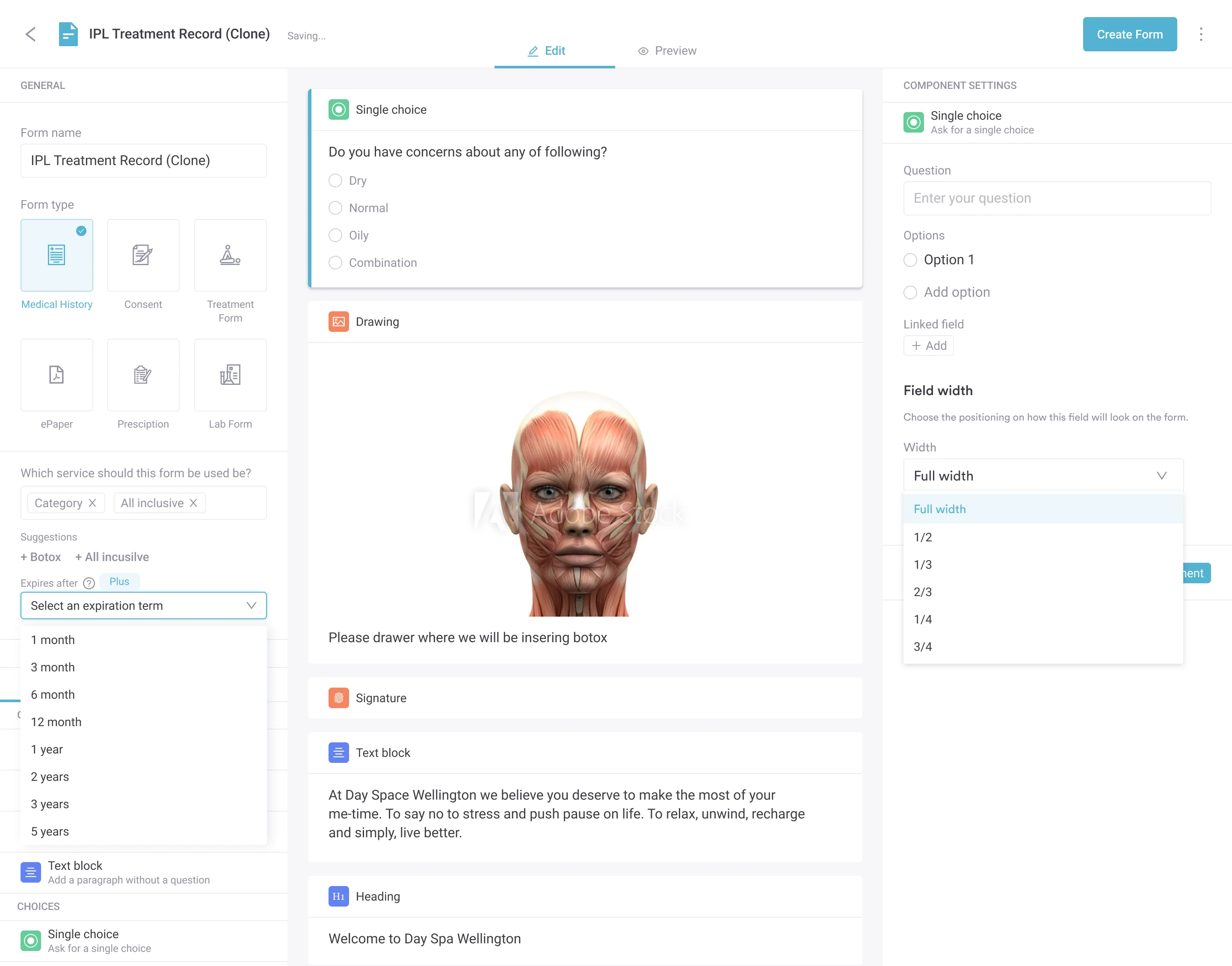
A chiropractic intake form template that captures chief complaint, regional symptoms, and functional limitations at intake gives billing staff the raw material they need to substantiate medical necessity without hunting through freehand notes. Pairing intake data with structured SOAP note templates via digital intake forms connects what happened clinically with what gets submitted to the payer.
HIPAA-compliant record keeping also requires that documentation be maintained for a minimum of six years (or longer under state law), be available for payer audit within 30 days of request, and accurately reflect the service billed. Learn more about HIPAA-compliant record keeping for medical offices to ensure your documentation practices meet federal standards.
Flag every 98940 claim for supervisor review if the SOAP note uses the phrase ‘spinal adjustment’ without naming the region. Region-specific language is not optional for Medicare or most commercial payers. A 30-second documentation check before claim submission prevents weeks of appeals work.
Medicare reimbursement for 98940 is calculated using the Medicare Physician Fee Schedule (MPFS) and varies by geographic location. Rates are updated annually each January 1; always reference the current-year fee schedule rather than prior-year figures, which may no longer be valid. Practices estimating the cost of billing CPT code 98940 should pull the current locality-specific rate rather than a flat national figure, since MPFS payments for 98940 can differ noticeably between regions.
The CMS Physician Fee Schedule lookup tool lets you search 98940 by HCPCS/CPT code and view current payment amounts by locality, along with the Work, Practice Expense, and Malpractice RVU values that help practices benchmark expected reimbursement before submitting claims.
Private payer rates for 98940 are negotiated through individual contracts and typically exceed Medicare rates. When a practice lacks a contracted rate with a commercial payer, the claim defaults to usual and customary pricing, which may be significantly lower than contracted rates for neighboring practices. Tracking payer-specific fee schedules within your billing system helps identify renegotiation opportunities.

Pabau’s claims management tools help chiropractic practices track AT modifier requirements, link ICD-10 diagnoses to treatment regions, and flag missing documentation before submission.

Claim denials for 98940 cluster around a handful of recurring errors. Identifying the pattern in your practice’s remittance advice is the first step toward reducing write-offs. Most claim errors are structural rather than clinical, which is why scrubbing rules catch them.
Using automated billing workflows that check modifier presence, diagnosis-to-procedure alignment, and specialty code validity before claim submission reduces denial rates without requiring manual review of every claim.
Medicare limits chiropractic coverage to manual spinal manipulation only. On the same date a chiropractor bills 98940 under Medicare, the following services cannot be billed to Medicare as separate payable services: therapeutic procedures (97110, 97112, 97140), physical modalities (97035, 97010), E/M visits, and extraspinal manipulation (98943).
This does not mean these services cannot be performed. It means Medicare will not pay for them alongside 98940. Patients may pay out-of-pocket for non-covered services on the same day, provided the practice uses an Advance Beneficiary Notice (ABN) correctly and the patient signs before service delivery.
Private payer policies on same-day billing vary significantly. Some commercial plans allow 98940 with 97140 (manual therapy) on the same day when performed by a qualified provider and documented as distinct services.
A separate E/M visit on the same date generally needs modifier 25 attached, signaling a significant, separately identifiable evaluation — for example, a new patient exam or a new injury unrelated to the existing treatment plan. Payer rules on this exception vary, so verify bundling policy before billing the combination. Proper compliance management tools within your practice system can store payer-specific bundling rules and alert billing staff when a claim combination falls outside policy.
When billing both spinal and extraspinal CMT on the same date for non-Medicare payers, report the appropriate spinal code (98940, 98941, or 98942) and 98943 separately on the claim, with documentation distinguishing the regions and techniques used for each.
The most expensive billing mistake in chiropractic is a missing AT modifier: one field, one denial, and a claim that should have been paid. Beyond the modifier, accurate 98940 billing comes down to two fundamentals: region-specific documentation in every SOAP note and ICD-10 codes that match the clinical findings and the region treated.
Pabau’s practice management platform helps chiropractic practices standardize documentation templates, automate modifier checks, and submit cleaner claims with less manual review. To see how Pabau handles chiropractic billing workflows from intake to claim submission, book a demo.

Need a respiratory supply code instead? Tracheal suction catheter billing guide is a Level II code for a tracheal suction catheter billed per unit as a durable medical equipment supply.
Coding tracheostomy supplies too? Tracheostomy brush billing guide describes a tracheostomy cleaning brush billed per unit, part of a family of tracheostomy care supply codes.
Looking for a related billing reference for broader spinal treatment visits? CPT Code 98941 billing guide covers documentation and payer rules for chiropractic manipulation of 3-4 spinal regions.
CPT code 98940 is used to bill chiropractic manipulative treatment (CMT) of 1 or 2 spinal regions during a single visit. It applies when a chiropractor performs hands-on spinal manipulation targeting the cervical, thoracic, lumbar, sacral, or pelvic regions, with treatment limited to no more than two of those five areas per encounter.
CPT 98940 covers manipulation of 1-2 spinal regions; CPT 98941 covers 3-4 spinal regions treated in the same visit. Code selection is determined solely by counting the number of distinct spinal regions manipulated, as documented in the SOAP note for that encounter.
Yes, Medicare Part B covers 98940 when it represents active or corrective treatment for a documented subluxation, the AT modifier is included on the claim, and the billing provider holds Medicare specialty code 35 (Chiropractor). Medicare does not cover maintenance chiropractic care or extraspinal manipulation (98943).
The AT modifier is required on every Medicare claim for CMT codes 98940, 98941, and 98942. Per CMS Article A56273, claims submitted without the AT modifier are automatically considered not medically necessary and denied. The AT modifier indicates the service is active or corrective treatment, not maintenance care.
The most commonly paired ICD-10 codes are M99.01 (subluxation complex, cervical), M99.02 (subluxation complex, thoracic), M99.03 (subluxation complex, lumbar), M54.2 (cervicalgia), and M54.50 (low back pain). For Medicare claims, M99.0x subluxation codes carry the strongest medical necessity support because subluxation is the statutory basis for Medicare chiropractic coverage.
Not under Medicare. Medicare covers only manual spinal manipulation for chiropractic visits; manual therapy (97140) and other therapeutic procedures cannot be billed separately to Medicare on the same date as 98940. Some commercial payers allow same-day billing of 98940 and 97140 when services are documented as distinct; verify individual payer contracts before submitting this combination.
Yes. Chiropractic manipulative treatment billed under 98940 is generally an FSA and HSA eligible expense under IRS Publication 502, since it treats a diagnosed musculoskeletal condition rather than general wellness. Patients don’t usually need a Letter of Medical Necessity for standard active treatment, though some plan administrators request one for an extended course of care, so check with the FSA or HSA administrator before assuming a claim will be reimbursed.



