CPT Code 31653: EBUS With 3+ Mediastinal Stations
CPT code 31653: Official descriptor and clinical scope CPT code 31653 is the pro...

Last Updated: Oct 20, 2026
CPT code 78014 covers a nuclear medicine thyroid scan that produces both images of the gland and at least one quantitative uptake measurement. Flow images and any stimulation, suppression, or perchlorate discharge study are included when performed.
One fact decides the claim. The report has to show images and a measured uptake percentage. A single 24-hour reading qualifies, and extra readings never change the code. Drop either half and the study becomes 78012 or 78013, a common reason these claims come back denied. The sections below cover the diagnosis pairings, modifier splits, and 2026 RVUs that decide what the claim pays.
Let Pabau's smart automation suggest the right codes, reduce claim denials, and keep your practice compliant—effortlessly.
Automate repetitive tasks and focus on what matters most—your patients.
Reduce coding errors and ensure compliance with the latest regulations.
Clean claims, fewer denials, and faster reimbursements.
Powerful insights and reporting to help your practice thrive.
HIPAA compliant SOC 2 certified GDPR-compliant Trusted by 4,000+ clinics worldwide

CPT 78014 needs two elements in the report: thyroid images and at least one quantitative uptake percentage.
Images alone are 78013 and uptake alone is 78012, while extra uptake readings never change the code.
Bill the global code only when one provider performs and reads the scan. Otherwise, split it with modifiers TC and 26.
The 2026 national RVUs for 78014 total 6.31 in both facility and non-facility settings.
The tracer goes on its own HCPCS line, such as A9516, unless the payer bundles it into the imaging fee.
CPT code 78014 is the nuclear medicine code for a thyroid scan that includes both images and at least one quantitative uptake measurement. The American Medical Association (AMA) maintains the official descriptor.
It reads: “Thyroid imaging (including vascular flow, when performed); with single or multiple uptake(s) quantitative measurement(s) (including stimulation, suppression, or discharge, when performed).”
Put simply, the code pays for two jobs done in one study. Images show the shape of the gland and any hot or cold areas. Meanwhile, the uptake reading shows how much tracer the thyroid absorbed. Flow images and any stimulation, suppression, or perchlorate discharge protocol come along without a separate code.
An I-123 study usually runs across two days. Knowing the sequence tells you what the finished report should contain.
Before selecting 78014, confirm the nuclear medicine report documents both the thyroid images and at least one quantitative uptake percentage. A report with images but no uptake value belongs on 78013. A report with an uptake value but no images belongs on 78012.
Two questions settle the code. Were images acquired, and was uptake measured? Answer both before you read the rest of the report.
Here’s how that plays out. A single 24-hour reading and a 4-hour plus 24-hour pair both land on 78014. Images with no uptake value go to 78013. An uptake value with no images goes to 78012. Thyroid images acquired only to subtract thyroid activity during a parathyroid scan belong on 78070.
Does a second uptake reading pay more? No. The descriptor says “single or multiple,” so a second reading changes the report but not the code or the fee. Some older references still say 78014 needs two readings. That rule comes from the code set before 2013, when single and multiple uptakes had separate codes.
Medical necessity comes from the diagnosis on the claim. Payers publish local coverage determinations (LCDs) that list the diagnoses they accept. The pairings below are the most common ones, and you can confirm each descriptor in the ICD-10-CM codes library.
Coverage isn’t uniform, though. Some Medicare Administrative Contractors (MACs) limit 78014 to hyperthyroidism and exclude nodule workups, because ultrasound usually looks at nodules first.
That ultrasound is a separate service, billed as 76536. Check your MAC’s current LCD before you submit a claim with a nodule-only diagnosis.
Start with one question: who did which half of the work? The technical component covers the scan, the dose, and image acquisition. Interpretation and the signed report make up the professional component.
Place of service (POS) codes show where the work happened. An office or freestanding imaging center uses POS 11. A hospital outpatient department uses POS 22 on campus or POS 19 off campus. Medicare lists the same RVUs for 78014 in both settings, so POS mostly decides who can bill which part.
CMS assigns 78014 a global period of XXX, so no pre- or post-procedure period applies. One same-day pairing needs extra care, though. If the patient also gets oral radioiodine therapy (CPT 79005) that day, Bracco’s reimbursement team advises adding modifier 59 or XU to 78014.
The tracer is a supply, so it’s billed with a HCPCS Level II code next to 78014. These are the usual choices:
Unit counts trip up plenty of claims. Bill units that match the dose recorded on dose day, not the dose that was ordered. A 200-microcurie capsule, for example, is two units of A9516.
Giving the dose is a different matter. Medicare’s National Correct Coding Initiative (NCCI) policy treats administration as part of the nuclear medicine procedure, so don’t add an injection code for it.
Some commercial payers go further and fold the tracer itself into the imaging fee. Check each payer’s drug policy before you add the supply line.
The 2026 Medicare Physician Fee Schedule (MPFS) gives 78014 a national total of 6.31 relative value units (RVUs). That figure is the same in facility and non-facility settings.
The CMS Physician Fee Schedule lookup tool is the authoritative source, and local Geographic Practice Cost Index (GPCI) adjustments apply on top.
To turn RVUs into dollars, multiply by the conversion factor. At the 2026 non-APM rate of $33.4009, 6.31 RVUs comes to about $210.76 before locality adjustment. Practice expense makes up most of that, which reflects the camera time and staff behind the scan.
Commercial contracts are usually priced as a percentage of Medicare. The FastRVU 2026 RVU lookup tool helps you check locality-adjusted amounts and benchmark those contracts.
Run a quarterly fee audit for 78014 by pulling your paid amounts from the ERA file. Compare them with the current MPFS rate for your locality. If any commercial plan pays more than 15% below that rate, raise it before the next contract renewal.
Whether you need prior authorization depends on the payer, and the rules change often. Treat these 2026 patterns as a starting point, then confirm with each plan.
A strong request includes the ordering physician’s NPI, the patient’s thyroid history, and current TSH and free T4 results. Name the planned protocol too, such as I-123 with 4- and 24-hour uptake. Denied approvals are far easier to prevent than to appeal, so confirm the requirement when the scan is booked.
A 78014 claim passes through six handoffs, and any one of them can stop it. The checkpoints below show what each stage has to produce.
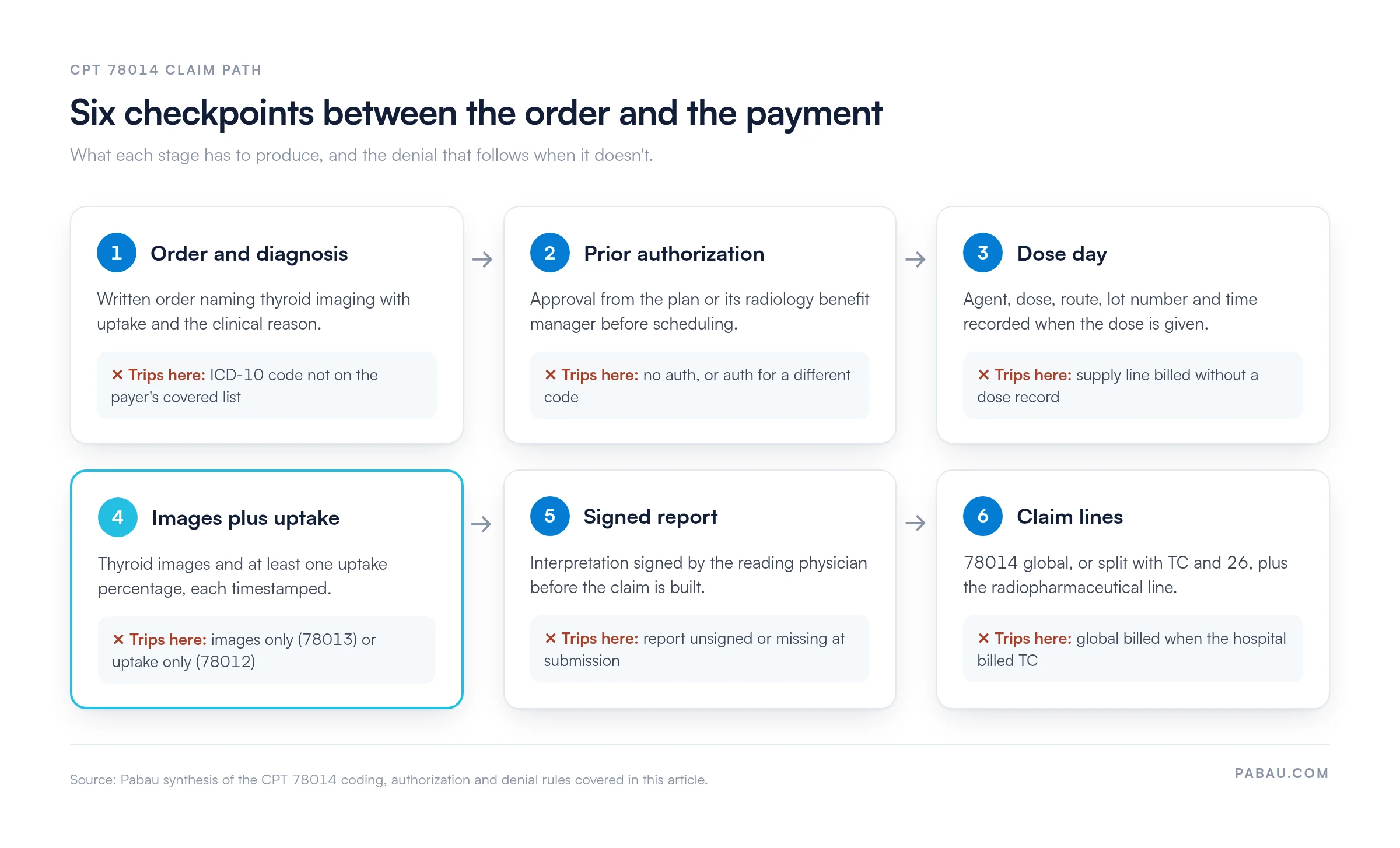
Take a common case. An endocrinologist orders a scan for suspected Graves disease and codes E05.00. The plan’s radiology benefit manager approves it, and the patient takes a 200-microcurie I-123 capsule on Monday.
Uptake is measured that afternoon and again on Tuesday, when the images are taken. Once the report is signed, the office bills 78014 globally with two units of A9516. Had a hospital run the scan and billed the technical side, the physician would bill 78014-26 instead.
When a 78014 claim comes back, the denial usually points to one of six causes. Each fix below covers the appeal and the process change that stops a repeat.
Track these by reason code rather than claim by claim. One report template that drops the uptake percentage can cause months of denials before anyone spots the pattern. The claim adjustment reason codes (CARCs) on each remittance tell you which checkpoint failed.
An auditor reviewing a 78014 chart looks for six items. Each should be in place before anyone builds the claim.
Next, compare the claim itself with the chart. It takes two minutes and catches the errors behind the denials above.
Many 78014 denials start with a detail that sat in the chart but never reached the claim. The uptake value lives in the report, and the auth number sits in an email. Then someone retypes both into the billing system.
Practice management software like Pabau shortens that handoff. Its claims management software pre-fills the CMS-1500 from the patient record, so the 78014 charge line and diagnosis slots arrive filled in. Billers can confirm codes in the built-in CPT, HCPCS, and ICD-10-CM libraries without leaving the claim.
The claim can’t be sent until required fields, such as the authorization number, are complete. US practices submit through Pabau’s Claim.MD connection, with real-time eligibility checks before the visit. Remittances post back with their reason codes, so a pattern of 78014 denials shows up as soon as payments arrive.
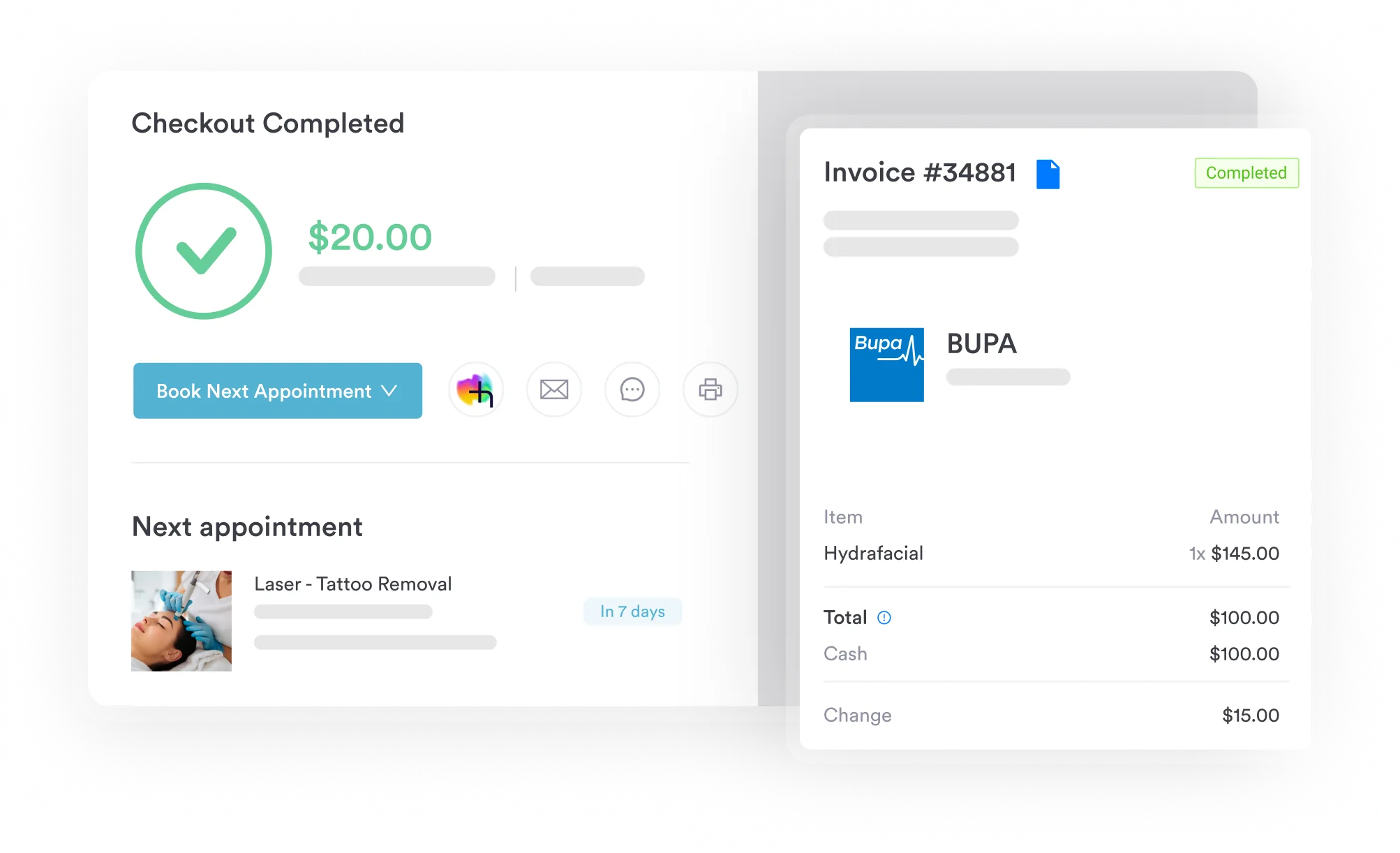
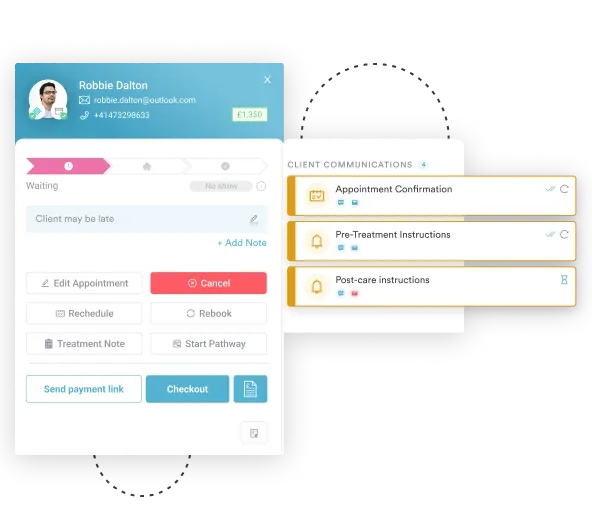

Pabau pre-fills CPT 78014 claims from the patient record, checks required fields like authorization codes, and posts ERA denials automatically. See how the workflow fits your nuclear medicine billing team.

CPT 78014 rewards precision more than volume. The code pays the same whether the report shows one uptake reading or three. What changes the outcome is whether the images, the uptake value, the diagnosis, and the approval all line up on paper.
So start with the report template. If it requires a timestamped uptake percentage and a signature before sign-off, the code-selection and documentation denials above lose their most common cause. The trade-off is a little more structure for your team on scan day.
Want the diagnosis, auth number, and charge line to reach the claim without retyping? Book a demo to see how Pabau carries a 78014 study from the patient record to a paid claim.

Need to understand how claims reach payers? Medical claims clearinghouse explained covers how electronic claims are validated, scrubbed, and routed to payers.
Dealing with repeated 78014 denials from one payer? Denial codes in medical billing maps common CARC and RARC codes to corrective actions.
Want to verify 837 file formatting for nuclear medicine claims? 837 file guide explains the transaction set structure and how to read a submission acknowledgment.
Need a step-by-step for payer approvals? Prior authorization process walks through each stage from request to approval.
Billing other nuclear medicine studies? CPT code 78803 covers single-area SPECT localization studies and how to bill them.
No. The early and 24-hour readings belong to one study, so 78014 is billed once. Follow your payer’s date-of-service rule for two-day studies, and keep both timestamps in the report.
A radioactive iodine uptake (RAIU) test measures how much tracer the thyroid absorbs, using a probe rather than a camera. On its own, it’s 78012. A thyroid scan produces images, which is 78013 by itself. A study that does both is 78014.
Yes. Iodinated contrast, amiodarone, iodine supplements, and thyroid or antithyroid drugs can lower uptake and distort the result. The ordering physician usually sets a hold schedule before the scan. A repeat study caused by poor prep may draw medical necessity questions, so send prep instructions early.
Yes, when both studies are ordered and documented. The ultrasound is a separate service with its own code, 76536. Each study needs its own order and medical necessity, and payer edits still apply.