



HCPCS code E0198: Water pressure pad billing guide
HCPCS code E0198 is a water pad for a standard mattress HCPCS code E0198 is the ...

Last Updated: Oct 13, 2026

CPT code 31051 describes sinusotomy, sphenoid, with or without biopsy, with mucosal stripping or removal of polyp(s) — an open surgical incision into the sphenoid sinus under the Respiratory System (Incision Procedures on the Accessory Sinuses) subsection
31051 is an open approach code and must not be substituted for endoscopic sinus surgery codes (31237-31298), which cover a distinct surgical technique
The primary ICD-10-CM diagnosis code paired with 31051 is J32.3 (chronic sphenoidal sinusitis) — modifier 51 applies when billing as part of a multi-procedure session
Practice management software like Pabau, through its claims management tools, supports ENT billing workflows, helping practices submit accurate sphenoid sinus surgery claims with fewer denials
CPT code 31051 is a billable code for an open sinusotomy of the sphenoid sinus, with or without biopsy, with mucosal stripping or removal of polyp(s). It sits in a narrow section of the CPT manual, next to its base code 31050, where an open vs. endoscopic distinction and a mucosal-stripping detail create regular billing errors for even experienced ENT coders.
This guide covers the official descriptor, how 31051 differs from 31050, the ICD-10 pairings payers expect, RVU values, modifiers, and the documentation that keeps a 31051 claim from being denied.
Official long descriptor: Sinusotomy, sphenoid, with or without biopsy; with mucosal stripping or removal of polyp(s).
CPT code 31051 is published and maintained by the American Medical Association (AMA) as part of the CPT code set. Within the CPT manual structure, it appears under:
The phrase “with or without biopsy” applies to both 31050 and 31051 – neither code needs a separate biopsy code when a tissue sample is taken during the same operative session. What actually separates 31051 from 31050 is mucosal stripping or polyp removal: 31051 applies when the surgeon strips diseased mucosa or removes a polyp from the sphenoid sinus, on top of everything 31050 already covers.
Explore CPT coding resources for more on how AMA codes are structured across clinical areas.
CPT code 31051 describes an open surgical incision into the sphenoid sinus. The sphenoid sinus sits at the base of the skull, posterior to the nasal cavity, making it the most surgically challenging of the paranasal sinuses to access.
In a standard sinusotomy, the surgeon creates a controlled opening in the sinus wall to drain accumulated fluid, pus, or mucosal disease. When the clinical indication requires tissue diagnosis (suspected neoplasm, granulomatous disease, or persistent chronic sinusitis unresponsive to conservative treatment), a biopsy specimen may be collected during the same approach – biopsy status doesn’t change which code applies, since both 31050 and 31051 already include “with or without biopsy.”
What determines 31051 specifically is whether the surgeon also strips diseased mucosa or removes a polyp from the sphenoid sinus during the same operative session. The operative note should document this detail explicitly, since it is what separates 31051 from its base code, 31050.
Key clinical details that support 31051 selection:
CPT 31050 and CPT code 31051 share a surgical site but differ in one clinically meaningful way. Understanding the distinction prevents both upcoding and undercoding on sphenoid sinus claims.
In practice, 31051 is the correct code whenever the operative note documents mucosal stripping or removal of a polyp from the sphenoid sinus. Use 31050 only when the operative report documents a sinusotomy with no mucosal stripping or polyp removal – biopsy status doesn’t affect the choice between the two codes, since both already include “with or without biopsy.”
Inside software for GP practices, cardiopulmonary test results feed straight into the patient’s ongoing management plan.
This is where the highest-value coding errors occur. CPT code 31051 is an open procedure. The endoscopic sinus surgery series, codes 31237 through 31298, describes a fundamentally different surgical technique involving an endoscope passed through the nasal cavity.
Substituting 31051 for an endoscopic code (or vice versa) is a clinical documentation mismatch that payers audit directly, and NCCI edits flag certain combinations.
For reference on other surgical procedure coding references and how procedural CPT families are structured, that resource illustrates how the AMA organises related codes into series within a subsection. The approach documented in the operative report governs code selection. An endoscopic approach must never be billed with 31051.
Medical necessity for sphenoid sinusotomy must be supported by a diagnosis code that justifies the procedure. The primary ICD-10-CM code paired with CPT code 31051 is J32.3 (chronic sphenoidal sinusitis). Payers expect a documented clinical basis that connects the diagnosis to the surgical indication.
Some payers apply local coverage determinations (LCDs) to sphenoid sinus procedures. These policies may require documentation of prior conservative treatment failure before approving a surgical approach. Verify current LCD status through the CMS fee schedule tool before submitting claims for Medicare beneficiaries.
The same specificity logic governs ICD-10-CM lookup and pairing generally: codes like K82.1 follow the same payer-driven documentation standard as J32.3. Coders working across specialties will also see it with M34.9, where aligning procedural and diagnostic codes correctly is just as important for reimbursement.
Medicare reimbursement for CPT code 31051 is calculated using the Resource-Based Relative Value Scale (RBRVS). Final payment amounts vary by geographic locality, facility vs. non-facility setting, and the annual Medicare Physician Fee Schedule update.
Always use the current-year CMS data for accurate reimbursement calculations. The FastRVU RVU lookup tool provides current work, practice expense, and malpractice RVU values for CPT code 31051 using CMS MPFS data, with verified annual figures cross-referenced directly against the Medicare Physician Fee Schedule. Refer also to procedure code fee schedules for a comparison of how fee schedules operate across payer types.
Benefit routing never complicates a 31051 claim, since sphenoid sinusotomy bills as a medical service. Dentoalveolar drainage is the harder case, because CPT code 41800 runs into Medicare’s dental exclusion before coverage is settled.
Applying the wrong modifier to CPT code 31051 is a fast path to claim rejection. Three modifiers come up regularly in ENT surgical billing.
Modifier 51 status should be verified against the current AMA modifier 51 exemption list for each claim year. Some payers have additional modifier stacking requirements that differ from Medicare policy. The sphenoid sinus is a paired structure divided by an intersinus septum, so always confirm with your payer’s billing guidelines and document bilateral access clearly before applying modifier 50 to a sphenoid sinusotomy.
Inadequate operative documentation is the primary driver of post-payment audits for CPT code 31051. The operative report must establish four things before a claim can withstand payer scrutiny. Auditors read the note before the code, so the documentation level has to support what was submitted.
Using digital clinical documentation tools and structured operative note templates closes the documentation shortfalls that trigger denials. For HIPAA-compliant record keeping requirements that govern how operative notes must be stored and transmitted, practices should review their administrative safeguards. The same discipline applies to procedures like 00529, where approach-specificity is just as critical to correct code selection.
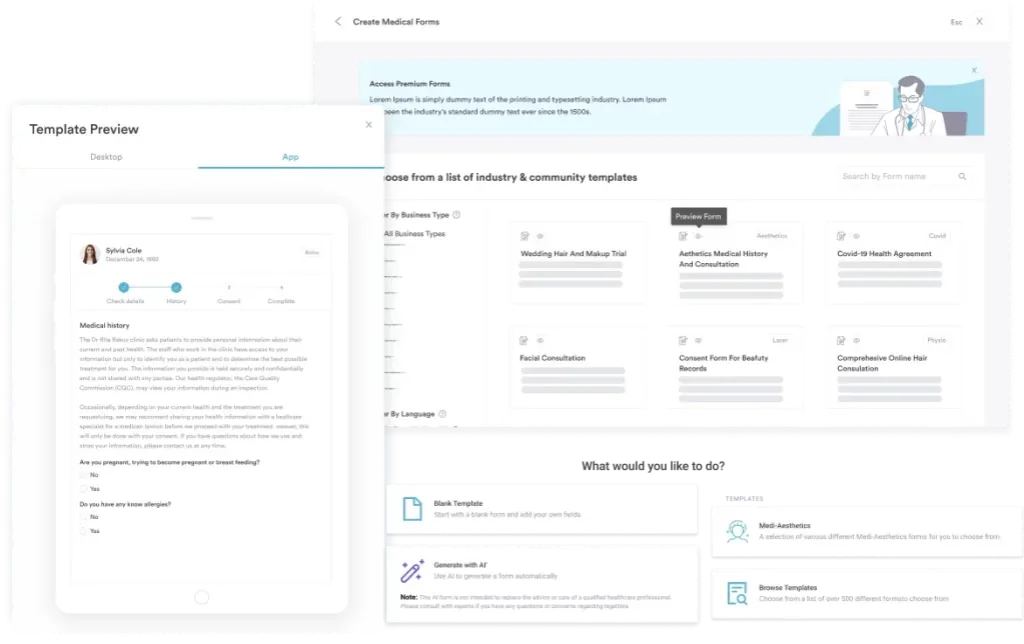
Claims for CPT code 31051 fail for predictable reasons. Identifying these patterns before submission reduces denial rates and administrative rework. Coverage verification also surfaces the deductible position, which changes what the practice collects at the desk.
Error 1: Using 31051 for endoscopic procedures. If the operative note documents endoscopic access (nasal endoscope, angled telescopes, image-guided navigation), the correct code range is 31237-31298. Billing 31051 for an endoscopic procedure misrepresents the surgical technique. This is a frequent post-payment audit finding.
Error 2: Adding a separate biopsy code. Because 31051 already includes “with or without biopsy,” appending a standalone biopsy CPT code is inappropriate when biopsy is performed during the same sinusotomy session. NCCI bundling edits flag this combination.
Error 3: Downgrading to 31050 when mucosal stripping or polyp removal was performed. Some coders default to 31050 even when the operative note documents mucosal stripping or polyp removal. If either was performed, 31051 is the correct code, regardless of whether a biopsy was also taken.
Error 4: Omitting a modifier when multiple procedures are performed. When 31051 is one of several procedures in the same session, modifier 51 (or the payer-required equivalent) is needed on secondary procedures. Missing this modifier often triggers automatic reduction or denial of the secondary procedure.
Error 5: Mismatched ICD-10-CM specificity. Using J32.9 (chronic sinusitis, unspecified) when the operative note documents confirmed sphenoidal involvement reduces medical necessity support. J32.3 is the specific and correct code when the sphenoid sinus is the documented site.
For a broader view of how code pairing and crosswalk logic works across procedure-diagnosis combinations, the CrossCoder bidirectional crosswalk tool provides LCD/LCA policy data alongside ICD-10 to CPT mappings.
ENT practices billing CPT code 31051 regularly deal with a predictable set of claim friction points: approach-code mismatches, missing modifiers, and insufficient diagnosis specificity. Each one is a documentation problem before it becomes a billing problem.
Pabau’s claims management software supports ENT billing workflows by connecting clinical documentation to claim creation in a single system – the same workflow plastic surgery practices rely on for equally complex procedure coding. When operative note templates capture approach type, biopsy status, and diagnosis specificity at the point of care, the information required to build a clean 31051 claim is already structured and retrievable.
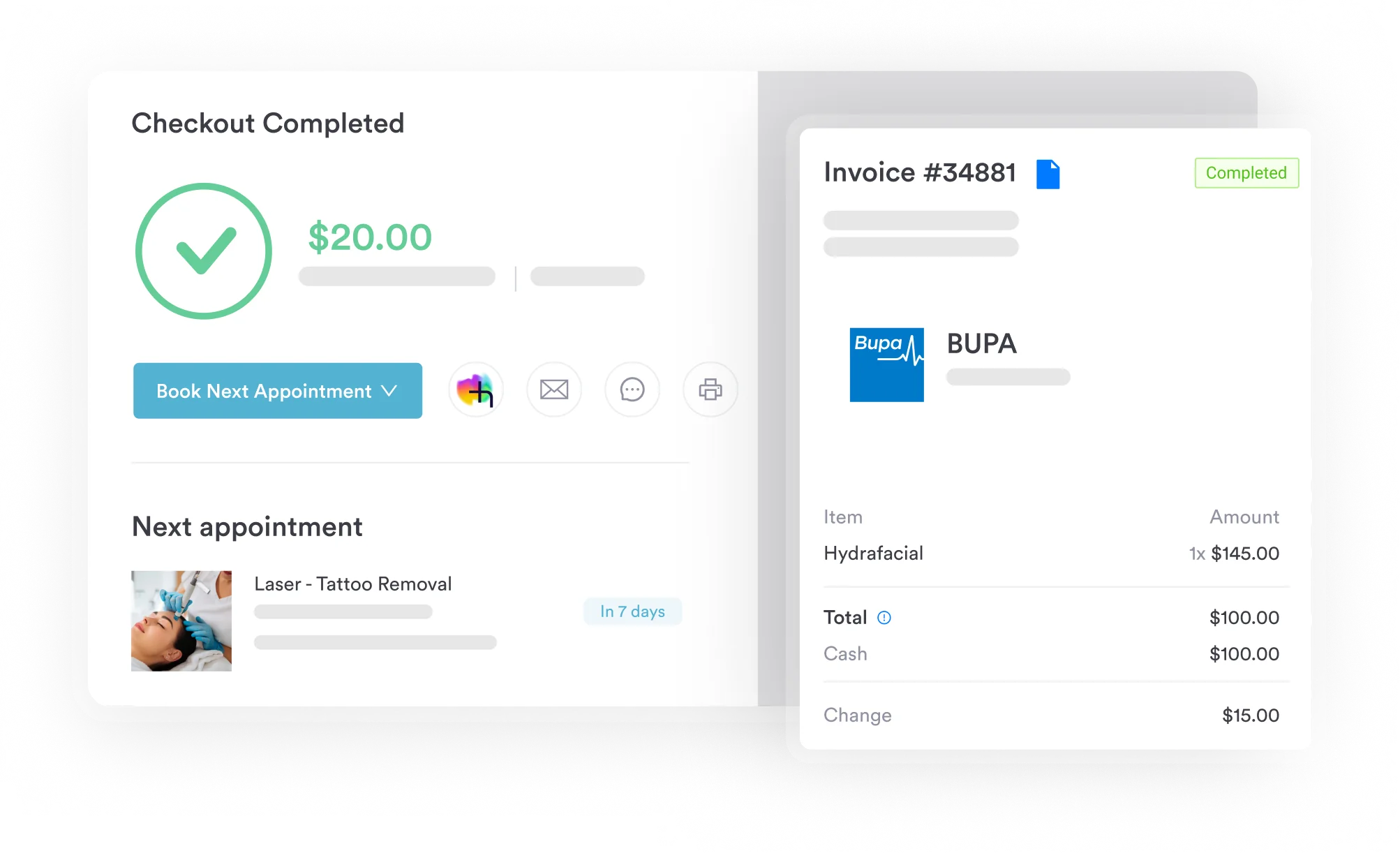
For practices managing sinus surgery billing at volume – whether ENT, dermatology, or another procedure-heavy specialty – a practice management platform that integrates scheduling, documentation, and billing reduces the manual transfer steps where coding errors most often occur. Rather than moving procedure information from an operative note into a separate billing system by hand, the claim builds from structured data already entered during the clinical encounter.
Pabau also supports automated billing workflows that flag incomplete documentation before claim submission, reducing the rate at which 31051 claims reach a payer with missing modifiers or unspecific diagnosis codes. For practices managing HIPAA-compliant record keeping obligations alongside their billing operations, a unified system simplifies audit trail maintenance and records retention.
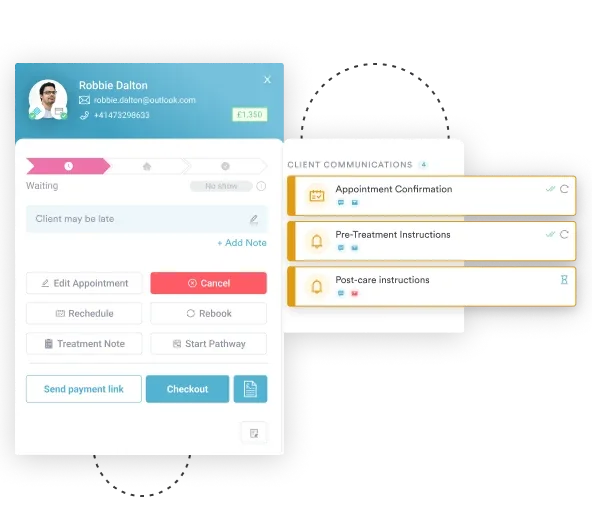

Connect clinical documentation to claim creation in one system. Pabau helps ENT practices submit accurate CPT code 31051 claims with fewer denials and less manual rework.

CPT code 31051 is a precise code for a precise procedure. Most errors follow predictable patterns: an open vs. endoscopic mix-up, a misread descriptor, or missing documentation that reaches the claim undetected.
Practices that connect their operative documentation to their billing workflow reduce those errors before they become denials. Pabau’s claims management tools are built for exactly this, giving ENT billing teams structured data at the point of submission rather than a paper trail to reconstruct after the fact. If your practice is submitting sphenoid sinus surgery claims, see how Pabau handles this end to end.

Billing a thoracotomy and lung biopsy? CCSD code E5532 billing guide explains the sole procedure qualifier and complexity classification that determine insurer authorization.
Billing a lung needle biopsy? CCSD code E5910 billing guide describes the percutaneous lung biopsy procedure this billing code covers under the CCSD schedule.
Need a refresher on another ICD-10 diagnosis code? T31.32 covers descriptor and documentation guidance for another billable diagnosis code.
CPT code 31051 is used to report an open sinusotomy of the sphenoid sinus, with or without biopsy, with mucosal stripping or removal of polyp(s). ENT surgeons and coders use it when an open surgical incision is made into the sphenoid sinus to strip diseased mucosa, remove polyps, drain disease, or collect a tissue sample, and when the procedure is not performed endoscopically.
Both CPT 31050 and 31051 include the option “with or without biopsy,” so a biopsy alone does not decide which code applies. The real difference is mucosal stripping or removal of polyp(s): CPT 31051 includes this additional work, while CPT 31050 does not. Use 31051 when the operative note documents mucosal stripping or polyp removal, and 31050 when the sinusotomy was performed without either.
CPT 31051 is strictly an open surgical procedure. Endoscopic sphenoid sinus surgery is reported using codes from the 31237-31298 series. The operative note must document the approach used, and open vs. endoscopic is an auditable distinction. Billing 31051 for an endoscopic procedure misrepresents the surgical technique and is an upcoding/undercoding risk.
Modifier 51 (multiple procedures) applies when CPT code 31051 is a secondary procedure in a multi-procedure session, subject to verification against the current AMA modifier 51 exemption list. Modifier 59 (distinct procedural service) may apply when NCCI bundling edits would otherwise combine 31051 with another code and the procedures are genuinely distinct. Modifier 50 (bilateral) applies when both sphenoid sinuses are addressed in the same operative session, with bilateral access explicitly documented, subject to payer rules.
The primary ICD-10-CM diagnosis code paired with CPT 31051 is J32.3 (chronic sphenoidal sinusitis). Additional codes include J01.30 (acute sphenoidal sinusitis, unspecified), J32.4 (chronic pansinusitis), and J33.0 (polyp of nasal cavity) depending on documented clinical findings. Use the most specific code supported by the operative and clinical notes.
RVU values for CPT code 31051 vary by calendar year and facility type. Work RVU, practice expense RVU, and malpractice RVU components are published annually in the CMS Medicare Physician Fee Schedule. Use the AAPC Codify CPT lookup or the CMS MPFS search tool for current-year RVU data. Facility rates differ from non-facility rates due to practice expense allocation.



