CCSD Code B2710: Radical mastectomy including block dissection
CCSD Code B2710: Definition and clinical scope CCSD Code B2710 is the UK private...

Last Updated: Nov 13, 2026
S5322 is the CCSD code for injection of therapeutic substance into keloid scar. It sits in Chapter 1, Simple investigations and procedures, of the schedule UK private medical insurers use.
Bupa lists S5322 under simple procedures with no category or fee, and other insurers set their own fees. Pair it with WHO ICD-10 L91.0, which includes keloid scar.
Let Pabau's smart automation suggest the right codes, reduce claim denials, and keep your practice compliant—effortlessly.
Automate repetitive tasks and focus on what matters most—your patients.
Reduce coding errors and ensure compliance with the latest regulations.
Clean claims, fewer denials, and faster reimbursements.
Powerful insights and reporting to help your practice thrive.
HIPAA compliant SOC 2 certified GDPR-compliant Trusted by 4,000+ clinics worldwide

CCSD Code S5322 covers the injection of a therapeutic substance into a keloid scar, listed in Chapter 1 under simple procedures.
Bupa lists S5322 with no category or fee, and other UK insurers set their own fees, so check each insurer’s schedule.
Pair S5322 with WHO ICD-10 L91.0, hypertrophic scar, which includes keloid scar.
Each injection session is billed separately, so record the lesion, agent, dose and response at every visit.
Send S5322 bills electronically through Healthcode, with the insurer’s pre-authorisation number on every claim.
CCSD Code S5322 is the procedure code for injection of therapeutic substance into keloid scar. CCSD stands for Clinical Coding & Schedule Development, and the CCSD Group’s schedule holds the standard procedure codes for UK private healthcare.
Private medical insurers such as Bupa, AXA Health, Aviva and Vitality use CCSD procedure codes to identify the procedure on a bill. Practitioners then send those bills electronically through Healthcode.
The descriptor names a therapeutic substance rather than a single drug. The code therefore covers any injectable agent delivered directly into the keloid, provided the record supports the choice of agent and the diagnosis.
The procedure introduces a therapeutic agent into the body of the keloid through a fine-gauge needle. Overall, the aim is to soften and flatten the scar, ease pain or itching, and reduce the risk of regrowth.
Keloids rarely respond to a single session, so treatment usually runs as a course spaced several weeks apart. Three agents are commonly used, and S5322 covers each of them:
Whether an insurer pays for the drug as well as the injection depends on its schedule and the patient’s policy. Confirm the position with the insurer before the first session.
Keloids and hypertrophic scars are both raised scars caused by abnormal wound healing. A keloid grows beyond the original wound into surrounding skin and rarely regresses. In contrast, a hypertrophic scar stays within the wound margins and often flattens with time.
However, the diagnosis code cannot separate them. WHO ICD-10 L91.0 is headed hypertrophic scar and includes keloid scar, so both conditions share one code. The S5322 descriptor names a keloid, so your clinical notes have to show that the scar is one.
Describe the lesion so that it confirms its keloid features. For example, note growth beyond the wound margin, firmness, symptoms such as pain or itching, and how long it has been present. That record supports the S5322 claim and also answers a cosmetic exclusion query.
However, UK insurers expect a diagnosis from the WHO ICD-10 classification, not the US ICD-10-CM. L91.0 is the correct primary pairing for S5322, because it includes keloid scar.
Check the insurer’s own guidance if it maps diagnoses to procedures. A mismatch between the procedure and the diagnosis is also a common reason for a query.
Several neighbouring codes cover nearby work on the skin. The descriptors, categories and fees below come from the Bupa CCSD schedule (February 2026), which our guide to Bupa CCSD codes covers. Other insurers set different fees.
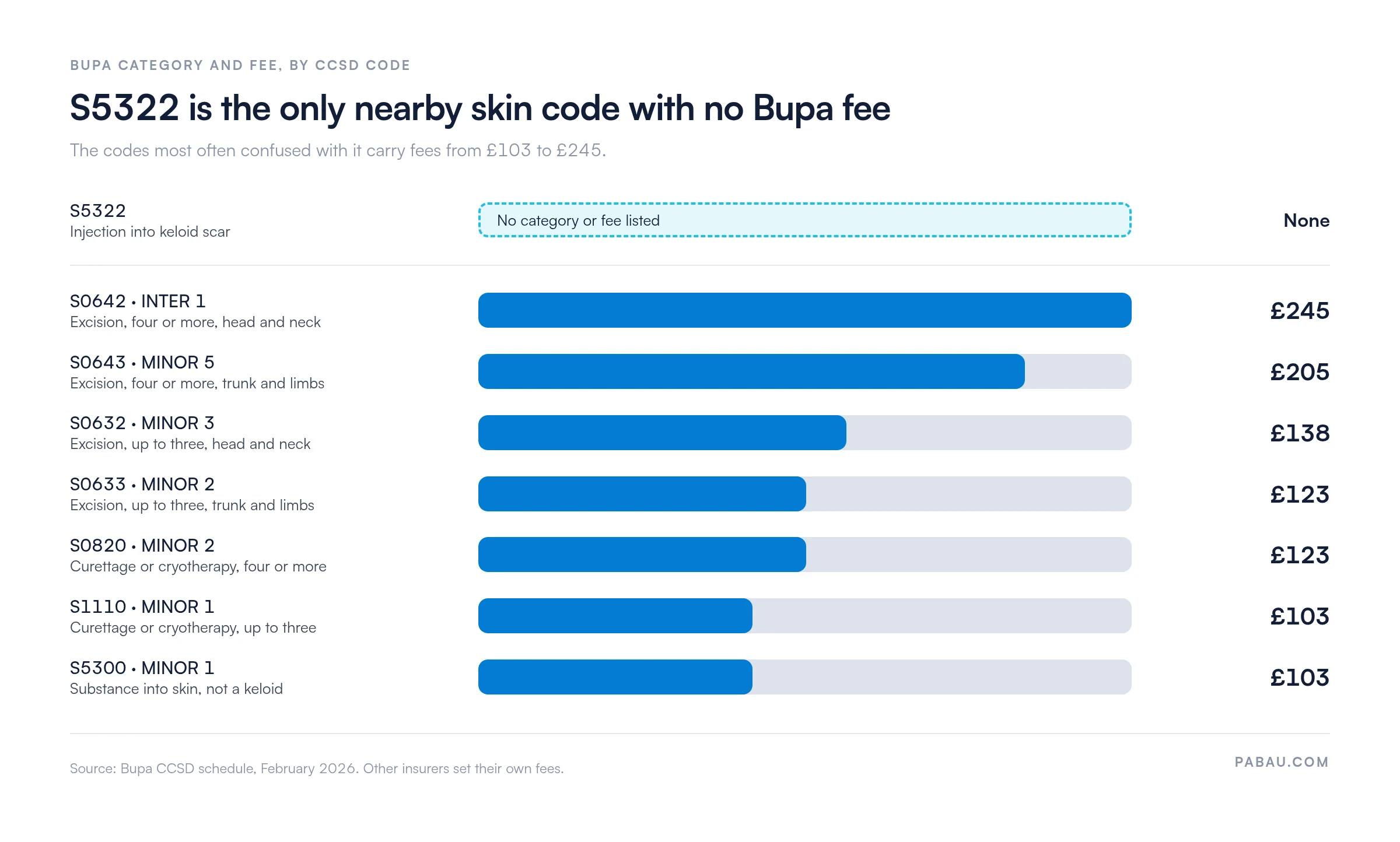
If you combine cryotherapy with intralesional injection in one keloid session, check the insurer’s rules before billing both codes. Some insurers accept both with supporting notes, while others ask for a supporting letter first.
Insurers can query an S5322 claim, but a thin procedure note is the most avoidable cause. In short, the record must show that the procedure took place, that the diagnosis warrants it, and why you chose the agent.
At a minimum, the procedure note for each S5322 session should include:
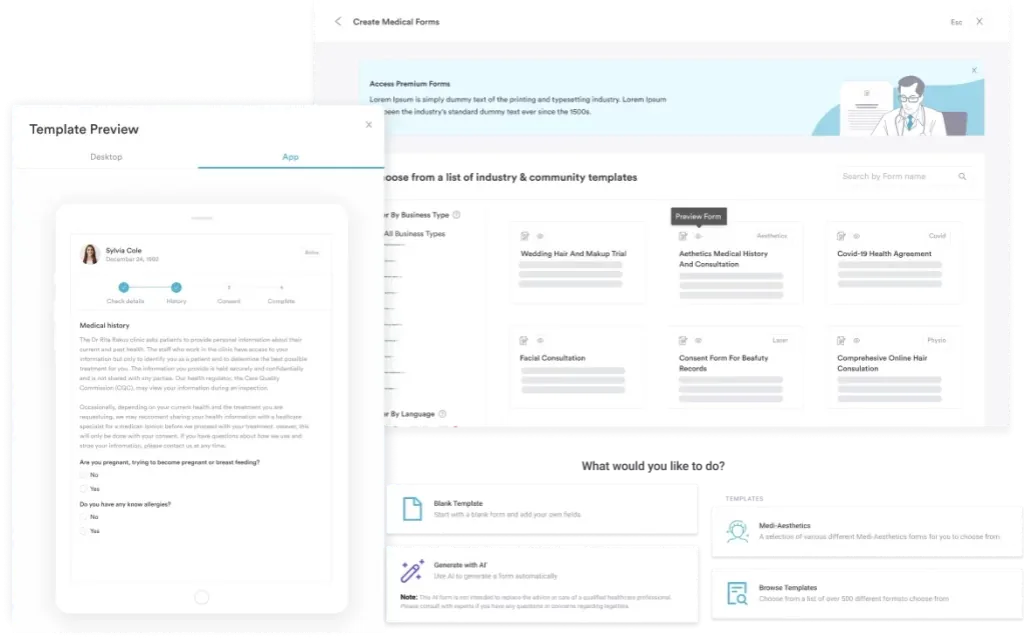
A digital clinical form with required fields captures these details at the point of care. When the insurer reviews the claim, the note already holds the agent, dose and lesion size it asks for.
For example, the Bupa schedule lists S5322 under simple procedures with no category and no fee. There is no single UK fee for the code, because each insurer sets its own.
Published insurer fees differ. Other insurers set their own fees for S5322, so check each insurer’s current schedule before you quote a patient.
If your charge is above the insurer’s fee, the patient may face a shortfall. Explain the difference in writing before treatment so the balance is agreed in advance.
However, insurer cover for S5322 is not automatic. Most UK private medical insurers expect the patient to obtain pre-authorisation before treatment. Record the authorisation number before the first session.
Above all, the cosmetic question is the biggest reimbursement risk. Many policies exclude cosmetic treatment, so cover for keloid injection often depends on symptoms such as pain, itching or restricted movement. Cover varies by insurer and policy, so confirm it before the first claim.
When medical necessity is in question, support the claim with:
Intralesional keloid treatment rarely succeeds after one session. Therefore, each session is billed separately under S5322, provided the record supports the decision to continue.
Three documentation points matter for repeat sessions:
Insurer queries on S5322 follow a consistent pattern. In fact, most are preventable with the right documentation and billing workflow.
Therefore, a structured workflow for S5322 cuts coding errors and speeds up payment. The steps below suit UK private dermatology and aesthetic practices billing insurers through Healthcode.
Review your S5322 claims each month. Compare submitted and paid claims, group any queries by reason, and check recent procedure notes for each one. Most queries trace back to the same few missing details, so fixing the note template once stops them recurring.
Pabau, the practice management platform we build, keeps the procedure note, consent form and invoice on one patient record. The practitioner documents each session once, and the billing team works from the same record.
In addition, Pabau’s claims management software sends UK insurer bills through Healthcode and tracks what comes back. Each session of a keloid injection course sits on the same record, so the history is there when an insurer asks for it.
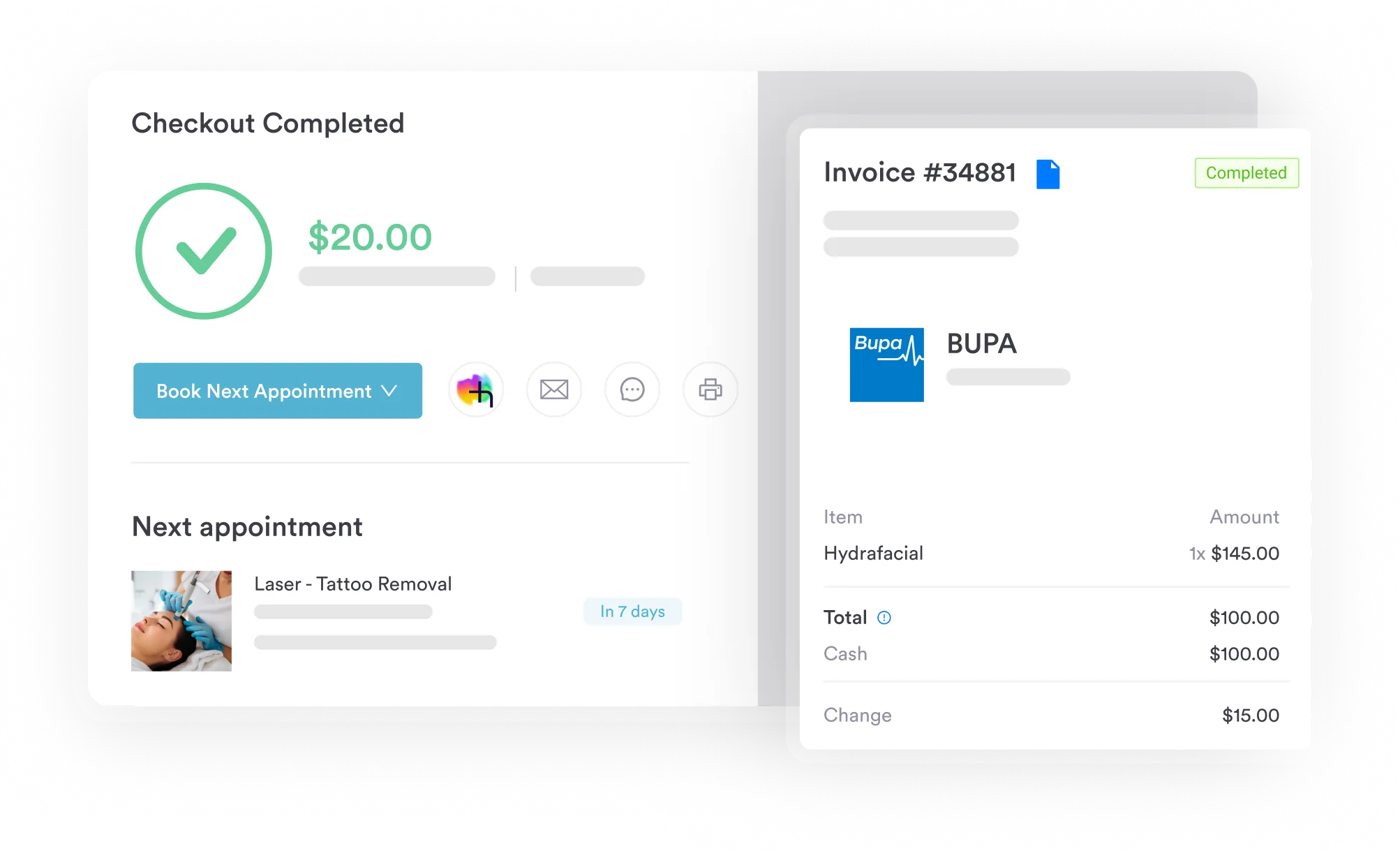

Pabau keeps the procedure note, consent forms and invoice in one patient record, and submits UK insurer bills through Healthcode. See how it works for your practice.

S5322 is a narrow code. It covers an injection into a keloid scar and no wider procedure, so its claims rise or fall on the record behind them.
The diagnosis code cannot tell a keloid from a hypertrophic scar, so the procedure note has to. Put the keloid’s features, the agent and the dose in every note, and check each insurer’s fee before you quote. Ultimately, that record is what keeps a course of injections paid.
To see how Pabau builds that record into every consultation, book a demo.

Looking for broader CCSD billing guidance? Bupa CCSD codes explains how the schedule works across UK private healthcare billing.
Billing another Chapter 1 simple procedure? CCSD code 25000 covers incision and drainage not elsewhere covered.
Confirming the diagnosis with a biopsy first? CCSD code S1500 covers biopsy of skin or subcutaneous tissue.
Looking up another UK private insurance code? The CCSD codes library lists every code guide we publish for UK private practice.
CCSD Code S5322 covers the injection of a therapeutic substance into a keloid scar. It sits in Chapter 1 of the CCSD schedule used by UK private medical insurers. It applies to agents such as triamcinolone acetonide, 5-fluorouracil or bleomycin injected into a confirmed keloid.
Use WHO ICD-10 L91.0, hypertrophic scar, which includes keloid scar. Keloid and hypertrophic scars share this code. Avoid L90.5, scar conditions and fibrosis of skin, and L73.0, acne keloid, as the primary diagnosis for S5322.
A keloid grows beyond the original wound and rarely regresses, while a hypertrophic scar stays within the wound margin. Both share ICD-10 L91.0, so the diagnosis code cannot separate them. The S5322 descriptor names a keloid, so the procedure note must record the keloid features.
Each treatment session is billed separately under S5322, provided the record justifies continuing treatment at each visit. Insurers may authorise a set number of sessions. Ask for further authorisation, with updated notes, before treating beyond that number.
The usual reasons are a cosmetic exclusion, missing pre-authorisation, the wrong ICD-10 code and a thin procedure note. Each is preventable. Pair the claim with L91.0, record the symptoms and the agent, and send a supporting letter where medical necessity is in question.