CCSD code L6530: Revision femoral bypass graft
CCSD code L6530: Definition and clinical scope CCSD code L6530 carries the offic...

Last Updated: Nov 13, 2026
P2510 is the CCSD code for repair of vesicovaginal fistula (including cystoscopy). It covers surgical closure of an abnormal tract between the bladder and the vagina. Any cystoscopy done during the repair is part of the fee.
UK private medical insurers expect pre-authorisation before surgery. Bupa's 2026 schedule places P2510 in its MAJOR 5 band, with a listed fee of £650.
Let Pabau's smart automation suggest the right codes, reduce claim denials, and keep your practice compliant—effortlessly.
Automate repetitive tasks and focus on what matters most—your patients.
Reduce coding errors and ensure compliance with the latest regulations.
Clean claims, fewer denials, and faster reimbursements.
Powerful insights and reporting to help your practice thrive.
HIPAA compliant SOC 2 certified GDPR-compliant Trusted by 4,000+ clinics worldwide

CCSD Code P2510 covers vesicovaginal fistula repair, with cystoscopy bundled into the procedure fee.
The primary ICD-10 diagnosis code paired with P2510 is N82.0 (Vesicovaginal fistula). Confirm any secondary codes with a qualified clinical coder.
UK private medical insurers such as Bupa, AXA Health and Vitality expect pre-authorisation before P2510 surgery. A missing authorisation number is the leading cause of rejection.
Pabau’s claims management software sends P2510 claims through Healthcode to insurers including Bupa, with the pre-authorisation reference drawn from the patient record.
CCSD Code P2510 carries the official descriptor: Repair of vesicovaginal fistula (including cystoscopy). The words “including cystoscopy” make any cystoscopy performed during the repair part of the P2510 fee.
AXA Health’s chapter 14 schedule lists the flexible and rigid cystoscopy codes, M4510 and M4514, as unacceptable combinations with P2510. Neither belongs on the same claim.The code sits in chapter 14 of the CCSD schedule, under the vagina/perineum section, with a MAJOR 5 complexity band.
Bupa’s schedule also cross-lists it under the bladder section of chapter 12, at the same band and fee. Urologists, gynaecologists and urogynaecologists bill it for women with an abnormal tract between the bladder and the vagina.
The fistula causes continuous, involuntary leakage of urine through the vagina. It usually follows pelvic surgery, most often hysterectomy, though obstructed labour, radiotherapy and malignancy can also cause it.
P2510 applies whatever the surgical approach: transvaginal, open abdominal or laparoscopic. Check the current CCSD schedule for a separate laparoscopic or robotic code before submitting. Coding the wrong approach can amount to upcoding or undercoding.
Vesicovaginal fistula repair is a major reconstructive procedure performed under general or regional anaesthesia. Knowing the operative steps helps coders confirm that the notes support the complexity priced into P2510. The procedure typically follows this sequence:
The operative note should describe each of these steps. A note with no cystoscopy findings may be queried, because the descriptor states that cystoscopy was performed.
Coders must separate the services bundled into P2510 from those billed alongside it. Billing a component the descriptor already includes is the most common audit finding on this code.
When in doubt about whether a service is bundled, the CCSD descriptor is the definitive reference. Check the current schedule rather than past practice, because CCSD publishes code changes through the year.
UK private medical insurers expect a diagnosis on every P2510 claim, and most ask for it as an ICD-10 code. They use the WHO ICD-10 classification, the same version the NHS uses for diagnosis coding. US ICD-10-CM codes, which carry extra characters, do not belong on a UK claim.
N82.0 is the standard primary code for vesicovaginal fistula repair. Add secondary codes for the cause, such as obstetric injury, only where the operative notes support them. The N82 category runs from N82.0 to N82.9, so confirm the sub-code with a qualified clinical coder. The wrong one can prompt a query from the insurer.
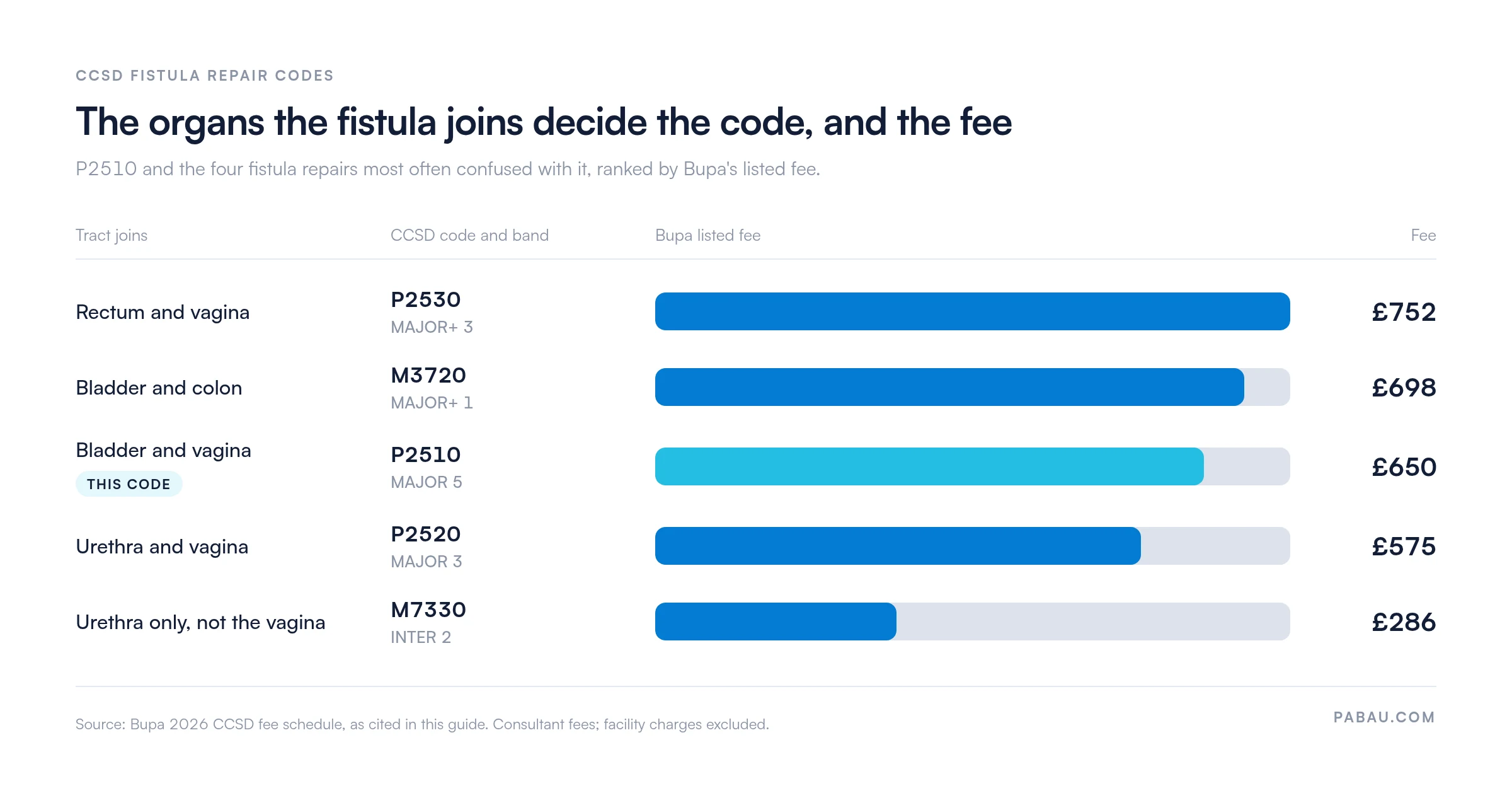
Vesicovaginal fistula is one of several urinary and genital fistula types, each with its own CCSD code. Coding the wrong fistula site is a common audit finding. The table sets P2510 against the codes most likely to be confused with it, with bands and fees from Bupa’s 2026 CCSD schedule. For the wider code set, see our CCSD code library.
Before coding, confirm the anatomy in the operative notes. A fistula between the bladder base and the vaginal vault is vesicovaginal and coded P2510. A tract between the urethra and the vagina is urethrovaginal, coded P2520.
A fistula involving the ureter is a different condition, and the CCSD schedule has no ureterovaginal code under P2510. Where the vagina itself is rebuilt rather than a fistula closed, the code is P2100.
A urethral fistula that does not open into the vagina is closed under M7330. Repair of an obstetric perineal tear is a different procedure, coded P1300.
A repair of the vaginal vault with no fistula belongs in the P24 range, such as code P2420. A wrong site code leads to rejection, can prompt an audit, and moves the fee too, as the chart below shows.
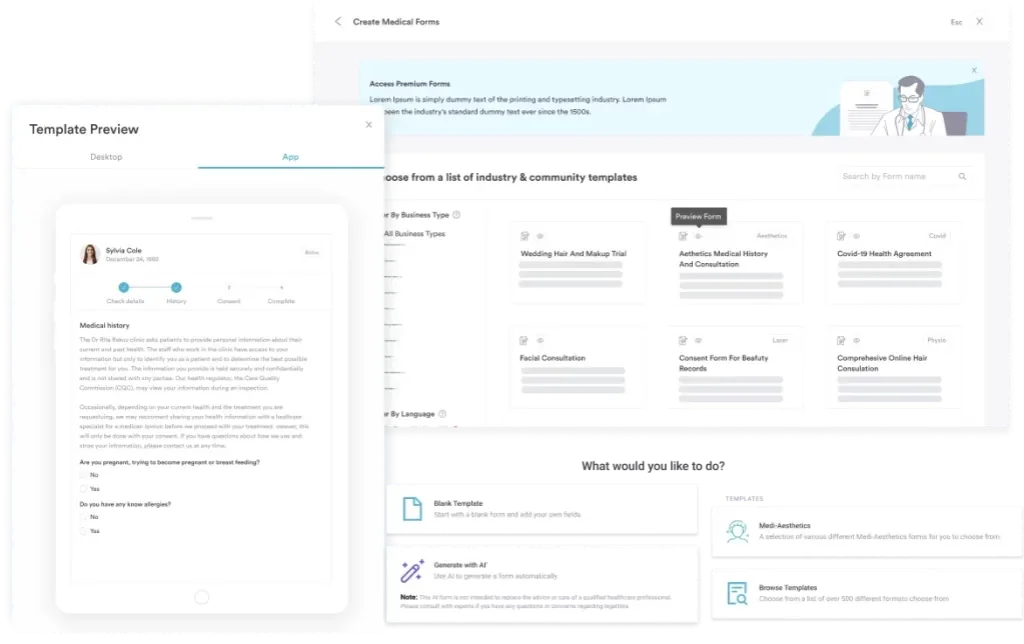
UK private medical insurers can ask for full clinical records before paying for a major reconstructive procedure. Practices that keep operative notes in structured digital forms can build each record around the fields insurers ask for. The minimum documentation set for a P2510 claim includes:
Keep these records in line with UK retention guidance. The Records Management Code of Practice for Health and Social Care sets eight years after treatment ends for adult records. Insurers auditing a paid claim will ask for the notes, and a practice that cannot produce them risks repaying the fee.
Vesicovaginal fistula repair is major reconstructive surgery. UK private medical insurers, including Bupa, AXA Health, Vitality, WPA and Aviva, expect pre-authorisation before the patient is admitted. A P2510 claim without a valid authorisation number is the most common cause of rejection for this code.
The patient usually contacts their insurer for authorisation, and the insurer may then ask the consultant’s practice for details. Have the following ready:
Authorisation does not guarantee full payment of the consultant’s fee. Each insurer pays from its own fee schedule, and some policies carry an excess or limits. Tell the patient in writing before surgery about any shortfall they may have to pay.
Confirm pre-authorisation before the theatre date is booked, and keep the reference in writing. Record the authorisation number, the date it was issued and any conditions in the patient file. If the date moves, contact the insurer, because an authorisation can lapse or be tied to a specific admission.
CCSD sets the codes, not the fees. Each insurer publishes its own fee for each code, and the rate a consultant receives depends on their agreement with that insurer. Bupa’s 2026 schedule places P2510 in its MAJOR 5 band, with a listed fee of £650. AXA Health lists the code at £600.
Several factors affect the P2510 reimbursement a practice receives:
Fee schedules change, so check the current figure on each insurer’s provider portal before quoting a patient.
Knowing why P2510 claims fail matters as much as knowing how to code them. A practice’s claims management software should flag these triggers before a claim goes out.
Anaesthesia is always billed separately from P2510. The anaesthetist submits their own claim, quoting the same pre-authorisation number as the surgeon. The surgical code covers the surgeon’s fee, and the anaesthetic fee is paid independently.
Assistant surgeon billing varies by insurer. Whether an assistant’s fee is paid alongside P2510 depends on the insurer’s rules and the complexity recorded in the notes. For complex or recurrent repairs, the operative note should state why an assistant was clinically necessary.
Confirm the position in the pre-authorisation response, since insurers may decline an assistant fee they did not agree in advance.
Insurers set their own rules on what a surgical fee covers. Many treat routine visits during the admission as part of the procedure fee, so check the insurer’s terms before billing ward visits.
After discharge, outpatient follow-up is usually billed separately, subject to the patient’s outpatient cover. Typical encounters include:
Each of these is a distinct encounter with its own documentation and its own line on the invoice.
The evidence for a P2510 claim often lives in three places. The dye test result sits in clinic letters, the authorisation number in an email, and the operative note in the hospital record. When an insurer queries the claim, someone has to rebuild that bundle by hand.
Pabau, the practice management platform we build, gives private consultants claims software that stores each insurer’s pre-authorisation as a case. Attach the case when booking the repair, and the authorisation code follows the appointment through to the claim. The operative note and clinical letters sit on the same patient record.
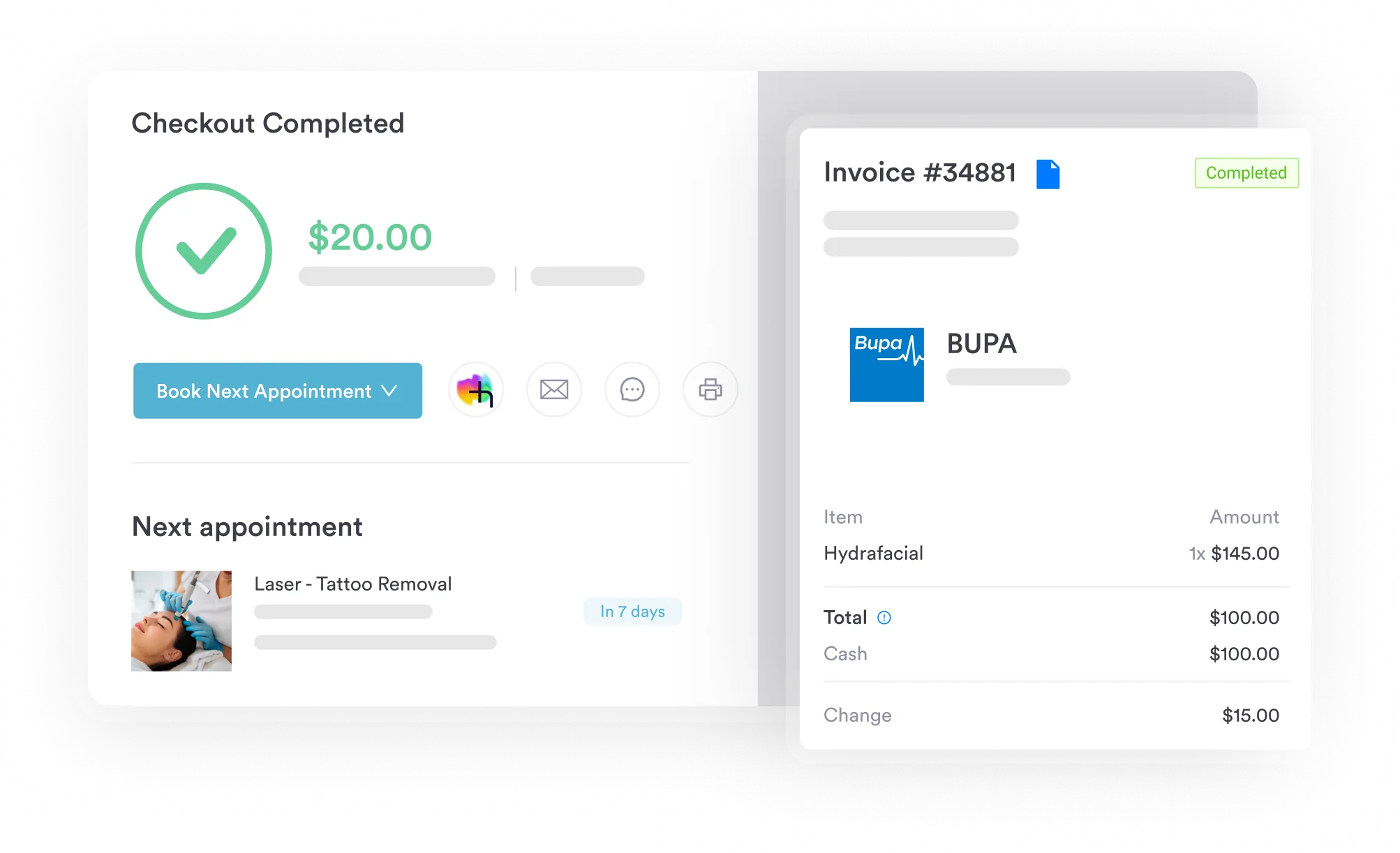
Claims go out through Healthcode to insurers including Bupa, AXA Health, Aviva and Vitality, each one pre-filled from its invoice. Bupa cover can be checked before the patient is booked, and paid Bupa invoices come back without matching them by hand. When an insurer asks for the operative note, your team sends it straight from the patient file.

Pabau sends CCSD claims through Healthcode to Bupa, AXA Health, Aviva and Vitality. It keeps the pre-authorisation reference, the ICD-10 code and the operative note on one patient record, ready when an insurer asks.

Coding P2510 correctly turns on facts the surgeon already records: the fistula site and the cystoscopy findings. Check both in the operative note before the code is chosen, and the two costliest errors never reach the insurer. Those are coding the wrong fistula and billing cystoscopy twice.
Pre-authorisation is the other lever. Secure it before theatre is booked, with N82.0 and the investigation results attached, and share the reference with the anaesthetist. A claim prepared this way rarely needs defending later.
Pabau’s gynaecology practice software keeps pre-authorisation, operative notes and CCSD claims together for UK private consultants. Book a demo to see it handle a P2510 claim from booking to payment.

Need to understand how CCSD codes are structured across specialties? Bupa CCSD codes guide explains how CCSD procedure codes work in UK private billing.
CCSD Code P2510 covers the surgical repair of a vesicovaginal fistula, with cystoscopy included as a bundled component. It applies to the full operative episode: fistula excision, layered bladder and vaginal closure, and the cystoscopy that confirms the fistula’s position.
Cystoscopy is included in CCSD Code P2510 and must not appear as a separate code on the claim. The official descriptor states “including cystoscopy”. Billing a standalone cystoscopy code alongside P2510 is unbundling, and it is a frequent cause of rejection and audit findings.
The primary WHO ICD-10 code is N82.0 (Vesicovaginal fistula). Add secondary codes only where the notes support them, such as O71.5 for an obstetric cause or Z87.4 for a repeat repair. Confirm code selection with a qualified clinical coder before submission.
Yes, in most cases. Vesicovaginal fistula repair is major reconstructive surgery, and UK insurers such as Bupa, AXA Health and Vitality expect pre-authorisation before admission. A P2510 claim without a valid authorisation number is the leading cause of rejection for this code.
Each insurer sets its own fee. Bupa’s 2026 schedule lists P2510 in its MAJOR 5 band at £650, and AXA Health lists it at £600. The amount a consultant receives depends on their fee agreement and the patient’s policy terms.
Yes. Anaesthesia is always billed separately from P2510. The anaesthetist submits their own claim under the same pre-authorisation number, and this is not unbundling.
The most common triggers are a missing or expired pre-authorisation and a cystoscopy code billed alongside P2510. Others include a wrong or missing ICD-10 code, operative notes that cannot be produced, and a consultant the insurer does not recognise for this specialty.