

HCPCS Code E0272: Foam rubber mattress billing guide
HCPCS Code E0272: official descriptor and code overview HCPCS Code E0272 is the ...

Last Updated: Nov 6, 2026
M4510 is the CCSD code for diagnostic endoscopic examination of bladder (flexible cystoscopy) +/– any biopsy. One code covers the examination and any biopsy taken during it, so a biopsy never adds a second procedure code.
M4510 applies to the flexible scope only. A rigid cystoscopy is billed as M4514, and treating a bladder lesion moves the claim to a therapeutic code. Bupa places M4510 in its Intermediate 1 band.
Let Pabau's smart automation suggest the right codes, reduce claim denials, and keep your practice compliant—effortlessly.
Automate repetitive tasks and focus on what matters most—your patients.
Reduce coding errors and ensure compliance with the latest regulations.
Clean claims, fewer denials, and faster reimbursements.
Powerful insights and reporting to help your practice thrive.
HIPAA compliant SOC 2 certified GDPR-compliant Trusted by 4,000+ clinics worldwide

CCSD code M4510 covers a diagnostic flexible cystoscopy, and any biopsy taken during it falls under the same code.
A rigid cystoscopy is billed as M4514, so the operative note must name the scope that was used.
Treating a bladder lesion through the scope moves the claim to a therapeutic code such as M4230 or M4210.
UK private medical insurers expect pre-authorisation before the procedure, and a missing reference is a leading cause of rejection.
Bupa lists M4510 in its Intermediate 1 band at £245, while other insurers set their own fees.
CCSD Code M4510 is the billing code for a diagnostic endoscopic examination of the bladder using a flexible cystoscope, with or without a biopsy. It is maintained by the Clinical Coding and Schedule Development Group, which publishes the CCSD Schedule of Procedures used by UK private insurers.
The official descriptor reads Diagnostic endoscopic examination of bladder (flexible cystoscopy) +/- any biopsy. The “+/-” is the detail that matters most. A biopsy taken during the examination is already inside M4510, so the coder adds no second procedure code for it.
M4510 sits in Chapter 12 of the schedule, Urinary system and male reproductive organs, alongside the other bladder procedures. It applies to the flexible scope only. A rigid cystoscopy has its own code, M4514, and insurers compare the scope recorded in the operative note with the code on the claim.
M4510 covers the whole flexible cystoscopy encounter, from scope insertion to removal. These elements all sit under the single code:
M4510 does not cover the following, which need separate CCSD codes:
Two neighbouring codes show where the line falls. Endoscopic destruction of a bladder lesion is M4230, and the cystoscopy is included in that code. Removing a ureteric stent is M2930, which also includes the cystoscopy.
Private insurers require a documented clinical indication before they will reimburse M4510. The indication must appear in both the referral letter and the operative note. Recognised indications that support medical necessity include:
When lower urinary tract symptoms call for pressure and flow measurements as well, the claim is M4780. That code covers invasive urodynamic assessment with the cystoscopy included, so M4510 is not added on top.
Clinicians moving from NHS work into private practice often record the indication too briefly. An NHS referral carries its clinical context with it. A private claim needs the reason stated in writing and tied to the procedure being claimed.
Flexible cystoscopy sits in a family of bladder endoscopy codes, and picking the wrong one is a common reason for a claim to come back. The table sets M4510 against the codes most often confused with it. Descriptors, bands and fees come from Bupa’s February 2026 CCSD schedule.
Read as a decision, the choice turns on two questions. Did the clinician only look, or treat a lesion? And which scope did they use? The panel below follows that order.
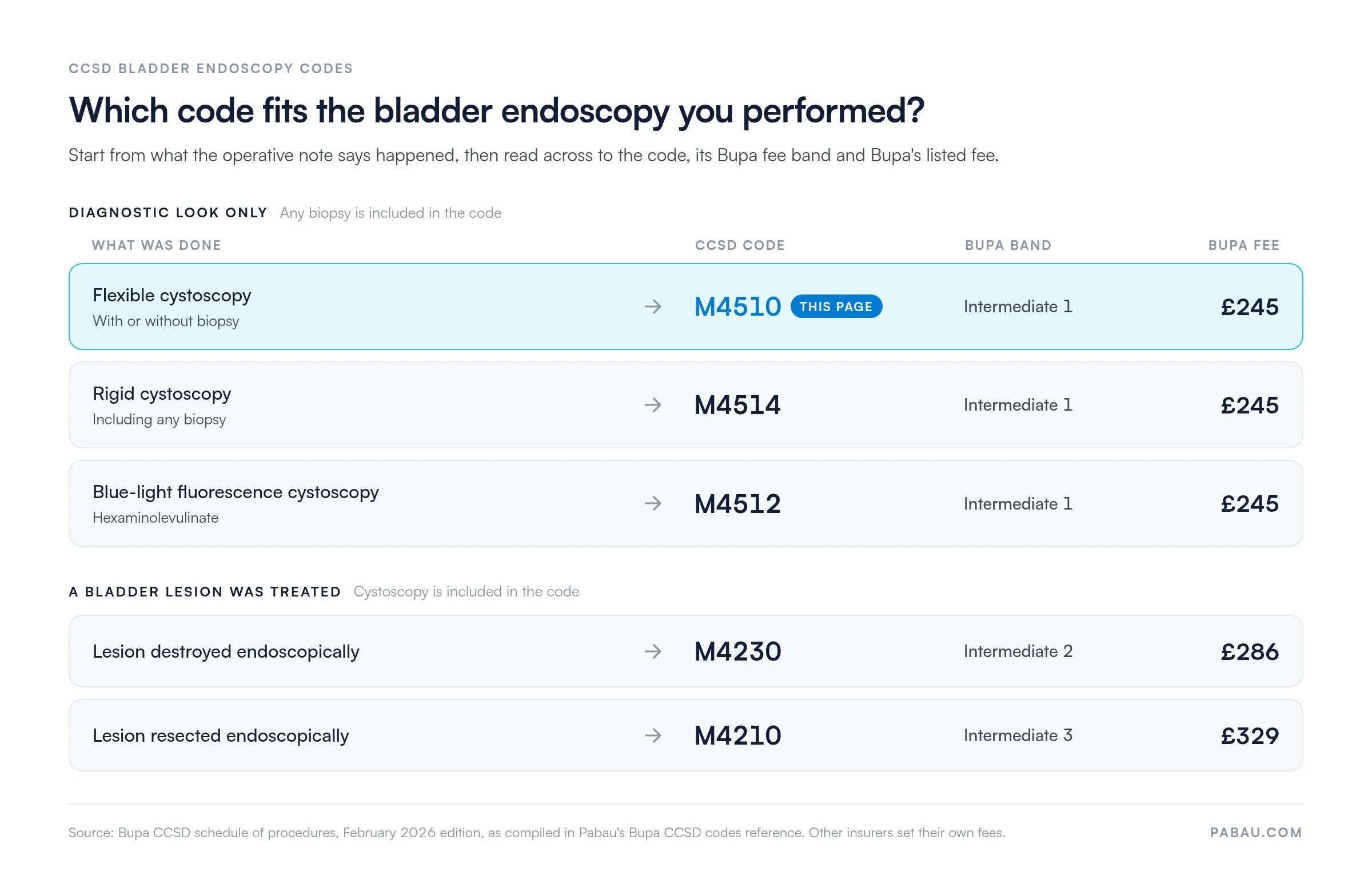
M4510, M4514 and M4512 share a Bupa fee, so a mix-up between them rarely changes the payment. It still produces a claim that contradicts the operative note, and that mismatch is what triggers a query. The rest of the schedule is searchable in our CCSD code library.
An operative note or procedure report is mandatory for every M4510 claim. Insurers ask for it on audit or during a pre-payment review. Digital procedure note templates built around the insurer’s required fields mean an incomplete note is spotted before submission, not after it.
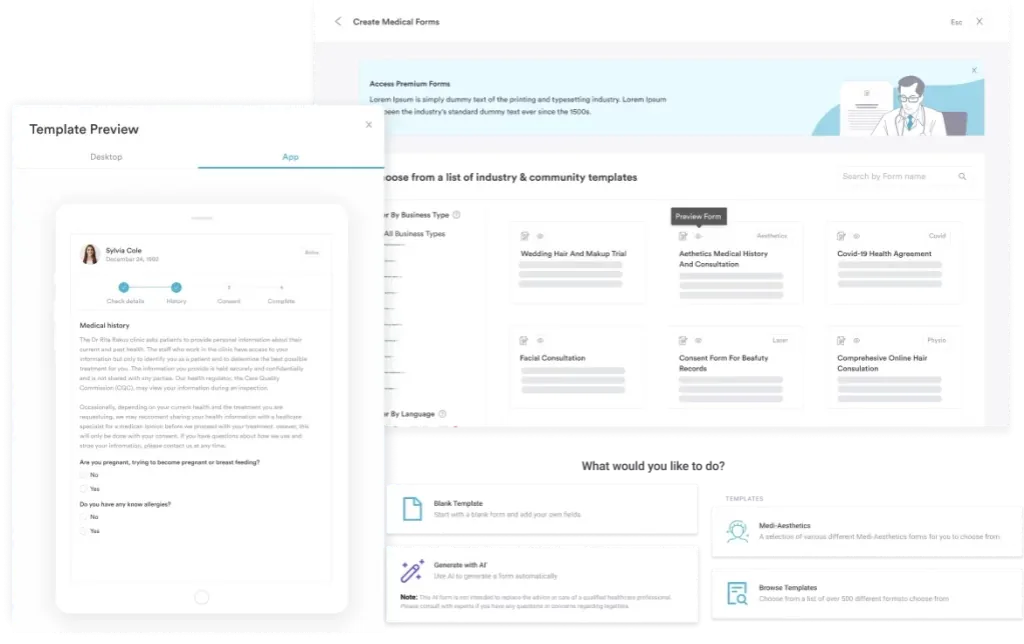
Every M4510 operative note must contain the following elements:
Pabau, the practice management platform we build, lets urology practices turn these fields into a structured procedure note template. An incomplete note is then caught in clinic rather than at the claims review stage.
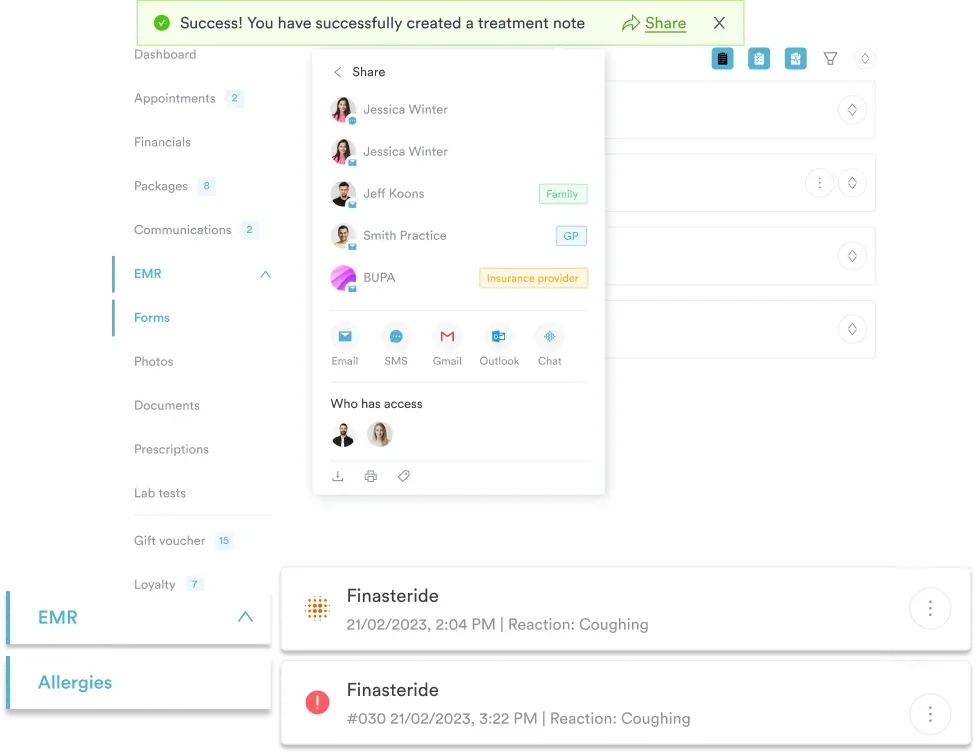
The major UK private medical insurers expect pre-authorisation before M4510 is performed. Carrying out the procedure without an authorisation reference is a leading cause of rejection for this code. The table summarises what each insurer asks for.
Pre-auth rules, turnaround times and the clinical information required can change between policy years. Confirm the current requirements on the insurer’s portal before booking the procedure. For practices with heavy Bupa volumes, our Bupa CCSD codes guide covers the pre-auth workflow in detail.
Request the pre-authorisation reference before confirming the procedure date with the patient. Record it in the patient file at booking, not afterwards. It must appear on the invoice and the claim form at submission.
A clean M4510 claim takes more than the right code. The sequence below reflects the standard workflow for UK private insurer submissions:
M4510’s “+/-” notation means the biopsy sits inside the procedure code whether or not a sample is taken. Coders sometimes add a separate bladder biopsy code alongside M4510. The insurer then either pays the claim at the M4510 rate alone or sends the duplicate code for manual review.
Submit M4510 alone, and record in the operative note that a biopsy was taken, where, and that the specimen went to histopathology. If the laboratory or pathologist bills a histopathology code, it goes on their own invoice, separate from the urologist’s claim.
M4510 rejections follow predictable patterns. Each issue below has a direct fix that can be built into the practice’s billing workflow:
Run a monthly rejection report filtered by M4510, and the most common failure point will show within two to three months. For most urology practices it is a missing pre-auth or a late submission. Both are fixed with a workflow change, not a clinical one.
CCSD sets the codes, not the fees. Each insurer publishes its own fee for each code, and the rate a consultant receives depends on their agreement with that insurer. Bupa’s February 2026 schedule places M4510 in its Intermediate 1 band, with a listed fee of £245.
Several factors affect the M4510 reimbursement a practice receives:
For current figures, check each insurer’s provider portal. Aviva’s fee schedule and Vitality’s fee finder, both linked in the pre-authorisation table above, allow CCSD code lookups for recognised practitioners.
Private urology practices often run diagnostic flexible cystoscopies as a day-case or outpatient list. At that volume, chasing pre-authorisation references and attaching operative notes by hand becomes a sizeable job for the billing team.
Pabau gives private practices claims software for consultants that stores each insurer’s pre-authorisation as a case. Attach the case when booking the cystoscopy, and the authorisation code follows the appointment through to the claim.
Claims go out through Healthcode to insurers including Bupa, AXA Health, Aviva and Vitality, each one pre-filled from its invoice. Bupa cover can be checked in seconds before the list runs. Paid Bupa invoices come back without matching them by hand.
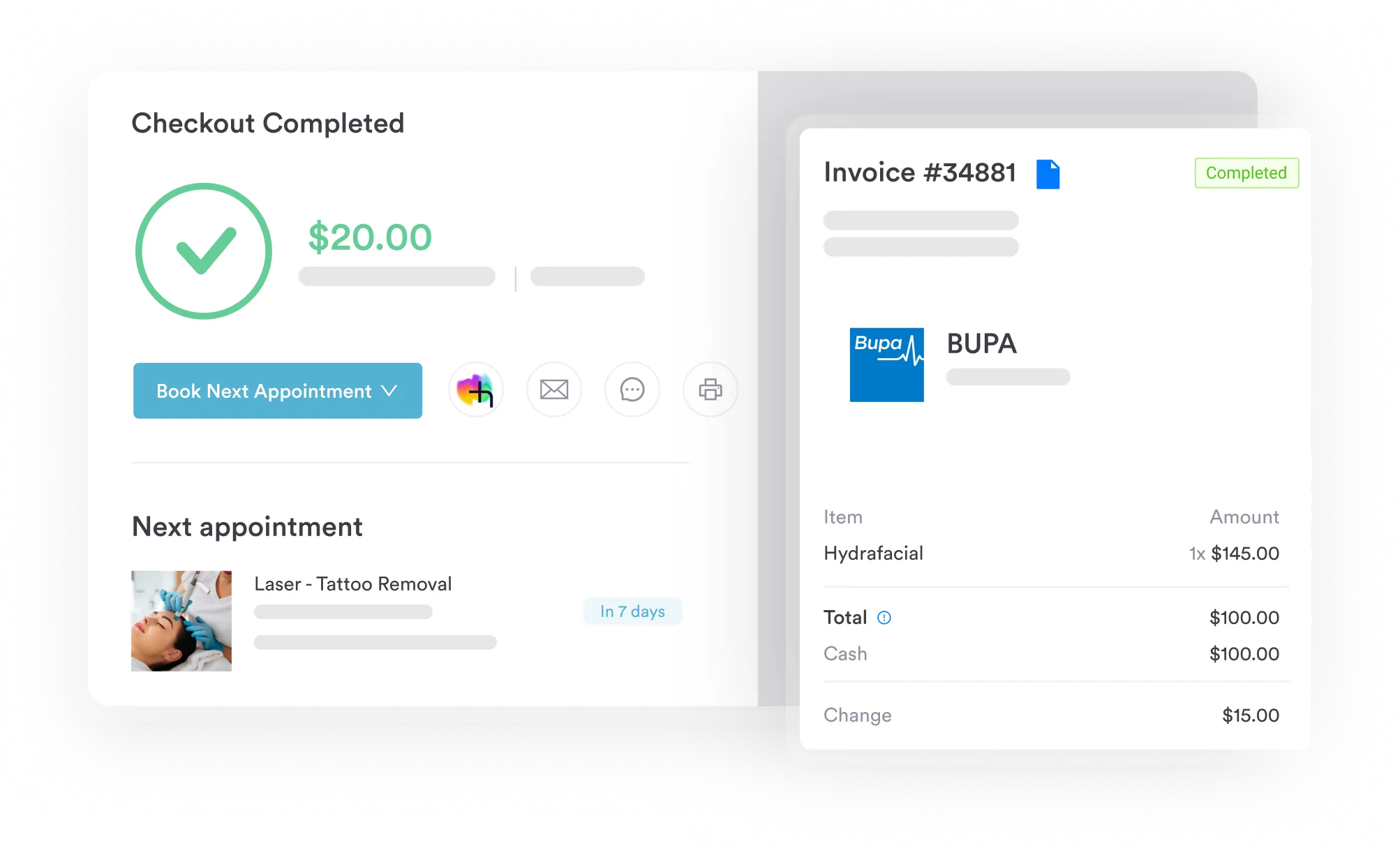

Pabau stores pre-authorisations as cases, pre-fills each claim from its invoice and sends it through Healthcode to UK insurers. Your team spends less time chasing rejected M4510 claims.

M4510 rewards the coder who reads the operative note first. If the note records a flexible scope and a diagnostic look, M4510 is the whole claim, biopsy or not. If it records a rigid scope or a treated lesion, the claim belongs to another code before any fee question arises. A diagnostic endoscopic examination of the kidney, with or without a biopsy, is billed as M1110.
The money is usually lost elsewhere, in a missing pre-authorisation reference or a note that never names the scope. Fix those two at booking and in the note template, and M4510 becomes one of the quieter codes on a urology list. Book a demo to see how Pabau carries the pre-authorisation from booking through to the Healthcode claim.

Building a note template for M4510? Operation notes template gives a free structure for recording each procedure, its findings and the operator sign-off.
Billing other urology codes on the same list? CCSD Code M7280: Urethral valve resection explains the scope, documentation and claim rules for that code.
Comparing billing tools for UK insurer claims? Best medical billing software in the UK reviews the platforms that handle private insurer billing for UK practices.
Moving from NHS work into private urology? Why UK doctors are choosing private practice sets out what changes once you see private patients.
CCSD Code M4510 covers a diagnostic endoscopic examination of the bladder with a flexible cystoscope, with or without a biopsy. Visualisation, inspection and any mucosal biopsy all sit under this single procedure code.
A biopsy is included in M4510. The official descriptor uses “+/-” notation, so the code applies whether or not a biopsy is taken. Adding a separate biopsy code usually leads to a reduced payment or a manual review. Any histopathology processing is billed by the laboratory on its own invoice.
M4510 applies only to flexible cystoscopy, while a rigid cystoscopy including any biopsy is billed as M4514. Bupa lists both in its Intermediate 1 band at £245. The operative note must state which scope was used, and the claimed code must match it.
Bupa, AXA Health, Aviva and Vitality typically require pre-authorisation before a flexible cystoscopy. The documents each insurer asks for vary and can change between policy years. Confirm the current requirements on each insurer’s provider portal before booking the procedure.
The most common reasons are a missing pre-authorisation reference and the wrong scope code. Thin clinical indications, a missing operative note and late submission follow close behind. Double-coding the biopsy is another frequent error, and each has a workflow fix before submission.
Yes, when a separate anaesthetist provides conscious sedation or general anaesthesia, the relevant CCSD anaesthetic code is billed on its own line. Local anaesthetic gel applied by the performing urologist is not separately billable.




