CPT Code 35820: Exploration for postoperative hemorrhage (thorax)
CPT Code 35820: Official descriptor and clinical overview CPT Code 35820 is defi...

Last Updated: Nov 13, 2026
P2100 is the CCSD code for reconstruction of vagina. UK private medical insurers use it to bill an operation that rebuilds the vagina when no vaginal mesh or tape is removed. Mesh or tape removal with reconstruction has its own codes, P2110 and P2120.
The code sits in Chapter 14, Female reproductive organs, under sub-chapter 14.4.0 Vagina/Perineum. It has been in the schedule since 20 January 2010. CCSD lists P2100 with P2110 as an unacceptable combination in the same episode. CCSD sets no fees, so each insurer decides what it pays.
Let Pabau's smart automation suggest the right codes, reduce claim denials, and keep your practice compliant—effortlessly.
Automate repetitive tasks and focus on what matters most—your patients.
Reduce coding errors and ensure compliance with the latest regulations.
Clean claims, fewer denials, and faster reimbursements.
Powerful insights and reporting to help your practice thrive.
HIPAA compliant SOC 2 certified GDPR-compliant Trusted by 4,000+ clinics worldwide

CCSD code P2100 is the UK private medical insurance code for reconstruction of the vagina, listed in Chapter 14, Female reproductive organs.
It sits in sub-chapter 14.4.0 Vagina/Perineum, beside the mesh-removal and colporrhaphy codes it is most easily confused with.
Mesh or tape removal with reconstruction is coded P2110 or P2120, and CCSD lists P2100 with P2110 as an unacceptable combination.
Insurers fund reconstruction for clinical reasons, so the operation note has to state the indication as well as the technique.
CCSD sets codes but not fees or cover, so confirm authorization with the patient’s insurer before you book the operation.
CCSD code P2100 is the code UK private medical insurers use for reconstruction of the vagina. AXA Health’s chapter 14 schedule lists it under exactly that descriptor. The code comes from the CCSD schedule, the shared set of procedure codes maintained by four insurers: Aviva, AXA Health, Bupa and Vitality.
The code sits in Chapter 14, Female reproductive organs, under sub-chapter 14.4.0 Vagina/Perineum. It has been in the schedule since 20 January 2010. The operating surgeon puts it on the invoice for the operation, whether that surgeon is a gynecologist, a urogynecologist or a plastic surgeon.
CCSD writes the codes and their descriptions, but it doesn’t set fees. Each insurer decides what it pays and whether a patient’s policy covers the operation at all. AXA Health, for example, places P2100 in its Xmajor band, at £750 for the surgeon and £357 for anesthesia. The rest of the schedule is covered in our CCSD procedure code guides.
Vaginal reconstruction means rebuilding the vagina, or creating one where it is absent. Surgeons do it for a handful of reasons, and the reason shapes how the claim reads to an insurer.
The new tissue usually comes from elsewhere in the body. Cancer Research UK’s guide to vaginal reconstruction lists four sources of tissue. They are a skin graft from the buttock, muscle and skin from the inner thighs, a lower abdominal (TRAM) flap and a section of bowel.
Many patients then use dilators to keep the new vagina open. That means follow-up appointments over the following months, which belong in the treatment plan you share with the patient.
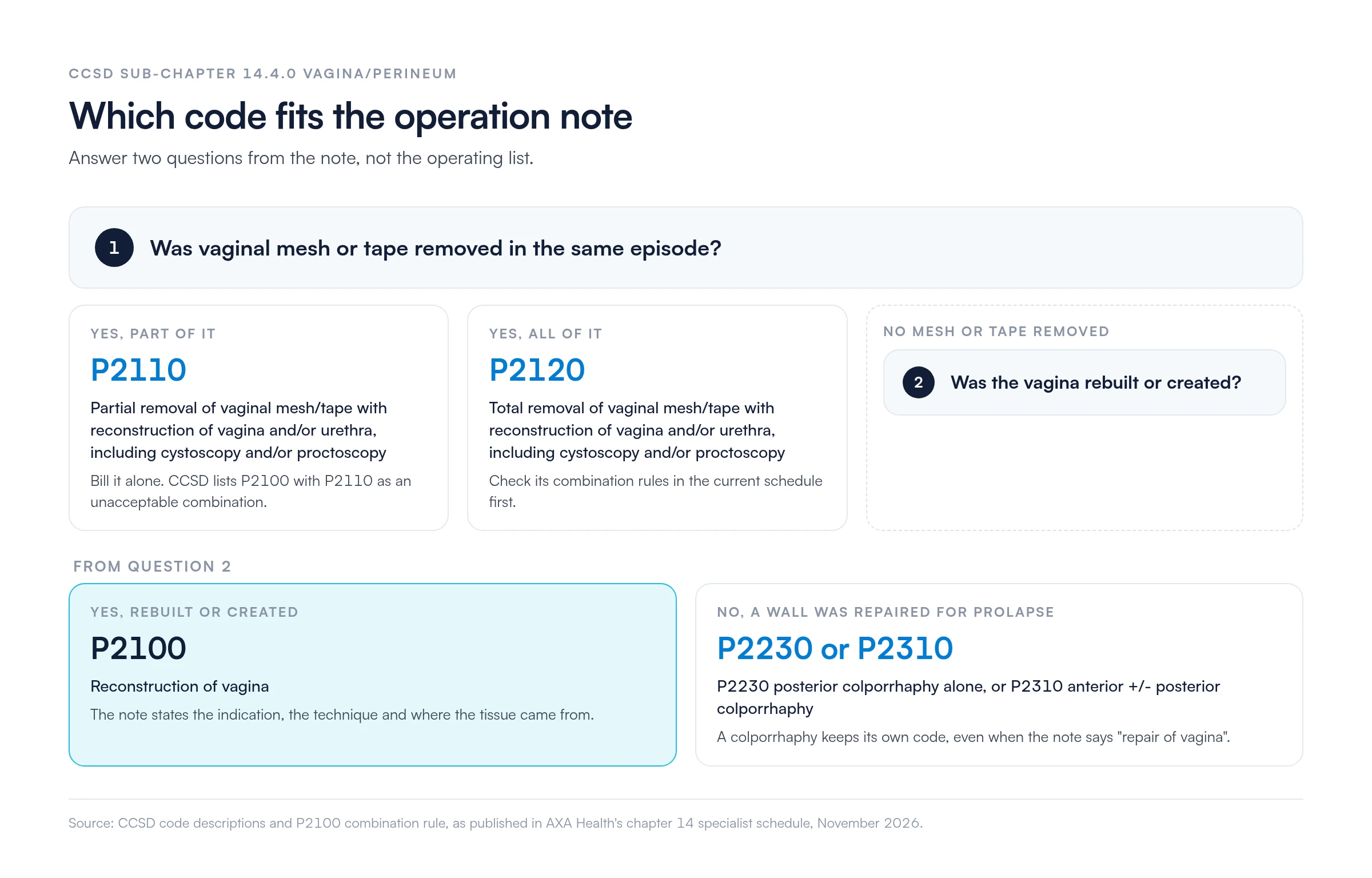
The codes around P2100 describe operations that can sound alike on an operating list. Read the operation note, then pick the code whose description matches what the surgeon did.
CCSD lists P2100 and P2110 as an unacceptable combination in the same episode. P2110 already includes the reconstruction, so bill it on its own. For a total removal under P2120, check its combination rules in the current schedule before you add anything to it.
Prolapse repair is the other common mix-up. Tightening a vaginal wall is a colporrhaphy, coded under P2310 or P2230, even when the note calls it a repair of the vagina. Closing a urethrovaginal fistula is a different operation again, billed as P2520. Repair of the vaginal vault itself has its own P24 range, which includes P2420.
Two questions from the operation note settle the code in almost every case, as the diagram shows.
Take two patients on the same afternoon. The first has a narrowed vagina after pelvic radiotherapy and has it rebuilt with a skin graft. That claim is P2100.
The second has part of an eroded mesh removed, and the vaginal wall is reconstructed. That claim is P2110 alone. Adding P2100 for the reconstruction would break the combination rule and send the invoice back.
Most of the work on a surgical claim happens before the patient reaches the operating room. A clean P2100 claim follows seven steps.
Each insurer runs its own authorization and payment rules, and they change. Our guide to Bupa CCSD codes shows how one insurer applies the schedule.
Run through this list with the operation note open beside the invoice.
When insurer details, consent forms and invoices live in separate systems, each hand-off risks losing a membership number or an authorization code.
Pabau, the practice management platform we build, keeps them on one patient record. Patients complete online intake and consent forms before the consultation, so their policy details arrive with them.
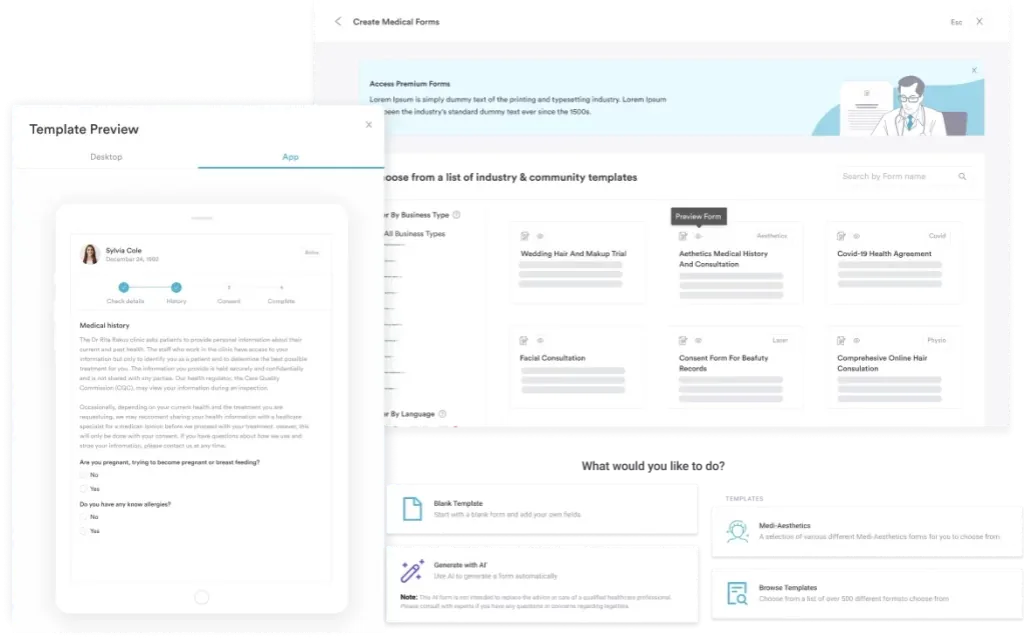
When you raise the invoice, Pabau’s claims management software pre-fills the claim from that record, and warns when the authorization code is missing. UK claims go to the insurer through Healthcode.
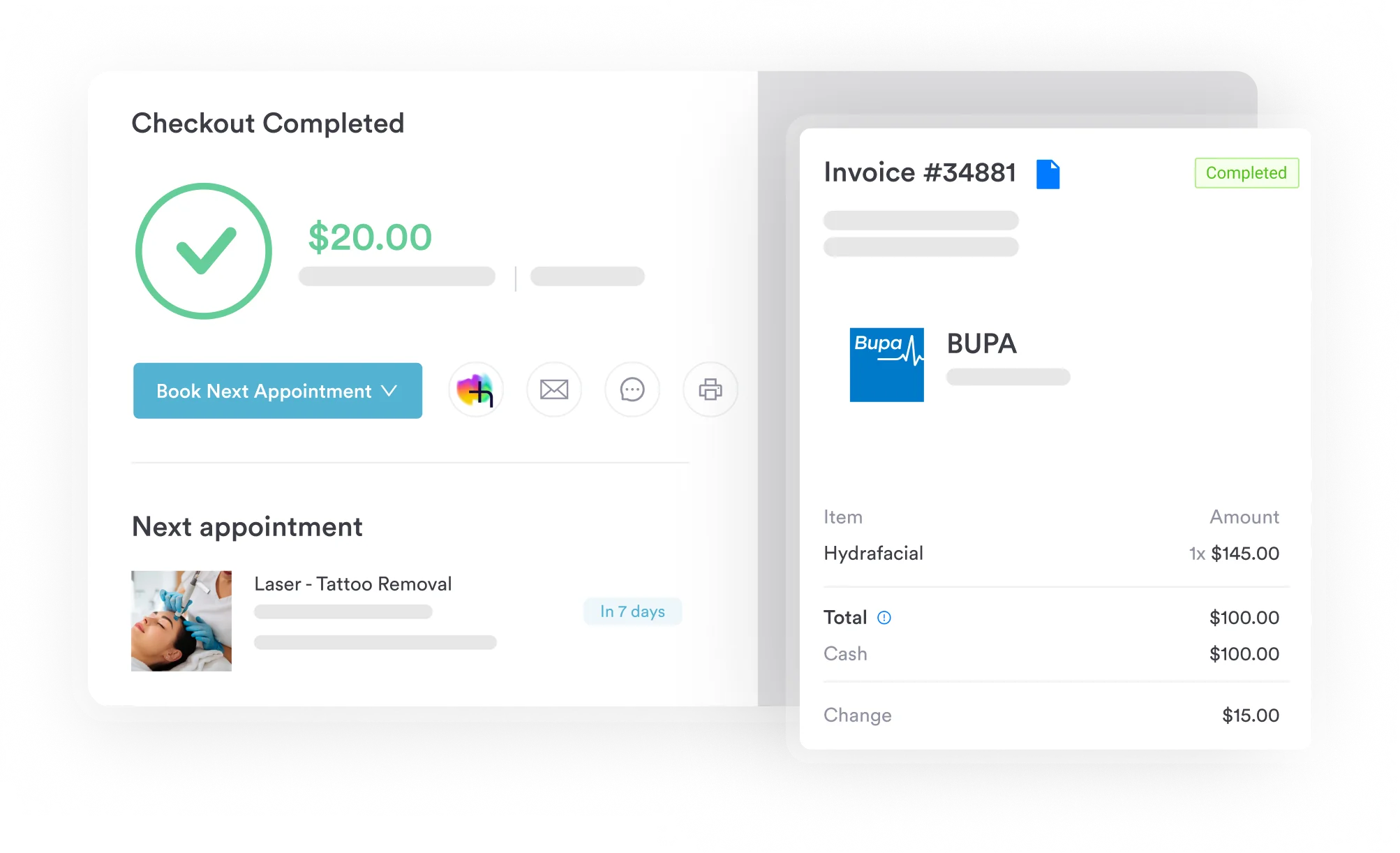

Pabau keeps policy details, consent and invoices on one patient record, then sends complete claims to UK insurers through Healthcode. Fewer claims come back for missing details.

P2100 is a narrow code, and that works in your favor. It covers rebuilding the vagina and stops there, so mesh removal and prolapse repair go elsewhere. Code from the operation note, never from the operating list, and the neighboring codes stop being a risk.
Put the effort in before surgery. An authorization number, a stated indication and correct policy details settle more of these claims than any appeal will.
Book a demo to see how Pabau keeps insurer details, consent and P2100 claims on one patient record.

Billing Bupa patients for gynecological surgery? Bupa CCSD codes explains how Bupa applies the schedule to claims.
Repairing prolapse rather than reconstructing? CCSD code P2310 covers anterior colporrhaphy, with or without a posterior repair.
Coding a fistula repair in the same sub-chapter? CCSD code P2520 covers urethrovaginal fistula repair.
Checking what insurers pay by code? Bupa procedure codes fee schedule walks through how the fee schedule is organized.
CCSD stands for Clinical Coding and Schedule Development. It is a group of UK private medical insurers that maintains a shared schedule of procedure and test codes. The four members are Aviva, AXA Health, Bupa and Vitality.
It can, when the operation is clinically necessary, for example after cancer surgery. Cover depends on the patient’s policy, and insurers usually exclude cosmetic surgery. The patient should get authorization before the operation date.
The terms overlap. Vaginoplasty is the general surgical name for building or repairing the vagina. Whether a vaginoplasty bills as P2100 depends on what the operation note describes, so code from the note rather than the name.
Cancer Research UK says pain is normal for the first week or so. Patients who use dilators usually need them less often after about three months. Plan follow-up appointments across that period.
No. OPCS-4 is the NHS classification of surgical procedures, used in hospital records. CCSD codes are the private insurers’ own schedule, used on invoices to Aviva, AXA Health, Bupa and Vitality.