HCPCS Code E0272: Foam rubber mattress billing guide
HCPCS Code E0272: official descriptor and code overview HCPCS Code E0272 is the ...

Last Updated: Nov 6, 2026
L2382 is the CCSD code for aortic root replacement with valve conduit or homograft and/or remodelling. UK private medical insurers use it to process the cardiac surgeon's claim. The aortic root is the first section of the aorta, where it leaves the heart. In this operation, the surgeon removes the diseased root and rebuilds it.
It sits in Chapter 8 of the CCSD schedule, under Heart - Cardiac Surgery. CCSD lists K3500, a transluminal operation on a heart valve, as an unacceptable combination, so the two are never billed together. CCSD sets no fees; each insurer decides what L2382 pays.
Let Pabau's smart automation suggest the right codes, reduce claim denials, and keep your practice compliant—effortlessly.
Automate repetitive tasks and focus on what matters most—your patients.
Reduce coding errors and ensure compliance with the latest regulations.
Clean claims, fewer denials, and faster reimbursements.
Powerful insights and reporting to help your practice thrive.
HIPAA compliant SOC 2 certified GDPR-compliant Trusted by 4,000+ clinics worldwide

CCSD code L2382 covers aortic root replacement with a valve conduit, a homograft or a valve-sparing remodelling repair.
L2382 is a UK private insurance code for heart surgery, in Chapter 8 of the CCSD schedule.
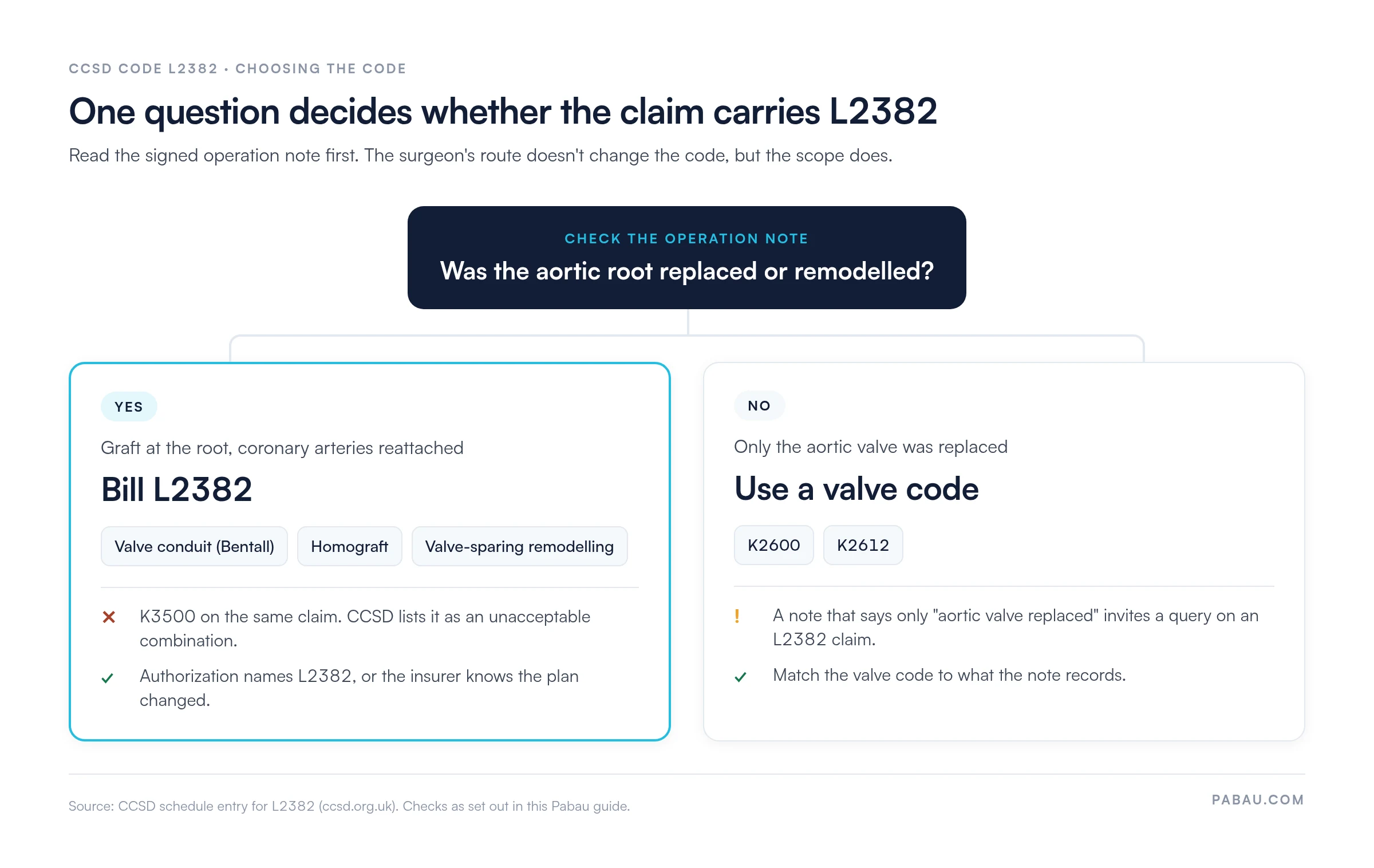
CCSD lists K3500, a transluminal operation on a heart valve, as an unacceptable combination with L2382.
If the surgeon replaced only the aortic valve, the claim belongs on a valve code instead of L2382.
CCSD sets no fees. Each insurer decides what L2382 pays and whether it adopts CCSD guidance.
CCSD code L2382 is the UK private insurance code for aortic root replacement. The aortic root is the first section of the aorta, where it leaves the heart. It holds the aortic valve and the openings of the coronary arteries.
In this operation, a cardiac surgeon removes the diseased root and rebuilds it. The rebuild uses a valved conduit, a donor homograft or a valve-sparing remodelling repair.
UK private medical insurers use L2382 to process the surgeon’s claim. Payment depends on three checks. The pre-authorization must name a root replacement. The operation note must show the root was replaced. Finally, the claim must not pair L2382 with K3500.
“Aortic root replacement with valve conduit or homograft and/or remodelling.” The descriptor comes from the Clinical Coding & Schedule Development Group (CCSD) schedule.
The descriptor names three ways to rebuild the root. Each one ends with the diseased root replaced or reshaped.
The “and/or” wording matters for billing. The surgeon’s chosen route does not change the code. So a planned remodelling that ends as a conduit repair still bills as L2382.
Some L2382 details are public, while others sit behind the CCSD login. The table separates what is confirmed from what you still need to check.
Our guide to reading CCSD codes explains how the wider schedule is organized.
The descriptor leaves another question open. It does not say whether the operation is a first or a repeat. A reoperation on the ascending or proximal descending aorta has its own CCSD entry, L2350, which covers revision work only.
CCSD reports one unacceptable combination for L2382. That code is K3500, a transluminal operation on a heart valve. Transluminal means the work is done through a catheter inside a blood vessel. CCSD added the pairing in February 2012.
Expect a query or a rejection if both codes appear on one claim. If both procedures took place, contact the insurer before you submit. Send the operation notes that explain the sequence.
Keep one limit in mind. CCSD principles are guidance, and they do not list every possible combination. Each insurer decides whether to adopt them. So a pairing CCSD does not mention is not automatically safe. Check the insurer’s own rules too.
L2382 needs the root itself replaced or remodelled. When the surgeon replaces only the aortic valve, the claim belongs on a valve code. Our guides to CCSD code K2600 and CCSD code K2612 cover aortic valve replacement.
The operation note shows which side of the line a case falls on. Look for a graft at the root and reattached coronary arteries. Without them, L2382 is probably the wrong code. The chart below maps both outcomes.
Most UK private medical insurers expect the patient to get pre-authorization before planned surgery. The authorization should name the code you expect to bill. For L2382, that means the root replacement, not just the valve.
Plans can change in theater. A surgeon may plan a valve replacement and find a dilated or infected root. The operation then becomes a root replacement. The authorization, however, still names the valve code. Tell the insurer as soon as you can after surgery, and send the operation note.
Emergency surgery, such as repair of an aortic dissection, often happens before anyone can authorize it. Follow the insurer’s process for notifying an emergency admission, and keep a record of the call.
Insurers read the operation note against the descriptor. Make sure it records each of these points:
A note that says only “aortic valve replaced” invites a query. Spell out what happened to the root.
A dissection that reached the root can mean two pieces of work in one sitting. The root replacement bills as L2382, while the dissection repair carries its own code. L1992 covers a repair more than two weeks after onset, so check that pairing against the insurer’s rules.
Here is how a typical claim moves, with one change of plan along the way. The patient has Marfan syndrome and an enlarged aortic root.
Compare a planned K2600 valve replacement that turns into a root replacement. There, the code changes. So the insurer needs to hear about it before the claim goes in.
Tick each line against the signed operation note. One unticked line usually means a query later.
Watch for these six slips. Each one has a simple fix.
CCSD maintains the codes and the coding principles. It does not set reimbursement. Each insurer decides whether to adopt CCSD guidance and what it pays for each code.
Most insurers publish a benefit maximum per code. Bupa’s is one example, explained in our Bupa fee schedule guide. If the surgeon’s fee is above that maximum, the patient pays the shortfall. Tell the patient about any shortfall before surgery, in writing.
Cardiac surgery claims pass through several hands. The authorization sits in an email, the note in a hospital system, and the invoice somewhere else. Pabau, the practice management platform we build, keeps them on one patient record.
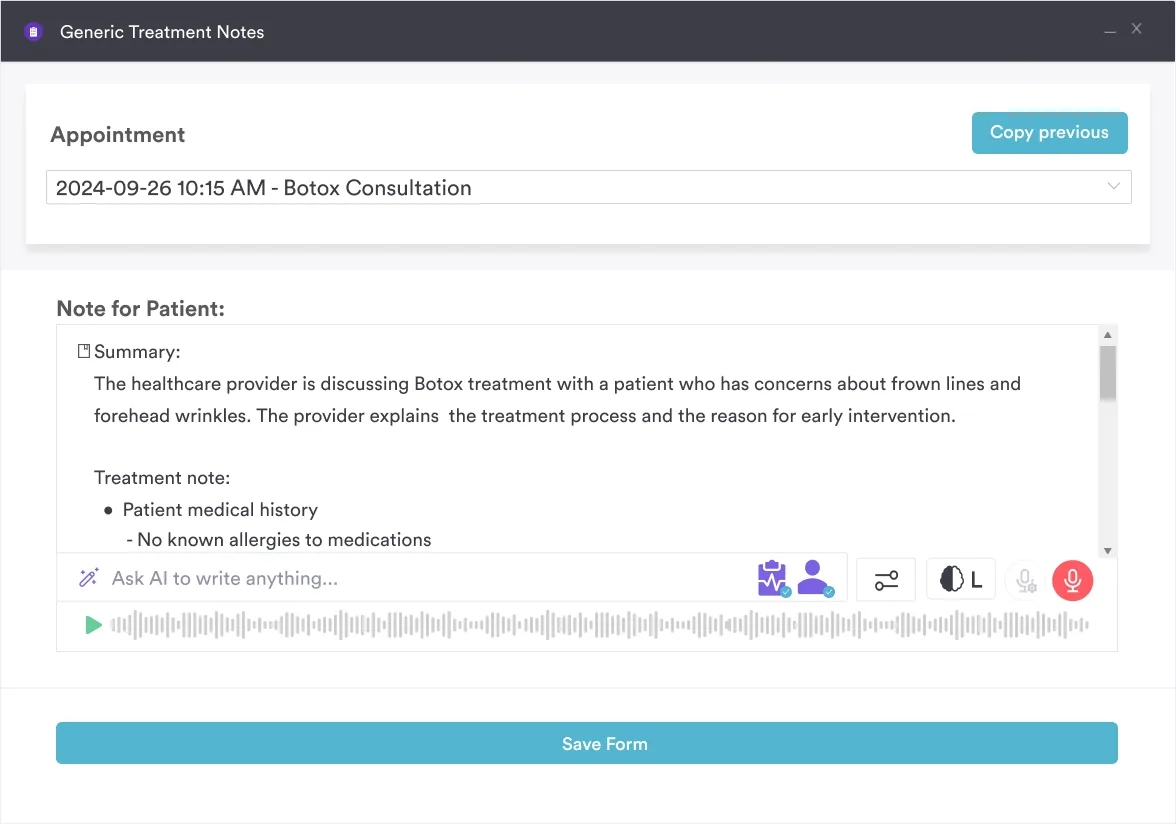
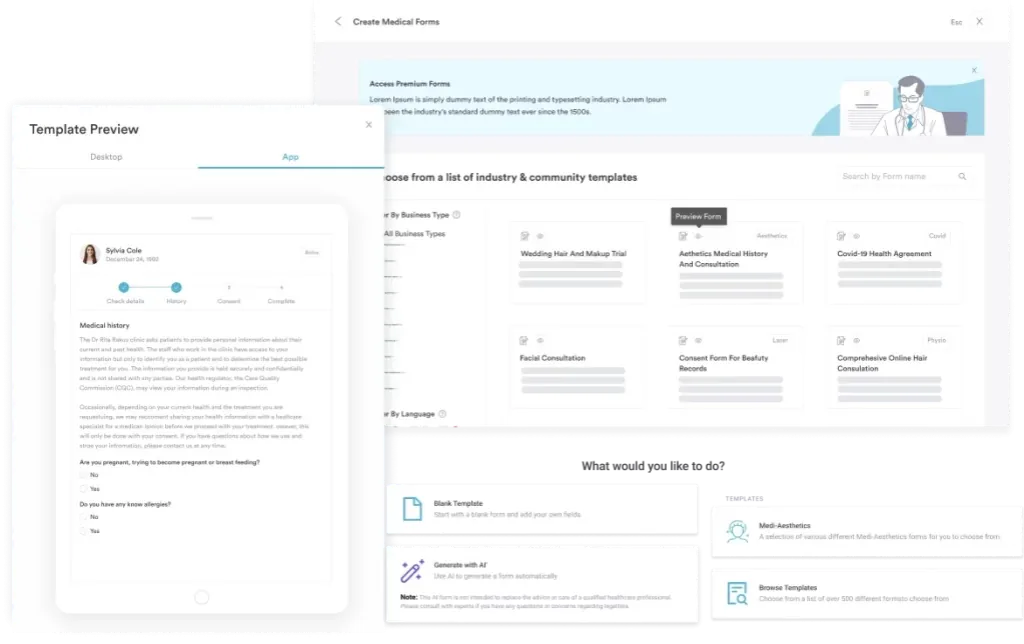
The insurer details and authorization reference live on the patient record. When you raise the invoice, the CCSD code and reference carry onto the claim. Claims management checks required fields, such as the membership number and authorization code, before the claim can go.
Claims reach UK insurers electronically through Healthcode. You can then see whether each claim is paid, queried or rejected, without phoning the insurer.
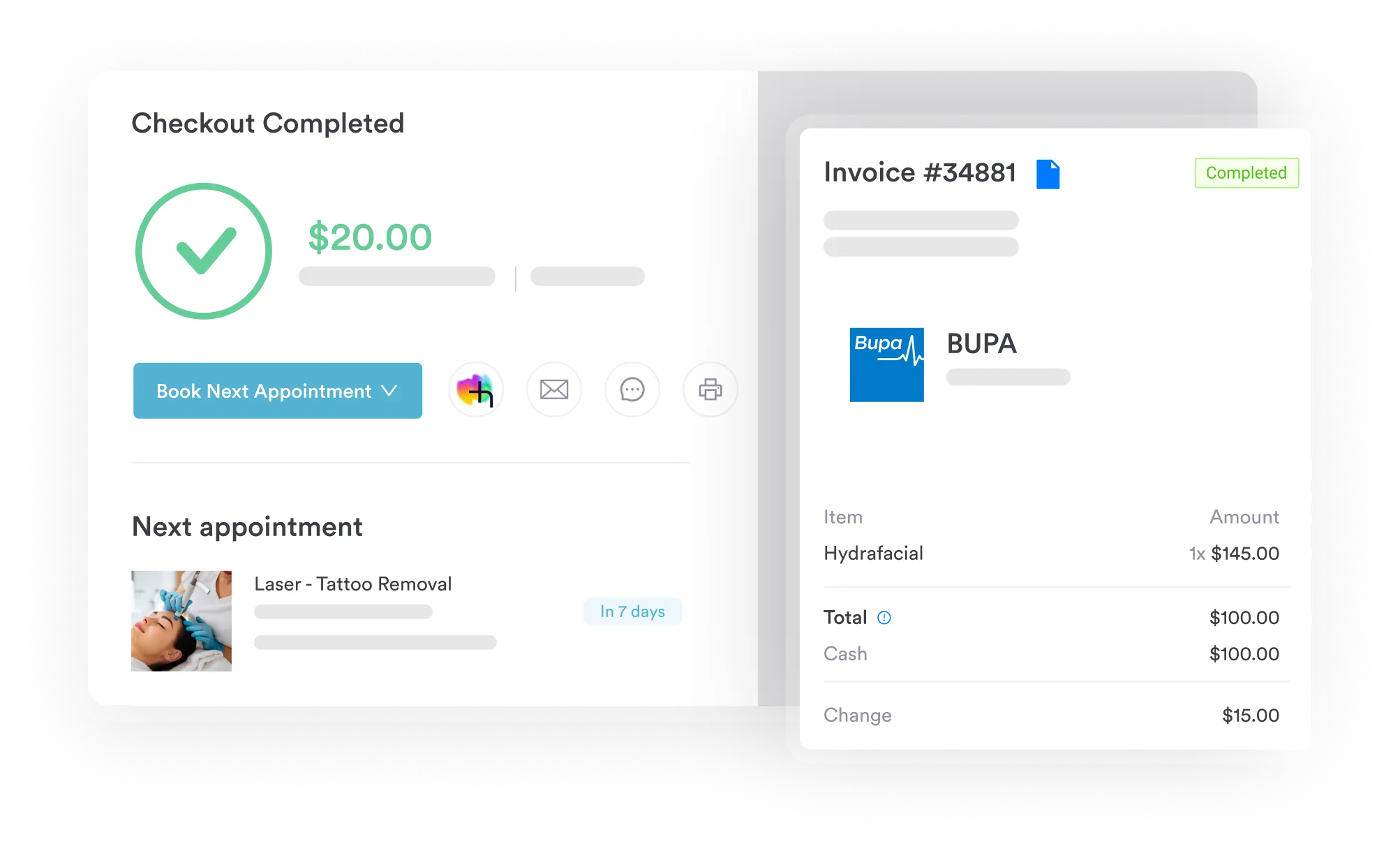

Pabau carries the CCSD code and authorization reference from the patient record onto each claim. Claims reach UK insurers through Healthcode, with status in one view.

L2382 rests on one question. Was the aortic root replaced or remodelled? If the operation note says yes, the route the surgeon took does not change the code. If only the valve was replaced, L2382 is the wrong choice.
The other risks sit outside the theater. Keep K3500 off the claim, and keep the authorization in step with what happened. Check the band and fee with the insurer, because CCSD sets neither.
Book a demo to see how Pabau keeps CCSD claims and their authorizations together for cardiac surgery practices.

Billing an aortic valve replacement alone? CCSD code K2600 covers replacement or repair of the aortic valve without the root.
Valve replaced with a homograft or stentless valve? CCSD code K2612 explains the valve code for that procedure.
New to the schedule? CCSD codes walks through how the schedule is organized and used by UK insurers.
Need the fee behind the code? Bupa procedure codes fee schedule explains how benefit maximums are set per code and where shortfalls come from.
It covers aortic root replacement with valve conduit or homograft and/or remodelling. CCSD lists K3500, a transluminal operation on a heart valve, as an unacceptable combination. So the two codes never go on the same claim.
No. CCSD codes are for private medical insurance claims. NHS hospitals record the same operation in OPCS-4, the UK’s national procedure classification.
Check the CCSD site, where part of the detail needs a login. Your insurer’s published schedule may also show it.
The descriptor names remodelling, which is a valve-sparing approach. Reimplantation is a different valve-sparing technique. Confirm with CCSD or the insurer how they class it before you bill.
The descriptor does not mention first or repeat operations. Check the CCSD site for any redo code, and ask the insurer before surgery so the authorization matches.