

CPT Code 30801: Superficial turbinate ablation billing guide
CPT Code 30801: Official descriptor and procedure overview The American Medical ...

Last Updated: Nov 27, 2026
A5720 is the CCSD code for facet or sacroiliac joint (RF) radiofrequency thermocoagulation including rhizolysis (under X-ray control) – up to 3 joints. It covers one session in which the nerves supplying up to three facet or sacroiliac joints are lesioned with RF heat.
UK private insurers such as Bupa, AXA Health, Aviva and VitalityHealth use CCSD codes. A session treating 4 to 6 joints is billed as A5730, and insurers expect pre-authorization before treatment.
Let Pabau's smart automation suggest the right codes, reduce claim denials, and keep your practice compliant—effortlessly.
Automate repetitive tasks and focus on what matters most—your patients.
Reduce coding errors and ensure compliance with the latest regulations.
Clean claims, fewer denials, and faster reimbursements.
Powerful insights and reporting to help your practice thrive.
HIPAA compliant SOC 2 certified GDPR-compliant Trusted by 4,000+ clinics worldwide

CCSD code A5720 covers facet or sacroiliac joint radiofrequency (RF) thermocoagulation, including rhizolysis, under X-ray control for up to 3 joints in one session.
A session that treats 4 to 6 joints is billed as A5730, not as A5720 with extra units added.
X-ray control is written into the A5720 descriptor, so a separate image guidance code should not be added to the claim.
UK private insurers such as Bupa, AXA Health, Aviva and VitalityHealth expect pre-authorization before the procedure goes ahead.
NICE advises RF denervation only after a positive diagnostic medial branch block, so record that result before you request authorization.
CCSD code A5720 covers facet or sacroiliac joint radiofrequency thermocoagulation, including rhizolysis, performed under X-ray control for up to 3 joints in one session.
UK private medical insurers bill specialist procedures with codes from the Clinical Coding and Schedule Development (CCSD) schedule. A5720 sits in chapter 3 of that schedule (spine, spinal cord and peripheral nerves), in the paraspinal injections category.
The procedure uses RF heat to lesion the nerves that carry pain from the joint. For a facet joint, those are the medial branch nerves, and for the sacroiliac joint, the lateral branch nerves. The joint itself stays in place. Rhizolysis, the nerve-destroying step, is part of the descriptor, so no separate rhizolysis code is added.
The joint count decides the code. A5720 covers 1 to 3 joints, and CCSD code A5730 covers 4 to 6 joints in the same session. For the wider framework, see the CCSD billing guide.
Knowing what the A5720 descriptor bundles prevents both undercoding and unbundling. The code covers the RF lesioning, needle placement, test stimulation and the X-ray guidance used during the session. Adding a separate imaging code for that guidance invites a query from the insurer. An “as sole procedure” tag, as on T0212, keeps a code off claims with another procedure.
Count each joint treated, on each side. Left and right facet joints at one spinal level are two joints. Treating the L3-L4 and L4-L5 facet joints on both sides is therefore 4 joints, which takes the session out of A5720 and into A5730. The scale below shows where each count lands.
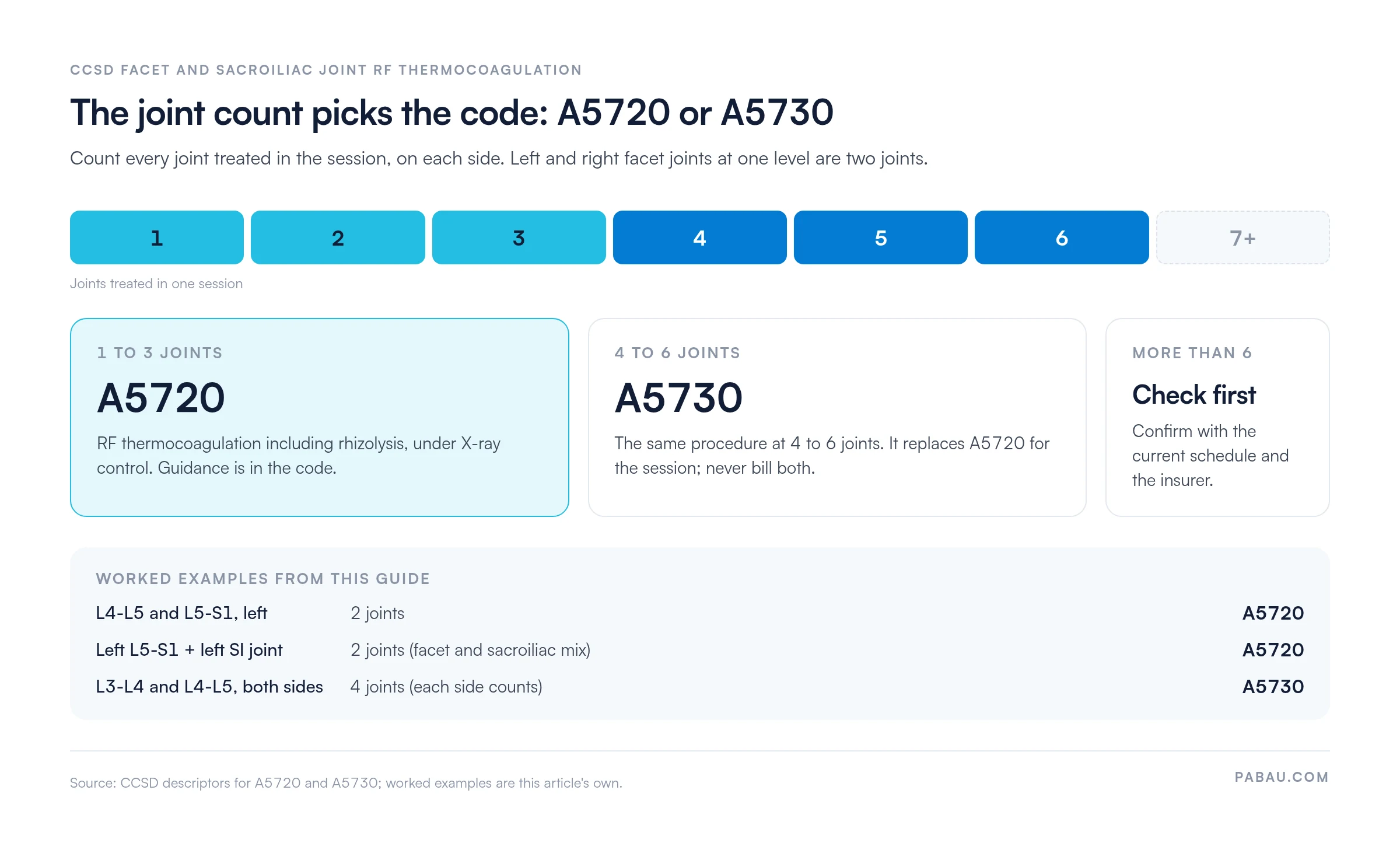
The count follows the joints targeted, not the number of needle insertions or the number of nerves lesioned per joint. Write the levels and the side for every joint in the procedure note, so the code on the claim can be checked against the record.
Note: For a session that goes beyond six joints, check the current CCSD schedule and the patient’s insurer before treatment. Insurers publish their own fee schedules, and the codes they list can change between editions.
A facet joint injection and RF thermocoagulation are different procedures with different codes. An injection delivers a local anesthetic or steroid to confirm the pain source or give short-term relief. RF thermocoagulation uses heat to lesion the nerve, aiming for relief that lasts months. Our CCSD guides for billers cover the neighboring codes in more depth.
Confirm the code for a block or an injection against the insurer’s current schedule. Some older codes in this category have since been replaced.
Medial branch blocks were once billed as CCSD code A5750 and now use A5743, A5744 or A5745 by region. The old facet joint injection code, A5770, has given way to A5773, A5774 or A5775, also split by region.
Before the first A5720 claim of each year, open the patient’s insurer’s current fee schedule and confirm A5720 is still listed. Check the joint-count split against A5730 too. A retired or changed code is easier to catch before submission than after a rejection.
Every A5720 claim needs a diagnosis code that matches the procedure and the clinical record. UK insurers work with the World Health Organization’s ICD-10, so use WHO codes rather than the longer US ICD-10-CM codes. A diagnosis that does not fit facet or sacroiliac joint pain will prompt a query.
Where the record supports a specific diagnosis, such as spondylosis at a named level, use it in place of M54.5. The WHO ICD-10 browser lets you confirm each code and its wording.
An A5720 claim is only as strong as the clinical record behind it. Insurers can ask for notes on any high-cost procedure, so the clinical record needs to show why RF was chosen and exactly what was done.
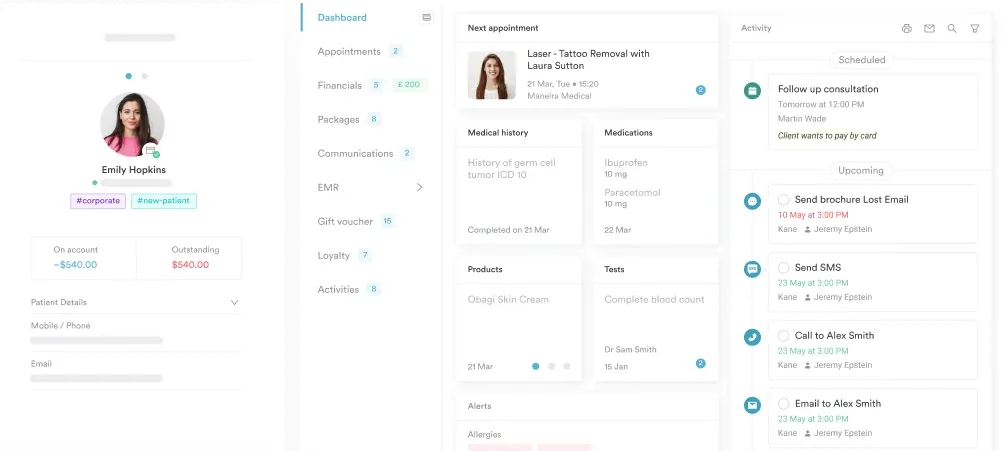
Practices that use structured digital forms capture these fields at the point of care. That way an incomplete note is spotted before it reaches billing.
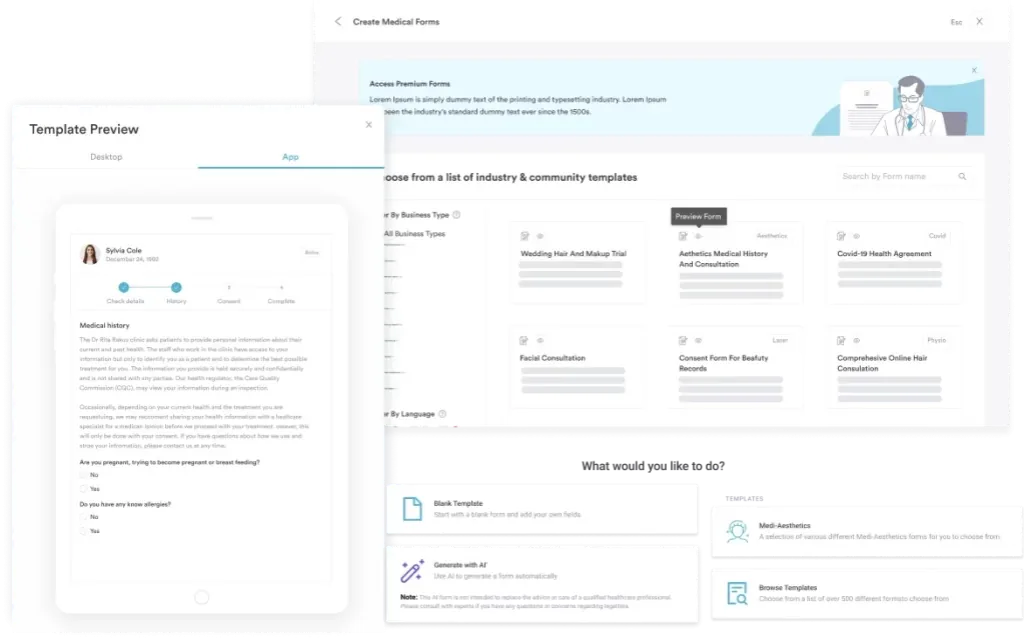
UK private insurers, including Bupa, AXA Health, Aviva and VitalityHealth, expect the patient to get pre-authorization before A5720 treatment. The insurer issues an authorization number for the planned procedure. Treating without one is a common reason an A5720 claim goes unpaid, even when the procedure was clinically appropriate.
A pre-authorization request for RF thermocoagulation generally needs:
NICE guidance supports the diagnostic block step. Its quality standard on low back pain says RF denervation should only follow a positive response to a diagnostic medial branch block. Each insurer sets its own threshold and paperwork, so confirm the requirements with the insurer before the request goes in.
Most A5720 denials trace back to a step missed before submission rather than a clinical dispute. A pre-submission check that covers the triggers below is part of a sound claims management workflow.
Pain practices billing A5720 deal with insurer-specific rules, an authorization for each procedure and detailed procedure notes. Without a system, those details sit in emails, paper notes and the insurer portal, and one missing item can hold up payment for weeks.
Pabau, a practice management platform, keeps those pieces on the patient’s case. The authorization code, its dates and the sessions it covers are tracked there, and Pabau warns you when an authorization is missing. Structured forms capture the joints, sides and RF settings for each session.
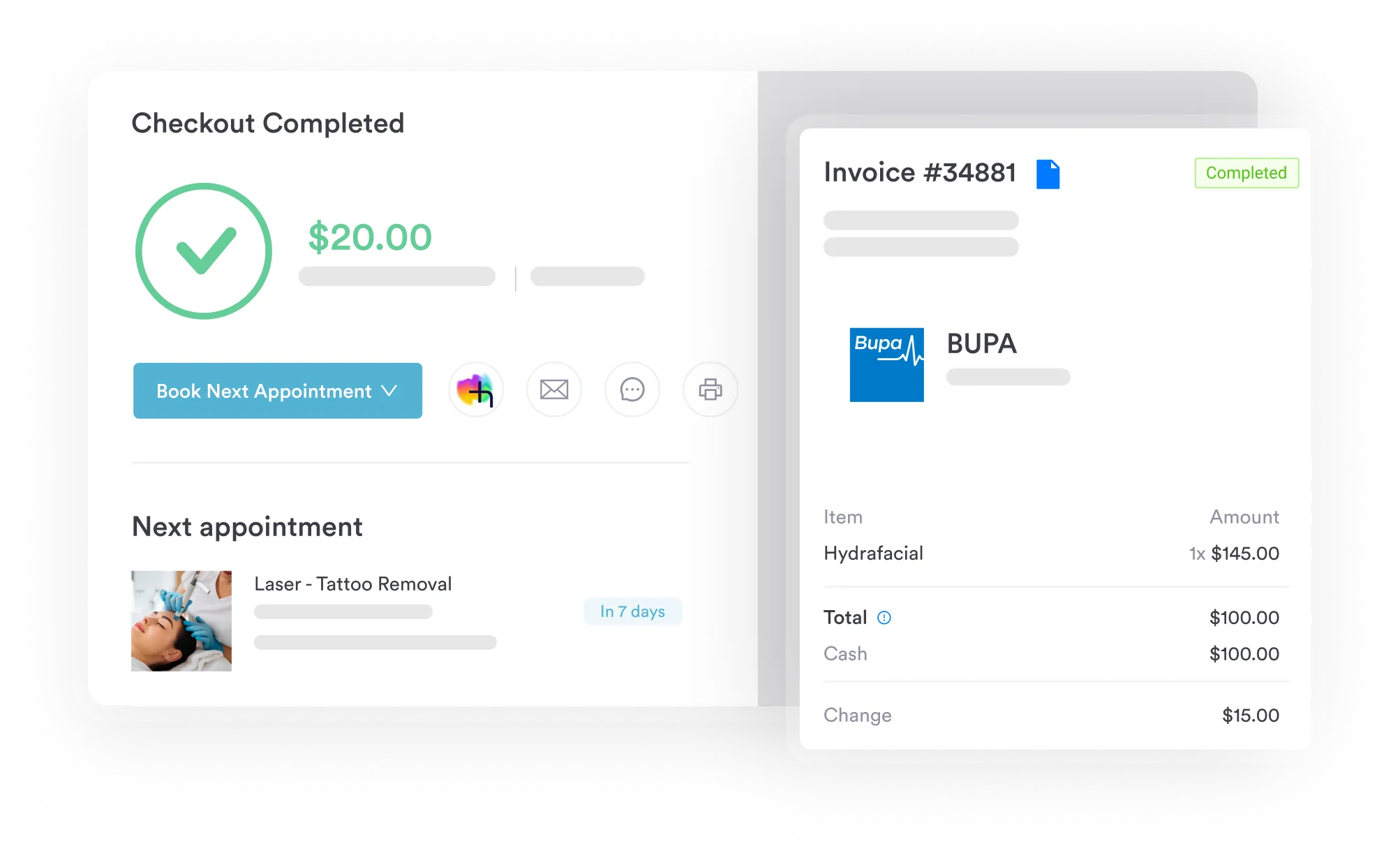
For UK practices, Pabau submits insurance claims through Healthcode and Bupa. Once the procedure note is complete, the A5720 claim can be sent from the same record. That cuts rekeying errors between the note and the claim.

Pabau tracks each insurer authorization on the patient’s case, warns you when one is missing and sends UK claims through Healthcode and Bupa.

A5720 claims are won before the patient reaches the treatment room. Count the joints, confirm the authorization and record the diagnostic block, and the insurer has little left to query.
If your practice bills RF procedures to Bupa, AXA Health, Aviva or VitalityHealth, keep authorizations and procedure notes on the same record. To see how Pabau handles that workflow, book a demo.

Looking for a broader CCSD reference? Pabau’s CCSD billing guide covers code structure, bundling rules and how insurer schedules differ.
Treating 4 to 6 joints? CCSD code A5730 covers RF thermocoagulation of 4 to 6 facet or sacroiliac joints.
Billing the diagnostic block first? CCSD code A5750 explains the retired medial branch block code and what replaced it.
Giving an injection rather than RF? CCSD code A5770 covers the facet joint injection side of the same spine work.
CCSD code A5720 covers radiofrequency thermocoagulation, including rhizolysis, of up to 3 facet or sacroiliac joints under X-ray control in one session. The RF procedure, nerve lesioning and image guidance are all part of the code.
A5720 covers up to 3 facet or sacroiliac joints per session. Each joint treated counts toward that limit, including each side in a procedure done on both sides.
Bill A5730 when 4 to 6 joints are treated in one session. It replaces A5720 for that session, so the two codes are not billed together. For more than six joints, check the insurer’s current schedule.
Yes. X-ray control is written into the A5720 descriptor, so the guidance is part of the code. Adding a separate imaging code alongside A5720 is likely to be queried by the insurer.
UK insurers use WHO ICD-10. Common pairings are M47.86 (other spondylosis, lumbar region), M47.87 (lumbosacral region), M47.82 (cervical region), M47.26 (spondylosis with radiculopathy, lumbar) and M53.3 for sacroiliac joint pain. M54.5 (low back pain) is less specific, so use a more precise code where the record supports one.
A facet joint injection code covers an injection of local anesthetic or steroid, often as a diagnostic or short-term treatment. A5720 covers RF thermocoagulation, which lesions the nerve with heat. Billing an injection code for an RF procedure is a coding error.
Yes, in most cases. Bupa, AXA Health, Aviva and VitalityHealth expect pre-authorization before treatment, and the insurer issues an authorization number. Treating without one is a common reason A5720 claims go unpaid.
Yes, while the total stays at 3 joints or fewer. Each side counts as a separate joint, so the L3-L4 and L4-L5 facet joints on both sides make 4 joints. That session is billed as A5730.
The record needs the diagnosis and ICD-10 code, evidence of failed conservative care and the diagnostic block result. It also needs a procedure note naming each joint and side, X-ray confirmation, RF settings and the insurer’s authorization number.
The most common triggers are a missing pre-authorization, no recorded diagnostic block and a diagnosis code that does not support RF. Billing A5720 for 4 to 6 joints and adding a separate imaging code also lead to denials.




