CPT code 43275: ERCP foreign body removal billing guide
CPT code 43275: Official descriptor and procedure overview CPT code 43275 is def...

Last Updated: Nov 25, 2026
T0212 is the CCSD code for secondary correction of scoliosis-related chest wall deformity by posterior costoplasty, billed as a sole procedure. It covers a separate operation that shortens or removes the prominent ribs behind a scoliosis rib hump.
The code sits in sub-chapter 8.2.0 Chest Wall of the CCSD schedule used by UK private medical insurers, under CCSD reference Fh.021. Thoracoplasty is a different operation, billed as T0110.
Let Pabau's smart automation suggest the right codes, reduce claim denials, and keep your practice compliant—effortlessly.
Automate repetitive tasks and focus on what matters most—your patients.
Reduce coding errors and ensure compliance with the latest regulations.
Clean claims, fewer denials, and faster reimbursements.
Powerful insights and reporting to help your practice thrive.
HIPAA compliant SOC 2 certified GDPR-compliant Trusted by 4,000+ clinics worldwide

CCSD code T0212 covers secondary correction of a scoliosis-related chest wall deformity by posterior costoplasty, billed as a sole procedure.
The code sits in the CCSD chest wall sub-chapter, 8.2.0, under reference Fh.021, and not among the spinal codes.
As a sole procedure, T0212 is not coded on top of another operation. Rib work done during a spinal fusion normally stays with the spinal code.
Thoracoplasty is a different operation with its own code, T0110, and pectus surgery takes T0213, T0214 or T0215.
Get the insurer’s pre-authorization before the operation, then submit electronically via Healthcode or direct to the insurer.
UK private insurers use CCSD code T0212 for a secondary posterior costoplasty, done as a sole procedure to correct a scoliosis rib hump. Insurer schedules such as National Friendly’s CCSD-based schedule of fees list it in the Complex Major band.
In scoliosis, the rotating spine twists the ribs on the outer side of the curve backward. That produces the rib hump patients see on their back. A posterior costoplasty shortens or removes the prominent rib segments from behind to flatten that hump.
Spinal fusion straightens the curve but doesn’t always remove the hump, because the ribs have already changed shape. T0212 is for the rib operation when it is done on its own, as a separate correction.
The CCSD Group publishes the codes, but each insurer sets its own complexity band and fee. National Friendly, for example, lists a £1,463 procedure fee for T0212. Check the schedule of the insurer that is paying before you invoice. For the other procedure codes in the schedule, browse our CCSD code library.
Two phrases in the narrative decide when T0212 is the right code. Both should be visible in the operation note before the claim goes out.
The narrative describes a secondary correction of the chest wall. In practice, that means the rib hump is treated in its own operation, usually after the spinal curve has been dealt with. The note should make that history clear, so the coder isn’t left guessing why the ribs are being operated on.
The CCSD technical guide and business rules explain this tag. A code with “as sole procedure” in its narrative should not be coded in addition to another procedure. That is usually because the work would ordinarily be part of a larger operation.
So when the surgeon reshapes the ribs during the spinal correction itself, the rib work normally belongs to the spinal code. T0212 fits the session where the costoplasty is the operation. The guide also notes that insurers set their own rules on multiple codes, so ask the insurer before you add a second code.
Quote the CCSD narrative word for word in the pre-authorization request. When the request, the operation note and the claim all use the same wording, the insurer has no reason to query the code.
It’s easy to look for T0212 among the spinal codes, but CCSD files it under the thorax. Its neighbors in sub-chapter 8.2.0 are other chest wall operations. The table shows the ones most likely to be confused with it, with narratives taken from the CCSD schedule.
The mix-up that costs money is costoplasty against thoracoplasty, because both remove rib segments. National Friendly’s schedule puts T0110 in the Major Plus band at £949, below T0212. Coded as thoracoplasty, a rib hump correction there would be paid at the lower band, under a narrative that doesn’t describe it.
All codes in the table come from the CCSD schedule. CCSD also lists chest wall tumor excisions in this sub-chapter, as T0132 and T0133. Two questions settle which of these codes a rib operation takes.
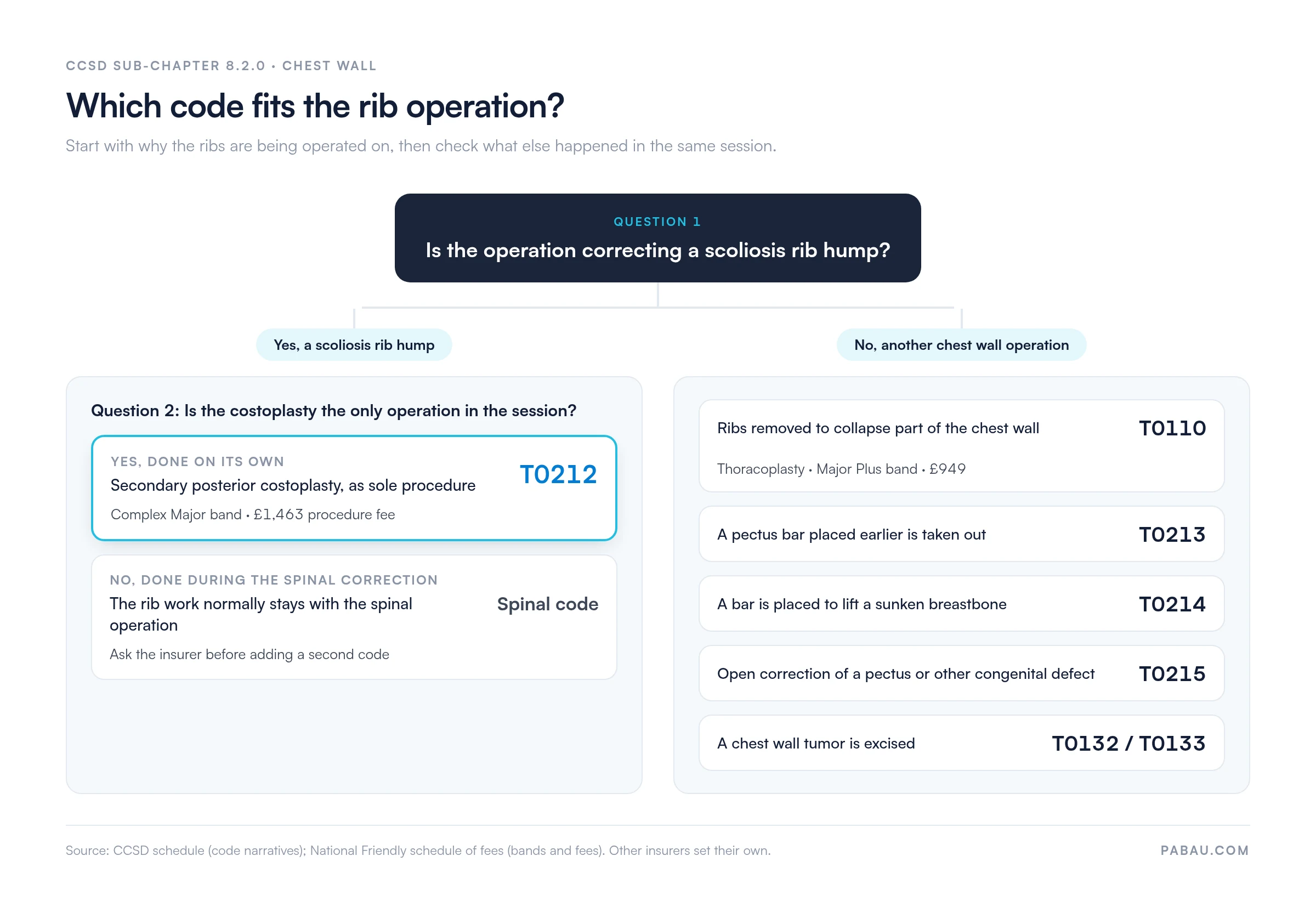
Insurers want to know what condition is being treated before they authorize surgery. Record the diagnosis in the referral, the pre-authorization request and the operation note in the same terms. The WHO ICD-10 browser holds the codes below, which usually describe a T0212 patient.
Where the note supports both, pair the scoliosis code with M95.4. That combination tells the insurer why the ribs, not the spine, are the target of this operation.
A T0212 claim is only as strong as the operation note behind it. If the note just says “rib resection”, the coder has to choose between costoplasty and thoracoplasty, and the insurer may query it.
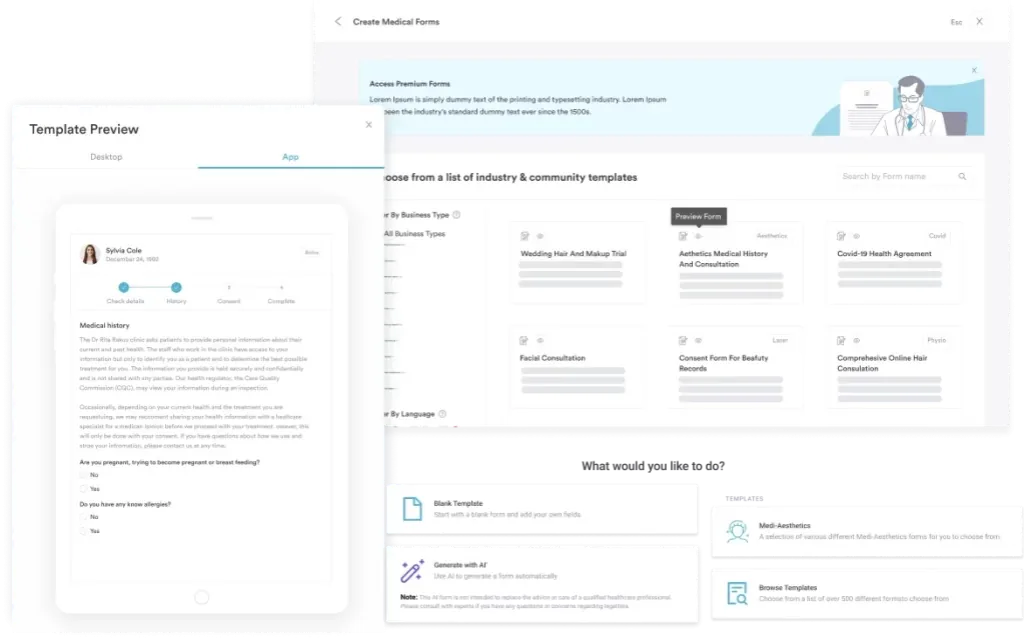
The work starts before the operation. UK insurers such as Bupa, AXA Health, Aviva and Vitality generally ask for planned surgery to be approved in advance. The patient’s policy decides what is covered, so confirm each step with the insurer. Our guide to Bupa CCSD codes covers how Bupa handles CCSD claims.
The anesthetist usually bills separately for the same operation. Check whether the insurer wants the two claims to carry the same authorization reference.
Each of these slips gives the insurer a reason to query a T0212 claim, and each one has a fix.
If a claim is still refused, check the insurer’s current provider manual for its appeal process. Only commit to a deadline you have confirmed there.
Review your T0212 claims every quarter against the operation notes. If the same query keeps coming back, change the note template so future claims carry the missing detail.
In many spinal and thoracic practices, the authorization lives in an email and the operation note sits in another system. Then the claim is keyed in by hand. Every handoff is a chance to lose the reference number or send the wrong code.
Pabau keeps those steps on the patient record. Its paperless claims management sends claims electronically through Healthcode and to Bupa. The authorization code, dates and sessions sit on the patient’s case, with a warning when one is missing.
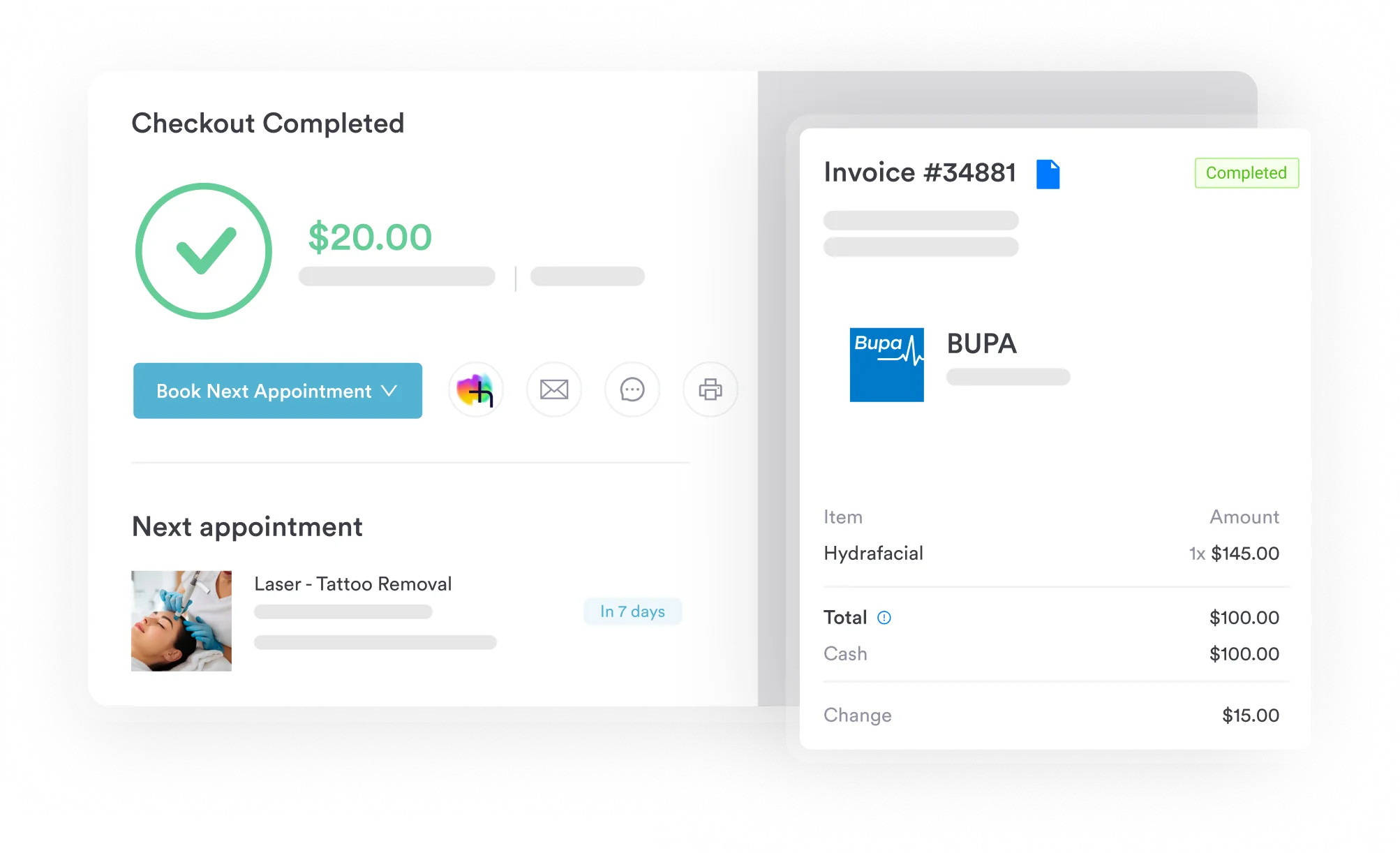
The result is fewer claims queried for a missing reference or a mismatched code. Your team spends less time on rework and more on patients.

Pabau tracks authorization codes on the patient’s case and sends claims electronically through Healthcode and to Bupa. You see each claim’s status without phoning the insurer.

T0212 is a narrow code, and that is its strength. It describes one operation, a posterior costoplasty for a scoliosis rib hump, done on its own. Most trouble comes from coding it as thoracoplasty or adding it to a spinal fusion claim. AXA Health will not pay it alongside a combined scoliosis correction coded V4000.
Build a note template that records the scoliosis history, the technique and the ribs treated, and check each insurer’s current schedule before you invoice. Book a demo to see how Pabau tracks authorizations and sends your Healthcode claims from one patient record.

Looking for another CCSD procedure code? CCSD codes lists the procedure codes Pabau covers, chapter by chapter.
Need a full Bupa CCSD billing reference? Bupa CCSD codes covers Bupa’s procedure list and how its claims work.
Coding a different rib operation? CCSD code T0810 covers rib resection with open pleural drainage, a chest operation that is not a costoplasty.
Billing other chest surgery? CCSD code T0710 explains how to code decortication of the pleura of the lung.
CCSD code T0212 covers secondary correction of a scoliosis-related chest wall deformity by posterior costoplasty, as a sole procedure. It is the operation that shortens or removes the prominent ribs behind a scoliosis rib hump, done on its own.
T0212 sits in chapter 8.0.0 Thorax & Intra-Thoracic Organs, sub-chapter 8.2.0 Chest Wall. Its CCSD reference is Fh.021. It is not filed among the spinal codes, even though the patient has scoliosis.
Not normally. The CCSD technical guide says a code marked “as sole procedure” should not be coded in addition to another procedure. Rib work done during the spinal operation usually belongs to the spinal code, so ask the insurer before combining codes.
No. Thoracoplasty has its own CCSD code, T0110, and describes collapsing part of the chest wall, usually to close an infected space. T0212 corrects a scoliosis rib hump. National Friendly’s schedule places the two codes in different complexity bands.
Most UK insurers expect planned surgery to be pre-authorized, and the patient’s policy decides what is covered. Confirm with the insurer before the operation date and put the authorization reference on the claim.
Submit it electronically via Healthcode or direct to the insurer, with the authorization reference and a fee that matches the insurer’s current schedule. Keep the operation note ready in case the insurer asks for it.