







CPT Codes
CPT code 96161: Caregiver health risk assessment billing guide
CPT code 96161 has the following official descriptor as defined by the American ...

June 25, 2026


CCSD code 0001O is a UK private healthcare procedure code from the CCSD Schedule, used by all major UK private medical insurers including Bupa, Aviva, AXA Health, Vitality, and Allianz Care.
UK private health insurers will reject any claim submitted without a valid, correctly applied CCSD code — accurate coding is a non-negotiable billing requirement.
The CCSD Technical Guide (October 2025) governs all coding conventions, bundling rules, and modifier usage for 0001O and every other CCSD procedure code.
Pabau’s claims management software supports CCSD-coded invoice workflows, helping UK private practices reduce rejection rates and submit via Healthcode.
Most claim rejections in UK private practice trace back to one thing: incorrect or missing procedure codes. CCSD code 0001O is part of the Clinical Coding and Schedule Development (CCSD) procedural schedule, the industry-standard coding system that every major private medical insurer in the UK uses. Get the code wrong, and Bupa, Aviva, AXA Health, or Vitality will return the invoice unpaid. Get it right, and the claim processes cleanly.
This guide covers what CCSD code 0001O is, its procedural narrative and documentation requirements, which insurers accept it, how to submit claims correctly, and the most common billing errors to avoid. Practitioners moving from NHS to private practice will find this reference particularly useful as they set up their CCSD billing workflows for the first time.
CCSD code 0001O belongs to the CCSD Schedule of Procedures, the authoritative list of standard codes for clinical activity in UK independent healthcare. The Clinical Coding and Schedule Development Group maintains the CCSD schedule and updates it periodically to reflect clinical practice. All codes follow a structured format: a numeric base with an optional letter suffix that indicates the procedure variant or clinical context.
The “O” suffix in 0001O is a code-specific modifier within the CCSD system, distinguishing this variant from other codes in the same base sequence. The exact procedural narrative for 0001O is held within the CCSD Schedule, which requires registration to access. Practitioners should verify the current narrative and any code amendments directly via the CCSD official website or their practice management system’s CCSD code library.
Based on the CCSD code structure and available reference data, code 0001O falls within the early chapters of the CCSD procedural schedule covering simple investigations and procedures. However, because the CCSD Group login-gates the schedule and amends it periodically, so always verify the chapter classification and narrative description against the current published schedule before submitting a claim.
Every CCSD code consists of a four-digit numeric root and, in many cases, a letter suffix. The numeric root identifies the procedure family; the suffix distinguishes variants (for example, bilateral vs unilateral, different anatomical sites, or procedure complexity levels). CCSD issues diagnostic codes separately, and practitioners must not confuse them with procedural codes. The CCSD Technical Guide (October 2025) explains this distinction in detail, noting that diagnostic service charge codes “do not constitute procedures” and practitioners should not load them into procedure code tables.
CCSD codes are the industry standard across UK private healthcare. All major insurers use them to identify procedures on submitted invoices. A claim without a recognised CCSD code comes back unpaid.
| Insurer | CCSD code acceptance | Submission method | Code verification portal |
|---|---|---|---|
| Bupa | All CCSD procedural codes | Healthcode or direct portal | Bupa code search |
| Aviva | All CCSD procedural codes | Healthcode | Aviva fee schedule |
| AXA Health | All CCSD procedural codes | Healthcode or specialist forms portal | AXA procedure codes portal |
| Vitality Health | All CCSD procedural codes | Healthcode | Vitality fee finder |
| Allianz Care | All CCSD procedural codes | Direct invoice submission | Allianz Care fee schedule (PDF) |
| WPA | All CCSD procedural codes | Direct to WPA | WPA medical fees portal |
| Cigna | All CCSD procedural codes | Direct or Healthcode | Cigna UK fee schedule |
Each insurer sets reimbursement rates for any CCSD code, including 0001O, independently, and the CCSD Group itself does not publish them. The CCSD Group explicitly states on its contact page: “Reimbursement is determined by each insurer.” Insurers update their rates periodically, and rates vary by insurer, recognition status, and in some cases geography. Always check the current fee schedule directly with each insurer before quoting patients on likely reimbursement amounts.
Practices treating patients covered by multiple insurers benefit from a centralised code library. The Pabau claims management software supports CCSD-coded invoicing across insurer portfolios, reducing the risk of submitting an incorrect code to the wrong payer.

Every private healthcare claim requires supporting documentation. Insurers and the CCSD Technical Guide are clear: the procedure code must match the clinical record. Submitting a code that the patient record does not support is a billing error and, in repeated cases, insurers may treat it as fraud.
For CCSD code 0001O, the following documentation standards apply across UK private insurers:
Patient records must also comply with UK GDPR requirements for health data. A practical starting point is Pabau’s UK GDPR compliance checklist, which covers data retention, access controls, and security obligations for UK clinics holding sensitive health records.
Run a documentation audit before your next insurer submission cycle. Pull a random sample of 10 recent claims coded with CCSD code 0001O and check that each one has a matching clinical note, consent record, and (where applicable) pre-authorisation reference. Missing any of these increases rejection risk significantly.
Most UK private healthcare claims are submitted electronically via Healthcode, the sector’s standard e-billing platform. Paper invoices are still accepted by some insurers but are slower to process and more prone to data-entry errors. For practices billing multiple insurers, electronic submission through a CCSD-enabled system is the most efficient route.
Practices with high CCSD billing volumes benefit from integrating their clinical and billing systems. Pabau supports electronic claim workflows for UK private practices, with CCSD code management built into the invoicing module. For clinics serving privately insured patients, purpose-built GP clinic software handles this more reliably than general-purpose platforms.
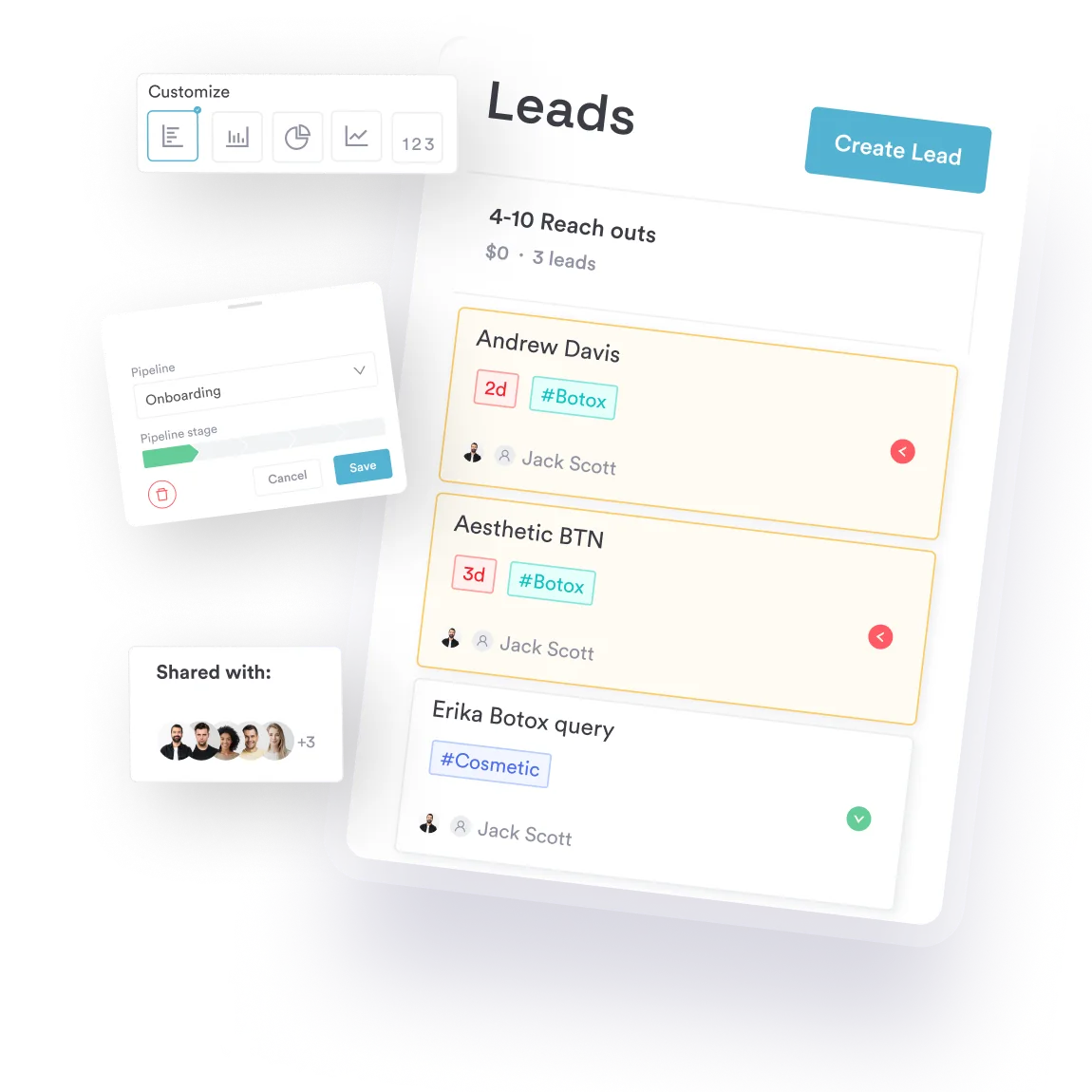

Pabau supports CCSD-coded invoicing for UK private practices, helping your team submit clean claims to Bupa, Aviva, AXA Health, and other major insurers without leaving the platform.

The CCSD Technical Guide defines how procedure codes interact when multiple procedures are performed in the same session. These bundling and modifier rules determine what can be claimed separately and what is considered part of the primary procedure.
The CCSD coding principles bulletin (January 2025) sets out the rules for single and multiple procedure coding. Key principles relevant to code 0001O include:
Before applying any modifier to CCSD code 0001O, verify the combination is valid under the current CCSD Technical Guide (October 2025). Insurer portals such as Bupa’s code search may also list procedure-specific modifier guidance. UK private practices managing complex multi-procedure sessions should use compliance management software to track modifier usage and flag potential bundling conflicts before submission.
Claim rejections are expensive. Each rejected claim requires staff time to investigate, correct, and resubmit. Understanding the most frequent errors helps practices build a cleaner first-submission process.
Build a CCSD rejection log. Each time a claim is returned, record the CCSD code, the insurer, and the rejection reason. After three months, review the log to identify patterns. Systemic errors (same code, same insurer, same rejection reason) point to a process problem that can be fixed once and reduce rejections permanently.
CCSD code 0001O sits within a family of related codes in the CCSD procedural schedule. Selecting the most precise code for the procedure performed is essential. Using a broader or narrower code than the actual procedure may result in underpayment or rejection.
Because the CCSD schedule is login-gated, accessing the full list of related codes in the 0001 family requires direct access to the schedule. Practices should review all codes with the same numeric root (0001A through 0001O and any additional variants) to confirm which narrative best describes the procedure performed.
For practices running a high volume of CCSD billing, Pabau’s Bupa CCSD codes guide provides a broader reference for the most commonly used codes across Bupa’s published schedule, including chapter classifications and fee context. Private practices of all specialties, including skin clinics and aesthetic practices, should review the full CCSD schedule periodically as the CCSD Group adds and amends codes.
CCSD also publishes a separate diagnostic schedule. These diagnostic codes are distinct from procedural codes, and practitioners must not load them into procedure code tables. The CCSD Group is explicit on this point: diagnostic service charge codes issued by CCSD do not constitute procedures and serve a different billing function.
Managing CCSD codes accurately is easier when the coding workflow is integrated directly into the clinical record. When a practitioner completes a procedure note, the practitioner should be able to select the relevant CCSD code from within the same system, reducing the risk of transcription errors.
Pabau is designed for UK private healthcare providers. The platform supports CCSD-coded invoicing, Healthcode-compatible claim export, and automated patient record documentation. Clinics handling the full cycle of private practice from booking through billing benefit from having these workflows connected rather than managed across separate tools.
For practices building out their private practice management processes, the key advantages of a connected system include: the system loads and validates correct CCSD codes at the point of invoicing; it automatically cross-references procedure codes with clinical notes; and it maintains a single audit trail for each episode of care from consent through to claim settlement.
Billing errors are largely preventable. For CCSD code 0001O and every other code in the CCSD schedule, clean claims depend on three things: selecting the right code, backing it with complete documentation, and submitting to an insurer that recognises both the code and the practitioner.
Pabau’s claims management and invoicing tools are built for UK private practices navigating exactly this workflow. To see how CCSD-coded billing works inside the platform, book a demo with the Pabau team.

Need a complete reference for Bupa procedure codes? Bupa CCSD codes guide covers all 2,859 codes across 20 chapters with insurer-specific submission context.
Managing UK private practice compliance obligations? UK GDPR compliance checklist covers data retention, consent records, and security requirements for UK clinic software.
Looking for software built for UK private healthcare? Pabau claims management software supports CCSD-coded invoicing and Healthcode submission for UK practices.
CCSD code 0001O is a procedure code from the CCSD Schedule of Procedures, the industry-standard coding system used across UK private healthcare. It identifies a specific clinical procedure for billing purposes with private medical insurers including Bupa, Aviva, AXA Health, and Vitality. The exact narrative and chapter classification should be verified against the current CCSD schedule, which requires registration to access.
Private medical insurers in the UK use CCSD codes to identify and process procedure claims. Without a valid CCSD code on an invoice, the claim will be rejected. Knowing the correct code for each procedure you perform is a basic requirement for billing any UK private health insurer.
All major UK private health insurers use CCSD codes, including Bupa, Aviva, AXA Health, Vitality Health, Allianz Care, WPA, and Cigna. The CCSD Group publishes the standard schedule; reimbursement rates are set independently by each insurer.
Using the wrong CCSD code typically results in claim rejection or underpayment. In serious cases, insurers may flag repeated miscoding as a billing compliance issue. You must correct and resubmit the claim, which delays payment and requires additional administrative time.
Access the CCSD schedule via the CCSD website (registration required) or through your practice management system’s built-in code library. Once you have confirmed the correct code, submit the claim electronically via Healthcode or through the relevant insurer’s provider portal, including all required documentation fields.