ICD-10 Code V28.01XD: E-bike driver noncollision accident, nontraffic, subsequent encounter
ICD-10 Code V28.01XD: Definition and billable status ICD-10 Code V28.01XD is the...

Last Updated: Oct 20, 2026
Billable Code Specific Code
T75.29XS is the billable ICD-10-CM code for other effects of vibration, sequela.
Let Pabau's smart automation suggest the right codes, reduce claim denials, and keep your practice compliant—effortlessly.
Automate repetitive tasks and focus on what matters most—your patients.
Reduce coding errors and ensure compliance with the latest regulations.
Clean claims, fewer denials, and faster reimbursements.
Powerful insights and reporting to help your practice thrive.
HIPAA compliant SOC 2 certified GDPR-compliant Trusted by 4,000+ clinics worldwide

ICD-10 code T75.29XS is a billable diagnosis code for other effects of vibration, sequela – meaning late effects documented after the acute phase has resolved.
The seventh character ‘S’ is required; using T75.29XA (initial) or T75.29XD (subsequent) at a sequela visit is a common coding error that leads to claim denials.
T75.29XS is a broader residual code covering vibration effects not classified elsewhere under T75.2, such as hand-arm vibration syndrome (HAVS) presentations that do not fit more specific sibling codes.
Pabau’s claims management software helps occupational health and physical therapy clinics track sequela coding accuracy and reduce vibration-injury claim errors.
ICD-10 code T75.29XS (Other effects of vibration, sequela) is the billable ICD-10-CM code assigned when a patient presents with a late effect of vibration exposure — a condition that persists or arises after the initial injury has closed. It is valid for dates of service on or after October 1, 2015, per CMS ICD-10-CM guidelines.
The coding challenge is timing. A patient may return weeks or months after the initial visit with persistent numbness, residual vasospasm, or chronic Raynaud-like symptoms, and the coder has to determine whether the acute phase has genuinely ended before assigning the sequela seventh character.
The code sits within chapter S00-T88 (Injury, poisoning and certain other consequences of external causes). Its full hierarchy is:
The “X” in position six is a placeholder character required by ICD-10-CM when a code has fewer than six characters before the seventh-character extension. The “S” is the seventh character signifying sequela.
T75.29 requires a seventh character to be billable. There are three options, and selecting the wrong one is the most frequent source of vibration-code denials.
A practical distinction: a patient seen for ongoing cold sensitivity and blanching six months after ending vibration-tool exposure, with no active wound or acute injury present, would warrant T75.29XS. A patient still in active follow-up for acute vasospasm after recent exposure would use T75.29XD.
According to ICD List’s ICD-10-CM reference, all three encounter-type variants are valid billable codes under T75.29.
T75.29XS is a residual “other” code. It captures vibration-related sequelae that do not fit any of the more specific sibling codes under T75.2.
The sibling codes under T75.2 effects of vibration cover:
In practice, T75.29XS is used when a provider documents residual vibration effects that include conditions such as hand-arm vibration syndrome (HAVS) presentations that do not map neatly to pneumatic hammer disease (T75.21XS) or traumatic vasospastic syndrome (T75.22XS). It may also cover residual whole-body vibration effects in occupational settings involving heavy machinery operators.
Coders should not default to T75.29XS when T75.22XS (traumatic vasospastic syndrome, sequela) is more clinically precise. Code to the highest level of specificity the documentation supports. Vibration white finger (VWF) with documented vasospasm maps better to T75.22XS than to T75.29XS. For occupational health clinics managing HAVS caseloads.
Before assigning T75.29XS, confirm that T75.21XS (pneumatic hammer disease), T75.22XS (traumatic vasospastic syndrome), and T75.23XS (vertigo from infrasound) do not better describe the clinical picture. T75.29XS should only be used when the documented sequela genuinely falls outside those more specific codes.
Tracking a complication from presentation to recall is far easier inside a patient management system than on paper.
Sequela coding hinges on one critical documentation element: the provider must clearly indicate that the acute phase of the vibration injury has ended and that the current condition is a late effect of that prior exposure.
The CMS ICD-10-CM Official Guidelines for Coding and Reporting define sequela as a condition that arises as a direct result of an injury, after the acute phase has resolved. There is no fixed time threshold – the clinical judgment of the provider determines when the acute phase has closed.
For T75.29XS to be defensible on audit, the clinical note should include:
When sequela coding is used, ICD-10-CM guidelines generally require reporting the sequela condition first (T75.29XS) followed by a code for the nature of the sequela if separately documented. Coders working in physical therapy or occupational health settings managing vibration-injury patients should confirm documentation completeness before coding encounters as sequela.
For clinical documentation workflows, structured patient records that capture exposure history, acute-phase dates, and ongoing symptom tracking make sequela documentation significantly more auditable. Pabau’s digital clinical forms allow practices to build templates that capture these fields consistently across all vibration-injury patients.
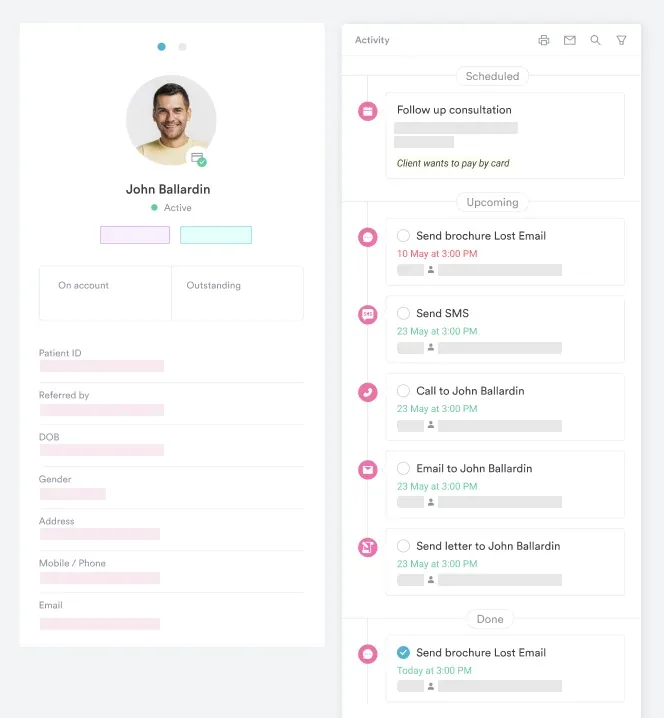

Pabau helps occupational health and physical therapy clinics document sequela encounters accurately, track exposure histories, and submit cleaner claims. See how it works for your practice.

The seventh character “S” designates sequela across the entire injury chapter (S00-T88). Understanding how ICD-10-CM applies it prevents the most common misuse: continuing to assign T75.29XA or T75.29XD long after active treatment has concluded.
T63.123S carries that same seventh character on a toxic effect code, well outside the vibration family. It records the sequela of an assault with a venomous lizard other than a gila monster.
Key sequela coding rules from the NCHS ICD-10-CM guidelines:
For workers’ compensation claims, coding rules can vary by state and payer. Some workers’ compensation carriers have specific requirements for sequela documentation and may require additional supporting narrative. Coders should confirm payer-specific guidelines before submitting T75.29XS on a workers’ compensation claim. Clinics managing high volumes of occupational injury coding can benefit from claims management software that flags encounter-type mismatches before submission. A pre-authorization number has to reach the claim, and a missing reference is a common avoidable denial. A small billing team benefits more from a documented billing process than from extra hours.
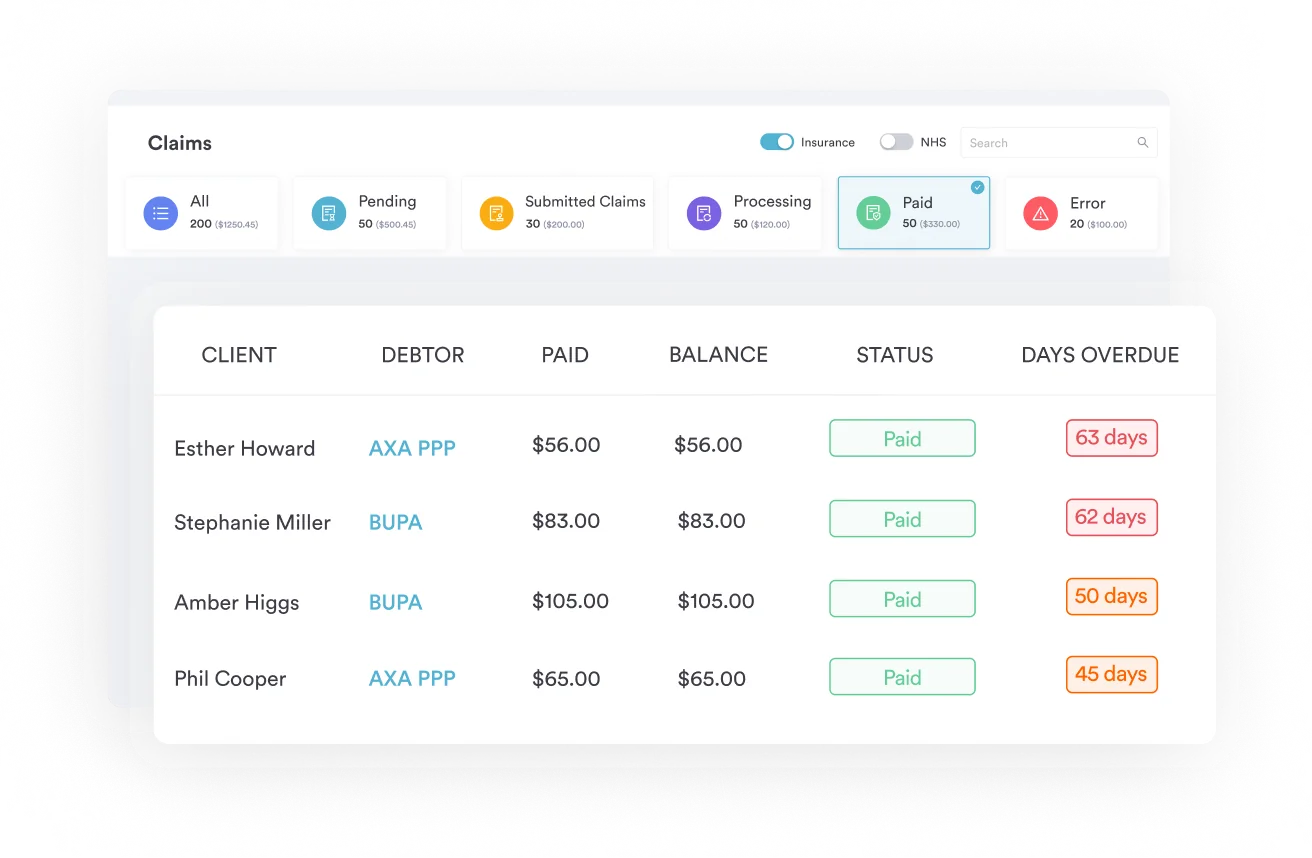
The AAPC Codify ICD-10-CM lookup and the CDC/NCHS ICD-10-CM web tool both confirm T75.29XS as a valid, billable code in the 2026 code set.
Workers’ compensation billing for sequela codes requires extra care. Always verify payer-specific documentation requirements before submitting T75.29XS. Some carriers require an explicit provider statement linking the current condition to the original occupational vibration exposure, not just a history note.
Choosing between vibration sequela codes requires understanding what each sibling code covers. The table below maps the T75.2 family and when T75.29XS applies versus more specific alternatives.
For clinics managing HAVS patients, understanding where T75.29XS fits relative to these codes supports accurate ICD-10 vibration sequela coding across the patient’s treatment history. The approach to coding late-effect conditions in ICD-10-CM follows consistent sequela rules regardless of the original injury type.
Sequela coding is one of the most audit-sensitive areas in ICD-10-CM. T75.29XS is a precise, billable code – but only when the provider has closed the acute phase and documented the causal link to prior vibration exposure. Using T75.29XA or T75.29XD past the active treatment window, or reaching for T75.29XS when T75.22XS would be more specific, are the two most common errors in this code family.
Practices managing occupational health or physical therapy caseloads with vibration-injury patients benefit from structured documentation workflows that capture exposure history, acute-phase dates, and sequela linkage in a single record. Pabau’s claims management tools help flag encounter-type mismatches before claims reach the payer, reducing rework on T75.29XS submissions. To see how it works for your clinic, book a demo.

Discharging a patient from a nursing facility? Nursing facility discharge billing guide CPT code 99315 covers discharge day management billing for visits of 30 minutes or less.
Handling a longer nursing facility discharge? CPT code 99316 billing guide CPT code 99316 covers discharge day management billing for visits exceeding 30 minutes.
Billing a home visit for a new patient? Home visit billing guide CPT code 99341 covers new patient home visits with straightforward decision making or 15 minutes.
ICD-10 code T75.29XS is a billable ICD-10-CM diagnosis code for “other effects of vibration, sequela” – meaning residual conditions that persist after the acute phase of a vibration injury has resolved. It is valid for dates of service from October 1, 2015 onward and falls under chapter S00-T88 (Injury, poisoning and certain other consequences of external causes).
Use the seventh character “S” when the acute phase of the original injury has ended and the current visit is for a late effect – a condition caused by the prior injury but now presenting as the primary reason for care. There is no mandatory time threshold; the provider’s clinical judgment determines when the acute phase has closed.
T75.29XA is used for the initial encounter – the first visit providing active treatment. T75.29XD covers subsequent encounters during healing and routine follow-up. T75.29XS applies once the acute phase is closed and the patient presents for a residual or late-effect condition stemming from the original vibration exposure.
T75.20XS should only be used when documentation does not specify the type of vibration effect. T75.29XS is the appropriate choice when the provider has documented a specific “other” vibration sequela that does not fit pneumatic hammer disease (T75.21XS), traumatic vasospastic syndrome (T75.22XS), or vertigo from infrasound (T75.23XS). Always code to the highest level of specificity supported by the clinical record.
T75.29XS may be appropriate for certain HAVS presentations – particularly neurological sequelae or mixed presentations that do not clearly align with traumatic vasospastic syndrome (T75.22XS) or pneumatic hammer disease (T75.21XS). Vibration white finger with a documented vascular component is generally better coded to T75.22XS. Coders should review provider documentation carefully before selecting between T75.29XS and more specific HAVS-related codes.