ICD-10 code S61.201A: Open wound of left index finger without nail damage
ICD-10 code S61.201A covers a left index finger wound of unstated type ICD-10 co...

Last Updated: Oct 16, 2026
Billable Code Specific Code
F66 is the billable ICD-10-CM code for other sexual disorders.
Let Pabau's smart automation suggest the right codes, reduce claim denials, and keep your practice compliant—effortlessly.
Automate repetitive tasks and focus on what matters most—your patients.
Reduce coding errors and ensure compliance with the latest regulations.
Clean claims, fewer denials, and faster reimbursements.
Powerful insights and reporting to help your practice thrive.
HIPAA compliant SOC 2 certified GDPR-compliant Trusted by 4,000+ clinics worldwide

ICD-10 code F66 (Other sexual disorders) is a billable, specific ICD-10-CM diagnosis code classified under F60-F69 Disorders of Adult Personality and Behavior.
Applicable conditions include sexual maturation disorder and sexual relationship disorder; the code carries a pediatric applicability flag (ages 0-17).
F66 maps to ICD-9-CM code 302.89 (Other specified psychosexual disorders) for crosswalk purposes, and is distinct from F64 (Gender Identity Disorders) via an Excludes2 note.
Pabau’s digital intake forms and clinical record management tools help behavioral health practices document F66 diagnoses accurately and maintain HIPAA-compliant records.
ICD-10 code F66 is titled “Other sexual disorders” in the US ICD-10-CM classification maintained by the Centers for Medicare and Medicaid Services (CMS) and the National Center for Health Statistics (NCHS). It falls within Chapter F01-F99 (Mental, Behavioral and Neurodevelopmental Disorders), specifically the F60-F69 block covering Disorders of Adult Personality and Behavior.
The code is billable and specific, meaning it can be used directly on claims without requiring a more detailed subcategory. It carries a pediatric applicability flag, which indicates the diagnosis can be assigned to patients aged 0-17 years, though clinical judgment and proper documentation standards still apply. Practices using psychiatry EMR software should ensure their systems accommodate this age range in diagnosis workflows.
The US ICD-10-CM version of F66 carries the title “Other sexual disorders.” The WHO ICD-10 international version uses a different title for the same code: “Psychological and behavioral disorders associated with sexual development and orientation.” Unlike the US code, the WHO version splits F66 into five decimal subcategories:
None of these decimal subcodes exist in ICD-10-CM. In the US, F66 is reported as a three-character code with no decimal, and its only two “Applicable To” conditions are sexual maturation disorder and sexual relationship disorder. Submitting a WHO subcode such as F66.1 on a US claim will reject as an invalid code, so coders working in US clinical settings should apply the ICD-10-CM version and its applicable conditions, never the WHO subcategory structure.
The ICD-10-CM tabular list specifies two “Applicable To” conditions under F66:
Several synonyms also appear in ICD-10-CM reference databases for F66, including abnormal development of sexuality, abnormal sexual state, and psychosexual development disorder. These synonyms reflect how the code covers presentations that don’t meet the threshold for a more specific behavioral health diagnosis. Behavioral health practices using mental health EMR platforms should store these clinical descriptors within the patient record to support claim substantiation.
F66 is confirmed as a billable, specific code for fiscal year 2026 by the CDC/NCHS ICD-10-CM coding tool. It has been continuously billable since ICD-10-CM implementation and has not been retired, revised, or converted to a non-billable header code in recent annual updates.
| Attribute | Detail |
|---|---|
| Code | F66 |
| Full description | Other sexual disorders |
| Billable/specific | Yes |
| Chapter | F01-F99 Mental, Behavioral and Neurodevelopmental Disorders |
| Block | F60-F69 Disorders of Adult Personality and Behavior |
| Pediatric applicability | Ages 0-17 years |
| ICD-9-CM crosswalk | 302.89 Other specified psychosexual disorders |
| First valid FY | 2016 (ICD-10-CM implementation) |
| 2026 status | Active, billable |
When assigning F66, documentation must establish that the presenting condition is a genuine psychosexual concern and that other more specific codes in the F60-F69 block, F52 series (sexual dysfunction), or F64 series (gender identity) do not more precisely describe the patient’s presentation. F66 functions as a residual category within this code block.
Document the specific presenting complaint in clinical language before assigning F66. Generic notes such as ‘sexual concern’ without clinical context will not support the diagnosis at audit or payer review. Include onset, duration, functional impact, and why more specific codes were ruled out.
Understanding which codes are adjacent to F66 prevents miscoding and supports accurate claims. Several codes carry formal Excludes or related notes relevant to this code.
The AAPC Codify entry for F64.2 (Gender identity disorder of childhood) carries an Excludes2 note referencing F66, specifically “sexual maturation disorder (F66).” An Excludes2 note means the two conditions are not the same, but they can coexist in the same patient. Clinicians may assign both F64.2 and F66 on the same claim when the documentation supports distinct, separately described presentations. Never substitute one for the other without reviewing the clinical record. Practices with sexual health clinic software that surfaces Excludes2 alerts in real time can prevent this error at the point of coding.
Clinicians can also review related anxiety ICD-10 codes when a patient presents with co-occurring anxiety that may require dual diagnosis coding alongside F66.
Practices outgrowing lightweight tools can compare Carepatron alternatives that handle F-code diagnoses and therapy notes together.
Practices transitioning older records or working with legacy payer audits may need to map F66 back to its ICD-9-CM equivalent. The crosswalk is straightforward:
| ICD-10-CM | Description | ICD-9-CM | ICD-9 Description |
|---|---|---|---|
| F66 | Other sexual disorders | 302.89 | Other specified psychosexual disorders |
This is an approximate crosswalk. The conversion tool at icd10data.com confirms this mapping, though payer systems may have specific crosswalk policies for pre-2016 claims. Always verify with the relevant payer when processing legacy audits. The AAPC Codify ICD-10-CM lookup provides additional crosswalk details for this and adjacent behavioral health codes. Clinicians who maintain ongoing clinical record management through an integrated platform can flag historical claims requiring crosswalk review directly within the patient file.
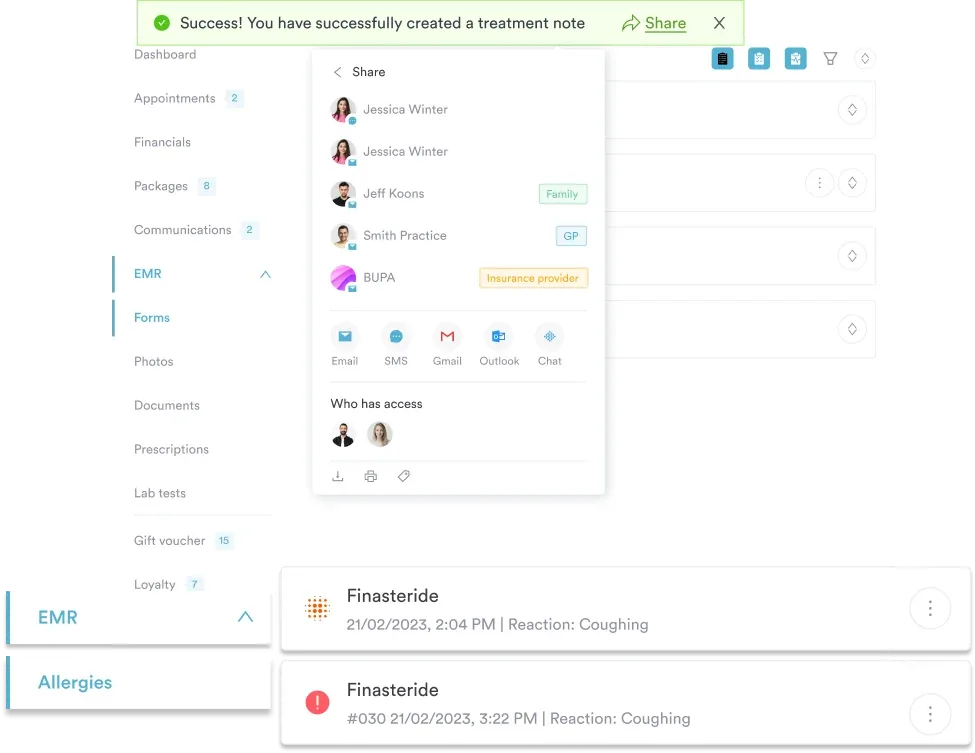

Pabau’s clinical record and digital forms tools help mental health and sexual health practices document complex diagnoses like F66 accurately, meet HIPAA requirements, and reduce claim errors. See how it works for your clinic.

F66 carries specific documentation expectations that differ from more straightforward diagnosis codes. Because it is a residual category, payers expect clinical records to show both the presenting concern and the clinical reasoning for not assigning a more specific code.
Required documentation elements typically include:
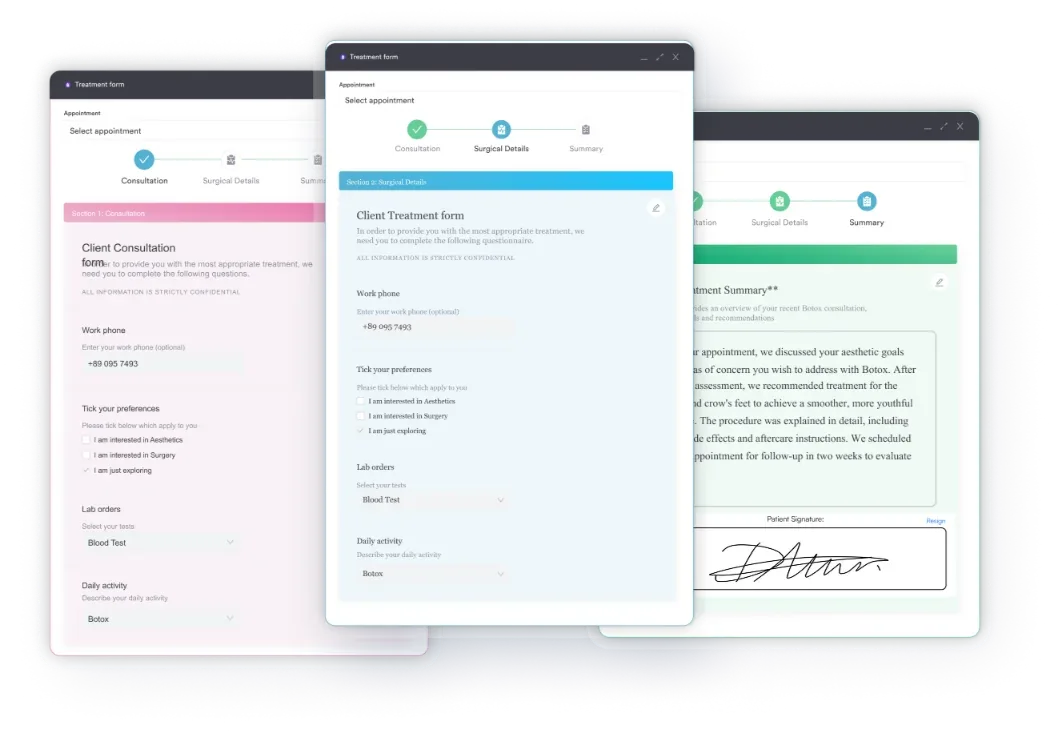
HIPAA’s minimum necessary standard applies when sharing records containing F66. The sensitive nature of this code category means practices should review their record-sharing workflows carefully. Practices using digital intake forms can structure intake questionnaires to capture psychosexual history in a standardized, consent-aligned format that supports both documentation quality and patient privacy. Ensuring HIPAA-compliant documentation workflows are in place is especially important given the sensitivity of F66-related clinical information.
The American Psychological Association (APA) has formally recommended to the World Health Organization that the category covering psychological and behavioral disorders associated with sexual development and orientation (F66 in the WHO international version) be deleted from ICD-10. The APA’s position is that classifying sexual development and orientation concerns as a disorder pathologizes normal human variation. This recommendation applies to the WHO international version’s framing of F66. In the WHO’s newer ICD-11 revision, which took effect internationally on January 1, 2022, the F66 categories were removed altogether. US billing still runs on ICD-10-CM, so F66 remains active and billable under the title “Other sexual disorders” regardless of the ICD-11 change. Coders should note this distinction and present the code in clinical documentation without applying the WHO subcategory titles, which do not exist in the US version. A small billing team benefits more from a documented billing process than from extra hours. Keeping a code lookup current matters more than keeping it comprehensive.
When F66 appears alongside a DSM-5 diagnosis in clinical records, ensure the ICD-10-CM code selected aligns with the DSM-5 clinical description. DSM-5 and ICD-10-CM don’t always map one-to-one for sexual and psychosexual concerns. Document the clinical basis for the ICD-10-CM code choice separately from the DSM-5 label.
Payer coverage for F66 varies by plan and state. Some commercial insurers apply behavioral health carve-out rules that treat F66-coded claims differently from other F-chapter codes. Practices should verify coverage before assuming reimbursement, particularly for adolescent patients given the pediatric applicability flag.
Key billing considerations:
Practices managing complex payer requirements for behavioral health claims benefit from integrated compliance management software that tracks authorization status, payer-specific rules, and claim submission history in one place.
F66 is a narrow but important residual code for psychosexual presentations that fall outside the more specific F52, F64, and F65 categories. Correct assignment depends on thorough differential documentation, not just a clinical impression.
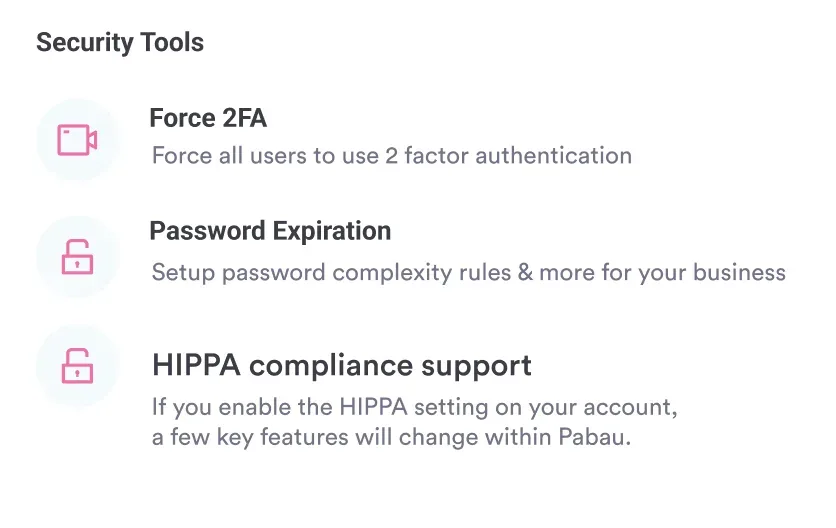
Pabau’s integrated platform helps behavioral health and sexual health practices build structured intake workflows, maintain HIPAA-compliant records, and surface the documentation detail that supports F66 claims at audit. Book a demo to see how Pabau handles clinical documentation for complex behavioral health codes.

Billing for a blood transfusion? HCPCS code P9021 covers billing for one administered unit of red blood cells under CMS guidelines.
Billing an oral medication dose? HCPCS code S0177 reports one 50 mg oral dose of levamisole hydrochloride for Medicaid and commercial payers.
ICD-10 code F66 is a billable US ICD-10-CM diagnosis code titled “Other sexual disorders,” classified under F60-F69 (Disorders of Adult Personality and Behavior). It covers sexual maturation disorder and sexual relationship disorder when more specific codes in the F52, F64, or F65 series do not apply.
Yes. F66 is a billable and specific ICD-10-CM code, confirmed as active for fiscal year 2026 by the CDC/NCHS. It can be reported directly on claims without a more detailed subcategory code.
ICD-10-CM F66 maps approximately to ICD-9-CM code 302.89 (Other specified psychosexual disorders). This crosswalk is used for legacy records and retrospective payer audits covering services before October 1, 2015.
Yes, when documentation supports both conditions. F64.2 carries an Excludes2 note referencing F66 (sexual maturation disorder), meaning the two are not mutually exclusive. Assign both only when the clinical record clearly distinguishes the two presentations.
Yes. ICD10Data flags F66 as a Pediatric Dx (ages 0-17), meaning the code is clinically appropriate for use with minor patients when documentation supports the diagnosis. Standard documentation and consent requirements still apply for all age groups.
No. F66 covers psychosexual development and sexual relationship concerns, while the F52 series is the sexual dysfunction ICD-10 family for conditions like low sexual desire, lack of response, vaginismus, and dyspareunia. Assign an F52.x code when a specific dysfunction is documented, and reserve F66 for presentations that don’t fit F52, F64, or F65.
Not in the US. ICD-10-CM reports F66 as a three-character code with no decimal subcategories. The WHO international ICD-10 version does split it into F66.0 (sexual maturation disorder), F66.1 (egodystonic sexual orientation), F66.2 (sexual relationship disorder), F66.8, and F66.9, but submitting any of those decimals on a US claim rejects as an invalid code.
No. The WHO removed the F66 categories when ICD-11 took effect internationally on January 1, 2022. US billing still runs on ICD-10-CM, so F66 stays active and billable under the title “Other sexual disorders.”
F64 covers gender identity disorders, while F66 covers other psychosexual development and sexual relationship concerns. F64.2 carries an Excludes2 note referencing F66, so the two can be reported together when the record documents distinct presentations.