ICD-10 code S61.201A: Open wound of left index finger without nail damage
ICD-10 code S61.201A covers a left index finger wound of unstated type ICD-10 co...

Last Updated: Oct 16, 2026
Billable Code Specific Code
B59 is the billable ICD-10-CM code for pneumocystosis.
Let Pabau's smart automation suggest the right codes, reduce claim denials, and keep your practice compliant—effortlessly.
Automate repetitive tasks and focus on what matters most—your patients.
Reduce coding errors and ensure compliance with the latest regulations.
Clean claims, fewer denials, and faster reimbursements.
Powerful insights and reporting to help your practice thrive.
HIPAA compliant SOC 2 certified GDPR-compliant Trusted by 4,000+ clinics worldwide

ICD-10 Code B59 is the billable diagnosis code for Pneumocystosis, covering Pneumonia due to Pneumocystis jirovecii (the human pathogen) and Pneumocystis carinii.
B59 is a terminal leaf code with no subcodes, classified under Protozoal diseases (B50-B64) in ICD-10-CM Chapter 1 (A00-B99 Certain infectious and parasitic diseases).
When Pneumocystosis occurs in a patient with HIV disease, the ICD-10-CM Official Guidelines require sequencing B20 (HIV disease) before B59 as the principal diagnosis in most inpatient settings.
Pabau’s claims management software and clinical documentation tools help practices capture the comorbidity context needed to support accurate B59 coding and reduce claim denials.
ICD-10 Code B59 describes Pneumocystosis, an opportunistic pulmonary infection caused by the fungal organism Pneumocystis jirovecii. The disease was historically attributed to Pneumocystis carinii, a closely related organism later determined to infect animals rather than humans. Both names remain in the ICD-10-CM Applicable To notes for B59, reflecting the historical terminology that legacy records and older literature still use.
Clinically, Pneumocystosis presents as a progressive pneumonia in patients whose immune systems cannot mount a normal defense. The classic presentation includes progressive exertional dyspnea, dry cough, low-grade fever, and bilateral interstitial infiltrates on chest imaging. Arterial oxygen desaturation on exertion is a hallmark finding. The condition carries significant mortality risk in untreated immunocompromised patients, particularly those with advanced HIV disease, hematologic malignancies, organ transplant recipients on immunosuppressive therapy, or patients receiving high-dose corticosteroids. The billing process starts at registration, not at the point the coder opens the note.
The CDC/NCHS ICD-10-CM web tool classifies B59 within the ICD-10-CM framework as part of Chapter 1, Certain infectious and parasitic diseases (A00-B99), under the subsection Protozoal diseases (B50-B64). The historical classification under “protozoal” diseases reflects an older taxonomic understanding; Pneumocystis jirovecii is now firmly classified as a fungus, but the ICD-10-CM code placement has not changed.
ICD-10 Code B59 is a billable, specific code valid for the 2026 fiscal year. It is a terminal (leaf) code with no child subcodes, meaning it has no further subdivisions. Coders should assign B59 directly without appending additional digits.
The CMS ICD-10-CM coding page confirms B59 remains active and valid for the current fiscal year with no planned revisions. Coders should verify annually, as code status can change with ICD-10-CM updates published each October.
The ICD-10 code for Pneumocystis pneumonia is B59, and the ICD-10-CM Tabular List includes Applicable To notes under it. These are not separate codes. They are inclusion terms that confirm which conditions map to B59, which prevents mismapping to unrelated pneumonia codes such as J18 (Pneumonia, unspecified organism).
The terminology distinction between P. carinii and P. jirovecii is clinically and scientifically important. P. jirovecii is the human-specific pathogen. P. carinii infects rats and other animals. The renaming occurred in 2002, but ICD-10-CM retains both in Applicable To notes to capture diagnoses that providers document using either term. Both map to B59 with no coding difference between them.
When a provider documents ‘PCP pneumonia’ in the chart, verify whether they mean Pneumocystis pneumonia (B59) or primary care physician pneumonia (a colloquial non-clinical term). Query the provider if ambiguity exists. Assigning B59 without clear clinical documentation creates audit risk.
Many infectious conditions are triaged remotely first, making telehealth software a practical front door for these diagnoses.
Accurate use of ICD-10 Code B59 requires knowing which adjacent codes apply to the clinical context and how to sequence them correctly. The most common co-coding scenario is Pneumocystosis occurring in a patient with HIV disease. Poor sequencing here is one of the leading causes of claim denials and inpatient coding audits for this condition.
The AAPC Codify ICD-10-CM lookup and official coding guidelines both address the HIV-first sequencing rule. When a patient is admitted for an HIV-related opportunistic infection, B20 (Human immunodeficiency virus disease) is sequenced as the principal diagnosis, with B59 listed as an additional code. This is a mandatory sequencing rule under the ICD-10-CM Official Guidelines for Coding and Reporting.
Reviewing sequencing rules for secondary diagnosis codes helps coders apply the same principal-diagnosis-first logic that governs B59 in HIV contexts .

Pabau’s claims management software helps practices track comorbidity documentation, flag incomplete records before submission, and maintain audit-ready clinical notes for codes like ICD-10 Code B59.

A 42-year-old HIV-positive patient is admitted with fever and shortness of breath. Chest imaging and sputum studies confirm Pneumocystis pneumonia due to AIDS. Because the admission is driven by an HIV-related opportunistic infection, the ICD-10-CM Official Guidelines (Section I.C.1.a) require sequencing B20 (HIV disease) as the principal diagnosis, followed by B59 (Pneumocystosis) as an additional code. Reversing the order by listing B59 first is a common denial trigger on inpatient claims.
Coders cannot assign B59 based on clinical suspicion alone. The provider must document a confirmed diagnosis of Pneumocystosis or Pneumocystis pneumonia. Laboratory confirmation, while clinically standard, does not drive code assignment — the attending physician’s documented diagnosis is sufficient. However, supporting documentation significantly reduces audit risk and is expected by most payers reviewing inpatient claims.
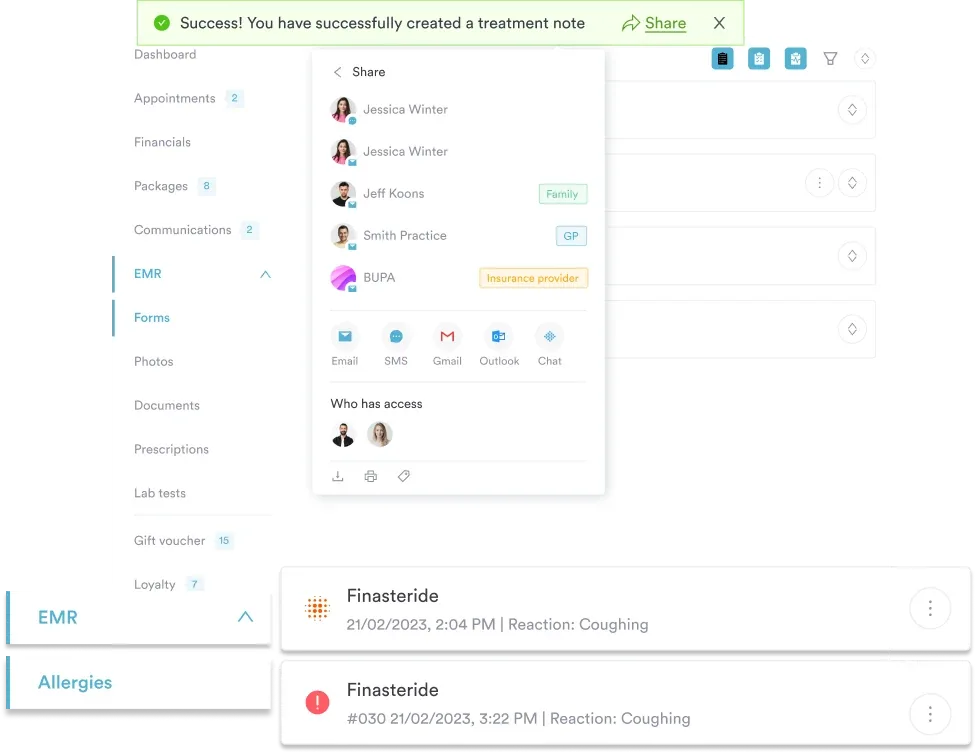
Strong B59 documentation typically includes the following elements. Practices that maintain structured digital intake forms and templated clinical notes capture most of these fields automatically, reducing the risk of incomplete documentation at the time of coding.

The WHO ICD-10 browser confirms the B50-B64 classification context for B59 and can help coders cross-reference international coding standards when handling patients with records from non-US providers. Maintaining HIPAA-compliant records is also essential when handling sensitive HIV-related diagnoses coded alongside B59.
Good clinical documentation in patient records requires capturing the provider’s exact diagnostic language and linking it to the supporting lab and imaging findings. Practices using compliance management workflows can build pre-submission checklists that flag B59 claims missing the comorbidity context needed for clean adjudication.
Document prophylaxis separately from active infection. TMP-SMX prophylaxis in a high-risk patient who has not developed Pneumocystosis is not coded with B59. If the record references prophylaxis without evidence of active infection, query the provider before assigning B59. The distinction affects DRG assignment and severity-of-illness scoring in inpatient settings.
Pneumocystosis is predominantly coded in inpatient settings, where the severity of illness typically warrants hospital admission. The DRG assignment for B59 with HIV disease (B20 + B59) falls under MS-DRG 974-976 (HIV with or without major complication or comorbidity), which carries substantially higher relative weight than a simple pneumonia DRG. Accurate coding directly affects reimbursement and the hospital’s case mix index.
Coders who also handle surgical claims work under a separate rule set. Anesthesia lines bill by base units and time, which the guide to CPT code 00864 explains.
In outpatient settings, B59 may appear on claims for pulmonary specialist visits, follow-up after discharge, or cases where Pneumocystosis is diagnosed and managed without inpatient admission (rare, typically in mild presentations in patients already on antiretroviral therapy). The coding rules are the same, but the sequencing logic differs: outpatient guidelines instruct coders to sequence the condition chiefly responsible for the visit, which may be B20 or B59 depending on the clinical context the provider documents.
For practices managing functional medicine or integrative medicine patient panels that include immunocompromised individuals, understanding the distinction between inpatient and outpatient sequencing rules for opportunistic infections prevents systematic coding errors across the patient population.
Pabau’s claims management software supports practices in tracking diagnosis codes across encounter types, maintaining consistent documentation, and flagging claims that may require additional clinical context before submission. Practices that handle infectious disease or HIV patient populations benefit from workflows that prompt for ICD-10 documentation for comorbid diagnoses at the point of care rather than during retrospective coding review.
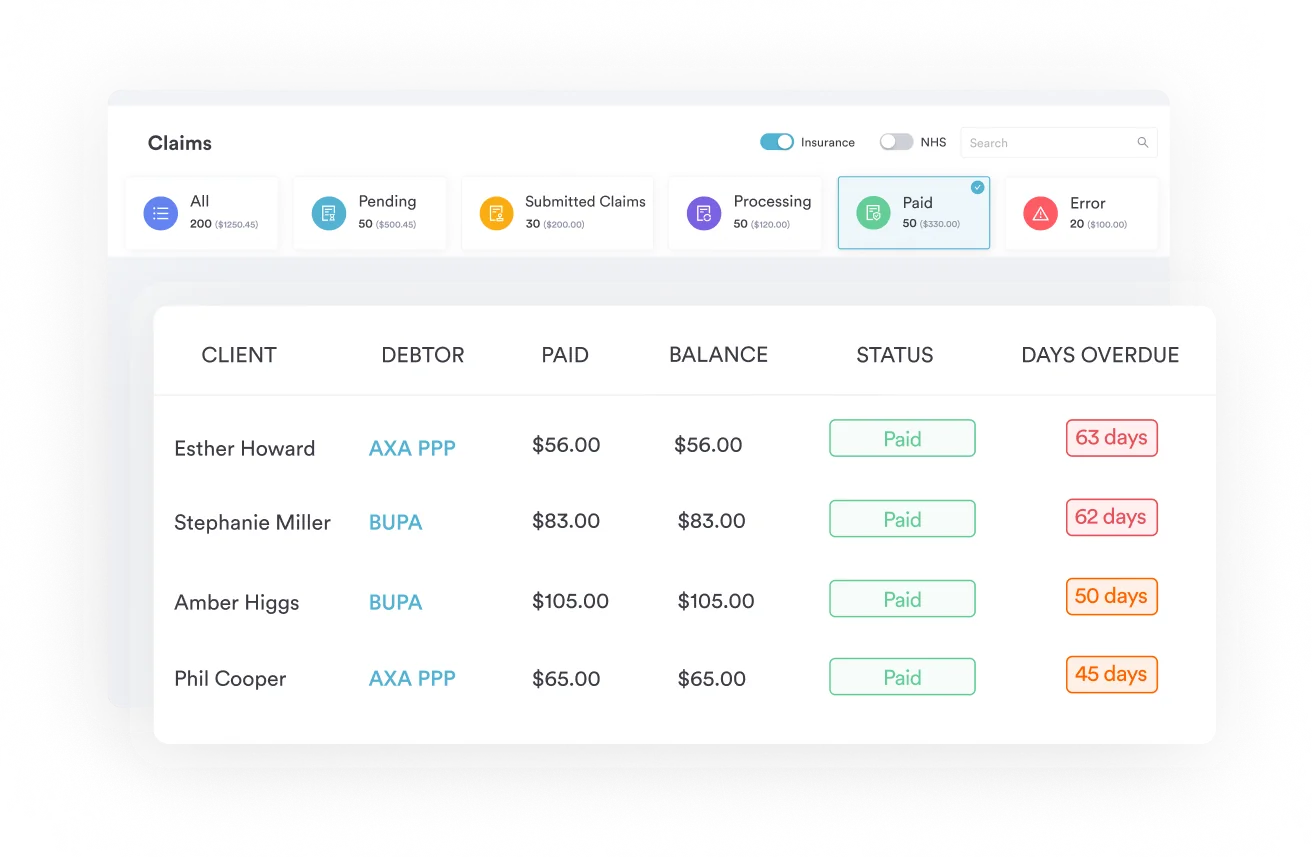
Pneumocystosis is a high-stakes diagnosis for both clinical and billing purposes. The immunocompromised patient populations most affected are also the patients whose claims receive the highest scrutiny from payers. Accurate assignment and sequencing of ICD-10 Code B59 requires tight documentation at the point of care, clear provider language, and an understanding of the HIV-first sequencing rule.
Pabau’s practice management software helps clinics build the structured documentation workflows that make clean B59 claims the default, not the exception. To see how Pabau handles complex diagnosis coding and claim preparation for high-acuity patient panels, book a demo.

Managing infectious disease documentation across your practice? Compliance management workflows help practices build pre-submission checklists that reduce claim denials for complex diagnosis codes.
Need guidance on ICD-10 coding for neurological conditions? Intraparenchymal hemorrhage ICD-10 codes covers the I61.x code series and documentation practices for these hemorrhage diagnoses.
Coding a physeal fracture with delayed healing? physeal fracture delayed healing code has two details in its full description that cause most of the miscoding on this code.
ICD-10 Code B59 is the billable ICD-10-CM diagnosis code for Pneumocystosis, an opportunistic pulmonary infection caused by Pneumocystis jirovecii, classified under Protozoal diseases (B50-B64) in ICD-10-CM Chapter 1.
Yes, B59 is a billable, specific ICD-10-CM code valid for FY 2026 with no child subcodes — coders assign it directly without adding further digits.
Pneumocystis jirovecii is the human-specific pathogen; P. carinii infects animals, not humans. ICD-10-CM retains both terms in the Applicable To notes under B59, and both map to B59 with no coding difference.
The ICD-10-CM Official Guidelines require coders to sequence B20 as the principal diagnosis before B59 in any inpatient admission where HIV is the underlying cause of Pneumocystosis.
The provider’s documented diagnosis statement drives code assignment. Supporting documentation — BAL findings, beta-D-glucan levels, chest imaging, and TMP-SMX treatment — reduces audit risk and supports medical necessity.
Common codes used alongside B59 include B20 (HIV disease, sequenced first in HIV-positive patients), D84.9 (Immunodeficiency unspecified for non-HIV patients), and Z21 (Asymptomatic HIV status, only when no active AIDS-defining condition is present). Avoid J18.9 when B59 has been identified.
PJP, or Pneumocystis jirovecii pneumonia, is coded B59 — the same code used for PCP and Pneumocystosis. There is no separate ICD-10 code for the PJP abbreviation, so all of these terms map to B59.
Prophylaxis is not coded with B59, which is reserved for active infection. A preventive encounter is captured with a Z-code such as Z29.8 (encounter for other specified prophylactic measures), reported alongside the patient’s underlying immunodeficiency.