Sulcus Test: Shoulder Instability Assessment
The sulcus test is an orthopedic special test that checks for inferior glenohume...

3
Last Updated: Oct 22, 2026

A patient dismissal letter is the formal written notice that ends the provider-patient relationship, and it is what protects the practice from abandonment liability.
Valid grounds include non-compliance, disruptive behavior, and non-payment. Dismissal based on a protected characteristic is prohibited under the ADA and the Civil Rights Act.
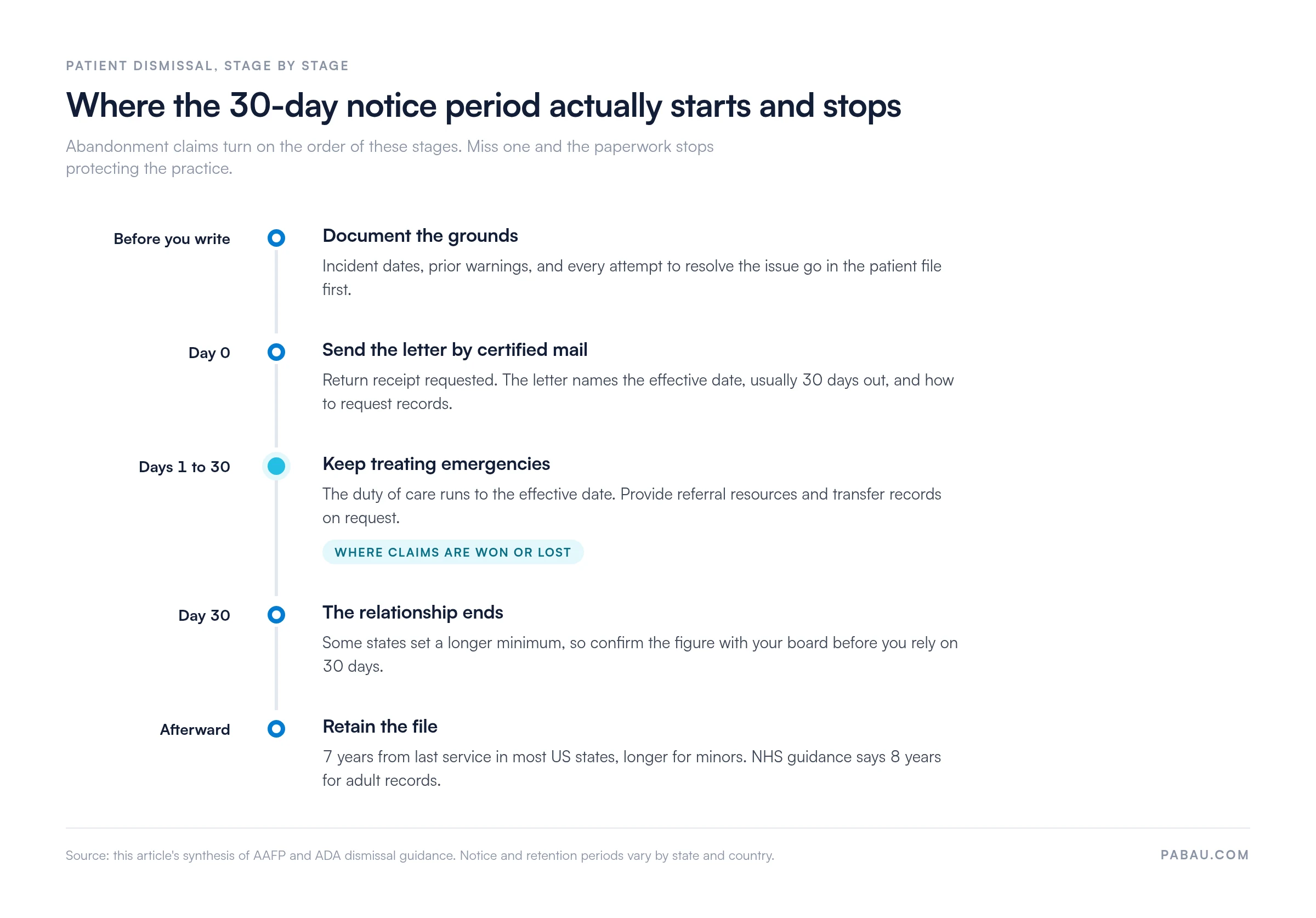
Most jurisdictions expect 30 days’ notice, so verify your state or country’s requirement before you send the letter.
Emergency care continues until the effective date, and the patient keeps full access to their medical records.
Pabau’s client record and compliance tools store incident notes, dismissal letters, and delivery receipts in one auditable file.
Most practices will eventually face a situation where continuing care is no longer workable. A patient dismissal letter is the formal written notice that ends the provider-patient relationship. Without one, you are exposed to abandonment claims that can bring disciplinary action, litigation, or licensing consequences.
Sending a proper patient dismissal letter does two things at once. It gives the patient clear notice so they can arrange alternative care. And it creates a documented record that the practice followed a lawful, professional process. The American Academy of Family Physicians (AAFP) puts it plainly. Failing to send a formal written notice is one of the leading causes of abandonment claims against physicians.
Whether you call it a patient termination letter, a withdrawal of care letter, or a dismissal letter, the same legal and ethical obligations apply. This guide walks through the process end to end, including three ready-to-use templates for the most common dismissal scenarios.
Not every frustrating situation justifies dismissal. The grounds must be professionally and legally defensible. The American Dental Association and other professional bodies consistently identify the following as valid reasons:
What does not count as valid grounds: dismissal based on a patient’s race, religion, disability, national origin, or any other protected class characteristic is prohibited. In the US, the Americans with Disabilities Act (ADA) and the Civil Rights Act both apply. In the UK, the Equality Act 2010 governs the same protections. Any dismissal that could be read as discriminatory creates serious legal exposure.
Skip the correct steps and a dismissal becomes abandonment. That distinction matters enormously from a liability standpoint, so work through the obligations before the letter goes out.
The core legal obligations across US and UK jurisdictions:
The sequence matters as much as the content of the letter itself. A correctly worded patient dismissal letter sent without following the correct process can still result in an abandonment claim. The timeline below shows where each step falls against the notice period.
Referral assistance is far easier to evidence when it is a document rather than a conversation. Handing the patient a completed medical referral form leaves a dated copy in the file showing exactly what you offered and when.
Every patient dismissal letter, regardless of the reason, must contain the same core elements. Missing any of them weakens the legal protection the letter is meant to provide.
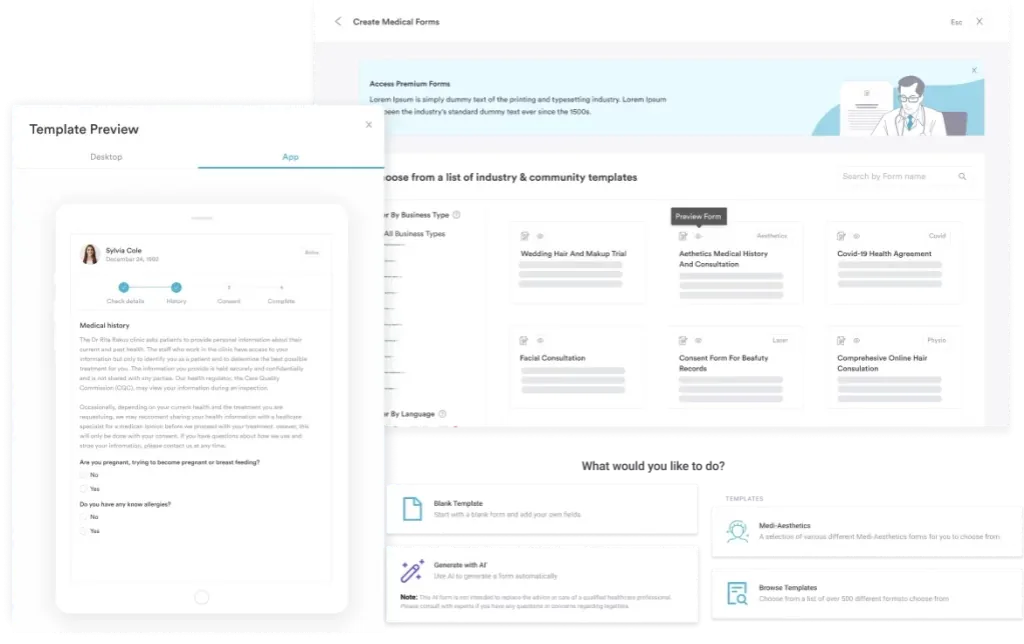
One thing to avoid: do not include excessive clinical detail in the body of the letter. A brief, factual statement of the reason is enough. Oversharing invites disputes about the clinical record and can inflame the situation. Capture the detail on internal digital forms instead, so the file stays complete without any of it reaching patient-facing correspondence.
These three templates cover the most common dismissal scenarios. Each can be adapted for dental, medical, or allied health practices. Replace all bracketed fields before sending. Add a disclaimer directing the patient to seek independent advice if you are unsure about the clinical content.
Use this template when a patient has repeatedly failed to follow prescribed treatment despite documented reminders.
[Practice name and address]
[Date]
Dear [Patient name],
We are writing to inform you that [Practice name] is terminating the provider-patient relationship effective [date, typically 30 days from today]. This decision follows repeated concerns about compliance with your recommended treatment plan, which we discussed with you on [date(s)].
Until [effective date], we will continue to provide emergency care as required. We encourage you to establish care with a new provider as soon as possible. You may contact [local referral service / insurer name] for a list of available providers in your area.
You are entitled to a copy of your medical records. To request a transfer, please contact our office at [phone number / email]. Records will be provided in accordance with applicable law.
Sincerely,
[Provider name and signature]
[Practice name]
Use this template when a patient has been verbally abusive, threatening, or physically disruptive toward staff or other patients. Make sure the incidents are documented in the patient file before sending.
[Practice name and address]
[Date]
Dear [Patient name],
We are writing to inform you that [Practice name] is terminating the provider-patient relationship effective [date, typically 30 days from today]. This decision reflects concerns about conduct within our practice that has affected the safety and wellbeing of our staff and other patients.
Until [effective date], emergency care will continue to be available to you. We strongly encourage you to secure care with an alternative provider. [Local referral service / insurer name] can help you identify options in your area.
To request a copy or transfer of your medical records, please contact [phone number / email]. All record requests will be handled in accordance with applicable privacy law.
Sincerely,
[Provider name and signature]
[Practice name]
Use this template when a patient has a persistent outstanding balance despite documented payment requests. Emergency care obligations still apply, whatever the balance.
[Practice name and address]
[Date]
Dear [Patient name],
We are writing to inform you that [Practice name] is terminating the provider-patient relationship effective [date, typically 30 days from today]. Despite previous communications about your outstanding account balance, the balance remains unresolved as of [date].
Until [effective date], we remain available for emergency care. We recommend you arrange care with a new provider. To find an alternative, please contact [local referral service / insurer name].
Your medical records are available on request. Please contact our office at [phone number / email] to arrange a transfer in accordance with applicable law.
Sincerely,
[Provider name and signature]
[Practice name]
Note: These templates are a starting point only. Consult a healthcare attorney or your professional indemnity insurer before sending a patient dismissal letter, particularly in complex or high-risk cases.
Patient abandonment happens when a provider ends care without adequate notice, leaving the patient without access to necessary treatment. It is a serious professional and legal risk, and it is avoidable when the correct process is followed.
The key safeguards, supported by AAFP guidance and medical liability insurer best practice:
Send the dismissal letter via certified mail AND email (if you have the patient’s email on file and consent to electronic correspondence). Two delivery methods create two independent records of receipt. Keep a copy of the email in the patient’s file alongside the certified mail receipt.
The dismissal letter itself is only part of the documentation you need to retain. A complete dismissal file reduces liability if the situation is ever revisited by a regulator, an insurer, or a court.
What to retain in the patient’s file:
A records request usually lands within weeks of the letter, and a stalled transfer is its own complaint. Keep a signed records release authorization on hand so the file can move as soon as the patient asks.
Retention periods vary by jurisdiction. In the US, most states require medical records to be kept for at least seven years from the last date of service. Minors’ records are kept longer. In the UK, NHS guidance recommends eight years for adult records. Check your specific state or country requirements before you set a destruction date.
Most dismissal-related complaints come from process failures, not from the decision to dismiss. These are the errors that turn a defensible dismissal into a liability exposure:
The administrative side of a dismissal is where most practices run into trouble. Incident notes sit in the wrong place. Letters get saved to a local drive rather than the patient file, and the mail receipt is filed away from the correspondence. When a complaint arrives months later, nobody can produce a clean audit trail.
Practice management software like Pabau puts all of that in one patient file. Our client record management holds clinical notes, incident records, forms, and correspondence together, so the history is already assembled when a dismissal situation develops. Our compliance management tools keep the documentation trail structured, which is what protects you against a post-dismissal complaint.
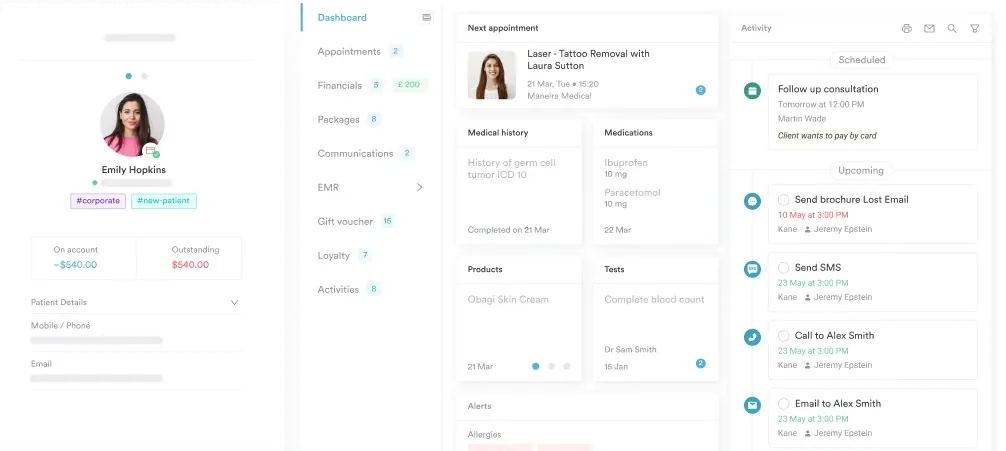
The notice period is the part that quietly slips. Pabau’s automated reminders flag the follow-up steps that fall inside those 30 days. A records request or a promised referral list never sits unanswered until the effective date passes.
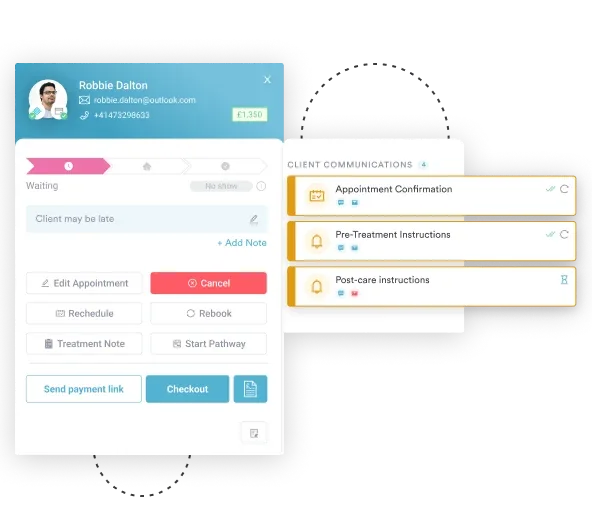

Pabau keeps incident notes, dismissal letters, and delivery receipts in one patient file, so you can evidence the whole process months later.

Dismissing a patient is never comfortable, but the liability sits in the process rather than the decision. Thirty days’ written notice, certified mail, continued emergency care, and a referral pathway are what make a termination of care defensible.
The trade-off worth remembering is timing. A dismissal handled properly costs you a month of obligations you would rather not carry. A dismissal handled badly can cost you a board complaint years later, when the only thing left to argue with is the file.
So start the file at the first incident, not at the letter. Book a demo to see how Pabau keeps that record complete from the first warning to the final receipt.

Ending care on planned terms rather than dismissing? Patient discharge form covers the paperwork for a planned end to treatment, with a free template.
Sending the patient on to another provider? Medical referral form template gives you a dated record of exactly which referral you offered.
Looking for a system to hold all this documentation? Best clinical documentation software compares the platforms that keep notes, letters, and receipts in one file.
A patient dismissal letter is a formal written notice from a provider that ends the provider-patient relationship. It names the effective date and the reason for dismissal. It also confirms emergency care during the notice period, offers referral help, and explains how to request records.
Give adequate written notice, typically 30 days, and send the letter by certified mail with return receipt. Keep treating emergencies through the notice period, offer referral assistance, and retain all documentation. Skipping any of these steps is the primary cause of abandonment claims.
Yes. Non-payment of outstanding balances is a legally recognized ground for dismissal in most US states and UK jurisdictions. You must still give the required notice, continue emergency care until the effective date, and help the patient find alternative care.
Certified mail with return receipt is the standard. AAFP, the American Dental Association, and liability insurers including the Texas Medical Liability Trust and Medical Mutual all recommend it. The return receipt is your proof of delivery if the dismissal is later disputed.
Patient dismissal is a properly executed termination of care that follows the correct legal and ethical steps, including adequate notice and emergency care provisions. Patient abandonment is what happens when those safeguards are missing. The patient is left without access to necessary treatment, and the provider carries a serious professional and legal liability.
Retain the signed and dated dismissal letter, the certified mail receipt, and all incident records and prior warnings. Add evidence of any resolution attempts, the referral information you provided, and records of emergency care given during the notice period. Most US states require a minimum of seven years.