








Hand exercises for rheumatoid arthritis: a complete guide

Rheumatoid arthritis (RA) affects around 1.3 million adults in the United States, and the hands are among the most commonly affected joints. Morning stiffness, reduced grip, and aching knuckles are daily realities for many RA patients. One of the most accessible tools for managing those symptoms costs nothing and needs no equipment. Regular hand exercises […]
Pinch grip test: How to perform, score, and interpret it
The pinch grip test screens the anterior interosseous nerve in seconds. Learn the protocol, published pinch strength norms, and what to record. Read more.
Hand nerve tests: Median, ulnar and radial exam guide

Nerve compression rarely announces itself. A patient mentions pins and needles at 3am, blames the pillow, and books in months later. By then the thenar eminence has started to flatten, and the window for a clean recovery has narrowed. A structured hand nerve exam catches it much earlier. It takes about five minutes and needs […]
Supine to long sit test: How to perform and interpret
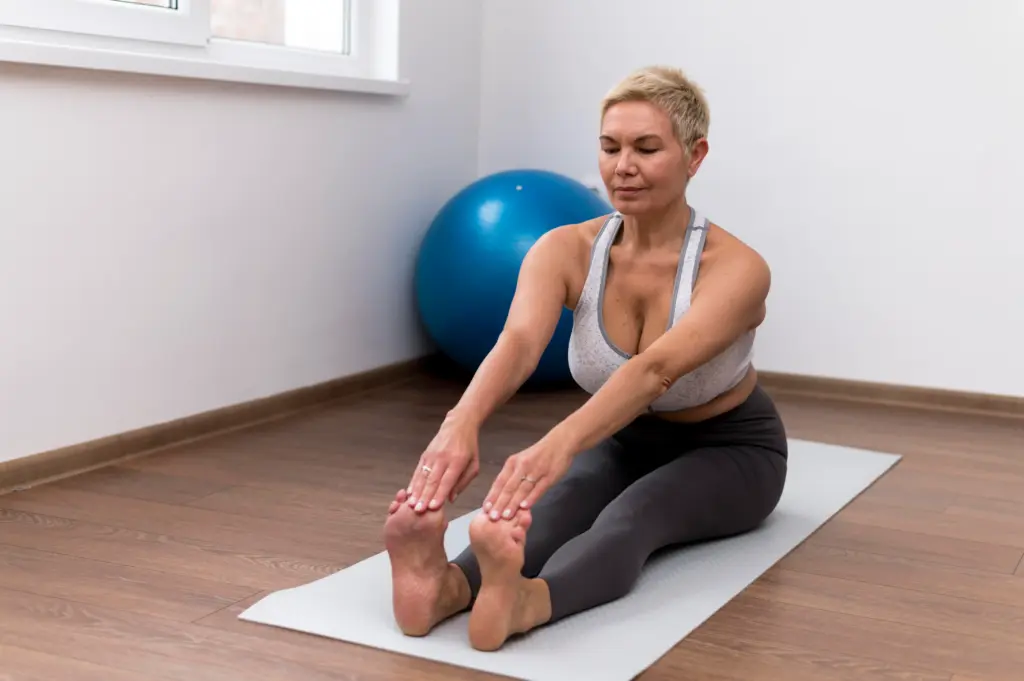
Short in supine and long in long sitting means posterior iliosacral rotation. Full technique, interpretation table, and evidence.
Eversion stress test: How to perform and interpret findings
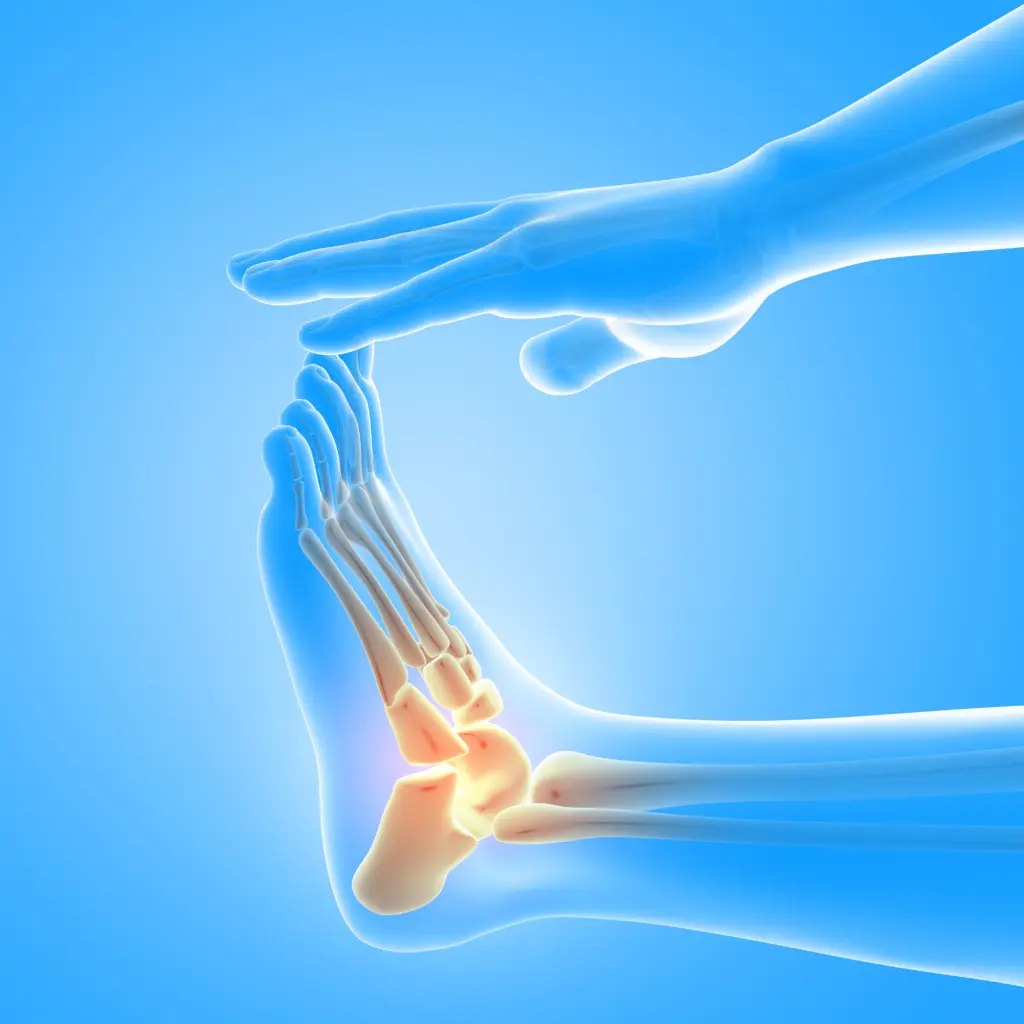
A positive eversion stress test means medial gutter pain or valgus laxity. Get the technique, Grade I-III findings, and what to document.
Hoover test: Free template
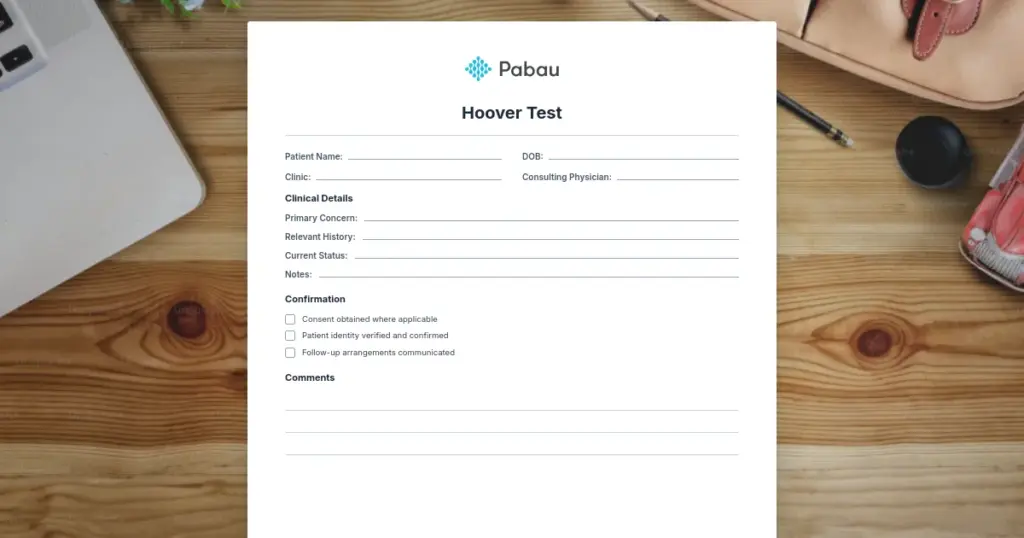
Download your free Hoover test template A printable assessment form with fields for patient details, voluntary hip flexion grading, and the involuntary hip extension you palpate. It also carries result checkboxes, interpretation prompts, and a section for classifying the weakness. Download template Telling functional lower limb weakness apart from a structural cause is one of […]
Yocum test: How to perform it and what a positive means

The Yocum test is one of the fastest ways to load the subacromial space and hear what the shoulder says. With a hand resting on the opposite shoulder, your patient lifts that elbow against steady downward pressure. Pain at the front or side of the shoulder counts as a positive result. All of it takes […]
Tight hip flexors test: How to do the Thomas Test
Front-of-hip tightness is easy to feel and hard to pin down. You stretch, it eases for an hour, then the pull creeps back by mid-afternoon. The tight hip flexors test, better known as the Thomas Test, settles the question in about two minutes. You lie back on a firm table, hug one knee to your […]
QuickDASH Outcome Measure
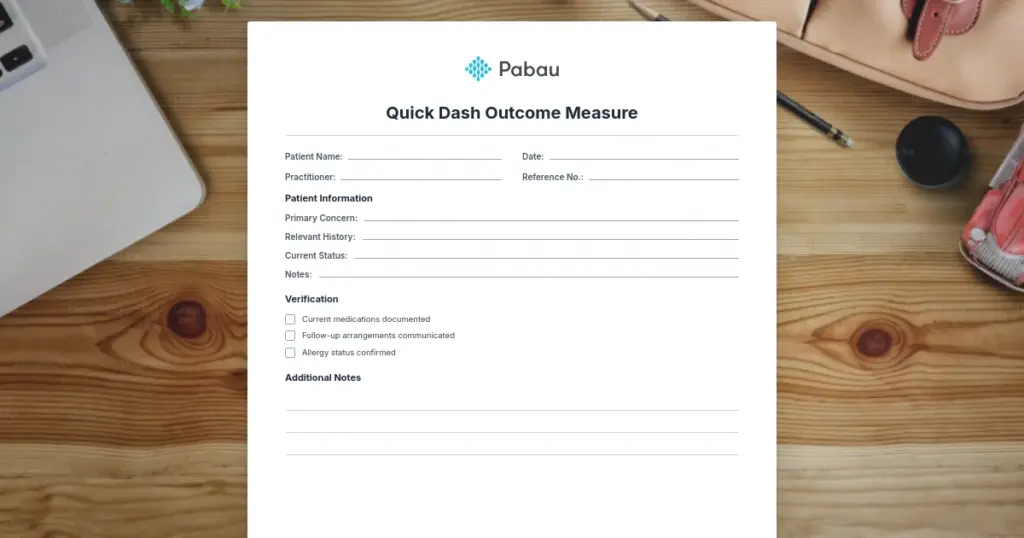
Download your free QuickDASH score record sheet A one-page charting form for filing each QuickDASH result, with fields for patient name, assessment date, the calculated score, and clinical notes. The questionnaire itself is published separately by the Institute for Work & Health, which owns the copyright. Download template The QuickDASH turns a vague complaint about […]
Belly press test: How to perform and interpret results
Belly press test technique, the positive signs to watch for, and what the accuracy numbers mean in practice. Read more before your next shoulder exam.