CRM for chiropractors: how to manage patients, bookings and marketing
A CRM for chiropractors is a patient relationship management system built around...

Last Updated: Oct 13, 2026

The Thomas Test checks hip flexor length at home in about two minutes, using a firm table or a high bed.
Your result is positive when the resting thigh lifts off the surface as you hug the opposite knee in.
A knee that straightens toward the ceiling points to the rectus femoris rather than the deeper psoas.
Tightness and weakness feel alike but need opposite treatment, so stretching a weak hip flexor usually makes things worse.
Setup decides the result, so a soft mattress or an arched lower back can turn a normal hip into a false positive.
Front-of-hip tightness is easy to feel and hard to pin down. You stretch, it eases for an hour, then the pull creeps back by mid-afternoon.
The tight hip flexors test, better known as the Thomas Test, settles the question in about two minutes. You lie back on a firm table, hug one knee to your chest, and watch the other thigh. If it lifts off the surface, those hip flexors are short.
Setup matters as much as the test itself, though. A soft mattress, an arched lower back, or the wrong knee held in can all fake a positive result. So start with the surface, then run the steps.
You need two things: a firm surface at roughly hip height, and two minutes. A soft mattress will not do, because the pelvis sinks into it and your lower back never flattens.
Almost everyone at home runs the modified Thomas Test, named after the 19th-century orthopedic surgeon Hugh Owen Thomas. His original version is performed flat on a table. The modified one lets the test leg hang off the edge, which is far easier to judge alone.
Three things can happen, and each one points at a different muscle.
Take a software developer who rides 60 miles a week. Her left thigh sits two inches off the table, and the knee straightens as the leg drops. Both hip flexors are involved on that side, so stretching the front of the thigh alone will not fix her.
Runners usually want a number. At home, flat versus not flat is the practical line. Clinicians measure the angle with a goniometer and log it on a hip range of motion test. A return-to-running protocol tracks clearance the same way.
Clear those six and the result is worth acting on.
No table? Two quick screens give you a rough answer in under a minute each. Neither one replaces the Thomas Test or a professional assessment. Both are portable enough to run in a gym or on a treatment room floor.
It is rougher than the Thomas Test. As a daily check for runners and cyclists mid-session, though, it does the job.
This screen doubles as a glute check. Weak glutes and short hip flexors tend to arrive together, so early rocking often points at both.
Short hip flexors rarely stay a hip problem. The symptoms spread down the leg and up into the back, then get blamed on other things. Recognizing them first gives your test result some context.
Nobody has all of them. A desk worker and a marathon runner can both test positive, then describe completely different weeks.
Tight and weak hip flexors feel similar and need opposite treatment. Stretch a weak one and the instability gets worse. Strengthen a short one and the tightness digs in further.
Here is the quick way to separate them. Lie on your back and lift one knee toward your chest. Press down on that thigh with your hand. If the leg gives way under light pressure, weakness is part of the picture too.
The cause decides the fix. A positive test on a desk worker and a positive test on a cyclist call for different weekly plans.
Anterior pelvic tilt sits on both sides of this. The tilt holds the hip flexors short, and short hip flexors hold the tilt. That loop explains why sitting less helps but rarely finishes the job.
A positive result rarely stays local. The hip flexors sit where the trunk meets the leg, so a restriction there sends compensations up and down the chain.
That chain is why a hip screen shows up inside back and knee assessments. The complaint arrives at the knee, while the cause sits two joints higher.
A positive test asks for two jobs, not one. Lengthen what is short, then strengthen whatever let it shorten. Stretching on its own usually buys a few good weeks before the tightness returns.
Hold each position long enough to matter. Aim for 30 to 60 seconds, two to four rounds per side, most days of the week. Short bouncy holds do very little for muscle length.
Retest every two to three weeks, not every day. Muscle length does not change that fast, and daily testing mostly measures how warm you are.
Keep the conditions identical: same surface, same time of day, same order of legs. Then write down the date and what you saw, because memory drifts. In a practice that note belongs in the client record, and at home a medical notes template does the same job.
Special tests narrow the list of causes, then a clinician confirms the answer. The same holds across the body. It applies to the belly press test at the shoulder, and to the Kernig sign test in a neurological exam. Some findings need a professional now, not in six weeks.
Bring your notes to the appointment. Clear patient care documentation, including your test result and what you have already tried, gets you to a plan faster. In the US you can find a licensed clinician through ChoosePT, the public directory run by the American Physical Therapy Association.
In a lot of practices, one hip screen ends up in three places. The angle goes on a paper note, the photo stays on someone’s phone, and the exercise plan gets emailed from a laptop. Six weeks later, nobody can line the retest up against the first result.
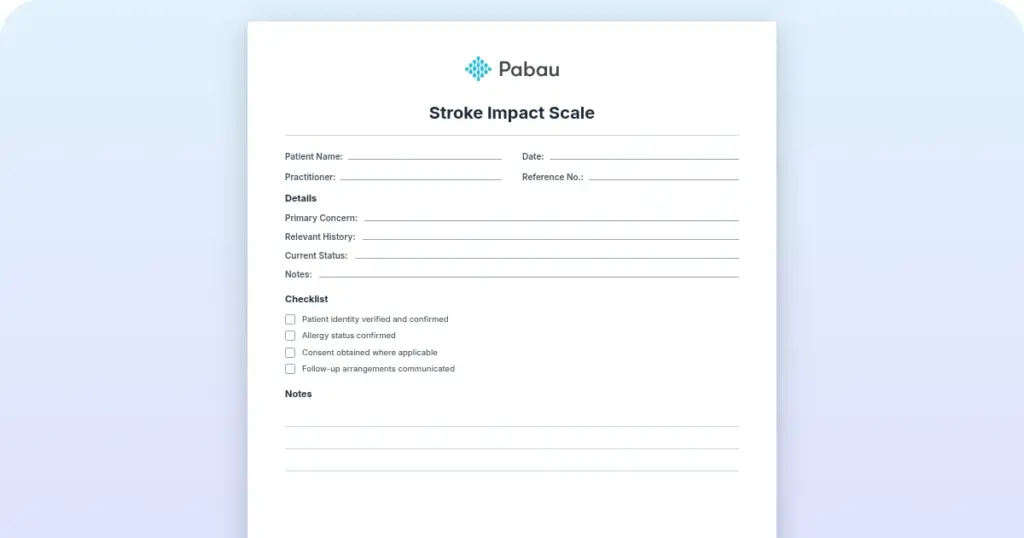
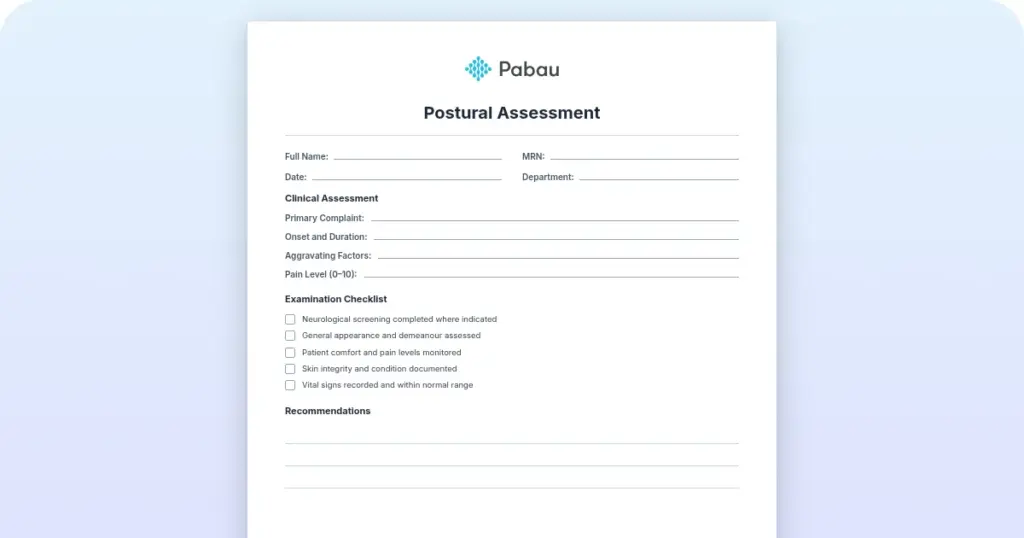
Practice management software like Pabau keeps those pieces together. Its physical therapy EMR holds the intake answers, the test result, the photos, and the home program against one client. The retest then sits directly beside the original number.
Measurements tracking is the part that pays off at review time. Range-of-motion figures and questionnaire scores are stored as data, so a six-week change becomes a chart rather than a memory. Digital intake forms also collect sitting hours and sport history before the visit, which leaves more of the session for testing.
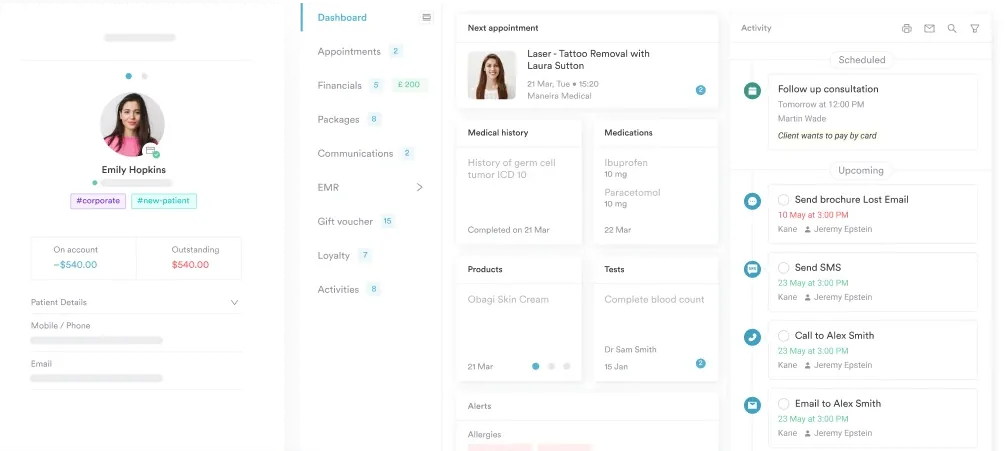
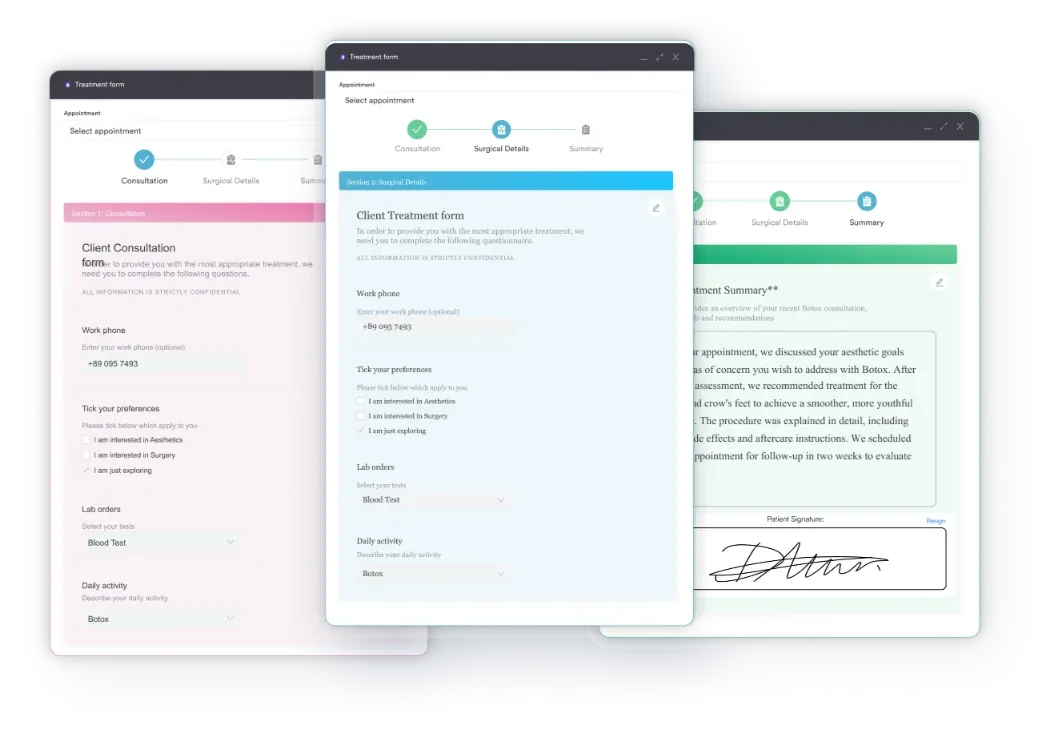

Pabau brings intake forms, test results, photos, and home exercise plans into one client record. Progress reviews then take minutes, instead of a hunt through three systems.

The Thomas Test earns its place because it turns a vague feeling into something you can act on. A flat thigh, a lifted thigh, and a straightening knee each send you somewhere different. Get the surface and the lower back right, and the answer holds up.
One habit separates the people who fix this from the people who stretch forever. They retest under the same conditions and write the result down. Do that, add the strength work, and six weeks will tell you whether the plan is working.
In a physical therapy or sports medicine practice, one record for results and plans turns a review into a comparison. Book a demo to see how Pabau handles assessments, home programs, and follow-up in one place.

Screening for fall risk in the same visit? Morse Fall Scale A ready-to-use fall risk assessment covers six core factors, scoring interpretation, and clinical action guidance.
Want a fuller movement screen? Range of motion assessment covers how to measure each joint and record the numbers consistently.
Following a hip patient over months? Harris Hip Score gives you a scored outcome measure for pain, function, and movement.
Building the strength side of the plan? Gluteal exercise handout is a ready-made sheet of glute work you can send home with a client.
Foam rolling the front of the hip eases the guarded feeling for a while. It does not lengthen the muscle. Use it before you stretch, then follow with hip extension work so the new range gets used.
Save the long static holds for after training, or for a session of their own. Before training, use slow lunges with movement instead. Long static stretching straight before sprinting or heavy lifting can blunt power briefly.
A standing desk removes the hours of hip flexion, which helps. Standing still all day brings aches of its own, though. Alternating every 30 to 45 minutes, plus a daily stretch, does more than either option alone.
Most people see the thigh drop closer to the table within four to six weeks of near-daily work. Progress tends to stall when stretching is the only thing happening. Add glute and core strength work and the change holds.
Ask your surgeon or therapist first. Pulling the knee hard to the chest can push a new hip past its safe range early in recovery. Once you are cleared, your therapist will usually run the test with you.