








Hypoglossal nerve test: How to perform and interpret CN XII

Inconsistent examination technique causes most missed cranial nerve findings, more often than a lack of knowledge does. The hypoglossal nerve test takes under two minutes, yet inconsistent documentation and incorrect deviation interpretation persist across clinical settings. Guidance on cranial nerve testing consistently lists the hypoglossal nerve examination among the assessments used for stroke workups and […]
Falls efficacy scale (FES): Clinical assessment tool and free template
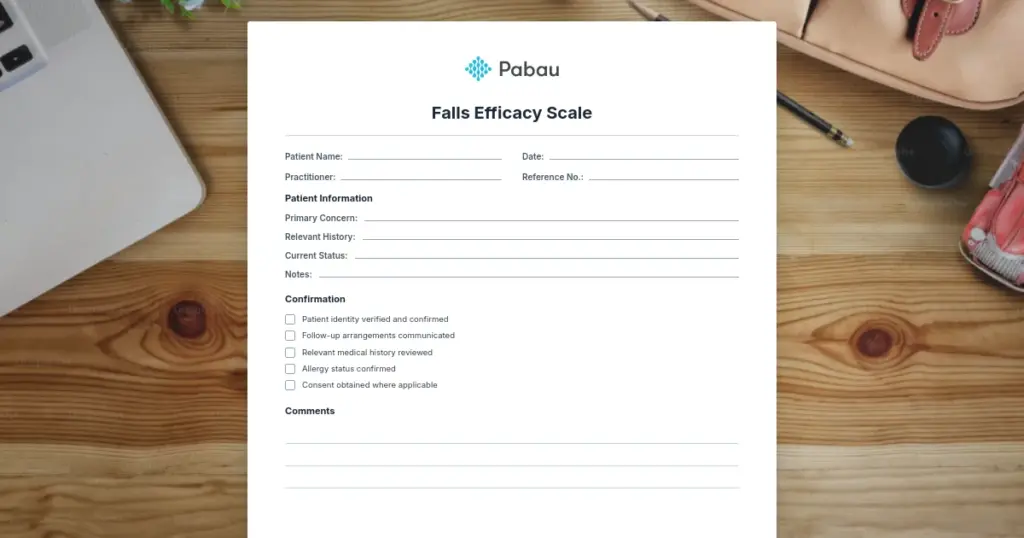
Download your free Falls Efficacy Scale template The original 10-item Falls Efficacy Scale (Tinetti et al., 1990). Patients rate their confidence in 10 daily activities from 1 (very confident) to 10 (not confident at all). A total score above 70 indicates fear of falling. Print or hand out the PDF to standardize fall-risk screening across […]
DN4 questionnaire
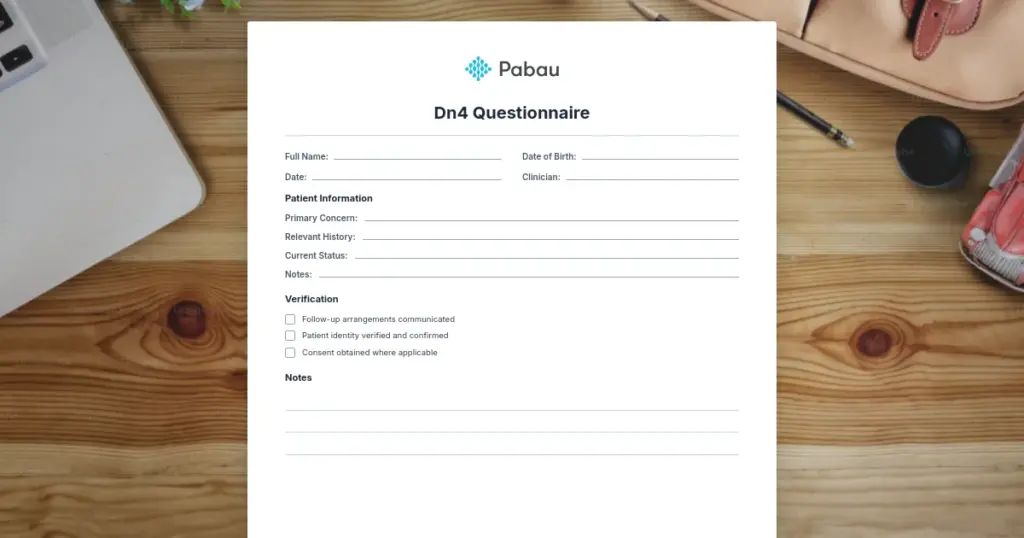
Download your free DN4 questionnaire A ready-to-use 10-item clinician-administered screening tool for neuropathic pain. Includes all 7 symptom descriptors (patient interview), 3 clinical examination findings, scoring instructions, and interpretation guidance for ≥4/10 cut-off threshold. Download template The DN4 questionnaire is a validated 10-item screening tool that helps clinicians identify neuropathic pain in 3 to 5 […]
HCPCS Code C1816: Receiver/transmitter, neurostimulator (implantable)
Most claim denials for implantable device codes come down to one problem: the billing team misclassifies the component. HCPCS Code C1816 covers the receiver/transmitter unit of an implantable neurostimulator system. Coders frequently conflate it with the pulse generator or lead components, though each has its own distinct code. That misclassification triggers a mismatch between the […]
ICD-10 Code S13.8XXD: Neck sprain, subsequent encounter
ICD-10 Code S13.8XXD is the billable code for “sprain of joints and ligaments of other parts of neck, subsequent encounter.” It applies to follow-up visits for a previously diagnosed neck sprain, once the patient has moved past active treatment and into the routine healing or recovery phase. Submitting the initial encounter code, S13.8XXA, on a […]
Borg RPE scale
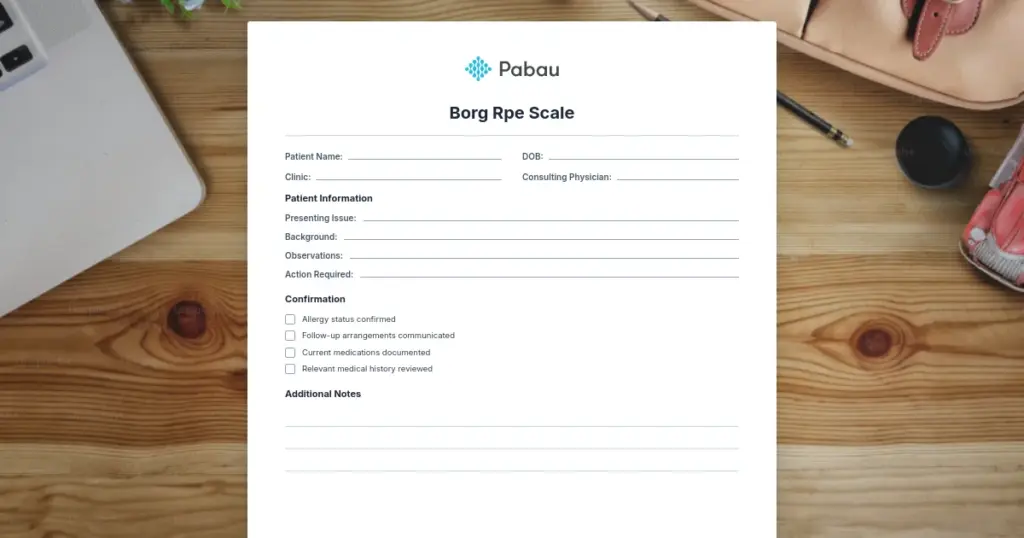
Download your free Borg RPE scale A ready-to-use assessment template for measuring perceived exertion during exercise sessions. Includes the original 6-20 scale, Modified CR10 variant for dyspnea screening, and clinical interpretation guidance for cardiac, respiratory, and oncology patient populations. Download template The Borg RPE scale is one of the most widely used subjective assessment tools […]
Modified Romberg test: Clinical guide to performing and interpreting results

The modified Romberg test adds a 30-second time estimate to the classic balance exam. How to perform, score, and read the results.
Fovea sign test: Technique, interpretation, and diagnostic accuracy
The fovea sign test detects foveal TFCC and ulnotriquetral tears via thumb pressure on the ulnar fovea. Technique, results, and accuracy.
Hip examination: A complete clinical guide for practitioners

Hip pain is one of the most common musculoskeletal complaints across all age groups. A misattributed diagnosis at the first clinical encounter can delay treatment by an average of several months. A rigorous hip examination identifies whether pain originates intra-articularly, from periarticular structures, or is referred from the lumbar spine or sacroiliac joint, and that […]
Danis-Weber classification: Ankle fracture types explained

Ankle fractures are among the most common orthopaedic injuries seen in emergency departments and outpatient practices. Most are misclassified at first contact. The Danis-Weber classification gives clinicians a fast, radiograph-based framework to characterize fibular fractures and guide initial management decisions, and it takes roughly ten seconds to apply once you know the anatomy. This guide […]