Nursing narrative note template
A nursing narrative note template is a structured PDF that guides you through re...

3
Last Updated: Oct 21, 2026

The DN4 questionnaire is a 10-item validated tool for screening neuropathic pain with a cut-off score of ≥4/10.
It combines 7 patient-reported symptom descriptors with 3 clinical examination findings, administered by a trained clinician.
DN4 offers ~83% sensitivity and ~90% specificity, making it a reliable screening tool for differentiating neuropathic from non-neuropathic pain.
Pabau’s customizable digital forms allow practices to embed validated assessment tools like the DN4 into patient intake workflows.
A ready-to-use 10-item clinician-administered screening tool for neuropathic pain. Includes all 7 symptom descriptors (patient interview), 3 clinical examination findings, scoring instructions, and interpretation guidance for ≥4/10 cut-off threshold.
Download templateThe DN4 questionnaire is a validated 10-item screening tool that helps clinicians identify neuropathic pain in 3 to 5 minutes. Developed by Bouhassira et al. (2005), it has strong psychometric properties. Sensitivity is about 83% and specificity about 90% at a cut-off score of 4 or higher.
This guide covers the DN4’s structure, step-by-step administration, and scoring rules. It also explains how to fit the tool into your practice. Plus, it offers a free downloadable PDF ready to print or embed in your intake system.
The DN4 questionnaire (Douleur Neuropathique 4 questions) is a validated 10-item clinician-administered screening tool for identifying neuropathic pain. Bouhassira et al. developed and published the DN4 in the journal Pain in 2005. It has since become one of the most widely used screening instruments in pain management, neurology, and general practice.
Its purpose is to help clinicians differentiate neuropathic pain, caused by nerve injury or dysfunction, from non-neuropathic pain such as musculoskeletal or inflammatory pain. The tool is straightforward to administer. A clinician conducts a brief patient interview to assess 7 symptom descriptors, then performs a focused clinical examination to check for 3 specific neurological findings.
The entire process takes 3 to 5 minutes, making it practical for busy practice settings. The DN4 is particularly valuable when neuropathic pain is suspected, such as in diabetic neuropathy, post-herpetic neuralgia, chemotherapy-induced peripheral neuropathy, or spinal cord injury.
From a regulatory standpoint, the DN4 is not a diagnosis-confirming test but rather a screening tool that supports clinical decision-making. Its development was rigorously validated against established neuropathic pain criteria, and it has since been translated into multiple languages and validated in diverse healthcare settings.
Administering the DN4 follows a clear two-part structure: Patient interview (Part 1) followed by clinical examination (Part 2). Here are the five core steps:
Accurate administration depends on training. Clinicians should know the exact wording of each symptom descriptor and the palpation technique for the examination findings. Consistency matters across multiple administrations, whether you’re screening for change over time or comparing outcomes across your practice. That depends on standardized application.
The DN4 questionnaire is broadly applicable across healthcare specialties wherever neuropathic pain assessment is relevant:
The DN4 is equally valuable in research settings, where its brevity and strong validation make it an ideal outcome measure for neuropathic pain trials. Any practice setting where pain is assessed benefits from a standardized, validated screening tool.
Many practices log scores like these in measurements tracking software, so progress charts update the moment a reassessment is saved.
Rapid and practical: The DN4 takes 3 to 5 minutes to complete and needs no special equipment, just a small pin and light-touch testing. It fits easily into routine practice workflows without disrupting patient flow.
Validated and reliable: Published validation studies confirm sensitivity ~83% and specificity ~90%, meaning it reliably distinguishes neuropathic from non-neuropathic pain in diverse patient populations. Clinicians can trust the result as a clinical decision-making aid.
Standardized communication: The DN4 gives clinicians a structured way to document pain type, improving clarity between colleagues and during referrals. Paired with a consistent format like SOAP charting, it reduces ambiguity in pain descriptions.
Supports evidence-based treatment: Identifying neuropathic pain guides pharmacological choice (e.g. gabapentinoids, SNRIs) and non-pharmacological interventions (e.g. desensitization, nerve blocks). Incorrect pain classification can lead to ineffective or inappropriate treatment.
Audit and compliance ready: The DN4 is recognized in major pain management and neuropathy guidelines. Routine use demonstrates adherence to best practice standards and supports quality audits and regulatory reviews in healthcare settings.
Scoring the DN4 is straightforward: Assign 1 point to each “yes” response and 0 points to each “no” response, then sum all 10 items. The total score ranges from 0 to 10.
The cut-off of ≥4/10 was established in the original validation study and has been consistently confirmed across diverse populations. However, the DN4 is a screening tool, not a diagnostic test: Clinical judgment always takes precedence. A patient with a score below 4 who presents with compelling clinical features of neuropathic pain warrants further investigation regardless of the questionnaire score. Recording measurements the same way each visit is what makes progress visible, and physical therapy EMR software enforces it.
Psychometric properties: The DN4 achieved sensitivity of about 83% and specificity of about 90% at the ≥4 cut-off in the original Bouhassira 2005 study.
Later validations tested these figures against confirmed neuropathic pain diagnoses documented in patient records, and the results held steady across multiple languages and patient populations. This makes the DN4 one of the most reliable brief screening tools available.
Several validated screening tools exist for neuropathic pain. The DN4 stands out for its brevity and balanced structure, but understanding alternatives helps clinicians choose the best tool for their context.
The DN4 is favored in many European and global settings for its balance of brevity and reliability. It combines subjective symptoms with objective examination findings and has a strong multilingual validation base.
painDETECT is more common in German-speaking regions, while LANSS (Leeds Assessment of Neuropathic Symptoms and Signs) is shorter but slightly less sensitive. Most pain management and neurology guidelines recognize all three as acceptable screening tools, and local practice often determines which one clinicians choose.
The DN4 has been translated and validated in numerous languages, including Spanish, German, French, Italian, Portuguese, Chinese, Dutch, Polish, and many others. Each language version has undergone formal psychometric validation to ensure that the tool’s reliability and validity are maintained across linguistic and cultural contexts.
The DN4 is managed and licensed through ePROVIDE and Mapi Research Trust, an international organization that maintains standardized instruments for clinical research and practice. Practices and healthcare facilities can access validated translations and learn about licensing terms via the ePROVIDE platform.
For most routine clinical use, the DN4 is available at no cost, though formal research studies may require explicit permission depending on the study’s scope.
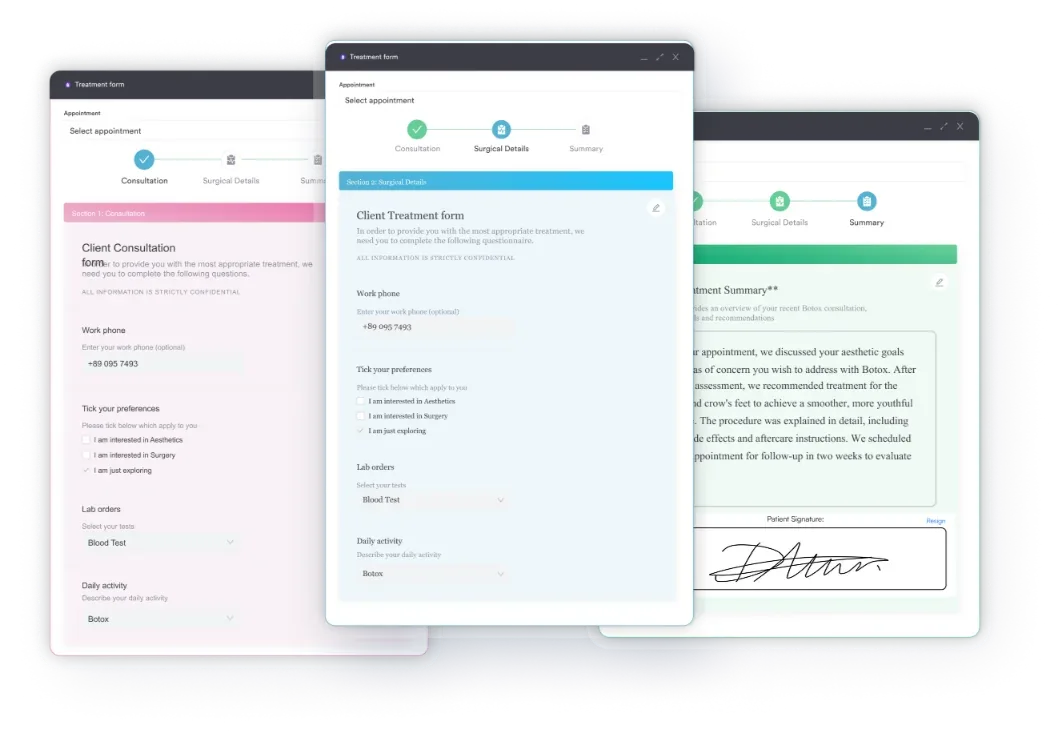
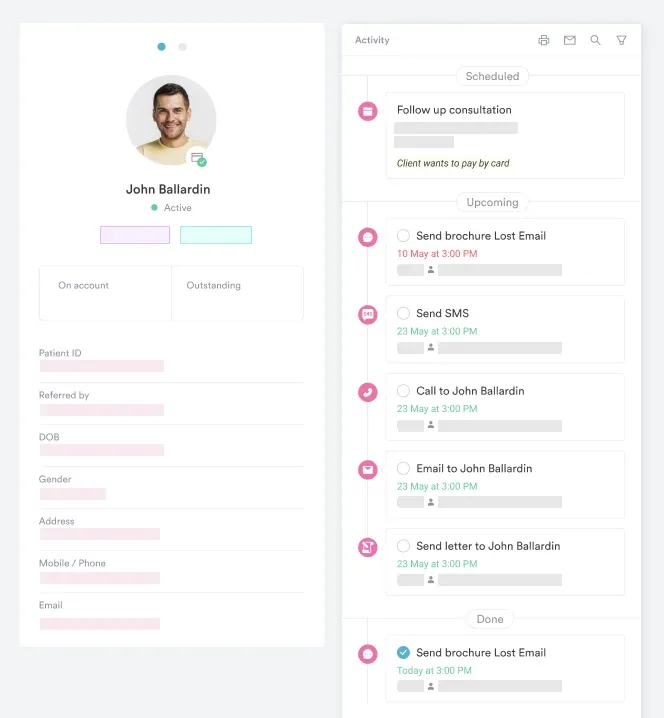
Administering the DN4 generates structured clinical data that should be recorded in the patient’s medical record. Pabau’s AI-assisted documentation and customizable digital forms let practices embed validated assessment tools like the DN4 directly into patient intake workflows. This cuts paperwork and improves data-capture consistency.
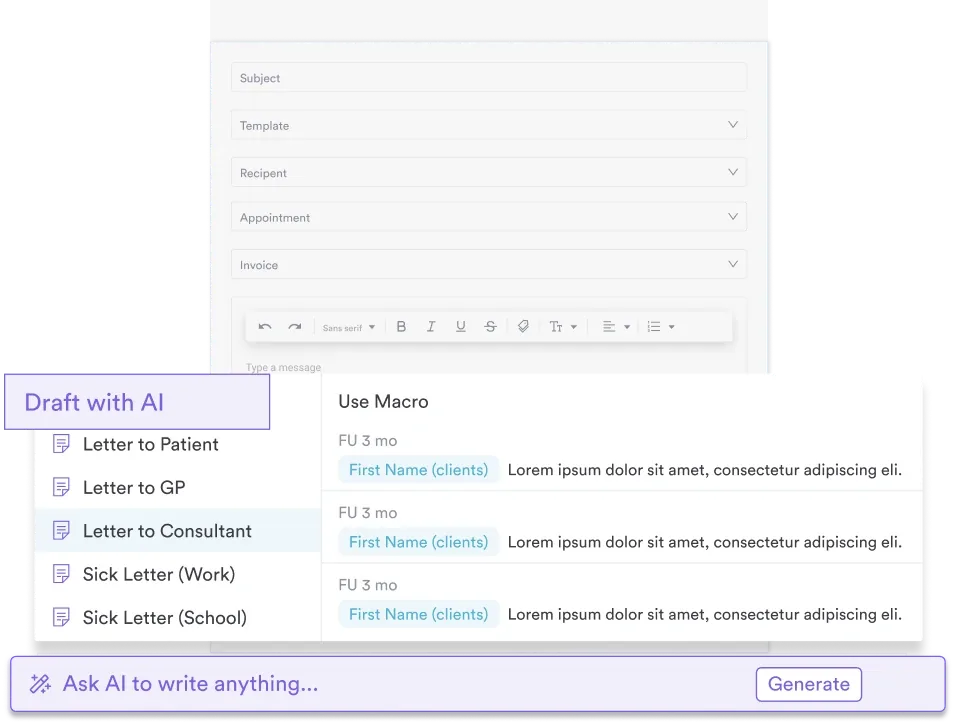
With Pabau, clinicians can:
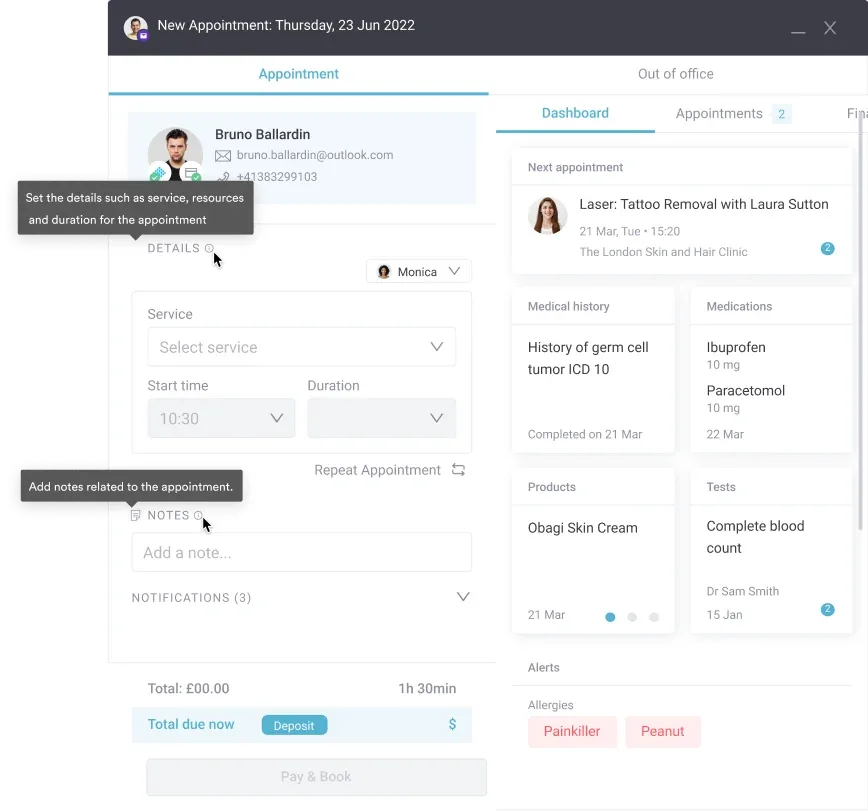
This helps ensure no patient with likely neuropathic pain is missed.

Embed validated screening tools like the DN4 into your patient intake, automate follow-up workflows, and keep all assessment data organized in one secure clinical record.

Screening for neuropathic pain doesn’t need to be complicated. Run the DN4 during a normal patient interview and exam, then apply the ≥4 cut-off. That gives you a defensible basis for referral or treatment decisions in under five minutes.
What matters most is consistency. A score means little if every clinician in your practice interprets the symptom descriptors differently. Build the exact wording into your intake process, rather than leaving it to memory.
Download the PDF above to get started, or move the DN4 into a digital form so every score sits in the patient’s record automatically. Book a demo to see how Pabau turns validated tools like the DN4 into a repeatable part of your intake workflow.

Suspecting De Quervain’s tenosynovitis? The Finkelstein test is a simple, reproducible way to confirm radial-sided wrist pain.
Assessing fall risk in older patients? Falls efficacy scale measures a patient’s confidence during everyday activities.
Working up sacroiliac joint pain? This guide explains what counts as a positive Gaenslen’s test in a sacroiliac joint workup.
The DN4 questionnaire is a 10-item screening tool for identifying neuropathic pain. It helps clinicians differentiate neuropathic pain (caused by nerve dysfunction) from non-neuropathic pain (e.g. musculoskeletal), guiding diagnosis and treatment decisions in pain management, neurology, primary care, and rehabilitation settings.
The DN4 is scored by awarding 1 point to each “yes” answer and 0 points to each “no” answer across all 10 items. This includes 7 patient-reported symptoms and 3 clinical examination findings. The total score ranges from 0 to 10. A score of 4 or higher indicates likely neuropathic pain. A score below 4 suggests non-neuropathic pain.
The cut-off score is ≥4 out of 10. A score of 4 or above indicates that neuropathic pain is likely present and warrants further investigation or specialist referral. Scores below 4 suggest non-neuropathic or non-predominantly neuropathic pain, though clinical context should always guide final assessment.
The DN4 was developed and validated by Bouhassira et al., first published in the journal Pain in 2005. The tool has since become widely adopted globally and is now managed and licensed through ePROVIDE and Mapi Research Trust, an international instrument registry.
The DN4 questionnaire contains 10 items total. There are 7 symptom descriptors assessed during the patient interview: Burning, painful cold, electric shocks, tingling, pins and needles, numbness, and itching. There are also 3 clinical examination findings: Hypoesthesia to touch, hypoesthesia to pinprick, and allodynia. Each item is scored yes or no.
Yes. The DN4 has been translated and psychometrically validated in numerous languages including Spanish, German, French, Italian, Portuguese, Chinese, Dutch, Polish, and many others. Each language version maintains the tool’s reliability and validity, and all are listed and managed through the ePROVIDE platform.