Tebra Pricing in 2026: Modules, Add-Ons, and Real Costs
Most independent practices evaluating EHR software run into the same wall when t...

April 30, 2026


Buy now, pay later is now available in Pabau

AI EMR software automates clinical documentation, patient intake, and workflows – reducing admin time for clinicians by up to 50% per peer-reviewed research.
eClinicalWorks targets hospital networks and multi-specialty outpatient groups; Pabau is purpose-built for private clinics, med spas, and aesthetic practices.
Enterprise AI EMR platforms like eClinicalWorks require significant configuration and are not optimised for aesthetic or wellness workflows.
Pabau combines AI-assisted clinical notes with end-to-end patient journey automation – intake, consent, aftercare – in a single platform from $65/month.
Most private clinic owners search for an AI EMR and land on platforms built for hospital systems. The documentation tools are powerful. The setup takes months. The pricing requires an enterprise procurement conversation. And none of it understands what a Botox consultation or an IV therapy intake form actually needs.
This comparison evaluates two distinct approaches to AI EMR software: eClinicalWorks, a feature-rich platform serving large medical practices and health networks, and Pabau, an all-in-one practice management platform built specifically for private clinics, medical spas, and aesthetic practices. We examine AI documentation capabilities, patient journey automation, market fit, pricing, and compliance – so independent clinic operators can make an informed choice.
Before diving into the detail, here is how Pabau and eClinicalWorks compare across the criteria that matter most to independent clinic operators.
An AI EMR is not simply an electronic health record with a chatbot bolted on. A peer-reviewed analysis in PMC on AI based on electronic medical records describes how EMR data is being applied to predictive analytics, individualised treatment planning, disease prediction, and AI-assisted drug development. Documentation impact is the most-discussed clinical benefit in the trade press: vendor case studies – including a frequently cited Rocky Mountain Women’s Clinic deployment of Sunoh.ai reported by eClinicalWorks – describe clinicians saving up to two hours per day on note-taking, though a commentary in npj Digital Medicine cautions that realising these gains depends heavily on workflow integration, usability, and user-centred design rather than the AI model alone.
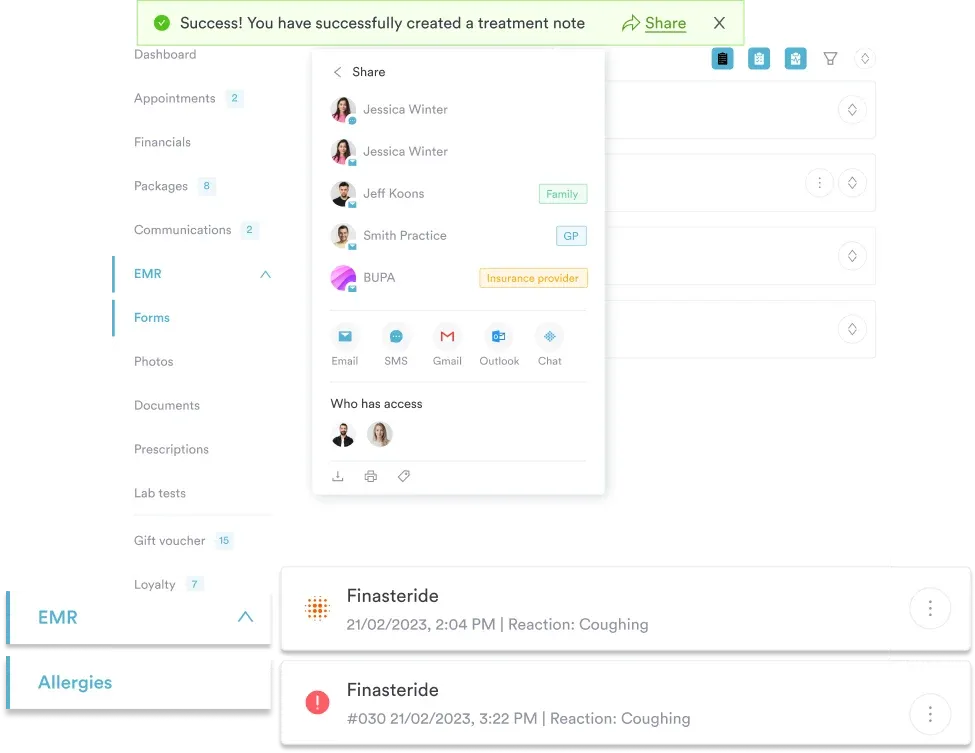
The challenge for private clinic operators is that most AI EMR platforms were architected for hospital systems. They solve documentation problems at scale for multi-specialty outpatient departments – not the intake-to-aftercare workflow of a 3-room aesthetic clinic or a private GP practice seeing 20 patients daily. The evaluation criteria that matter for independent operators differ from those driving NHS trust or US health system procurement.
This is the core of what most clinics mean when they search for an AI EMR. Both platforms offer AI-assisted documentation, but the architecture and target use case differ substantially.
eClinicalWorks has integrated ChatGPT and Generative AI directly into its EMR and practice management system, describing the result as the industry’s first conversational EHR. The platform enables clinicians to generate progress notes from patient-provider conversations, create draft responses to patient messages, and streamline handoff summaries. This is an ambient documentation model – the AI listens to or processes the clinical encounter and produces a structured note for clinician review.
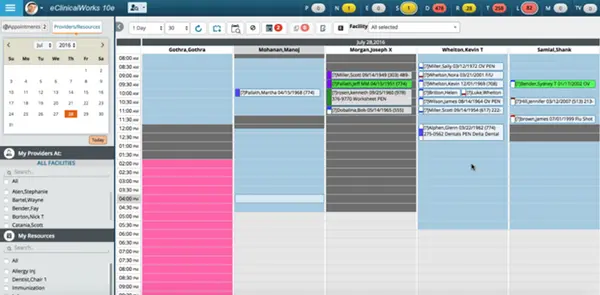
The technical depth is real. eClinicalWorks supports Natural Language Processing for structured data capture, predictive analytics for clinical decision support, and broad specialty coverage across primary care, specialties, and multi-location practices. For a large multi-specialty group, the configuration options and clinical depth are genuine advantages.
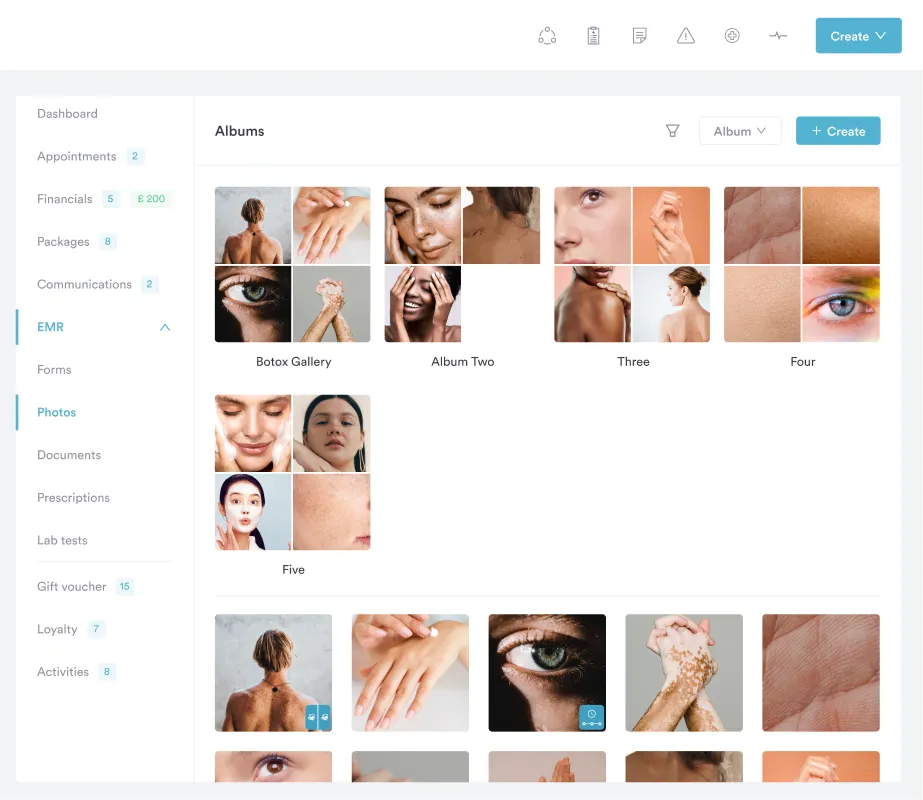
Pabau’s AI documentation capability is delivered through Pabau Scribe, an integrated AI medical scribe embedded directly within the patient consultation workflow. Rather than requiring a third-party add-on or a separate ambient device, Pabau Scribe generates consultation notes within the same platform where the clinician manages bookings, consent, and treatment records. For aesthetic and wellness practitioners, this matters: the documentation is tied to specialty-specific fields like injection plotting, body measurement tracking, and before-and-after photo records – not generic SOAP note templates designed for primary care.
According to Pabau’s published guidance on AI scribes, the embedded approach reduces the post-appointment admin loop that typically costs clinicians 15-30 minutes per patient in documentation catch-up time. The note is generated and available for review within the same session, not exported to a separate record system.
Clinical documentation is only one dimension of an AI EMR evaluation. The patient journey from booking to aftercare involves a sequence of touchpoints, each representing an opportunity for automation – or a source of manual admin overhead if left unmanaged.
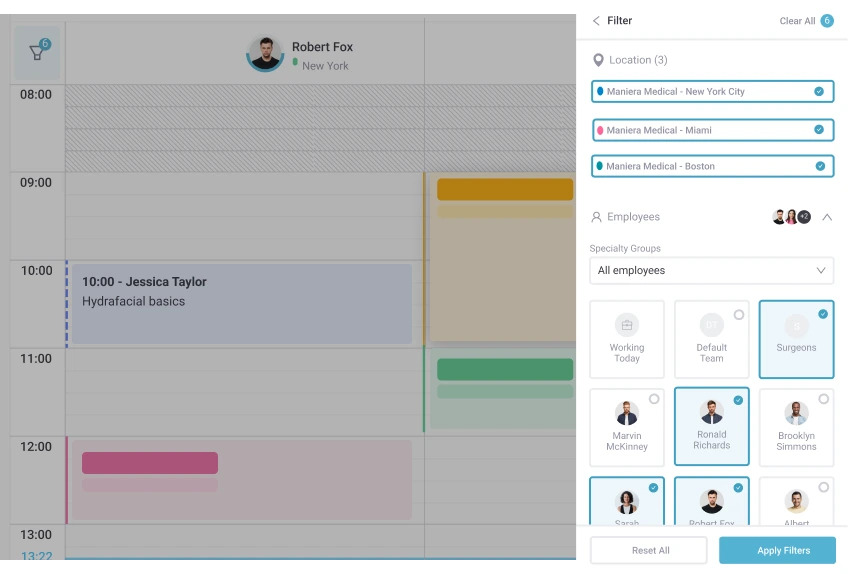
eClinicalWorks offers appointment scheduling, patient messaging, and billing automation as part of its practice management suite. Its AI capabilities extend primarily to clinical note generation and coding assistance. Patient intake and consent processes are available but typically require additional configuration or third-party integrations to achieve the kind of end-to-end automation that private clinic operators want from a single platform.
Pabau’s automated workflow engine covers the full patient journey without additional modules. When a patient books online, the system can automatically send a pre-consultation questionnaire, a digital consent form, and appointment reminders – all before the patient arrives. After the appointment, automated aftercare instructions and follow-up messages can be triggered based on the specific treatment delivered. This is not generic CRM automation – the triggers are connected to treatment types, service codes, and the digital forms the patient completed, creating a contextually relevant communication sequence.
For medical spas and aesthetic clinics specifically, this end-to-end automation addresses the most common operational gap: the administrative work that happens between booking and consultation, and again between treatment and the next appointment. Private clinic teams are typically small. Every automated touchpoint replaces a manual task that would otherwise require dedicated admin time.

Book a personalised demo and see how Pabau's AI scribe, automated patient journey, and specialty-specific clinical records work together for private clinics and med spas.

The most important question for an independent clinic evaluating an AI EMR is not which platform has more features – it is which platform was built for practices like yours.
eClinicalWorks serves more than 180,000 doctors and nurse practitioners worldwide, alongside roughly 850,000 medical professionals globally, and is primarily designed for multi-specialty medical practices, federally qualified health centers, and hospital-affiliated outpatient groups. The platform’s breadth – covering primary care, mental health, cardiology, and dozens of other specialties – reflects its origin as a general-purpose medical EMR. Pricing is not published and typically requires a procurement conversation, which reflects the enterprise nature of the deployment process. Implementation timelines for platforms of this complexity generally extend over several weeks to months.
Pabau is purpose-built for medical spas, aesthetic clinics, private GP practices, wellness businesses, and multi-specialty private clinics. The feature set reflects this: product inventory management, retail point-of-sale, injection plotting tools, before-and-after photo management, and specialty-specific treatment record templates are included natively – not as add-ons requiring integration work. Pricing starts from $65/month with transparent subscription tiers, making it accessible to independent clinic owners and small multi-location groups without enterprise procurement requirements.
The compliance posture also differs. Both platforms support HIPAA compliance for US clinics. Pabau additionally holds GDPR compliance for UK and European clinic operators, making it a practical choice for international or dual-market practices. For a UK-based aesthetic clinic expanding to the US, or a US med spa with a UK partner location, this dual compliance posture has operational relevance.
Pabau draws consistently positive feedback from clinic operators who cite the platform’s depth for aesthetic and wellness workflows – alongside some honest limitations worth knowing before committing.
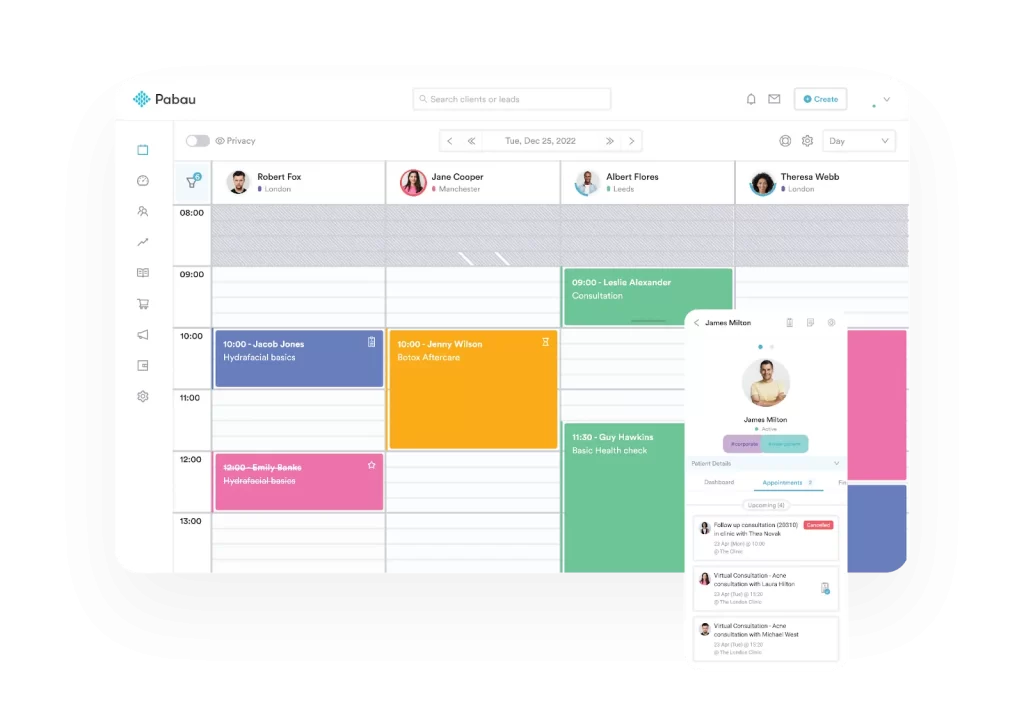
According to Capterra reviewers, Pabau rates 4.7/5 across 600+ verified reviews, with recurring praise for its all-in-one approach to clinic operations. Reviewers highlight the comprehensive automation of client journey touchpoints, the quality of treatment record templates for aesthetic and wellness procedures, and the depth of reporting tools available to practice owners.
eClinicalWorks is a mature, feature-rich AI EMR platform with genuine strengths for large practices – and real limitations for the independent clinic segment.
The table below compares key features relevant to independent clinic operators evaluating an aesthetic EMR or private practice management platform.
Pricing transparency is a meaningful differentiator between these two platforms and reflects their fundamentally different target markets.
Pabau’s subscription model gives independent clinic owners cost certainty from day one. eClinicalWorks’ enterprise approach is structured for organisations with procurement teams and IT infrastructure to support complex implementations. For a clinic owner evaluating total cost of ownership, the difference between a known monthly subscription and an enterprise contract with implementation fees is operationally significant.
Before committing to any AI EMR platform, request a structured demo that replicates your actual patient workflow – not a generic feature walkthrough. Ask the vendor to demonstrate: (1) how a consultation note is generated from a live session, (2) how intake forms connect to the clinical record, and (3) how aftercare messaging triggers after a specific treatment. Platforms that struggle with this sequence in a demo will struggle with it in practice.
There is a clear and underserved gap in the AI EMR market: no major enterprise EMR platform is specifically optimised for aesthetic, wellness, and multi-service private clinic workflows. eClinicalWorks is powerful for what it was built to do – serving large medical practices and health networks with deep clinical documentation tools. It was not designed for the operational reality of a medical spa running 60 Botox appointments a week alongside IV drips and skin consultations.
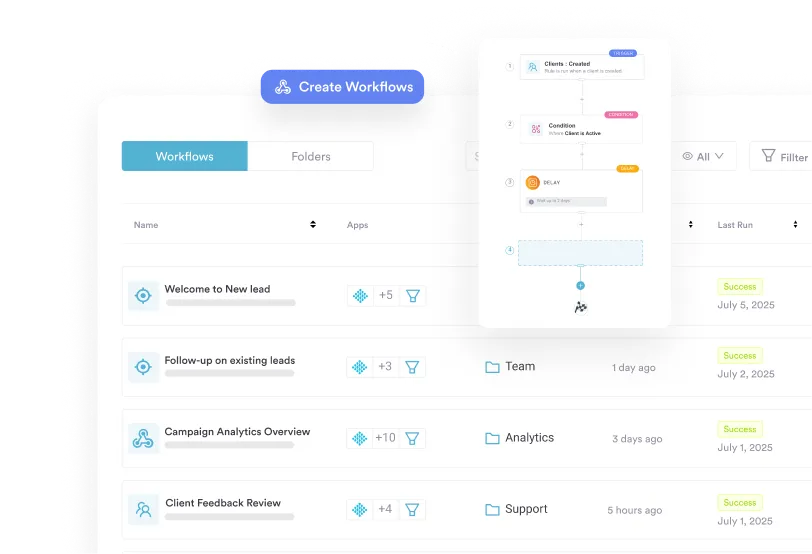
Pabau addresses this gap directly. The AI documentation layer is embedded in specialty-specific clinical records, not generic SOAP note templates. The patient journey automation – from AI-assisted clinical notes through to automated post-treatment follow-up – operates within a single platform rather than across a network of integrated third-party tools. For private clinic operators, this reduces the technology overhead considerably. There is one platform to train staff on, one vendor to contact for support, and one subscription to manage.
The compliance picture is also practically relevant. Pabau’s dual HIPAA and GDPR compliance means it serves both US-based and UK/European clinic operators from the same platform. For practices operating across markets, or for clinic groups expanding internationally, this removes a compliance friction point that enterprise EMRs built exclusively for US healthcare environments cannot address.
Pabau also supports a broader range of clinic types than the aesthetic-focused description might suggest. The platform serves private practice operators across medical aesthetics, private GP, wellness, functional medicine, fertility, physical therapy, mental health, and multi-specialty private clinics – anywhere that independent practitioners need a unified clinical and operational system without hospital-grade implementation complexity.
User sentiment provides a useful ground-level view of how each platform performs in actual clinical environments.
Pabau holds a rating of 4.7 out of 5 based on over 600 verified reviews on Capterra. Recurring positive themes include the platform’s comprehensive automation of client journey touchpoints, the quality of treatment record templates for aesthetic and wellness procedures, and the practical depth of reporting tools. Critical feedback clusters around the platform’s learning curve for new users and variability in support response times – consistent with a feature-rich system that rewards investment in onboarding.
eClinicalWorks does not have publicly available verified ratings on major review platforms based on the research available at the time of writing. User sentiment from healthcare technology community sources indicates the platform is well-regarded for its conversational EHR interface and broad specialty coverage, with complexity during implementation and cost structure noted as recurring concerns for smaller practices considering the platform.
The review volume disparity itself is telling. Platforms built for independent clinic operators tend to accumulate consumer-facing reviews more readily than enterprise systems sold through procurement channels. For independent clinic owners, peer reviews from practices similar in size and type carry meaningful signal about day-to-day usability – and Pabau’s review base reflects a user population close to the typical private clinic operator evaluating this decision.
The right AI EMR depends entirely on what type of practice you operate and what problems you need to solve.
Choose eClinicalWorks if: you operate a large multi-specialty medical practice or health network, need deep HL7/FHIR interoperability with hospital systems, require ONC-certified clinical documentation tools for regulated US healthcare billing, and have the IT infrastructure and implementation budget to support an enterprise EMR deployment.
Choose Pabau if: you operate an independent private clinic, medical spa, aesthetic practice, private GP, wellness centre, or multi-specialty private practice. Pabau is the stronger option if you need AI-assisted documentation embedded in specialty-specific clinical records, end-to-end patient journey automation without additional modules, transparent subscription pricing from $65/month, and a platform that supports both HIPAA and GDPR compliance for international operations. See Pabau’s compliance resources for detailed regulatory guidance.

Need a deeper look at aesthetic EMR options? Aesthetic EMR Software covers the key features and evaluation criteria for aesthetic and med spa clinical documentation platforms.
Exploring AI tools for practice management more broadly? Best AI Practice Management Tools reviews the leading AI-powered options for clinic operations, scheduling, and documentation.
Want to understand how AI scribes affect patient care quality? AI Scribes and Patient Care examines the clinical and operational evidence for ambient documentation tools in private practice settings.
The AI EMR market is bifurcated: enterprise platforms built for hospital-scale clinical operations, and platforms built for independent clinic operators who need operational depth without procurement complexity. eClinicalWorks is a strong platform for the organisations it was designed to serve. For private clinics, medical spas, and independent practitioners, it represents a significant implementation and cost overhead for a product that was never optimised for their workflows.
Pabau closes this gap by combining AI-assisted clinical documentation through Pabau Scribe with full patient journey automation, specialty-specific clinical records, and transparent subscription pricing – all within a single platform that supports both HIPAA and GDPR compliance. For independent clinic operators ready to see exactly how this works in practice, book a demo and run through your actual patient workflow from booking to aftercare.
A traditional EMR stores and retrieves structured patient data based on manual input. An AI EMR adds natural language processing, machine learning, and generative AI to automate documentation, surface clinical insights, and reduce the manual data entry burden on clinicians. The practical difference is significant: AI-assisted note generation can reduce documentation time from 20-30 minutes per patient to a few minutes of review and editing.
AI in electronic medical records typically covers four areas: ambient documentation (converting clinical conversations into structured notes), coding assistance (suggesting appropriate billing codes from note content), clinical decision support (flagging drug interactions or suggesting evidence-based care pathways), and predictive analytics (identifying patients at risk of specific conditions based on longitudinal record data). Not all AI EMR platforms offer all four capabilities – most focus on documentation and coding automation.
Private clinics should prioritise AI-assisted note generation embedded within specialty-specific clinical records, automated patient intake and consent workflows, and post-treatment aftercare automation. These three capabilities address the highest-volume admin tasks in an independent clinic setting. Clinical decision support tools designed for hospital settings add complexity without proportionate benefit for most private practice workflows.
Yes, in real-world deployments. Vendor case studies – including the frequently cited Rocky Mountain Women’s Clinic deployment of Sunoh.ai reported by eClinicalWorks – describe clinicians saving up to two hours per day on documentation. Peer-reviewed commentary in npj Digital Medicine and elsewhere cautions that the size of the reduction depends heavily on workflow integration, usability, and how well the AI system is trained on the specific clinical domain. Aesthetic and wellness workflows may require a platform with domain-specific training data rather than a general-purpose medical AI.
For independent private clinics, medical spas, and aesthetic practices, Pabau offers the strongest combination of AI documentation, patient journey automation, and specialty-specific clinical tools at transparent subscription pricing. Enterprise platforms like eClinicalWorks are better suited to large medical groups and hospital-affiliated practices with dedicated IT teams and procurement infrastructure.