CPT Code 62284: Injection procedure for myelography
CPT Code 62284: official descriptor and procedure overview The American Medical ...

Last Updated: Oct 19, 2026
J9202 is the HCPCS Level II code for goserelin acetate implant, per 3.6 mg.
Billing errors on hormonal therapy drugs cost oncology and urology practices thousands of dollars per year in denied claims. For goserelin acetate, the mistake usually happens before the claim is even submitted: the wrong dose, the wrong modifier.
HCPCS Code J9202 covers the 3.6 mg monthly implant only.
Let Pabau's smart automation suggest the right codes, reduce claim denials, and keep your practice compliant—effortlessly.
Automate repetitive tasks and focus on what matters most—your patients.
Reduce coding errors and ensure compliance with the latest regulations.
Clean claims, fewer denials, and faster reimbursements.
Powerful insights and reporting to help your practice thrive.
HIPAA compliant SOC 2 certified GDPR-compliant Trusted by 4,000+ clinics worldwide

HCPCS Code J9202 describes goserelin acetate implant, per 3.6 mg (brand name Zoladex), a GnRH agonist used to treat prostate cancer, breast cancer, endometriosis, and uterine fibroids.
1 billable unit of J9202 equals exactly 3.6 mg. The 10.8 mg three-month depot uses a separate HCPCS code and must never be billed under J9202.
J9202 is subject to CMS JW and JZ modifier requirements for drug wastage reporting. Failing to append the correct modifier is a common cause of claim denial.
Pabau’s claims management software helps oncology and urology practices track drug units, wastage, and payer-specific authorization requirements in one place.
HCPCS Code J9202 is the Level II code maintained by the Centers for Medicare and Medicaid Services (CMS) for goserelin acetate implant, per 3.6 mg. It falls under the Chemotherapy Drugs category (J9000-J9999) within the HCPCS Level II J-code range.
| Property | Detail |
|---|---|
| HCPCS Code | J9202 |
| Official descriptor | Goserelin acetate implant, per 3.6 mg |
| Brand name | Zoladex (TerSera Therapeutics LLC) |
| Drug class | GnRH Agonist / LHRH Analog |
| SEER category | Hormonal Therapy |
| HCPCS category | Chemotherapy Drugs (J9000-J9999) |
| FDA approval year | 1989 |
| Route | Subcutaneous implant (injectable) |
| Billing unit | 1 unit = 3.6 mg |
| CMS effective date | January 1 (annually reviewed) |
Goserelin acetate is a synthetic analog of luteinizing hormone-releasing hormone (LHRH). It works by suppressing testosterone in men and estrogen in women through sustained GnRH receptor downregulation. According to the NCI SEER CanMED oncology database, J9202 is classified under Hormonal Therapy as a GnRH Agonist, and was not discontinued as of the most recent database entry.
The code is listed in the CMS JW Modifier and JZ Modifier Policy HCPCS Codes document, confirming that drug wastage reporting rules apply. Providers in men’s health clinics billing for prostate cancer hormonal suppression are among the most frequent users of this code.
J9202 covers the 3.6 mg monthly implant only. The 10.8 mg three-month depot formulation (NDC prefix 70720-0951-XX) carries a separate HCPCS code. Billing the 10.8 mg depot under J9202 constitutes an undercoding error and will typically trigger a claim edit. Always verify which formulation was administered before assigning the code.
CMS Article A52453 (Billing and Coding: Luteinizing Hormone-Releasing Hormone Analogs) provides the primary ICD-10 coverage framework for J9202. The article establishes Group 4 primary diagnosis codes and a set of secondary codes that can accompany them. Payers that follow CMS LCD/NCD policy will generally mirror this list, though commercial payers may apply narrower coverage criteria.
Practices treating patients across multiple hormonal conditions, including OB/GYN clinics managing endometriosis and uterine fibroids .
| ICD-10-CM Code | Description | Primary Indication |
|---|---|---|
| C61 | Malignant neoplasm of prostate | Yes |
| C50.011-C50.919 | Malignant neoplasm of breast (various) | Yes |
| N80.0-N80.9 | Endometriosis (various sites) | Yes |
| D25.0-D25.9 | Leiomyoma of uterus (uterine fibroids) | Yes |
| Z85.46 | Personal history of malignant neoplasm of prostate | Secondary |
| Z80.3 | Family history of malignant neoplasm of breast | Secondary |
| Z85.3 | Personal history of malignant neoplasm of breast | Secondary |
Always submit the most specific ICD-10 code available. For prostate cancer, use C61 as the primary code. For breast cancer, select the site-specific code matching the patient’s diagnosis. Secondary codes may be submitted alongside primary codes per CMS Article A52453 instructions.
Off-label use of goserelin is not covered under Medicare without an applicable ICD-10 code listed in the current CMS coverage article. Document the clinical indication clearly in the patient record before billing. Practices with robust HIPAA-compliant clinic software can attach documentation directly to each claim for audit readiness.
National Drug Codes (NDCs) identify the specific manufactured product administered. When billing J9202 under Medicare and many commercial plans, you must include both the HCPCS code and the corresponding 11-digit NDC on the claim. Using the HCPCS code alone without an NDC will trigger a claim edit on many payer systems.
| NDC (11-digit format) | Package description | Strength |
|---|---|---|
| 70720-0950-36 | Zoladex 3.6 mg implant, single syringe | 3.6 mg |
| 70720-0950-30 | Zoladex 3.6 mg implant variant | 3.6 mg |
| 50090-2027-00 | Goserelin acetate implant (repackaged) | 3.6 mg |
| 50090-3466-00 | Goserelin acetate implant (repackaged) | 3.6 mg |
| 62935-0305-29 | Goserelin acetate implant (repackaged) | 3.6 mg |
NDC codes are subject to change as manufacturers update packaging. Verify active NDCs against your pharmacy’s current dispensing label before submitting claims. UHC’s published NDC packaged-drugs list confirms multiple active codes for J9202, including the 70720-0950-XX and 50090-XXXX series.
When billing, report the NDC in the 11-digit format on the CMS-1500 or electronic 837P claim. The unit of measure is typically “UN” (unit) with a quantity of 1 per 3.6 mg implant administered. Good inventory management software can track lot numbers and NDC codes at the point of administration, reducing the risk of submitting a stale or inactive NDC on a claim.
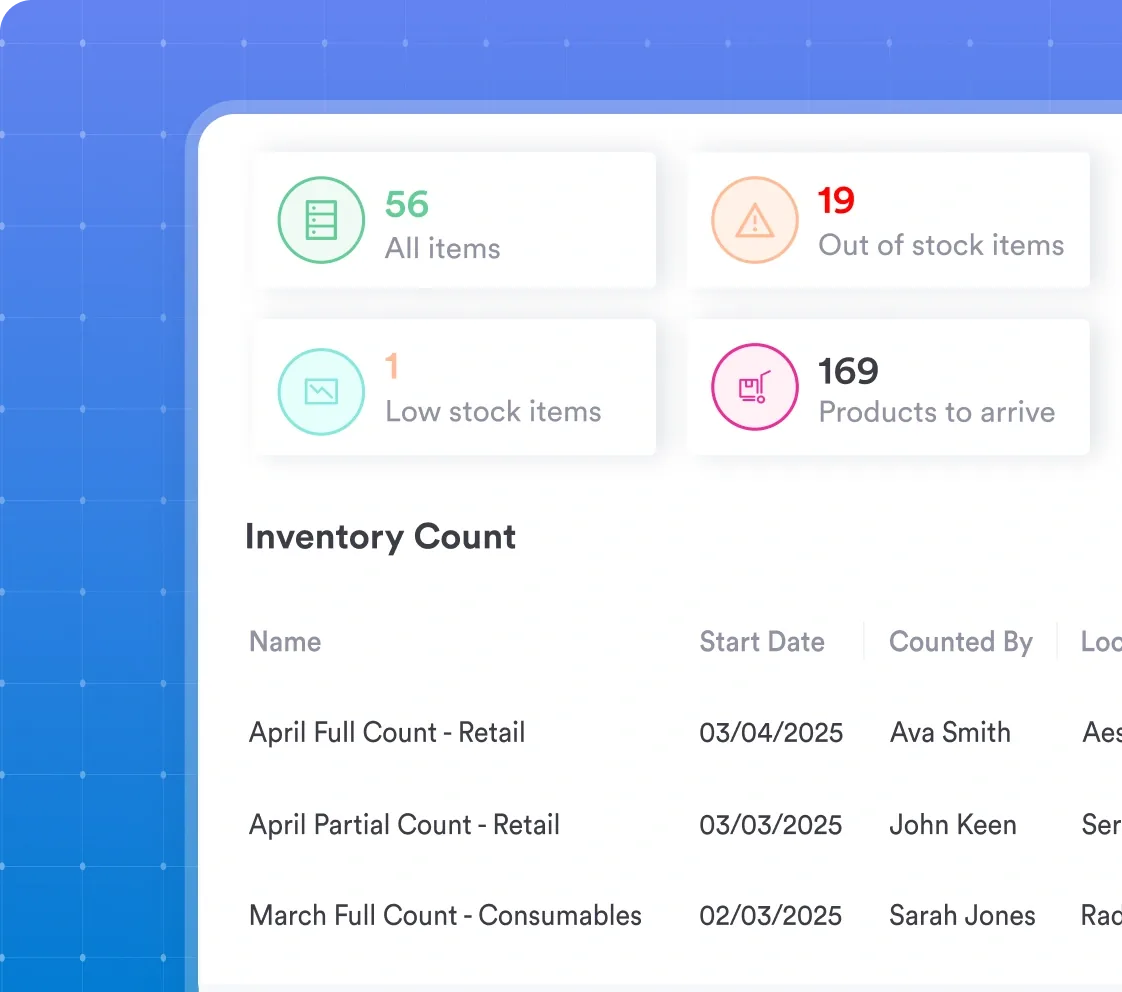
Verify your dispensed NDC against the claim’s HCPCS code before submission. A mismatch between the NDC on the dispensing label and the billed HCPCS code is one of the most common reasons buy-and-bill claims for goserelin are rejected at the payer’s drug edit system. Always pull the NDC from the actual vial label, not from a reference sheet.
In practice, one billable unit of J9202 equals exactly 3.6 mg. For the standard monthly implant, bill 1 unit per administration. Never bill fractional units or attempt to report the 10.8 mg three-month depot as 3 units of J9202. That formulation has its own HCPCS code, and billing it as three J9202 units therefore constitutes a coding error.
As a result, integrating your drug administration records with prescription management software that captures dose, lot number, and administration date reduces transcription errors when building the claim.

Medicare Part B reimburses J9202 under the buy-and-bill model. Reimbursement is based on the drug’s Average Sales Price (ASP) plus a 6% add-on, which is the standard Medicare Part B drug payment methodology. CMS updates ASP-based rates quarterly, so the exact payment amount changes four times per year.
To find the current quarter’s ASP payment limit for J9202, use the CMS Physician Fee Schedule lookup tool or CMS’s quarterly ASP drug pricing files. The payment amount varies by geographic location due to the geographic practice cost index (GPCI) adjustments applied to the practice expense component.
Specifically, ASP is a weighted average of a manufacturer’s net selling prices to all US purchasers, minus certain discounts and rebates. CMS sets the Medicare payment rate at ASP + 6%. Consequently, practices that acquire Zoladex at acquisition cost below ASP may retain the margin between acquisition cost and the Medicare payment rate. This margin is the economic foundation of the buy-and-bill model for oncology drugs.
In contrast, WAC (Wholesale Acquisition Cost) and AWP (Average Wholesale Price) are higher benchmarks often cited by commercial payers. When contracting with commercial insurers, therefore, verify whether the contract reimburses at ASP, WAC, AWP, or a percentage of AWP. These distinctions directly affect your practice’s reimbursement margin on goserelin.
Medicare pays different rates depending on where the drug is administered. For example, office settings (place of service 11) typically receive a higher facility-versus-non-facility distinction adjustment than hospital outpatient departments (place of service 22) for certain services. As a result, confirm the applicable rate for your place of service code on the CMS fee schedule lookup.

Pabau helps oncology and urology practices track drug administration, wastage, NDC codes, and payer authorizations. Reduce claim denials and keep your revenue cycle running.

Several modifiers may apply to J9202 claims depending on the clinical scenario. Getting modifier selection wrong is one of the most common denial causes for Part B drug claims.
The JW modifier reports the amount of a drug discarded from a single-dose vial or package. Specifically, CMS requires providers to report discarded amounts using JW on a separate line. For J9202, which is a single-dose implant, wastage is rare but can occur if the implant is damaged or withdrawn but not administered. In that case, the JW line uses the same HCPCS code (J9202) with the amount discarded in units.
Effective January 1, 2023, CMS requires providers to append the JZ modifier when there is no discarded drug from a single-dose vial. Therefore, for a J9202 claim where the full 3.6 mg implant is administered with zero waste, the claim line requires JZ. Failing to append either JW or JZ when CMS requires it will result in a claim edit under the agency’s JW/JZ enforcement policy. Furthermore, CMS explicitly lists J9202 in the JW/JZ Modifier Policy HCPCS Codes document.
As a result. Instead of applying modifiers after the fact, build modifier selection into your billing workflow from the start.
Set up a modifier checklist tied to J9202 in your billing system. For every J9202 claim, the biller should confirm: (1) JW or JZ is appended, (2) the administration code is billed separately, (3) a valid ICD-10 primary diagnosis code is attached, and (4) prior authorization is on file if required by the payer. This four-point check catches the most common denial triggers before submission.
Coverage for J9202 varies by payer and plan year. Medicare follows the guidance in CMS Article A52453, which establishes limited coverage for LHRH analogs including J9202 tied to the covered ICD-10 codes listed above. Commercial payers may use their own medical policies that differ from CMS guidance.
Under Medicare Part B, J9202 is covered when administered for a diagnosis listed in CMS Article A52453. Medicare coverage is “limited coverage,” meaning the claim must carry one of the approved primary ICD-10 codes. Payers will deny claims submitted without a covered diagnosis code as not medically necessary. CMS maintains the article in the Medicare Coverage Database — check it at the start of each plan year for updates.
Many commercial payers require prior authorization for J9202, particularly for breast cancer and endometriosis indications. Prostate cancer typically has a more straightforward approval pathway, but authorizations still expire and must be renewed with each treatment cycle in many plans. Contact payer provider relations or check the payer’s online authorization lookup to confirm requirements before scheduling administration.
UHC’s published NDC packaged-drugs policy confirms maximum units per claim for J9202. Evicore’s Medical Oncology Master Drug List (effective Q2 2025) classifies J9202 under Medical Oncology as a Primary LHRH drug, meaning Evicore-managed plans may require managed oncology authorization review.
When a patient’s therapy changes or a payer substitutes a different LHRH analog, you will need the correct HCPCS code for that drug. The LHRH analog code family includes:
Never substitute one LHRH analog HCPCS code for another. Each code maps to a specific drug and dose. Submitting J9202 when a different LHRH analog was administered is a coding error subject to audit correction. Robust digital intake and administration forms that capture the exact drug name, NDC, and dose at the point of care help prevent substitution errors from reaching the billing team.
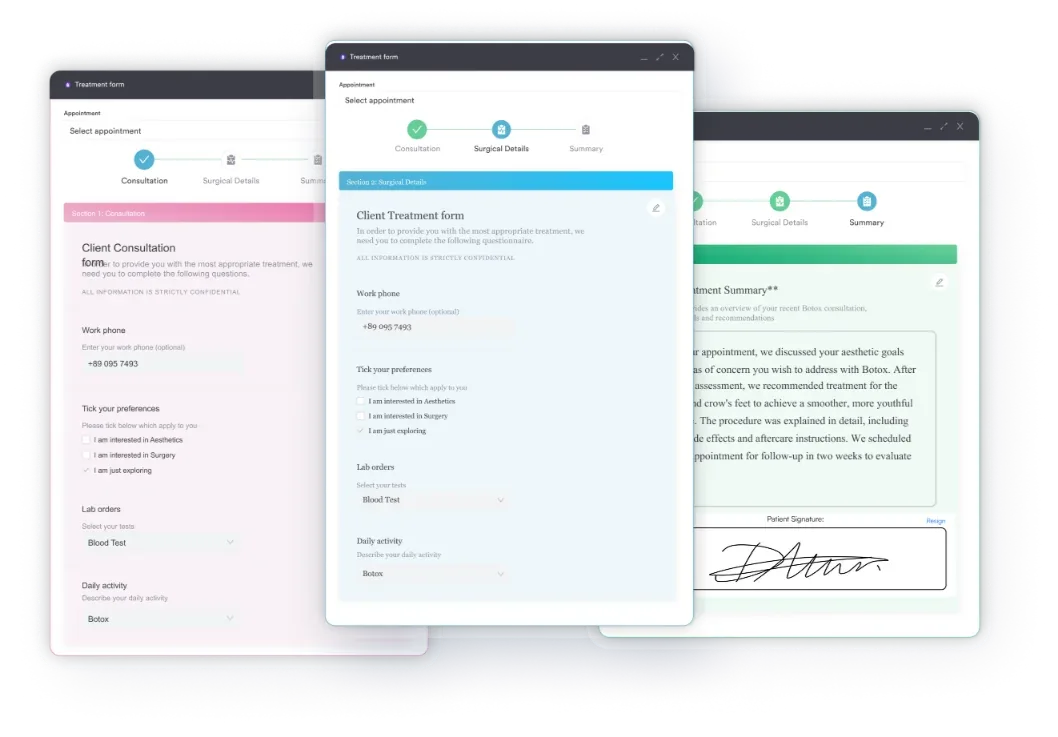
Oncology and urology practices with high J9202 volume benefit from a structured billing workflow. In particular, the following steps reduce denial rates:
Using practice management software that connects clinical documentation, drug administration records, and billing in one system significantly reduces the gap between administration and claim submission. Moreover, delays in submission increase the risk that authorization numbers expire or payer policies change before the claim is processed.
HCPCS Code J9202 billing requires precision at every step: the correct dose, the correct NDC, the correct ICD-10 primary diagnosis, and the mandatory JW or JZ modifier. In other words, one missing element is enough to trigger a denial on a drug that may cost hundreds of dollars per administration.
Pabau’s claims management software gives oncology and urology practices a connected workflow from drug administration through claim submission, reducing the coding gaps that drive J9202 denials. To see how Pabau supports billing accuracy across your practice, book a demo.

Coding burns by body surface area? burn surface area coding ICD-10 Code T31.11 covers burns involving 10 to 19 percent of total body surface area with matching third-degree involvement.
Coding burns covering half the body? major burn surface area code ICD-10 Code T31.52 covers burns involving 50 to 59 percent of total body surface area.
Coding burns with deeper third-degree involvement? extensive third-degree burn coding ICD-10 code T31.54 covers burns involving 50 to 59 percent of body surface with 40 to 49 percent third degree.
HCPCS Code J9202 is the Level II billing code for goserelin acetate implant, per 3.6 mg (brand name Zoladex). It is a GnRH agonist classified under HCPCS Chemotherapy Drugs (J9000-J9999) and is used for hormonal suppression in prostate cancer, breast cancer, endometriosis, and uterine fibroids.
J9202 covers goserelin acetate implant at the 3.6 mg dose (Zoladex), manufactured by TerSera Therapeutics LLC. The 10.8 mg three-month depot formulation uses a different HCPCS code and must never be billed under J9202.
One billable unit of J9202 equals 3.6 mg. For a standard monthly implant, bill 1 unit per administration. Do not report the 10.8 mg depot as 3 units of J9202; that formulation has its own separate code.
CMS requires either the JW modifier (to report discarded drug) or the JZ modifier (to confirm zero waste) on every J9202 claim. J9202 is explicitly listed in the CMS JW/JZ Modifier Policy HCPCS Codes document. Additional modifiers such as GY, GA, or 59 may apply depending on payer requirements and clinical circumstances.
Prior authorization requirements vary by payer. Medicare Part B follows the limited coverage guidelines in CMS Article A52453 without a blanket prior authorization requirement, but many commercial payers require PA for breast cancer and endometriosis indications. Evicore-managed oncology plans may also require managed review. Always verify with the specific payer before administering the drug.