CCSD code H4430: Examination of rectum under anaesthetic
CCSD code H4430 pays for the examination alone CCSD code H4430 is the UK private...

Last Updated: Oct 20, 2026
B4172 is the HCPCS Level II code for parenteral nutrition solution; amino acid, 5.5% through 7%, (500 ml = 1 unit) - home mix.
Parenteral nutrition billing gets denied more than almost any other DME claim category. The concentration thresholds in the B-code series are narrow, the modifier requirements are strict, and the documentation checklist is long.
One wrong code selection between B4172 and an adjacent B-code can trigger an immediate denial with no path to appeal without corrected records.
Let Pabau's smart automation suggest the right codes, reduce claim denials, and keep your practice compliant—effortlessly.
Automate repetitive tasks and focus on what matters most—your patients.
Reduce coding errors and ensure compliance with the latest regulations.
Clean claims, fewer denials, and faster reimbursements.
Powerful insights and reporting to help your practice thrive.
HIPAA compliant SOC 2 certified GDPR-compliant Trusted by 4,000+ clinics worldwide

HCPCS Code B4172 covers home-mix parenteral nutrition solution with amino acid concentration from 5.5% through 7%, billed in 500 ml units (1 unit = 500 ml).
B4172 is a Level II HCPCS B-code billed through DME MACs, not standard Part A or Part B MACs.
The KX modifier is typically required on B4172 claims to attest that Medicare coverage criteria are met; missing it is the leading denial cause.
Practice management software like Pabau runs pre-submission validation on claims, flagging missing details before they reach the payer to help reduce denials.
HCPCS Code B4172 is the Level II HCPCS code for a home-mix parenteral nutrition (PN) solution containing amino acids at a concentration of 5.5% through 7%, billed in units of 500 ml (1 unit = 500 ml).
It falls within the Enteral and Parenteral Therapy category of the HCPCS B-code series, which covers supplies and nutrients for patients who cannot absorb nutrition through the gastrointestinal tract.
The long descriptor is: Parenteral nutrition solution; amino acid, 5.5% through 7%, (500 ml = 1 unit) – home mix. The short descriptor is: Parenteral sol amino acid 5.
According to the Centers for Medicare and Medicaid Services (CMS) HCPCS overview, HCPCS Level II codes like B4172 are maintained annually and updated each January. Billers should verify the code remains active in the current year’s official CMS HCPCS release before submitting claims.
B4172 is reimbursed under the DMEPOS (Durable Medical Equipment, Prosthetics, Orthotics, and Supplies) fee schedule, not the Physician Fee Schedule. The allowed amount for B4172 reflects the prosthetic pricing indicator assigned to the B-code series.
The specific Medicare allowed amount varies by jurisdiction and is updated in the annual CMS DMEPOS fee schedule release. Always verify the current allowed amount directly from the CMS fee schedule tool or your DME MAC’s published fee schedule before billing, as third-party figures may lag behind official updates.
Key reimbursement facts for B4172:
For jurisdiction-specific allowed amounts, contact your DME MAC directly: Noridian Healthcare Solutions administers Jurisdictions A and D, and CGS Administrators administers Jurisdictions B and C.
The home-mix amino acid series for parenteral nutrition covers four HCPCS codes, B4168 through B4178, each tied to a specific concentration range, with 500 ml equal to 1 billing unit.
Selecting the wrong code is the most common claim denial in this category. The concentration used for code selection is the amino acid concentration of the compounded home-mix solution.
That rule applies to home-mix solutions only. When the pharmacy supplies a finished premix, the daily protein dose sets the code instead, as it does for B4189.
Related home-mix codes outside the amino acid series cover the other components of a compounded PN solution: carbohydrates/dextrose (B4164 for 50% or less, B4180 for greater than 50%) and lipids (B4185 and B4187, billed per 10 grams of lipid rather than by unit of volume).
These are separately billable alongside the amino acid code when a home-mix formula is used.
B4172 applies to solutions compounded with an amino acid concentration anywhere from 5.5% through 7%, so a 6% solution is billed correctly under B4172.
A solution compounded above 7%, up to 8.5%, must be billed under B4176, not B4172; billing B4172 for that higher-concentration solution is a coding error. The AAPC Codify HCPCS lookup provides cross-referenced descriptions for each code in this series to support correct selection.
The billing structure for standalone infusion administration follows a similar logic.
Every B4172 claim requires a supporting ICD-10-CM diagnosis code that establishes medical necessity. The accepted diagnoses are those recognized under the DME MAC’s Parenteral Nutrition – Correct Coding and Billing policy article for home parenteral nutrition.
Payers vary, but the following codes are most commonly accepted on B4172 claims.
The ICD-10 codes listed above reflect commonly accepted pairings, but your DME MAC’s current policy article governs which diagnoses are covered in your jurisdiction. Always verify against the current policy article before billing.
Accepted diagnosis codes vary by payer and are subject to policy updates. Practices delivering ongoing nutritional support.
See also resources on IV therapy clinic setup for broader clinical context on parenteral nutrition service delivery.
With built-in inventory tracking, every dressing or catheter billed under these codes matches recorded stock movement.
Medicare covers home parenteral nutrition under the prosthetic device benefit (Part B), not the drug benefit (Part D). The National Coverage Determination that historically governed this benefit, NCD 180.2 (Enteral and Parenteral Nutritional Therapy), was retired effective January 1, 2022.
CMS determined that no national coverage determination was appropriate, so coverage decisions are now made by the DME MACs directly.
For B4172 to be covered, the patient must meet the medical necessity criteria set out in the DME MAC’s Parenteral Nutrition – Correct Coding and Billing policy article, which still applies the reasonable-and-necessary framework from the retired NCD.
The core eligibility criteria are:
For guidance on establishing a compliant infusion service and meeting these criteria operationally. Suppliers should also confirm their enrollment status with the National Supplier Clearinghouse (NSC), as unenrolled suppliers cannot bill DME MACs for parenteral nutrition codes.
Patients with short bowel syndrome following resection may also require separately billed ostomy supplies.
Missing or incomplete documentation is the second most common cause of B4172 claim denials, after wrong code selection. The DME MAC will request records on post-payment review, and insufficient documentation results in recoupment even if the service was clinically appropriate.
Required documentation for every B4172 claim includes:
Using IV therapy intake forms at the point of clinical assessment helps capture the required data before billing, rather than assembling records retrospectively when a DME MAC requests them.
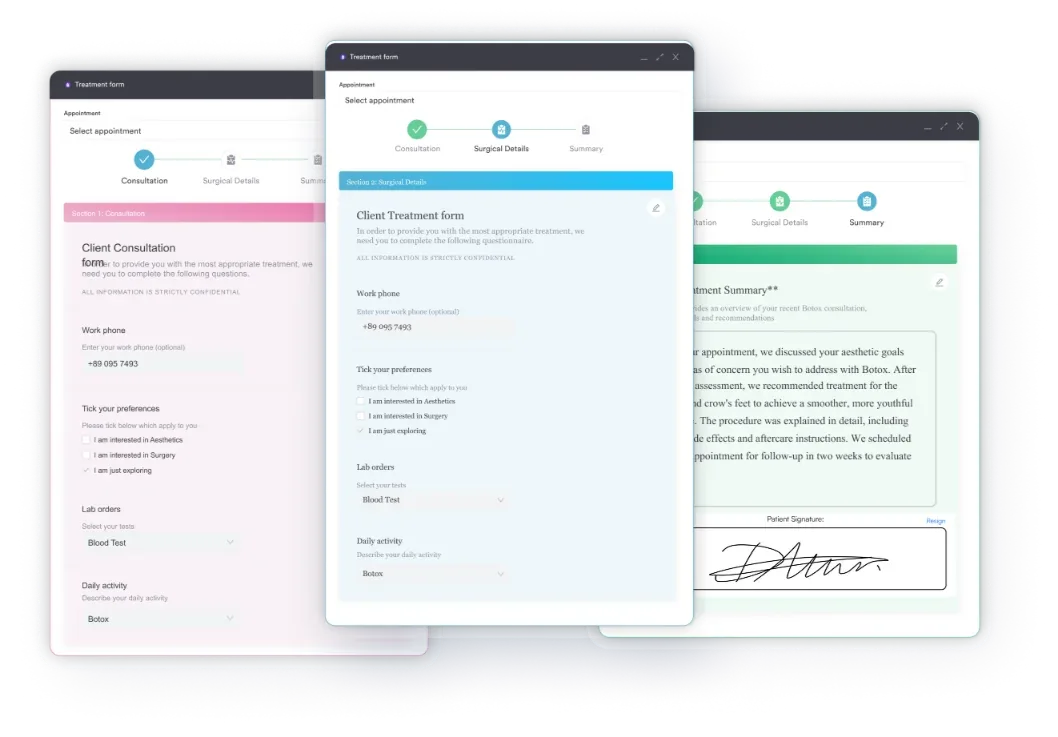
Modifiers for B4172 are not optional. DME MAC policy articles specify which modifiers are required, and a claim submitted without the correct modifier will deny or be flagged for review. Verify applicable modifiers against your jurisdiction’s current policy article before submitting.
The KX modifier is required when the supplier has documentation on file confirming the patient meets the DME MAC policy article’s coverage criteria. Submitting B4172 without the KX modifier when criteria are met is a billing error, not just a technicality.
It results in an automatic denial that requires a corrected claim to resolve. The CMS Parenteral Nutrition article sets out the current modifier and coverage requirements DME MACs apply to B-code claims.
Review your DME MAC’s policy article for parenteral nutrition at least annually. Modifier requirements, covered diagnoses, and documentation checklists change with each policy revision. A modifier that was optional in 2024 may be mandatory in 2026, and a missed update is a claim denial waiting to happen.
The B-code parenteral nutrition series has a higher-than-average denial rate in DMEPOS billing, partly because the concentration thresholds between codes are narrow and the documentation requirements are rigorous. These are the errors that generate the most denials on B4172 claims.
Practice management software with built-in claims validation flags missing details and inconsistencies before a claim goes out, catching the error before a denial is issued rather than after.
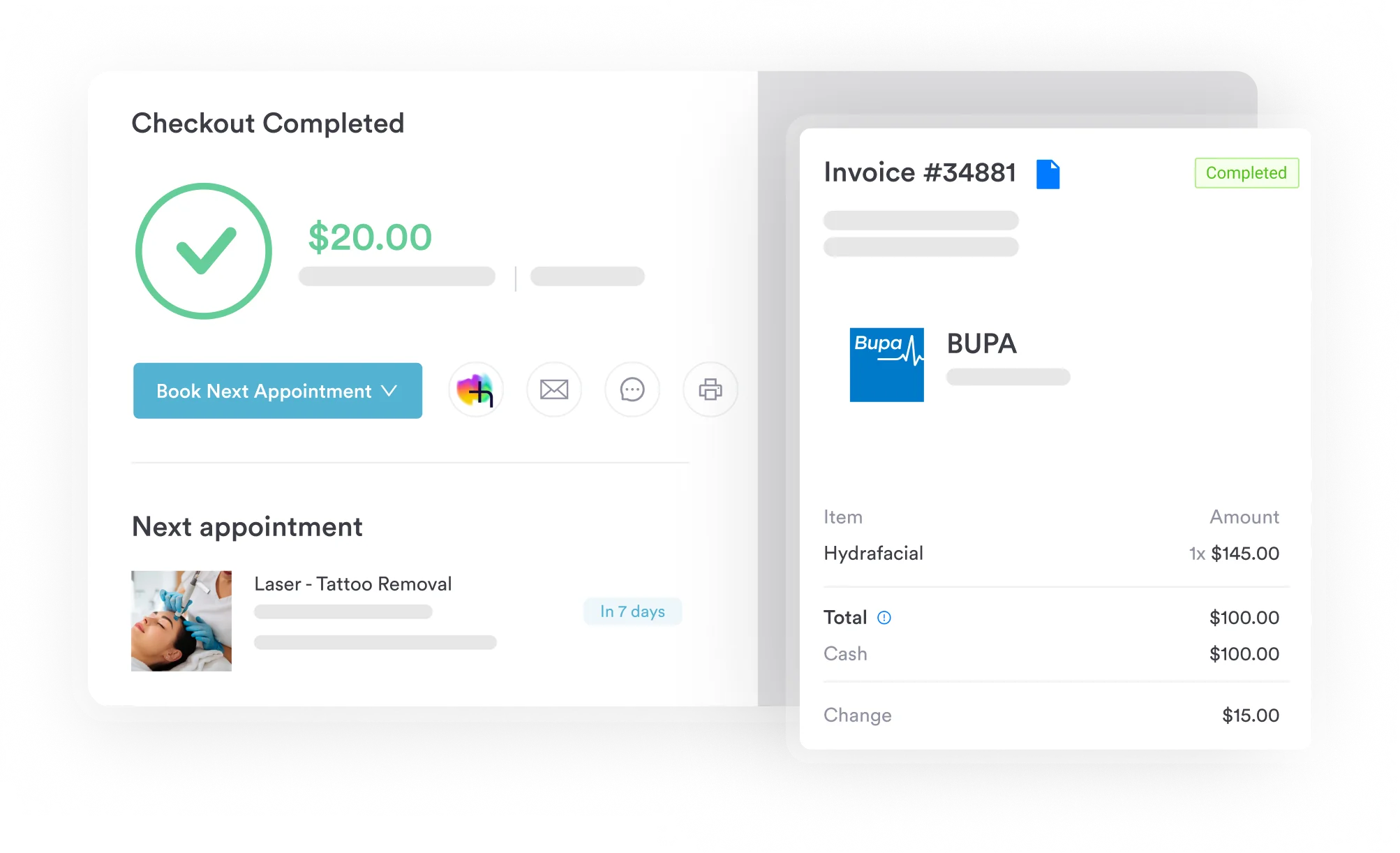

Pabau’s claims management tools validate claims before submission, flagging missing details so problems get caught before they turn into denials. See how infusion and DME providers use Pabau to keep denial rates low.

Home infusion parenteral nutrition billing involves more pre-submission steps than most DMEPOS claim types. Before a claim goes out, the supplier must:
Manual processes across these steps create multiple points of failure.
Practice management and billing software built for infusion providers addresses each step in the workflow:
For practices that also provide mobile or practice-based infusion services.
Pabau’s claims management software brings pre-submission validation, documentation capture, and claim tracking into a single workflow, rather than requiring separate tools for each step.
B4172 denials are rarely random. They follow predictable patterns: wrong concentration code, missing KX modifier, insufficient documentation, or incorrect billing units. Each of these is preventable with the right pre-submission checks in place.
Pabau’s claims management software validates these claims before submission, helping infusion providers and DME suppliers catch issues early and reduce denial rates without adding manual review steps. To see how it works for your billing team, book a demo.

Billing an infliximab biosimilar infusion? infliximab biosimilar billing guide covers the 10 mg unit math and modifiers for billing this Renflexis infusion.
HCPCS Code B4172 is used to bill a home-mix parenteral nutrition solution containing amino acids at a concentration of 5.5% through 7%, billed in units of 500 ml (1 unit = 500 ml). It is submitted by DME suppliers providing home parenteral nutrition to Medicare beneficiaries whose digestive tracts cannot absorb sufficient nutrition through oral or enteral feeding.
B4172 is billed per unit of 500 ml or fraction thereof. Suppliers must convert the total volume delivered into billing units before submitting the claim. Billing the total ml volume as-is, without converting to units, is a common error that triggers overpayment demands on post-payment audit. Box-by-box requirements on the professional claim form change by payer, so one filled sample is not a universal template.
The KX modifier is required on most B4172 claims to attest that the DME MAC’s policy article coverage criteria have been met. The GA modifier applies when an Advance Beneficiary Notice is on file and coverage is uncertain. GY is used when the item is not covered and no ABN was obtained. Verify the current modifier requirements with your DME MAC’s policy article, as requirements may change annually.
B4172 covers home-mix amino acid solutions compounded from 5.5% through 7%. B4176 covers solutions compounded from 7% through 8.5%. The difference is the compounded amino acid concentration of the prepared solution. A solution at 6% is billed correctly as B4172; a solution at 7.5% must be billed as B4176, not B4172, and doing so is a coding error that results in a claim denial if pharmacy records show the actual concentration.
Yes. Medicare Part B covers home parenteral nutrition under the prosthetic device benefit, not Part D. B4172 claims are processed by DME MACs, not Part A or standard Part B MACs. Billing B4172 to a Part D plan is a coverage error and results in a denial.
Required documentation includes a signed physician order specifying the PN solution type and concentration, medical necessity information (diagnosis, expected duration, and clinical basis) documented in the physician’s order and medical record, supporting laboratory values, medical records documenting the underlying GI or malabsorption diagnosis, the compounding pharmacy’s infusion plan, and proof of delivery confirming the solution reached the patient. The Certificate of Medical Necessity (CMN) and DME Information Form (DIF) were discontinued effective January 1, 2023; suppliers no longer submit these forms, but the same information must still be documented. All records must be on file before the claim is submitted. For a structured approach, see guidance on IV therapy intake forms.
The most common errors are selecting the wrong B-code based on concentration (for example, billing B4172 for a solution compounded above 7%, which belongs under B4176), submitting the claim without the KX modifier when coverage criteria are met, converting billing units incorrectly, and having incomplete documentation on file at the time of submission. Each of these errors triggers a denial that requires a corrected claim or formal appeal to resolve. The PGM Billing HCPCS lookup tool can help verify code descriptions before submission.