



CCSD code G5100: Bypass of duodenum billing guide
CCSD code G5100 bills a bypass that leaves the duodenum in place CCSD code G5100...

Last Updated: Oct 16, 2026

CCSD Code Y3811 describes complex removal of an indwelling pleural catheter (IPC) performed by a consultant in UK private healthcare.
The procedure is classified as minor by Freedom Health Insurance, which reimburses Y3811 at £130.00 as of 1 April 2026.
Y3811 is strictly consultant-only: claims submitted by non-consultant grades risk rejection by Bupa, Allianz Care, and other major UK insurers.
Pabau’s claims management software supports CCSD code workflows, helping UK private clinics submit Y3811 claims accurately and reduce rejections.
Most claim rejections for pleural catheter removal come down to one issue: the wrong grade of clinician is documented on the invoice. CCSD Code Y3811 has an explicit consultant-only restriction, and insurers verify this. Miss it, and the claim bounces. This guide covers everything UK private healthcare consultants and billing teams need to know to bill Y3811 correctly the first time, including insurer fee schedules, documentation requirements, and common rejection triggers.
CCSD Code Y3811 is the procedure code assigned to the complex removal of an indwelling pleural catheter (IPC) performed by a consultant, as defined in the CCSD Technical Guide (October 2025). It sits within the Clinical Coding and Schedule Development (CCSD) Group’s schedule of procedures, which is the industry standard for procedure coding across UK private healthcare insurers.
An indwelling pleural catheter is a soft, flexible tube placed percutaneously into the pleural space to allow ongoing drainage of fluid in conditions such as malignant pleural effusion. Removal becomes necessary when drainage ceases to be clinically beneficial, when the patient opts to discontinue management, or when complications arise at the insertion site.
The complex designation in Y3811 is clinically significant. Simple IPC removal, where the catheter is withdrawn without complication, may attract a different code or no separate procedural code at all depending on the insurer’s schedule. Y3811 applies when the removal involves additional clinical complexity, such as a retained or partially embedded catheter, tunnelled tract complications, or significant wound management after removal. Consultants must document the specific complexity clearly in the clinical notes to support the Y3811 claim.
For UK private practices managing respiratory or thoracic procedures, having a reliable records system is essential. Pabau’s claims management software supports CCSD-coded workflows, allowing consultants and billing teams to attach procedural codes directly to patient records and submit invoices to insurers electronically.
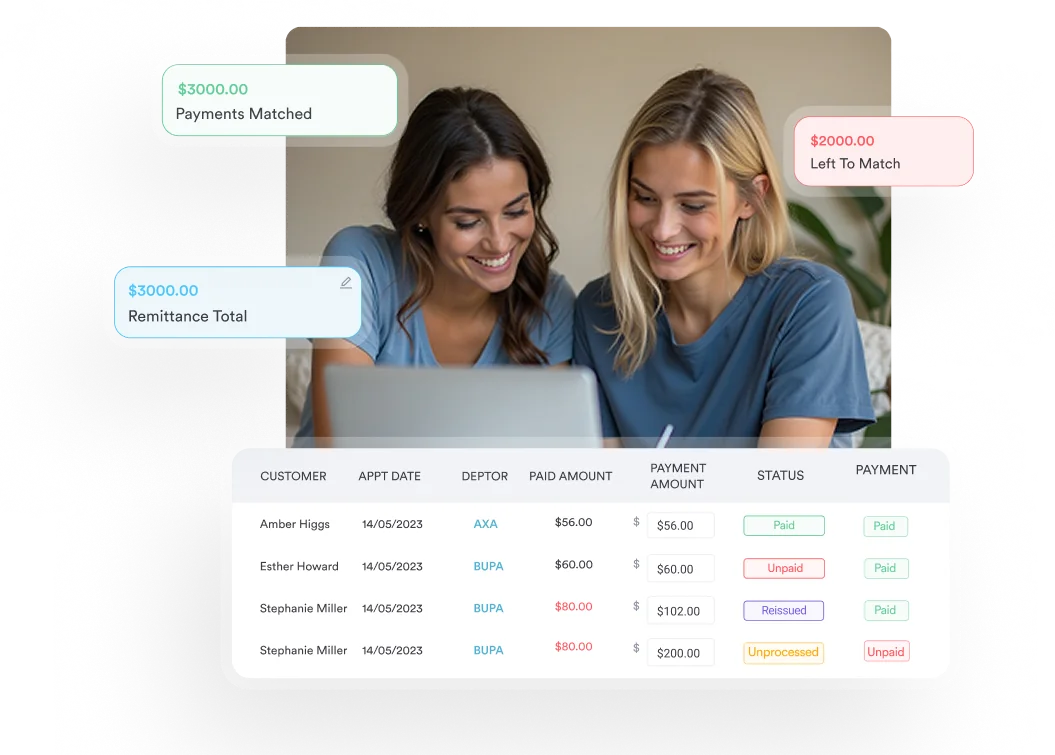
Reimbursement for Y3811 varies by insurer. Published fee schedules from major UK private medical insurers (PMIs) give the clearest indication of what to expect, though rates are subject to annual revision and individual consultant recognition agreements.
Freedom Health Insurance is currently the only major UK insurer with a publicly available, verified fee for Y3811 at £130.00 (minor procedure category, effective 1 April 2026, no anaesthetist element). Bupa rates require a login at the Bupa code search portal and may differ under individual consultant recognition agreements. Always verify directly with each insurer before invoicing, as rates can change with annual schedule updates.
Indwelling pleural catheters are placed for patients with recurrent pleural effusions, most commonly in the context of malignant disease. Once in situ, the IPC allows the patient or a community nurse to drain fluid at home, reducing repeat hospital admissions. The catheter typically remains in place for weeks to months.
Removal becomes clinically appropriate in several scenarios.
Fluid drainage reduces to a clinically insignificant volume, indicating the pleural space has obliterated. Removal is then appropriate and desirable.
In palliative settings, the patient may choose to discontinue IPC management as part of end-of-life care planning.
Infection at the tunnel site, catheter fracture, or blockage may necessitate removal before pleurodesis is achieved.
Occasionally, progression of the underlying condition changes the risk-benefit calculation for continued drainage.
The complex removal element of CCSD Code Y3811 specifically captures cases where removal is not straightforward. A simple uncomplicated removal, where the catheter slides out cleanly, may not meet the threshold for Y3811 in all insurer interpretations. Complexity arises when the catheter is adherent to surrounding tissue, when the tunnelled tract requires wound exploration, or when local anaesthetic infiltration and wound closure are required beyond standard technique. Consultants billing Y3811 should record the clinical findings that justify the complexity designation at the time of the procedure. Diagnosis pointers on the claim form link each service line to the diagnosis that justifies it.
Understanding these nuances matters particularly for respiratory consultants leaving the NHS for private practice, where private insurer coding expectations differ significantly from NHS tariff structures.
Document the complexity at the time of the procedure, not retrospectively. Note the specific clinical findings that made removal complex: catheter adherence, tunnel involvement, wound closure requirements, or local anaesthetic use beyond routine. Insurers may request clinical notes to validate a Y3811 claim, and contemporaneous documentation is significantly stronger than an addendum.
If you bill private insurers regularly, tightening up how you run your private practice pays off every time a schedule changes.
Accurate billing for Y3811 follows a straightforward sequence, but each step matters. Errors at any stage can delay payment or trigger rejection.
Using automated billing workflows can reduce the manual effort involved in steps 3 through 5 considerably, especially for practices managing multiple consultants and high claim volumes. For practices building out their private billing capability.
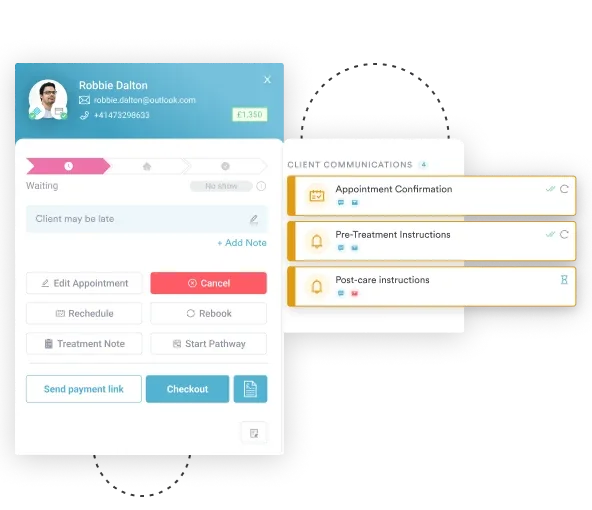

Pabau helps UK private clinics manage CCSD-coded procedures, from attaching codes to patient records to submitting claims electronically. See how Pabau handles the billing workflow for consultant procedures.

Y3811 claims fail for predictable reasons. Knowing these in advance prevents most rejections before they happen.
This is the single most common rejection trigger. The CCSD Technical Guide and individual insurer fee schedules are explicit: Y3811 is performed by a consultant. If the procedure is carried out by a registrar, specialty doctor, or other non-consultant grade, Y3811 does not apply. Billing Y3811 under these circumstances constitutes a coding inaccuracy and may be treated as fraud under insurer audit. Always ensure the invoicing clinician is the one who performed the procedure, and that they hold valid consultant recognition with the insurer.
Insurers can and do request clinical notes to validate the complexity claim. If the notes say only “IPC removed” without recording what made the removal complex, the insurer may downcode or reject. The clinical record must capture the specific findings. This is particularly relevant for practices building features that save private practices time into their documentation workflows, where templated notes might inadvertently omit complexity detail.
Some practices obtain pre-authorisation for the IPC insertion but fail to seek separate authorisation for removal. Insurers treat insertion and removal as distinct procedural episodes. Confirm that the authorisation specifically covers the removal, and verify the authorisation has not expired if significant time has elapsed between authorisation and the procedure date.
The same split applies in neurosurgery. When a shunt is removed and replaced in one episode, A1430 and the insertion code each need a pre-authorisation reference.
When the IPC removal is performed during the same outpatient attendance as a new or follow-up consultation, insurers have varying rules about whether both can be billed. Some insurers allow both; others apply a deduction or disallow the consultation element. Check the specific insurer’s unbundling policy before combining Y3811 with any consultation code. Good compliance requirements for UK clinics apply equally to respiratory and thoracic billing workflows.
The same bundling question applies to other removal codes. 20143 covers removal of an implantable ECG loop recorder with the reporting element included, so a separate report line is denied.
Set a quarterly reminder to download and review each insurer’s updated fee schedule. Freedom Health Insurance, Allianz Care, and other UK PMIs revise their CCSD-based schedules periodically, sometimes mid-year as well as annually. Rates verified in January may not reflect the current position by October. A 15-minute schedule audit each quarter prevents billing at stale rates.
Y3811 sits within a broader family of CCSD codes covering pleural interventions. Understanding the adjacent codes helps billing teams select the correct code and avoid the common mistake of applying Y3811 to a procedure that falls under a different narrative.
Consultants who regularly perform pleural procedures will benefit from reviewing the full Bupa procedure codes fee schedule and the equivalent schedules from each insurer they are recognised with. The CCSD schedule is accessible to registered members via ccsd.org.uk. For any code where the clinical narrative does not precisely match the procedure performed, contact the relevant insurer’s provider relations team before submitting.
Practices managing multiple procedural codes across a consultant roster will find that structured practice management software with built-in CCSD code libraries reduces selection errors at the point of invoicing. For UK private healthcare data compliance obligations. For broader private practice operations.
CCSD Code Y3811 is a narrow, tightly defined code. Get the consultant grade right, document the complexity at the time of the procedure, and verify pre-authorisation with each insurer before the appointment. Those three steps resolve the majority of rejections before they happen.
For UK private clinics managing CCSD-coded respiratory procedures, Pabau’s claims management tools allow coding, documentation, and invoice submission to be handled in one place, reducing the manual steps between procedure and payment. To see how Pabau handles CCSD billing workflows, explore our digital forms for clinical documentation or book a demo.

Billing surgical tray supply claims? HCPCS code A4550 billing guide explains why surgical tray claims are often denied or bundled into the global surgery payment.
Billing non-sterile glove supplies? HCPCS code A4927 billing guide covers Medicare coverage verification and VA reimbursement rates for non-sterile glove supplies.
Billing sterile glove pairs? HCPCS code A4930 billing guide covers billing sterile gloves per pair within the supply codes used for renal care.
CCSD Code Y3811 is the UK private healthcare procedure code for the complex removal of an indwelling pleural catheter performed by a consultant. Major UK insurers including Bupa, Freedom Health Insurance, and Allianz Care use it to identify and reimburse this intervention in their CCSD-based fee schedules.
IPC removal involves withdrawing the tunnelled catheter from the pleural space. Y3811 applies when additional steps are needed, such as managing catheter adherence, wound exploration of the tunnel tract, or wound closure with local anaesthetic.
Submit via Healthcode or the Bupa provider portal, including the consultant’s recognition number, the patient’s membership number, the pre-authorisation reference, and Y3811 as the procedure code. Verify the current fee at codes.bupa.co.uk before invoicing.
Simple removal is straightforward catheter withdrawal with minimal intervention. Complex removal under Y3811 requires additional steps such as managing an adherent catheter, tunnel tract exploration, or formal wound closure — and must be documented clearly to avoid insurer downcoding.
Freedom Health Insurance lists Y3811 at £130.00 (minor category, effective 1 April 2026). Bupa, Allianz Care, and other CCSD-adopting insurers are expected to recognise the code, but rates must be verified directly with each insurer before invoicing.



