CCSD code L6530: Revision femoral bypass graft
CCSD code L6530: Definition and clinical scope CCSD code L6530 carries the offic...

Last Updated: Nov 13, 2026
N2842 is the CCSD code for frenuloplasty of penis.
Let Pabau's smart automation suggest the right codes, reduce claim denials, and keep your practice compliant—effortlessly.
Automate repetitive tasks and focus on what matters most—your patients.
Reduce coding errors and ensure compliance with the latest regulations.
Clean claims, fewer denials, and faster reimbursements.
Powerful insights and reporting to help your practice thrive.
HIPAA compliant SOC 2 certified GDPR-compliant Trusted by 4,000+ clinics worldwide

CCSD code N2842 covers frenuloplasty of the penis: surgical lengthening or reshaping of the penile frenulum, not complete excision
Frenulum breve and recurrent frenular tears are the primary indications; pair N2842 with the appropriate ICD-10 code for the documented diagnosis
Billing N2842 alongside a circumcision code on the same date requires a clearly documented separate clinical indication or claims will be denied for bundling
Pabau’s clinical documentation and billing tools help practices link CCSD codes to procedure records and generate compliant medical aid invoices
CCSD code N2842 is the billable procedure code for frenuloplasty of the penis, a surgical operation in which the penile frenulum is released, reshaped, or lengthened without complete removal. The frenulum is the small band of tissue on the underside of the glans penis that connects the prepuce (foreskin) to the glans. When that band is abnormally short (frenulum breve) or scarred, it restricts movement, causes pain during intercourse, or is prone to tearing. Frenuloplasty corrects the problem by rearranging the existing tissue rather than excising it.
Under the CCSD tariff system, N2842 sits within the chapter covering procedures of the penis and prepuce. It is a day-theatre procedure in most cases, performed under local or regional anaesthesia by a urologist or plastic surgeon. The CCSD code reference guide published by Pabau covers adjacent urological and prepuce codes that practices billing in this chapter should also familiarise themselves with.
A frenuloplasty of the penis involves making one or more incisions in the frenulum to relieve the restriction and then closing the wound in a configuration that leaves the frenulum longer and more pliable. The two most commonly described techniques in urological practice are Z-plasty and V-Y advancement plasty, both of which redistribute tissue rather than remove it.
The procedure is typically performed in a day theatre or procedure room under local anaesthetic, taking 20 to 40 minutes. Because the frenulum is preserved and lengthened rather than excised, healing is generally straightforward and post-operative care is managed within the global period bundled into N2842. Men’s health clinic software that supports structured operative note templates helps ensure technique documentation is captured correctly at the time of surgery, reducing retrospective record requests from medical aids.
Medical aids will only reimburse N2842 when the operative note and clinical record document a clear clinical indication for the procedure. The most common indications are listed below alongside the ICD-10 code that most precisely describes each condition.
Phimosis (tight foreskin) is sometimes the presenting complaint, but N2842 is the correct code only when the surgical solution targets the frenulum specifically. If the operative plan addresses prepuce tightening without frenular reshaping, a different CCSD code applies. The clinical indication must match the code billed.
Every N2842 claim submitted to a South African medical aid requires a paired ICD-10 diagnosis code. The table below lists the ICD-10 codes most commonly linked to frenuloplasty claims, with guidance on when each applies. Final code selection remains the clinician’s responsibility; use this table as a reference, not a protocol.
Consult the WHO ICD-10 browser to verify the most current descriptor and hierarchy for each code before submission. Medical aid systems in South Africa use ICD-10 as the diagnosis coding standard under the Medical Schemes Act 131 of 1998, and mismatched or non-specific codes are a common audit trigger.
Understanding what is bundled into the N2842 tariff prevents both under-billing and over-billing. The code covers the complete frenuloplasty procedure from incision to wound closure, including local or regional anaesthetic administered by the operating surgeon, standard instrument use, and routine post-operative care within the global period.
The following are not included in N2842 and may be billed separately where scheme rules allow:
Frenuloplasty and frenectomy are related but distinct procedures, and billing one under the other’s code is a coding error that medical aids can identify through operative note review. The table below summarises the clinical and coding differences.
The key coding rule: If the operative note does not use the word “frenuloplasty” or describe a plasty technique, N2842 is not the correct code. Medical aid auditors cross-reference the operative description against the submitted code, and a mismatch generates a query or denial regardless of what the surgeon intended.
The penis and prepuce chapter of the CCSD tariff contains several codes that can be confused with N2842. The reference table below covers the codes most likely to appear on the same billing account as, or be incorrectly substituted for, CCSD code N2842.
Note: The code numbers for related prepuce and frenectomy procedures listed above are reference illustrations based on the CCSD chapter structure. Always verify exact code numbers against the current CCSD tariff edition applicable to your scheme, as codes and their descriptions are subject to periodic revision.

Pabau links CCSD procedure codes to clinical records, generates compliant medical aid invoices, and keeps your documentation audit-ready. See how practices in South Africa use Pabau to reduce billing errors and speed up reimbursement.

A well-structured operative note is the single most important document in a successful N2842 claim. Medical aids reviewing a frenuloplasty claim look for specific elements in the clinical record. Missing any of these is the most common reason a claim is queried rather than paid on first submission.
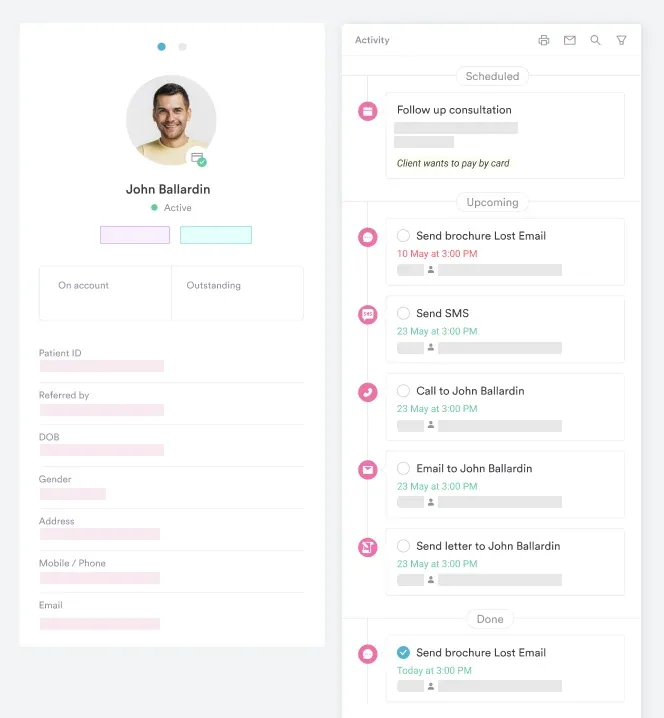
The structured patient records in Pabau allow surgeons to build template-based operative notes that capture these required fields consistently for every frenuloplasty case. Required documentation elements include:
Preauthorisation requirements for N2842 vary by scheme and benefit option. Discovery Health, GEMS, and Medscheme-administered plans routinely require pre-authorisation for surgical day-theatre procedures, including frenuloplasty. Practices should contact the relevant medical aid before the procedure date.
When applying for preauthorisation, medical aids typically request:
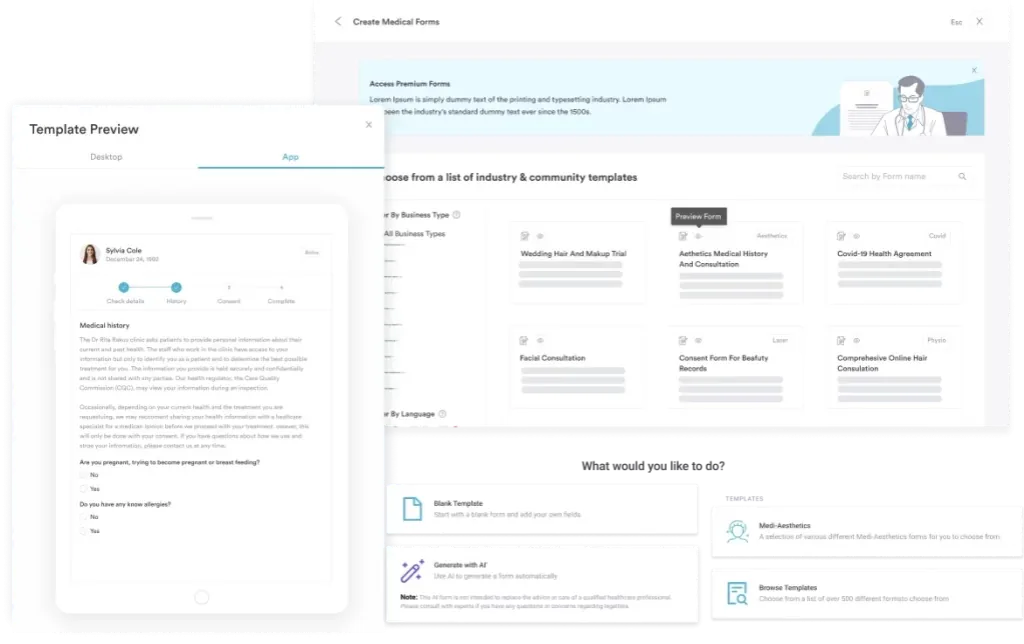
Authorisation rules change with each scheme’s annual benefit refresh. Always verify requirements directly with the scheme in the period immediately before the planned procedure date. Using digital clinical forms for pre-operative assessments creates a timestamped record of when clinical documentation was completed relative to the authorisation request, which can be valuable if a claim is later queried.
CCSD code N2842 claims are denied for a predictable set of reasons. The table below maps each common denial reason to its corrective action.
Before submitting any N2842 claim, run a two-line check: (1) Does the operative note contain the word ‘frenuloplasty’ and name the specific plasty technique? (2) Does the ICD-10 code match the pre-operative diagnosis in the clinical record? If either answer is no, resolve it before submission. These two mismatches account for the large majority of N2842 denials.
The most common scenario where N2842 appears alongside another CCSD code is when a frenuloplasty and circumcision are performed in the same theatre session. South African medical aid rules allow concurrent procedures on the same date provided each procedure has a separately documented clinical indication. When billed together, the second procedure is typically reimbursed at a reduced percentage of its full tariff under multiple-procedure reduction rules applied by the scheme.
Practices using clinic software for South African practices that handles CCSD billing should configure the billing module to flag same-date multi-code submissions for review before dispatch. This catches situations where two codes have been selected without distinct operative indications in the notes.
Key rules when billing N2842 with another code on the same date:
Accurate billing for CCSD code N2842 depends on consistent documentation at the point of care, correct code selection at the time of invoicing, and compliant invoice generation for submission to the medical aid. Pabau’s medical billing software supports all three stages within a single platform.
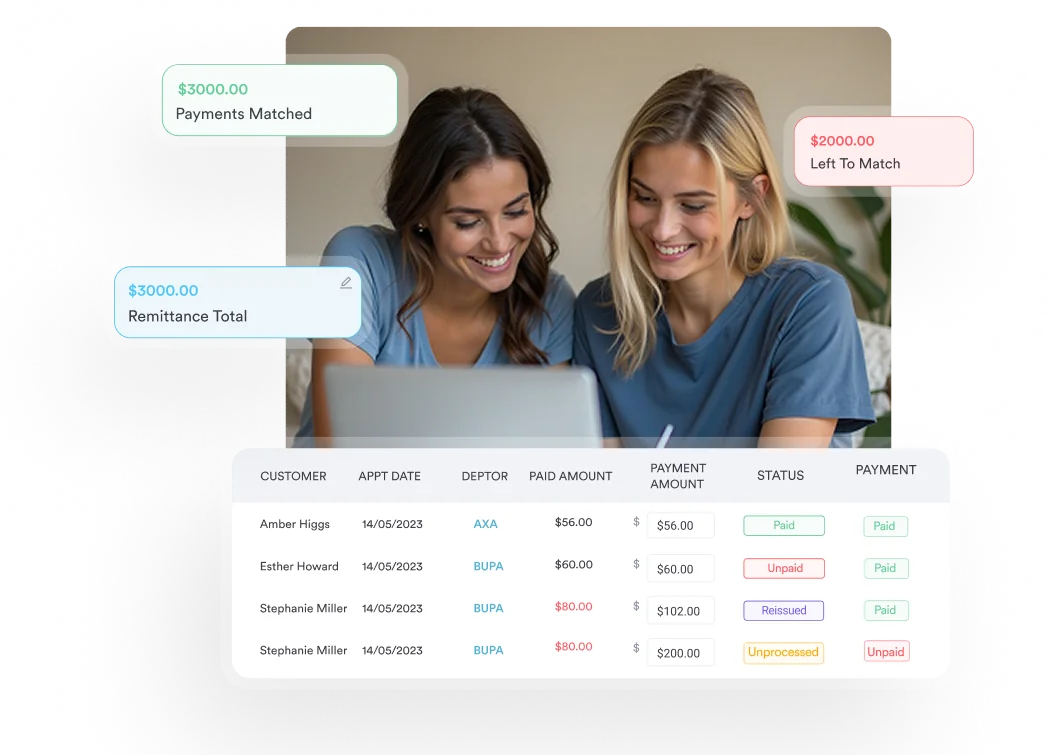
Clinics using Pabau can build procedure-specific clinical note templates that prompt the surgeon to record operative technique, anatomical site, anaesthesia type, and post-operative plan. These templates reduce the risk of incomplete documentation that triggers queries. At the invoicing stage, the platform links the CCSD code to the clinical record for the same appointment, so the procedure code and the clinical record are automatically connected rather than maintained in separate systems. Generated invoices carry the practice number, scheme member details, ICD-10 code, and CCSD code in the format medical aids require for processing.
CCSD code N2842 covers frenuloplasty of the penis. Getting it right depends on three things: Documenting the plasty technique by name in the operative note, pairing the code with the correct ICD-10 diagnosis, and securing preauthorisation before the procedure date. The frenuloplasty vs. frenectomy distinction is where most coding errors originate, and a clear operative note is what separates a first-pass approval from a denial cycle.
Pabau’s clinical documentation and CCSD billing tools help practices in South Africa keep their procedure records linked to their invoices and their authorisation records in one place. To see how the platform handles CCSD billing workflows, explore Pabau’s claims management features.

Need a broader CCSD code reference? Pabau’s Bupa CCSD code guide covers the full CCSD structure and fee schedule context for private healthcare billing.
Looking for plastic surgery billing guidance? Pabau’s plastic surgery EMR overview outlines the documentation and billing features relevant to reconstructive and cosmetic surgical practices.
Want to reduce administrative errors across your practice? Pabau’s automated workflow tools help practices set triggers and reminders that keep billing processes on track from pre-auth to invoice dispatch.
CCSD code N2842 is the South African CCSD procedure code for frenuloplasty of the penis, a surgical procedure in which the penile frenulum is released and lengthened without complete excision. It is used by urologists and plastic surgeons billing medical aids for this day-theatre procedure.
Frenuloplasty (N2842) preserves and rearranges the frenulum tissue using a plasty technique; frenectomy completely excises the frenulum and is coded under a separate CCSD code. The key indicator is the operative note: If the note describes excision, N2842 is not the correct code.
The most commonly paired ICD-10 codes are N48.89 (other specified disorders of penis, used for isolated frenulum breve) and N47.1 (phimosis, used when frenular restriction contributes to prepuce tightening). N53.12 applies when the indication is dyspareunia or painful ejaculation linked to frenular restriction.
Submit N2842 on the medical aid claim form with the treating practitioner’s practice number, the ICD-10 diagnosis code, the preauthorisation number (where required), and an operative note that names the frenuloplasty technique. Where a separate anaesthetist was present, their fee is billed on a separate account.
Yes, provided each procedure has a separately documented clinical indication in the pre-operative assessment. Bill N2842 for frenulum breve and the circumcision code for phimosis; both diagnoses must appear in the clinical record. Apply the scheme’s multiple-procedure reduction modifier to the lower-value procedure.
The most frequent denial reasons are: Missing preauthorisation, an ICD-10 code that does not match the documented indication, an operative note that does not name the plasty technique, and bundling with a circumcision code without distinct operative indications. Correcting the clinical documentation and resubmitting resolves the majority of these denials.