CPT Code 19361: Latissimus dorsi flap breast reconstruction
CPT code 19361: Official descriptor and payment basics CPT code 19361 is the Cat...

Last Updated: Nov 18, 2026
M8120 is the CCSD code for meatoplasty, a reconstruction that widens a narrowed external urethral opening. The surgeon usually stitches a skin flap into the meatus so it does not narrow again.
M8120 sits in the Genitalia section (12.6) of the CCSD Urinary system and male reproductive organs chapter. CCSD lists M7361, M7920, M7940 and GA522 as unacceptable combinations with it. An incision without reconstruction is external meatotomy, coded M8130.
Let Pabau's smart automation suggest the right codes, reduce claim denials, and keep your practice compliant—effortlessly.
Automate repetitive tasks and focus on what matters most—your patients.
Reduce coding errors and ensure compliance with the latest regulations.
Clean claims, fewer denials, and faster reimbursements.
Powerful insights and reporting to help your practice thrive.
HIPAA compliant SOC 2 certified GDPR-compliant Trusted by 4,000+ clinics worldwide

CCSD Code M8120 covers meatoplasty, a reconstruction that widens a narrowed external urethral opening and keeps it open.
It is a urology code in the Genitalia section (12.6) of CCSD chapter 12, used on UK private insurance claims.
CCSD lists M7361, M7920, M7940 and GA522 as unacceptable combinations with M8120, so don’t bill them on the same claim.
An incision alone is external meatotomy, coded M8130, so the operative note decides which of the two codes applies.
Pair M8120 with an ICD-10 code that names the cause of the narrowing, such as N35.0, N99.1 or N48.0.
CCSD Code M8120 is the CCSD billing code for meatoplasty of the urethral meatus, the external opening of the urethra. The surgeon reconstructs a narrowed opening, usually with a skin flap, so that it stays wide after healing. The BAUS patient leaflet on meatoplasty describes it as treatment for a stricture at the very tip of the penis.
M8120 sits in the Genitalia section (12.6) of CCSD chapter 12. It is a different operation from external meatotomy, coded M8130, which incises the meatus without reconstructing it.
The table below summarises the code facts a biller or coding manager needs at a glance.
CCSD codes are used only in UK private healthcare billing. Our guide to Bupa CCSD codes explains how the schedule works on Bupa claims. NHS activity is coded in OPCS-4 instead, so check the current edition before you cross-reference the two schedules.
Meatoplasty treats meatal stenosis, a narrowing of the urethral opening that slows or sprays the urine stream. A consultant urologist opens the narrowed meatus and then reshapes it so the new opening holds its calibre.
Coders reviewing an operative note should recognise four parts of the procedure:
The reconstruction step is what separates M8120 from M8130. If the note describes an incision with the edges simply sutured open, the procedure is a meatotomy. The same note also tells you which urethral codes must stay off an M8120 claim.
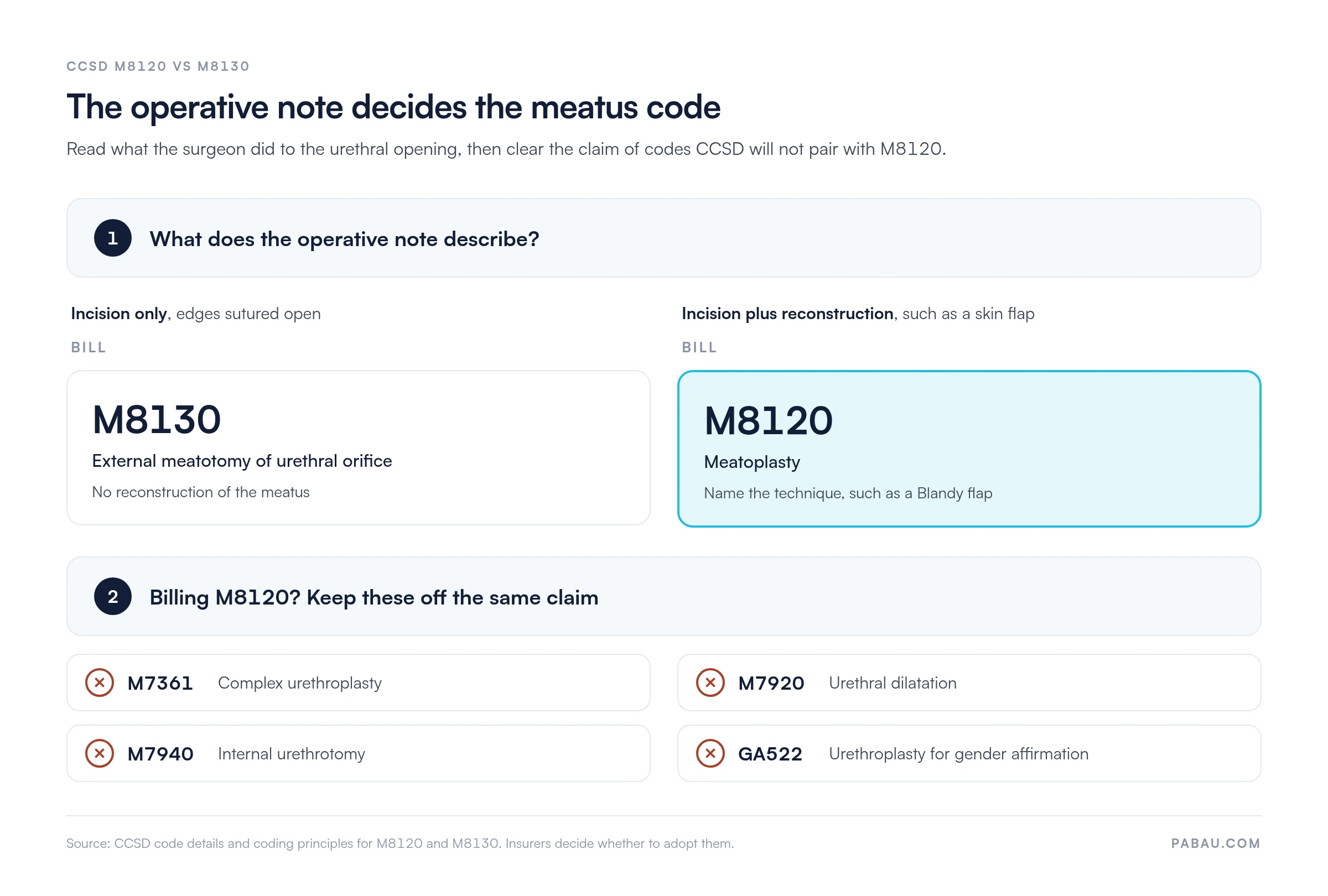
Ask the consultant to name the technique in the operative note, such as a Blandy flap meatoplasty. A note that just says the meatus was widened leaves the coder guessing between M8120 and M8130.
Pairing the correct ICD-10 diagnosis code with CCSD Code M8120 is a prerequisite for a clean claim. The diagnosis should name the cause of the narrowing, because insurers check that it supports a reconstruction at the meatus.
Always use the most specific code available. UK private insurers work from WHO ICD-10, not the US ICD-10-CM, so check each code in the NHS Classifications Browser before submitting. The consultant’s documented diagnosis governs the final choice.
The CCSD coding principles list four codes as unacceptable combinations with M8120. Each one describes urethral work that either overlaps with a meatoplasty or replaces it. The CCSD code details page for M8120 holds the current list.
CCSD states that its coding principles are not exhaustive, and each insurer decides whether to adopt them. Check the insurer’s own schedule before you submit any combined urethral claim.
Insurers audit surgical claims, and an M8120 claim needs records that show a meatoplasty took place. The minimum set for a supportable claim:
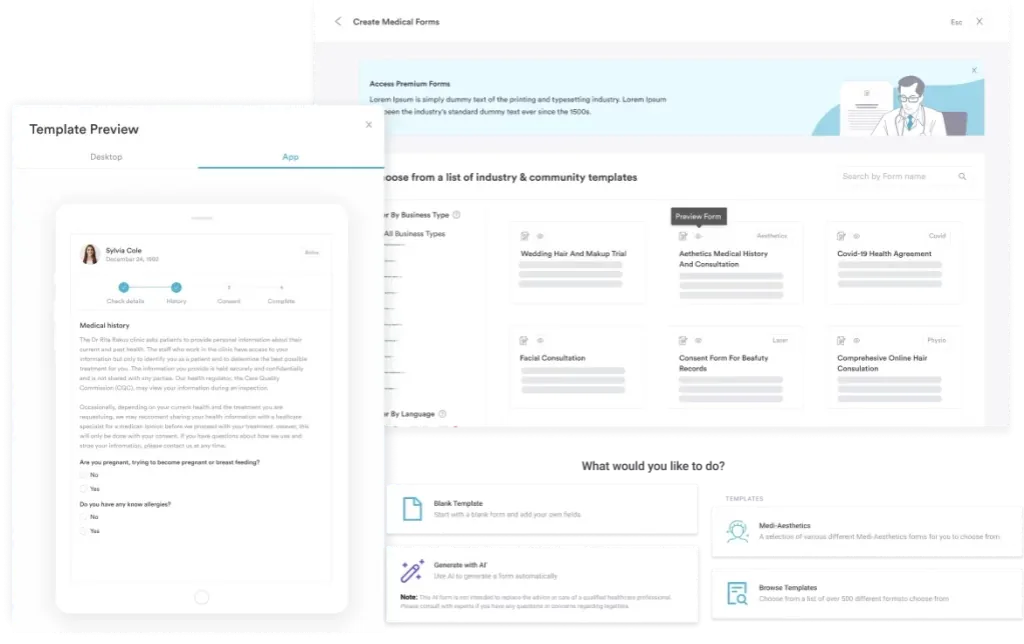
A structured operative note template records the technique and the diagnosis in the same format every time. That makes the evidence quick to send when an insurer queries the claim.
Most UK private medical insurers require pre-authorisation before a surgical procedure such as M8120. The submission channel and lead times differ by insurer and by policy.
Payer policies change, so confirm the current requirement with each insurer. A claim without a valid pre-authorisation reference usually fails at the first processing stage, however complete the notes are.
Request pre-authorisation for the code you expect to bill, and update it if the plan changes. If the consultant plans a meatotomy but performs a flap meatoplasty, the reference may not cover M8120.
M8120 claims fail for a predictable set of reasons. Most are preventable with a check before submission.
Accurate billing for M8120 follows the same six steps, whatever system the practice uses.
For the fee each insurer pays, the Bupa fee schedule lists CCSD codes with their fee guidance. CCSD itself does not set fees, so each insurer publishes its own.
Many M8120 denials start before the procedure, with an authorisation reference in an email and a diagnosis code added at the last minute. The billing team then rebuilds the claim from several places.
Pabau, the practice software we build, keeps the booking, the consultation notes and the claim on one patient record. Your team enters M8120 against the appointment and attaches the consultant’s diagnosis code at consultation.
With Pabau’s claims management software, the authorisation code, dates and sessions sit on the patient’s case, with a warning when one is missing.
Claims go to UK private insurers through Healthcode, and each one is tracked through to payment. Your team sees an insurer query the day it arrives and can answer it inside the deadline.
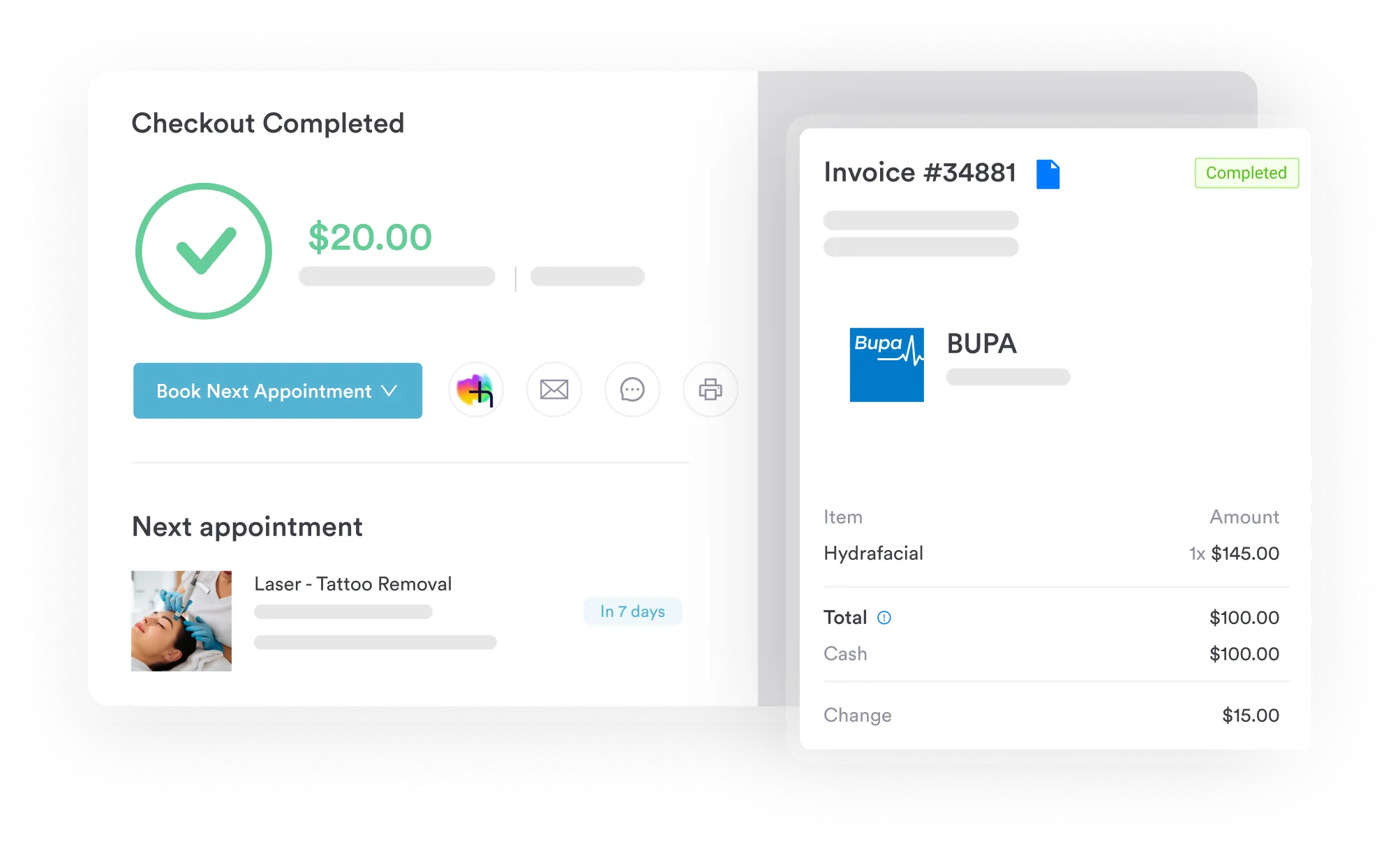

Pabau keeps the CCSD code, the diagnosis code and the pre-authorisation reference on the patient’s case, then submits the claim through Healthcode. Fewer claims come back for missing details.

M8120 is the code for a reconstruction, and the claim has to prove one happened. Three records carry it: the authorisation reference, an operative note that describes the flap, and a diagnosis code that names the cause.
Check those three before the patient goes home, and strip any unacceptable combination from the claim. A claim built that way rarely comes back. Book a demo to see how Pabau keeps the authorisation, the notes and the Healthcode submission on one patient record.

Incising the meatus without reconstruction? CCSD code M8130 covers external meatotomy of the urethral orifice.
Treating a stricture further up the urethra? CCSD code M7940 covers internal urethrotomy, an unacceptable combination with M8120.
Repairing a urethral fistula instead? CCSD code M7330 covers closure of a urethral fistula, a neighbouring code in the same chapter.
CCSD Code M8120 covers meatoplasty, a reconstruction of a narrowed external urethral opening. The surgeon opens the meatus and stitches in a skin flap so it stays wide. The anaesthetist’s fee and any separate procedures need their own codes.
M8120 is meatoplasty, which reconstructs the meatus, usually with a skin flap. M8130 is external meatotomy, an incision that widens the opening without reconstruction. The operative note decides which code applies.
Use the WHO ICD-10 code that names the cause of the narrowing. Common choices are N35.0 after injury, N35.1 after infection, N99.1 after earlier surgery and N48.0 for balanitis xerotica obliterans. Q64.3 covers congenital narrowing.
CCSD lists M7361 complex urethroplasty, M7920 urethral dilatation, M7940 internal urethrotomy and GA522 as unacceptable combinations with M8120. Insurers decide whether to adopt these principles, so check each insurer’s own schedule.
Bupa requires pre-authorisation for surgical CCSD codes, and M8120 is a surgical code. Get the reference number before the procedure date and attach it to the claim. Confirm the current process with Bupa, as policies change.
The usual reasons are a missing pre-authorisation reference and an operative note that describes only an incision. An unacceptable code combination or an unspecified diagnosis code also triggers rejections and queries.