Pabau Engage inbox

Pabau Engage is here: every patient conversation in one inbox.

Learn more
CCSD Code

CCSD code M5222 – Laparoscopic colposuspension


Code Definition

M5222 is the CCSD code for laparoscopic colposuspension, a suture-based keyhole operation for stress urinary incontinence. The surgeon lifts the bladder neck with sutures fixed to Cooper's ligament, and no synthetic mesh is used.

The code sits in CCSD Chapter 12, Urinary system and male reproductive organs, in the Bladder category. The open operation is coded M5220, and robotic-assisted colposuspension has its own code, M5223.

Group
12 Urinary system and male reproductive organs
Category
Bladder
Subcategory
M52 Retropubic suspension of neck of bladder
Billable
No
Code also known as
laparoscopic Burch, laparoscopic bladder neck suspension, keyhole colposuspension
Save time. Improve accuracy. Get paid faster.
Automate coding with Pabau

Let Pabau's smart automation suggest the right codes, reduce claim denials, and keep your practice compliant—effortlessly.

  • AI-powered code suggestions
  • Real-time compliance checks
  • Faster claims, fewer denials
Why practices choose Pabau
Save hours every week

Automate repetitive tasks and focus on what matters most—your patients.

Improve accuracy

Reduce coding errors and ensure compliance with the latest regulations.

Get paid faster

Clean claims, fewer denials, and faster reimbursements.

Grow with confidence

Powerful insights and reporting to help your practice thrive.

HIPAA compliant SOC 2 certified GDPR-compliant Trusted by 4,000+ clinics worldwide

Key takeaways

Key takeaways

CCSD Code M5222 covers laparoscopic colposuspension, a suture-based Burch or paravaginal operation for stress urinary incontinence.

It is coded separately from open colposuspension and from mesh sling procedures such as TVT and TOT.

Most UK private insurers require prior authorisation before the operation, and urodynamic results confirming stress incontinence are usually mandatory evidence.

M5222 uses no synthetic mesh, so the 2018 NHS England pause and restrictions on mesh tape for SUI do not apply to it.

A conversion to an open approach moves the claim to M5220, the open retropubic suspension code, rather than adding a second code.

Pabau, the practice management platform we build, stores CCSD codes and authorisation references against each appointment, so M5222 invoices go out complete.

CCSD Code M5222: Definition, descriptor, and code card

CCSD Code M5222 is the official procedure code for laparoscopic colposuspension in the UK private healthcare coding schedule. The descriptor on the CCSD schedule (ccsd.org.uk) reads: “Laparoscopic colposuspension.” It sits in CCSD Chapter 12 (Urinary system and male reproductive organs), Bladder category, alongside other bladder neck suspension codes.

FieldDetail
CCSD codeM5222
Official descriptorLaparoscopic colposuspension
CCSD chapter12 (Urinary system and male reproductive organs), Bladder category
Primary indicationUrodynamic stress urinary incontinence (SUI/USI)
Surgical approachLaparoscopic (keyhole); no synthetic mesh
Applicable insurersBupa, AXA Health, Vitality, Aviva, WPA, Cigna, Healix

M5222 applies only when the colposuspension is completed laparoscopically from start to finish. If the surgeon converts to an open approach during the operation, the claim moves to M5220, the open retropubic suspension code. Therefore, coders should confirm the final approach in the operative note before submitting.

What laparoscopic colposuspension involves

Laparoscopic colposuspension is a keyhole surgical procedure that elevates and supports the bladder neck and proximal urethra to restore continence. The most common technique is the laparoscopic Burch colposuspension. Permanent or delayed-absorbable sutures are placed through the paravaginal fascia and secured to Cooper’s ligament (the iliopectineal ligament) on each side of the retropubic space.

The procedure follows a standard operative sequence that coders need to recognise in the operative note to confirm M5222 applies:

  1. The anaesthetist gives a general or regional anaesthetic.
  2. The surgeon sites the laparoscopic ports, then enters the retropubic space (space of Retzius) either transperitoneally or extraperitoneally.
  3. Next, the surgeon dissects the bladder medially to expose paravaginal fascia and Cooper’s ligament on both sides.
  4. The surgeon then places non-absorbable sutures (often 2 on each side) through the paravaginal fascia at the level of the bladder neck and ties them to Cooper’s ligament.
  5. After that, the surgeon inspects the bladder and may perform cystoscopy to confirm suture placement and ureteral patency.
  6. Finally, the surgeon closes the ports, and the operative note documents the laparoscopic approach, suture type, and any extra steps.

Operative duration is typically 60 to 120 minutes, and the anaesthetist bills separately for the anaesthetic. Cochrane review CD002912 found that laparoscopic colposuspension achieves continence outcomes similar to open colposuspension. The choice of approach therefore rests mainly on surgeon experience and patient anatomy.

Clinical indications: When M5222 is used

M5222 is appropriate when the following clinical criteria are met, and the paperwork sent to the insurer must show all of them:

  • Confirmed urodynamic stress incontinence: Insurers require urodynamic studies (cystometry, urethral pressure profilometry) confirming urodynamic stress incontinence. However, a clinical diagnosis alone is not enough for most insurers.
  • Failed conservative management: A recorded course of supervised pelvic floor muscle training (PFMT), usually 12 weeks minimum, that has not achieved satisfactory continence.
  • Suitable anatomy: Laparoscopic access to the retropubic space is feasible, with no prior surgery that would make the approach unsafe.
  • Primary stress incontinence predominance: Where mixed incontinence is present, the urge component must not be predominant. M5222 addresses the stress component only; urgency urinary incontinence (OAB) is not an indication.
  • Patient preference for laparoscopic approach: Fully informed consent covering the laparoscopic Burch technique and its alternatives (TVT, open colposuspension).

Do not code M5222 when the surgeon uses a mesh midurethral sling (TVT or TOT). Those procedures have their own CCSD codes. Insertion of a TVT or TOT tape is billed under CCSD M7590. The 2018 NHS England pause and restrictions on mesh tape for SUI apply to TVT and TOT. M5222 is a suture-based procedure with no synthetic mesh, so those restrictions do not affect it. Also, state this distinction clearly in any insurer query response to avoid an unnecessary denial escalation.

M5222 vs neighbouring CCSD codes: How to choose the right code

The M52 group holds several codes for SUI surgery, and choosing the wrong one is a common coder error. The approach the operative note records decides which code applies. An artificial urinary sphincter implant for stress incontinence sits outside that group and is coded under M5520. Surgical closure of a urethral fistula is a separate urethral repair, billed under code M7330.
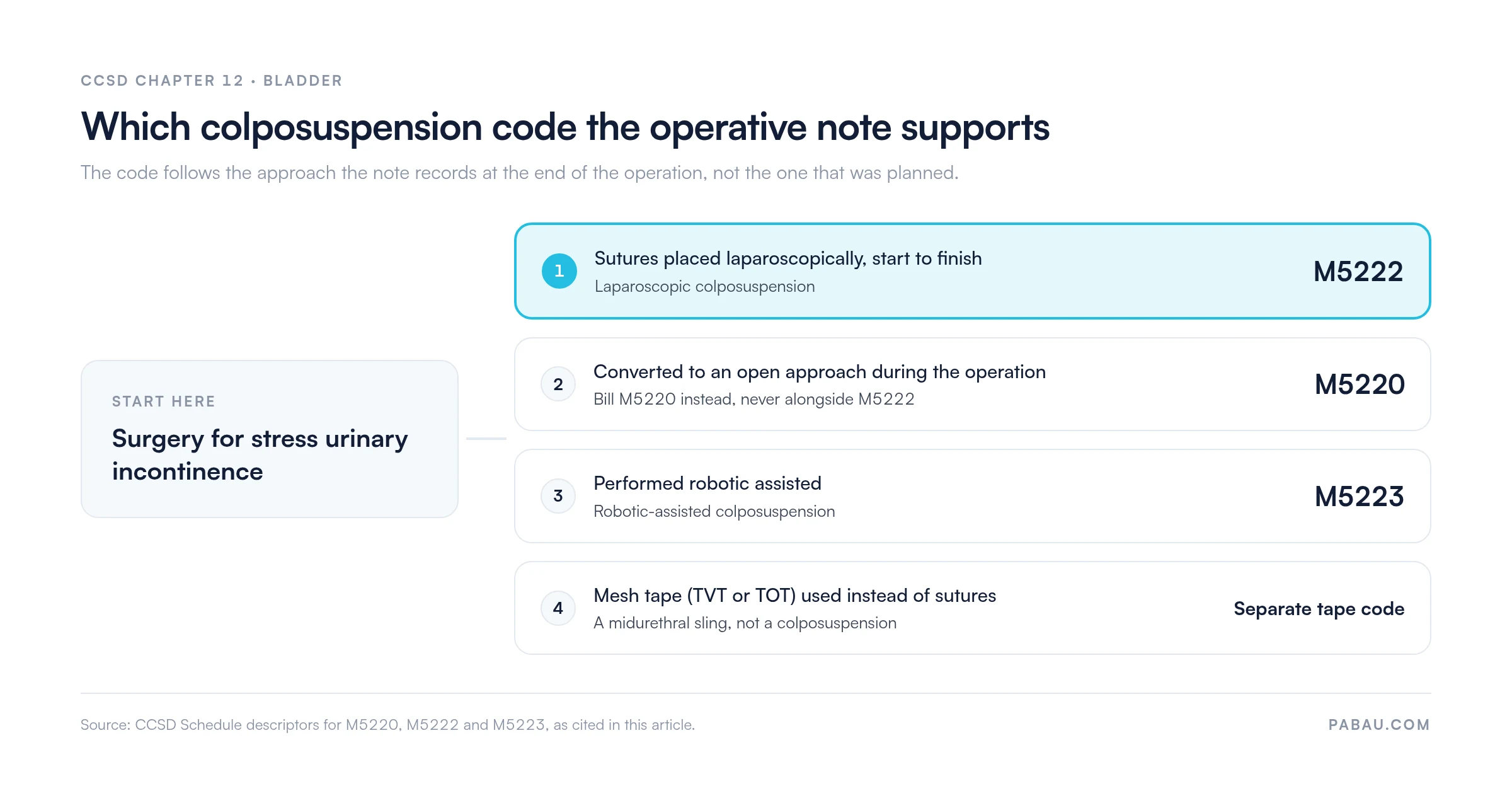
Decision diagram for CCSD colposuspension coding
One operation takes one code, chosen from the approach recorded at closure. Code descriptors are from the CCSD Schedule, as cited in this guide.

The table below maps the key distinctions between them.

ProcedureCCSD codeApproachImplantUse when
Laparoscopic colposuspensionM5222LaparoscopicSutures only (no mesh)Keyhole retropubic colposuspension completed laparoscopically
Open colposuspensionM5220Open (Pfannenstiel or midline)Sutures onlyTraditional open Burch or paravaginal repair via laparotomy, including a laparoscopic case converted to open
Robotic-assisted colposuspensionM5223Robotic assistedSutures onlyColposuspension performed with robotic assistance
Tension-free vaginal tape (TVT)Separate M-series code (verify)TransvaginalPolypropylene mesh tapeRetropubic midurethral sling, subject to the 2018 NHS England pause and restrictions on mesh tape
Transobturator tape (TOT)Separate M-series code (verify)Transvaginal / transobturatorPolypropylene mesh tapeTransobturator midurethral sling, under the same 2018 NHS England restrictions
Paravaginal repairSeparate code (verify)Laparoscopic or openSuturesLateral pelvic wall defect repair, coded separately only when it is a distinct additional operative step

The table above assumes a single access route. An operation that uses abdominal and vaginal access together in one operative episode is coded M5100, the combined bladder outlet code.

Check neighbouring code numbers against the current CCSD schedule before submitting, because the schedule changes periodically. Confirm the exact codes and fees for the tape and paravaginal rows on the live schedule. In addition, each sibling has its own entry in our reference of CCSD codes.

Documentation requirements for M5222 claims

An M5222 claim that arrives at an insurer without complete documentation will almost always be queried or denied. The minimum required clinical record for a successful submission covers five areas:

  • Operative note confirming laparoscopic approach: First, it must state that the surgeon performed the procedure laparoscopically and describe the retropubic dissection. It also records the suture type (for example, non-absorbable Ethibond) and the number of sutures placed bilaterally to Cooper’s ligament.
  • Urodynamic study report: An accredited urodynamics service must date and sign a cystometrogram or urethral pressure profilometry report confirming stress urinary incontinence. It is often the missing document on a queried M5222 claim.
  • Record of failed conservative management: Record a PFMT course (usually 12 weeks minimum, supervised by a physiotherapist) in the patient record or referral letter.
  • Diagnosis code pairing: ICD-10 N39.3 (stress incontinence) is the most commonly used supporting diagnosis code in UK private practice. However, some insurers accept N39.4 (other specified urinary incontinence) where the record shows mixed incontinence. Confirm the insurer’s preferred code on their provider portal.
  • Consent documentation: Signed informed consent referencing the laparoscopic Burch procedure specifically, covering risks and alternatives including TVT and open colposuspension.

Digital consent and referral forms can capture the operative approach, urodynamic findings, and conservative treatment history in structured fields. The documentation package is then quicker to assemble. As a result, that saves time on a prior authorisation request and on any insurer query.
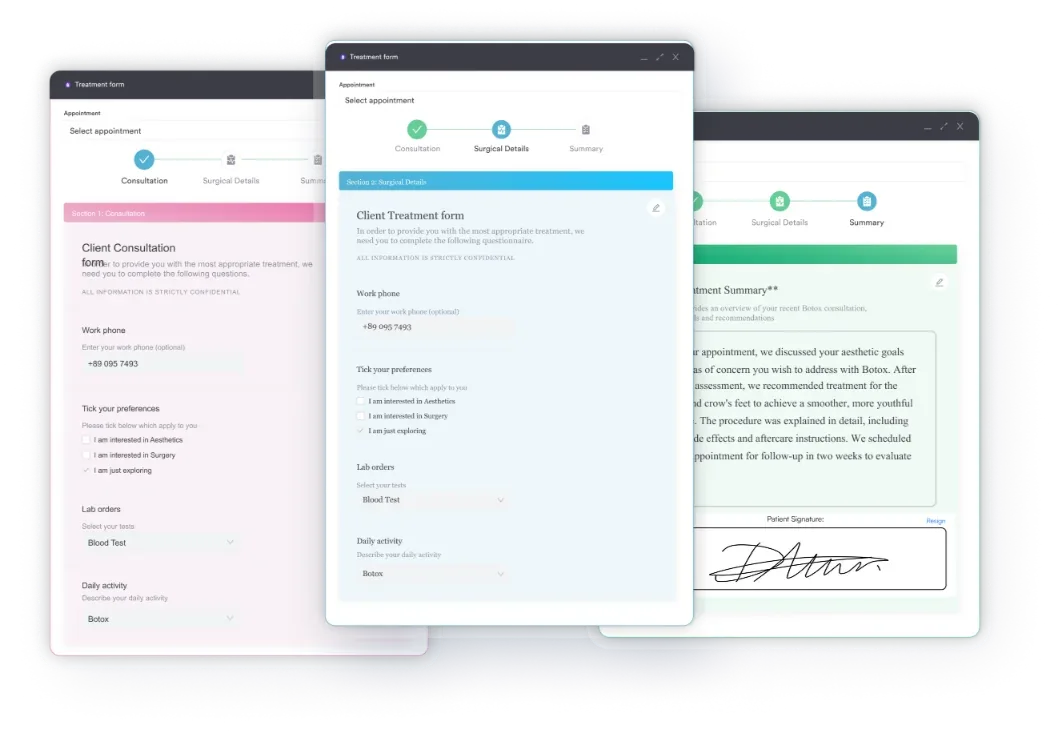
Pabau consent and intake form builder
Pabau’s consent and intake forms can hold the urodynamic findings and the failed PFMT course in structured fields, ready for an M5222 authorisation request.

Prior authorisation for M5222: What UK private insurers require

Most UK private insurers require prior authorisation before elective pelvic floor surgery, including M5222. Proceeding without authorisation often gets the claim declined, however clinically appropriate the operation was. However, requirements vary by insurer and policy year, so check the current provider portal before booking the procedure.

The table below summarises typical requirements across the major UK insurers. Refer to each portal for the current policy year before submitting.

InsurerPre-auth required?Key evidence typically requestedReference
BupaYes (most elective gynaecology)Urodynamic report, failed PFMT, consultant referral letter, GMC numberBupa code search
AXA HealthYesClinical justification letter, urodynamics, failed conservative treatmentAXA provider portal
Vitality HealthYesUrodynamic study, evidence of failed conservative managementVitality fee finder
AvivaYes (surgical procedures usually)Specialist referral, clinical indication letter, urodynamicsAviva fee schedule
WPA / Cigna / HealixCheck current provider portalVaries by policy; urodynamic evidence usually expectedIndividual provider portals

Our Bupa CCSD billing guidance gives a broader overview of how Bupa processes CCSD-coded claims. When submitting an authorisation request for M5222, attach the urodynamic report and conservative treatment record as the primary clinical evidence. Equally, waiting for authorisation before booking the theatre date protects against late declination.

Anaesthetic and assistant surgeon code pairings

Laparoscopic colposuspension requires a general or regional anaesthetic and usually takes between 60 and 120 minutes in theatre. The anaesthetist bills the anaesthetic fee separately from M5222 using the appropriate CCSD anaesthetic code. That fee reflects the procedure’s anaesthetic time units and the base unit value for the category.

Four points matter for invoice assembly.

  • The anaesthetist submits the anaesthetic CCSD code on a separate invoice, not the operating gynaecologist. As a result, each clinician invoices their own fee.
  • An assistant surgeon may bill a separately identifiable CCSD assistant code if their involvement was clinically necessary and the notes record it. Confirm whether the insurer covers assistant fees for this procedure category before including the code.
  • The hospital or facility charge usually covers scrub nurse and theatre staff costs, so they stay off the consultant invoice.
  • Confirm the current anaesthetic code and fee with the anaesthetist’s billing administrator. Because anaesthetic codes are time-based, they differ from the fixed-fee structure of M5222.

Unbundling risks: What cannot be billed alongside M5222

CCSD bundling rules decide which extra procedures count as inclusive within M5222 and which you may bill separately. The CCSD technical guide sets out the framework for exclusive and inclusive code relationships. For M5222 specifically, four situations come up.

  • Cystoscopy to confirm suture placement: A check cystoscopy for suture position and ureteral patency is usually part of the colposuspension. Most UK insurers are likely to classify a separate cystoscopy line in that context as unbundling. Therefore, verify with the current CCSD schedule and your insurer’s unbundling policy.
  • Conversion to open colposuspension: If the procedure is converted to open intra-operatively, M5222 no longer applies. Bill M5220, the open colposuspension code, instead. Never bill M5222 and M5220 together for a single procedure.
  • Paravaginal repair: You may code a distinct paravaginal defect repair in addition when it is a separate operative step. The suture technique of the Burch colposuspension itself does not count. The operative note must clearly describe it as a separate identifiable procedure. When in doubt, seek guidance from the insurer’s medical reviewer before billing.
  • Incidental laparoscopic findings: For example, you may code procedures that address incidental findings during the laparoscopy (such as adhesiolysis) in addition, where the note documents them separately and they are clinically significant.

Pro Tip

Before billing any additional code alongside M5222, review the CCSD technical guide bundling rules and check the specific insurer’s unbundling policy on their provider portal. Disagreements between the operative note and the invoice are the fastest route to a medical review request.

Common reasons CCSD Code M5222 claims are denied

M5222 denials follow predictable patterns. Understanding them in advance lets a practice manager build the correct documentation before the invoice is submitted rather than chasing corrections after the fact.

  • No prior authorisation reference: The most common denial cause. Proceeding to surgery without an authorisation number means the insurer has no obligation to pay, regardless of clinical appropriateness.
  • Operative note describes an open approach: Insurers check whether the note confirms laparoscopic access. A note that reads like open surgery (a Pfannenstiel incision, no port siting described) will see the claim recoded to M5220, the open colposuspension code.
  • Absent or incomplete urodynamic report: Missing urodynamic evidence is a frequent reason for a medical necessity query. Also, the urodynamic report must confirm stress incontinence, not just clinical symptoms.
  • Incorrect ICD-10 diagnosis code: A non-incontinence code alone, such as a prolapse code, raises medical necessity questions. Include N39.3 or N39.4 as well. Some insurers automatically flag mismatched diagnosis/procedure combinations.
  • Missing consultant GMC number: UK private healthcare invoices must include the treating consultant’s GMC registration number. Its absence causes administrative rejection before clinical review even begins.
  • Submission outside the insurer’s time limit: Most insurers set a deadline for submission after the procedure date, commonly 3 to 6 months. As a result, insurers rarely accept a clinical appeal against a late-submission denial.

How to submit M5222 on a private healthcare invoice

A correctly assembled M5222 invoice avoids the most common administrative rejection triggers. Therefore, follow this sequence before the invoice leaves the practice.

  1. Confirm the authorisation reference number from the insurer’s pre-authorisation approval letter or portal. Record it in the patient record and on the invoice header.
  2. Populate the procedure line with CCSD Code M5222, the procedure date, and the consultant’s standard fee for this code.
  3. Add the supporting diagnosis code: ICD-10 N39.3 (stress incontinence) in most cases, or N39.4 where mixed incontinence is documented and the insurer accepts this pairing.
  4. Include the consultant’s GMC number in the practitioner details field. This is a mandatory field for all UK private healthcare claims.
  5. Confirm the anaesthetic invoice will be submitted separately by the anaesthetist’s team. Do not duplicate anaesthetic codes on the consultant’s invoice.
  6. Choose the submission route: Electronic data interchange (EDI/XML) through the insurer’s provider portal is preferred for speed and audit trail. Paper invoices are accepted by most insurers but carry longer processing times.
  7. Retain copies of the authorisation approval, operative note, urodynamic report, and submitted invoice in the patient record. Keep them for the insurer’s standard medical record request period, usually 7 years minimum.

How Pabau keeps M5222 claims complete

Manual invoice assembly across a busy gynaecology list creates denial risk. Administrators supporting several consultants, each with a full list of pelvic floor cases, need authorisation references held against specific appointments. They also need the right CCSD code ready for each procedure type.

Pabau’s claims management software supports insurance billing including UK private practice, with CCSD code storage, invoice auto-population, and claim tracking. For gynaecology and urogynaecology practices, Pabau links appointment booking, clinical documentation, and invoicing. The operative note and the billing record then sit side by side in one patient file.
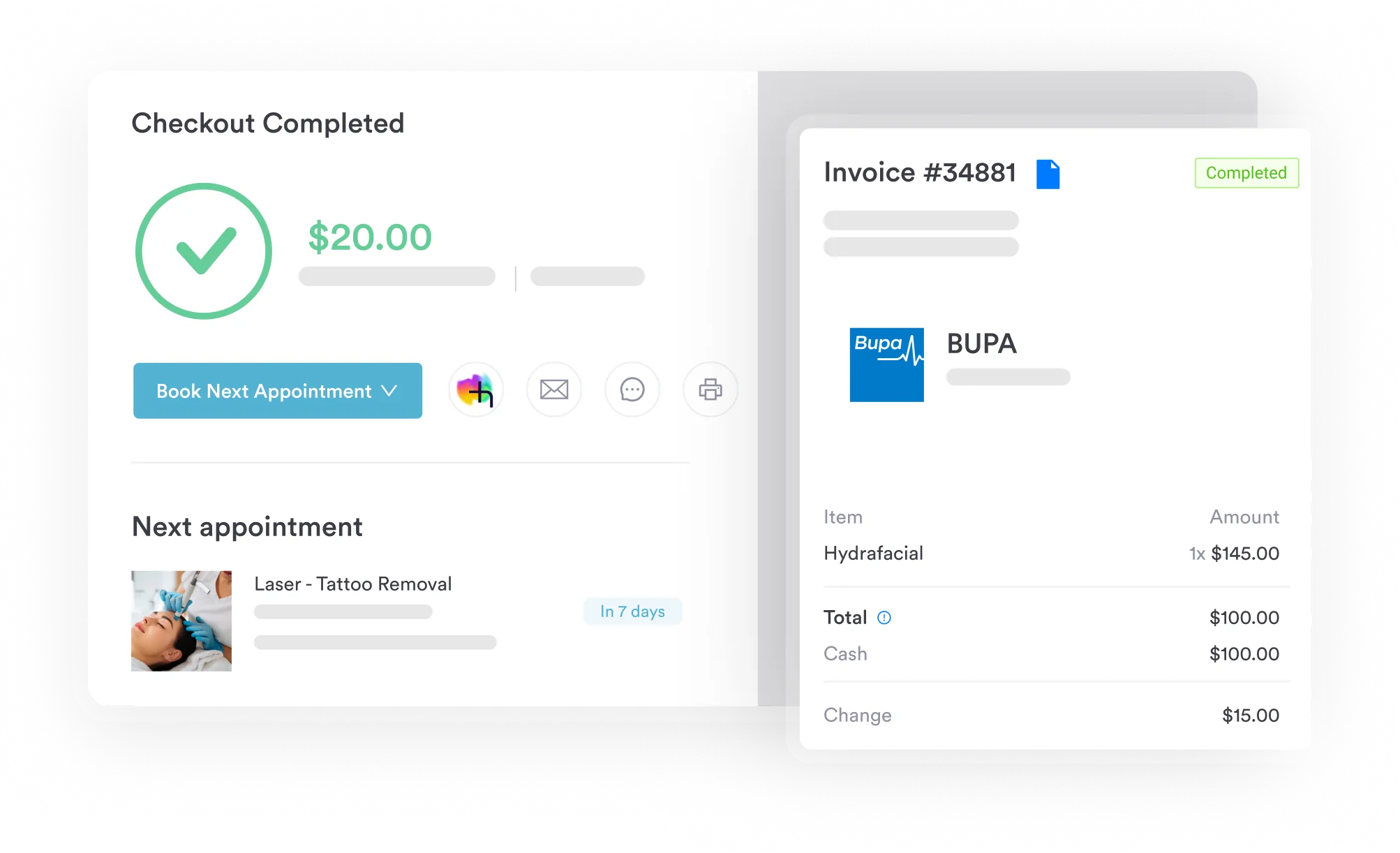
Pabau claims screen for submitting claims through Healthcode
Pabau submits M5222 claims to UK insurers through Healthcode and tracks each one, so the practice can see which claims still await payment.

Pro Tip

Set up a saved CCSD Code M5222 invoice template in your practice management system. It should pre-load the procedure code, the standard fee, and a prompt for the authorisation reference number. It takes two minutes to configure and eliminates the most common invoice assembly errors on this code.

Send complete M5222 claims the first time

Pabau stores CCSD codes and authorisation references against each appointment and pre-fills the invoice. Your M5222 claims leave with the paperwork UK insurers check.

Pabau practice management software for UK private gynaecology billing

Conclusion

M5222 claims succeed or fail on paperwork gathered before the operation, not on the code itself. Build the authorisation request around the urodynamic report and the failed PFMT record. Then make sure the operative note states the laparoscopic approach in plain words, from port siting to closure.

Set that up once as a standard for every colposuspension, and the same insurer queries stop recurring case by case. In return, a few extra minutes at booking cost far less than an appeal.

Book a demo to see how Pabau keeps authorisation references, operative notes and CCSD invoices together for your gynaecology list.

Continue your research

Continue your research

Need a broader CCSD billing overview for Bupa cases? Bupa CCSD codes guide covers how Bupa processes CCSD-coded claims and what it expects on a submission.

Was the operation converted to open? CCSD Code M5220 covers open retropubic bladder neck suspension, the code a converted case moves to.

Coding a repeat operation after a failed repair? CCSD Code M5280 explains revision retropubic bladder neck suspension and how it differs from a first operation.

Did the surgeon combine abdominal and vaginal routes? CCSD Code M5100 covers combined bladder outlet surgery, including sling procedures done through both routes.

Frequently asked questions

What does CCSD Code M5222 cover?

CCSD Code M5222 covers laparoscopic colposuspension for urodynamic stress urinary incontinence in women. It is a keyhole operation that lifts the bladder neck and proximal urethra with sutures fixed to Cooper’s ligament. It applies only when the surgeon completes the procedure laparoscopically. However, a conversion to an open approach moves the claim to M5220 instead.

How does M5222 differ from TVT or TOT CCSD codes?

M5222 is a suture-based laparoscopic procedure with no synthetic mesh. TVT and TOT codes cover midurethral sling procedures that use polypropylene mesh tape. Those slings fall under the 2018 NHS England pause and restrictions on mesh tape for SUI. The approach, the anatomy targeted and the implant all differ, so the codes are not interchangeable. The technique documented in the operative note decides the code.

Is prior authorisation required for M5222 with Bupa and AXA?

Yes, in most cases. Bupa and AXA Health both require prior authorisation for elective pelvic floor surgery, including laparoscopic colposuspension. The request should include urodynamic results confirming stress urinary incontinence. It should also show failed conservative management, such as supervised pelvic floor physiotherapy. Check the insurer’s provider portal for current requirements, as insurers update them annually.

What are the most common reasons M5222 claims are denied?

The most frequent triggers are a missing prior authorisation reference and an operative note that does not clearly confirm a laparoscopic approach. Absent urodynamic documentation, a mismatched ICD-10 diagnosis code and a missing consultant GMC number are the other common causes. Addressing these before submission prevents most M5222 claim failures.
Avatar photo
Despina Petrushevska
Content Writer

Despina Petrushevska is a content writer covering aesthetics, dermatology, and clinic operations, known for making detailed clinical concepts clear and engaging. Outside of work, she enjoys photography, weekend getaways, and finding inspiration in everyday experiences.
×