

CPT Code 30801: Superficial turbinate ablation billing guide
CPT Code 30801: Official descriptor and procedure overview The American Medical ...

Last Updated: Nov 27, 2026
F2210 is the CCSD code for total glossectomy, the complete surgical removal of the tongue. UK private medical insurers, including Bupa, Aviva, AXA Health and VitalityHealth, use it on specialist invoices.
The code applies only when the operative note states removal of the whole tongue. Partial glossectomy for malignancy takes F2220, and robotic assisted total glossectomy takes F2222.
Let Pabau's smart automation suggest the right codes, reduce claim denials, and keep your practice compliant—effortlessly.
Automate repetitive tasks and focus on what matters most—your patients.
Reduce coding errors and ensure compliance with the latest regulations.
Clean claims, fewer denials, and faster reimbursements.
Powerful insights and reporting to help your practice thrive.
HIPAA compliant SOC 2 certified GDPR-compliant Trusted by 4,000+ clinics worldwide

CCSD Code F2210 covers total glossectomy, the complete removal of the tongue, in the UK schedule used by private medical insurers.
A partial resection for cancer takes F2220, and a robotic total glossectomy takes F2222, so F2210 needs an operative note stating complete removal.
ICD-10 C01 (base of tongue) and C02.x (other tongue sites) are the diagnosis codes most often paired with F2210.
A missing or mismatched authorization number and an operative note that reads as partial resection cause most F2210 claim problems.
Pabau tracks authorization codes on each case and sends UK insurance claims through Healthcode and Bupa.
CCSD Code F2210 is the UK private-insurance procedure code for total glossectomy, the complete surgical removal of the tongue.
It comes from the schedule kept by the Clinical Coding & Schedule Development (CCSD) group, which represents four major private healthcare insurers. The code sits in chapter 6 (Face, mouth, salivary and thyroid), under the Tongue sub-chapter.
The CCSD group launched its procedural schedule in 2006, and its members include Bupa, Aviva, AXA Health and VitalityHealth. Specialists, hospitals and billing teams use its codes when they invoice private insurers.
The CCSD sets the code and its descriptor, while each insurer decides its own fees, authorization rules and acceptable code combinations. Our CCSD reference for specialists covers more codes from the same schedule. Head and neck surgeons bill a small full thickness skin graft to the neck from the same schedule, under graft code S3624.
F2210 applies only when the whole tongue is excised, usually under general anesthesia as a hospital inpatient. A confirmed clinical indication supports it, most often squamous cell carcinoma of the tongue. Our guide to Bupa CCSD codes covers how the wider schedule works with one of the largest insurers.
Total glossectomy is the complete surgical excision of the tongue, usually as part of an oncologic resection for advanced tongue cancer. A head and neck or oral and maxillofacial surgeon performs it under general anesthesia. The surgeon divides the tongue’s attachments, ligates the lingual arteries and removes the whole tongue body, including the base of tongue. Oral and maxillofacial surgeons also bill jaw resections from the CCSD schedule, such as extensive excision of mandible with disarticulation under CCSD Code V1423.
Two intraoperative decisions shape the claim. The first is whether primary closure is possible or flap reconstruction is needed. The second is whether a neck dissection runs at the same sitting. Both decide which additional CCSD codes go on the invoice alongside F2210.
CCSD Code F2210 applies only when the entire tongue is removed. If the operative note describes removal of part of the tongue, even a large part, F2210 is the wrong code. The CCSD schedule lists F2220 for partial glossectomy for malignancy. For any other partial resection, check the current schedule for the code that matches the documented extent.
F2210 is performed mainly for squamous cell carcinoma (SCC) of the tongue that a partial resection cannot clear. The diagnoses below most often support an F2210 claim. Each maps to an ICD-10 code that UK insurers expect alongside the procedure code.
The CCSD Tongue sub-chapter separates glossectomy codes by the extent of resection and, for total removal, by whether a robot assists. Picking a code the operative note does not support is a leading cause of queried F2210 claims. Use the table below to confirm the code before you submit.
The operative note is the deciding document. Insurers compare the stated extent of resection against the code on the invoice. A note that reads “resection of approximately 70% of the tongue” does not support CCSD Code F2210, whatever the surgeon intended. The note must state total or complete removal of the tongue. The decision path below shows how two questions about the operation settle the code.
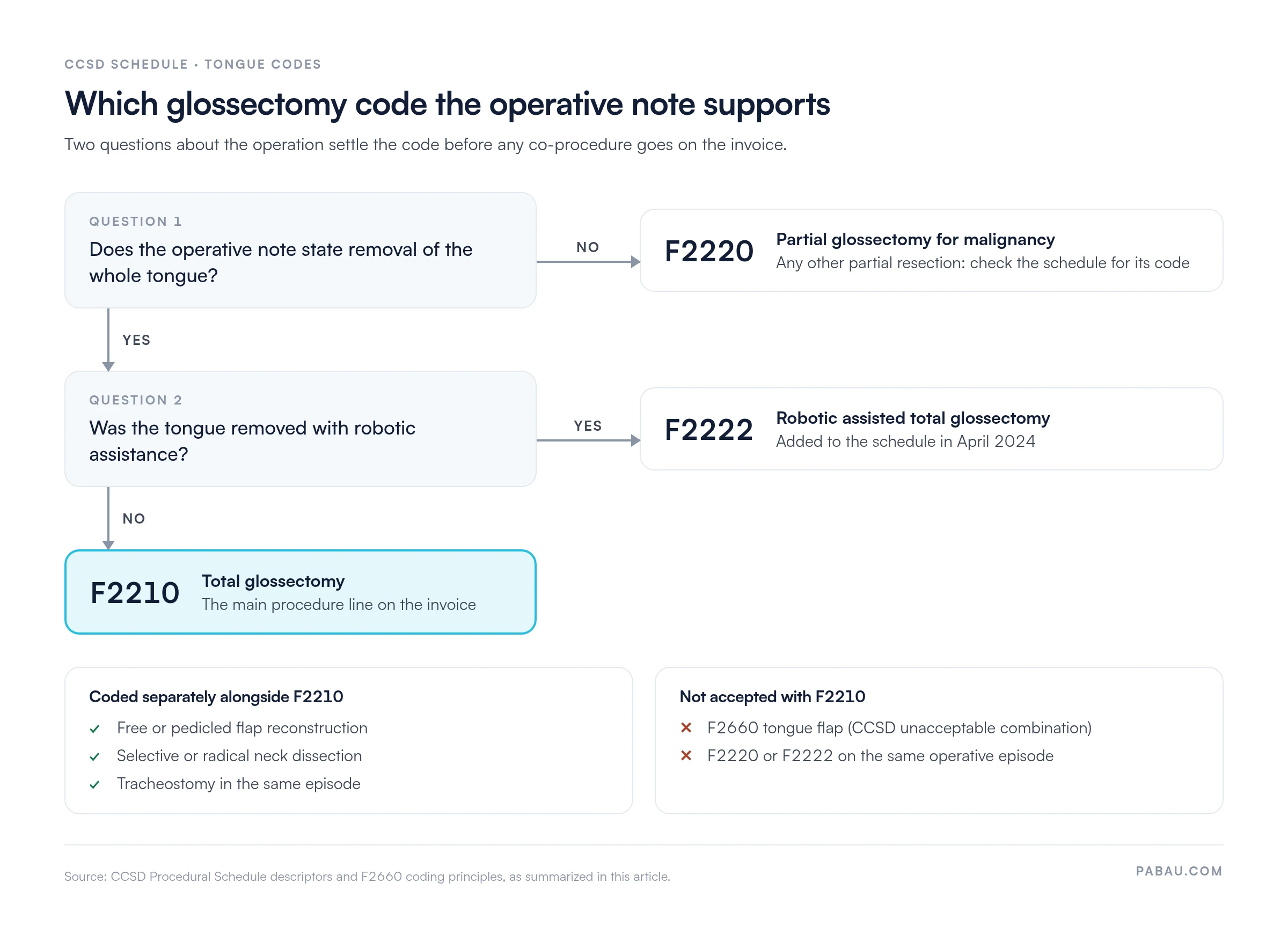
Knowing the scope of F2210 prevents two errors. One is under-billing procedures that can be coded separately. The other is unbundling, where a service already included in F2210 is billed a second time.
Some combinations are not accepted at all. CCSD coding principles list tongue flap F2660 as an unacceptable combination with F2210. Check the code’s principles in the CCSD schedule before you add any tongue-level co-procedure.
Every F2210 claim needs an ICD-10 diagnosis code that matches the indication in the histopathology report. UK insurers use the WHO edition of ICD-10, so take subcodes from the WHO ICD-10 browser. A diagnosis that does not fit the procedure is likely to be queried before the claim is paid.
The ICD-10 code must match the confirmed histopathological diagnosis, not the working clinical diagnosis. Submit the claim once the histopathology report is back. If pathology names a different subsite than the pre-operative code, amend the code before final submission.
Total glossectomy rarely travels alone on an invoice. The co-procedures below are often billed alongside CCSD Code F2210. Confirm each code in the current CCSD schedule and the insurer’s combination rules before you bill it.
UK private medical insurers expect pre-authorization before planned inpatient surgery, and total glossectomy is no exception. Authorization does not guarantee payment, but surgery without it puts the claim at serious risk. Each insurer runs its own process, so treat the steps below as a checklist and confirm the details with the patient’s insurer.
Timelines and emergency rules vary by insurer. Check how quickly the insurer answers planned oncology requests and how it handles retrospective authorization after urgent surgery.
Give one team member ownership of authorization numbers, their expiry dates and co-procedure cover for every F2210 case. A missing or expired authorization number can sink a claim even when the clinical documentation is thorough.
Weak documentation is the second most common cause of F2210 claim problems, after authorization. Insurers check the operative note against the code submitted in particular. Keep each document below on file before the invoice goes out.
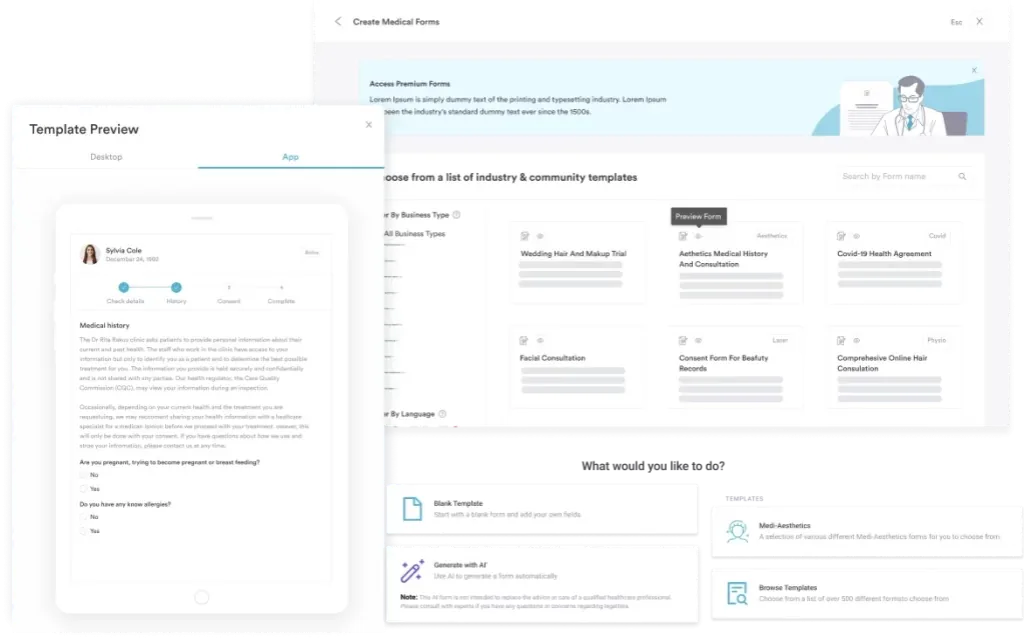
Digital forms in Pabau, a practice management platform, let a practice capture operative notes, authorization checklists and post-operative records in one patient file. Structured forms make an incomplete record less likely by the time the invoice is due.
Insurers look closely at CCSD Code F2210 because it covers a major inpatient cancer operation. The patterns below cause most rejections, queries and payment delays.
A clean F2210 claim follows a set sequence. Work through these steps before the invoice leaves the practice.
Billing a total glossectomy means juggling several codes, an authorization number, pathology and a co-procedure list. Many practices still track that across email, spreadsheets and a separate billing portal. Each hand-off is a chance for the authorization number or the operative note to go missing.
Pabau’s built-in claims management keeps that work on the patient record. In the UK, practices send insurance claims through Healthcode and Bupa from Pabau. The authorization code, dates and sessions are tracked on the case, and Pabau warns the team when one is missing.
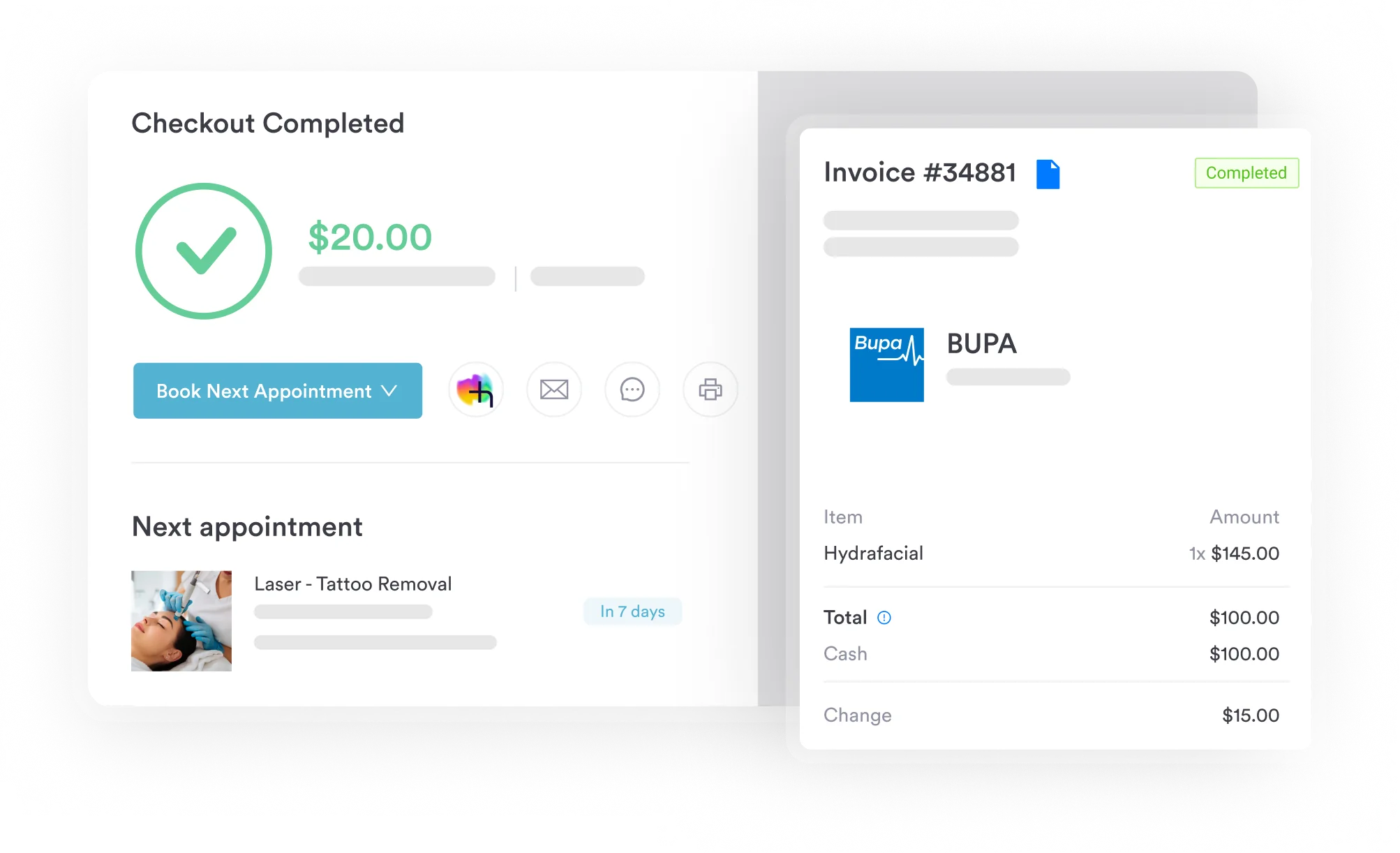
The result is fewer claims sent without an authorization number and less time spent chasing documents when an insurer asks a question.

Pabau tracks authorization codes on each case and submits claims through Healthcode and Bupa, so your F2210 invoices carry the details insurers check.

CCSD Code F2210 is a high-value code that UK insurers check closely. The wording of the operative note is the factor your team controls most. If it states complete removal of the tongue, and the authorization names F2210, most queries never start.
The trade-off is time spent before surgery, not after it. Settle the code, the co-procedures and the authorization with the insurer up front, and the invoice becomes routine. Book a demo to see how Pabau helps UK specialist practices track authorizations and submit cleaner CCSD claims.

Need a broader CCSD billing reference? Bupa CCSD codes explains how the CCSD schedule works with one of the largest UK insurers.
Checking what an insurer pays for a procedure? Bupa procedure codes and fee schedule shows how fees attach to CCSD codes.
Want fewer rejected insurance claims? Claims management software from Pabau covers authorization tracking and electronic claim submission.
CCSD Code F2210 covers total glossectomy, the complete surgical removal of the tongue, usually under general anesthesia as an inpatient. It does not include partial glossectomy, flap reconstruction, neck dissection or tracheostomy. Each of those takes its own CCSD code.
F2210 is total glossectomy without robotic assistance, F2220 is partial glossectomy for malignancy, and F2222 is robotic assisted total glossectomy. The operative note must support the code you choose. A code that claims more than the note records is likely to be queried or refused.
The codes most often paired with F2210 are C01 (malignant neoplasm of base of tongue) and C02.0 to C02.9 (other tongue sites). Use the subcode the histopathology report confirms, not the working diagnosis. An unspecified code such as C02.9 may be queried when pathology names the subsite.
Yes. UK private medical insurers such as Bupa, Aviva, AXA Health and VitalityHealth expect authorization before planned inpatient surgery like total glossectomy. The authorization number goes on every invoice for the episode. Authorization does not guarantee payment, but surgery without it puts the claim at serious risk.
The usual causes are a missing authorization number, a code that differs from the authorized one and an ICD-10 code that does not fit. An operative note that describes partial resection causes problems too. So do unacceptable combinations, such as F2660, and two glossectomy codes on one episode.
Yes. Free or pedicled flap reconstruction is not part of F2210 and takes its own CCSD reconstruction code. Check the insurer’s combination rules first, since tongue flap F2660 is listed as an unacceptable combination with F2210. Put each code on its own line under the same authorization.




